
Main Courses
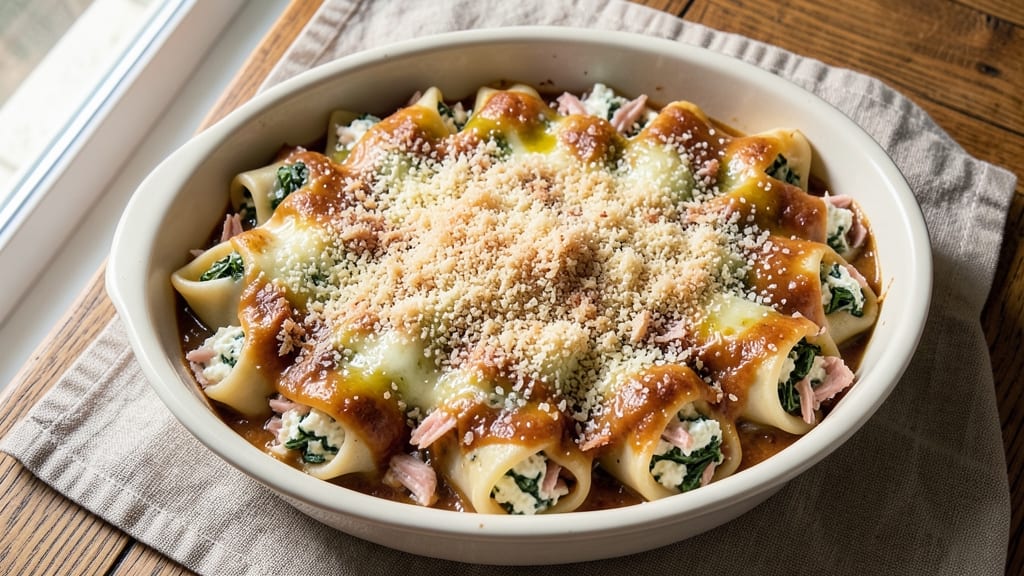
This Maggiano’s chicken and spinach manicotti copycat recipe brings the restaurant’s rich, cheesy layers straight into your kitchen with a few pro-level tricks. The secret lies in the layered cheese magic—where ricotta and mozzarella blend perfectly with tender chicken and spinach, all baked to bubbly golden perfection.
I've perfected this copycat version after years of testing, ensuring every bite matches the restaurant's signature creamy, savory flavor profile.
The foundation of this dish is the hidden ricotta trick—blending it with egg and Parmesan creates a filling that stays moist and rich while baking. Fresh spinach and shredded chicken add substance without overpowering the cheesy layers, while a robust marinara sauce ties everything together.
This isn't just another manicotti recipe; it's a foolproof method that delivers professional results every time, even for home cooks.
What you'll achieve is a casserole with perfectly tender pasta sheets, a velvety cheese filling that doesn't dry out, and a sauce that clings to every layer.
The top layer of mozzarella develops a golden, bubbly crust that's impossible to resist, while the aroma filling your kitchen will have everyone gathering around the table. Each forkful delivers that familiar Maggiano's flavor—creamy, cheesy, and satisfyingly hearty.
Perfect for family dinners, holiday gatherings, or when you crave that restaurant-quality comfort food without the wait. The recipe scales beautifully for crowds, and leftovers reheat just as well. Let's get started on creating this copycat masterpiece that will impress even the most discerning palates.
Ingredients for maggiano's chicken and spinach manicotti copycat
Layered cheeses, tender pasta, and that signature Maggiano's flavor—just 13 ingredients for restaurant-quality manicotti.
| Ingredient | Amount | Notes |
|---|---|---|
| Manicotti Pasta Sheets 🍝 | 12 pieces | Fresh or dried, cooked al dente |
| Whole Milk Ricotta Cheese 🧈 | 20 oz | Full-fat for creaminess, room temp |
| Large Eggs 🥚 | 2 whole | Room temperature for blending |
| Fresh Spinach Leaves 🌿 | 5 oz | Chopped finely, stems removed |
| Shredded Chicken Breast 🍗 | 1 ½ cups | Cooked, skinless, boneless |
| Parmesan Cheese 🧀 | 1 cup | Freshly grated, block preferred |
| Mozzarella Cheese 🧀 | 2 cups | Fresh, shredded by hand |
| Marinara Sauce 🍅 | 3 cups | Homemade or quality jarred |
| Extra-Virgin Olive Oil 🫒 | ¼ cup | For brushing pasta sheets |
| Garlic Cloves 🧄 | 3 cloves | Minced for sauce enhancement |
| Diamond Crystal Kosher Salt 🧂 | 1 ½ tsp | Fine grain for seasoning |
| Freshly Ground Black Pepper 🌶️ | ½ tsp | For filling seasoning |
| Dried Oregano 🍃 | 1 tsp | Italian variety preferred |
The ricotta is non-negotiable—whole milk, full-fat gives that creamy texture. Trader Joe's or Whole Foods sell the best tubs, but any brand works if it's fresh. Room temperature ricotta blends smoother, so pull it out 30 minutes before mixing. For the pasta sheets, fresh is ideal but dried works too—just boil them 1 minute less than package instructions. The spinach should be vibrant green; if it's wilted, give it a quick blanch to revive. I always grab pre-shredded chicken from the deli counter—it saves time and stays moist when mixed into the filling.
No ricotta? Cottage cheese blended with a splash of milk gets you close, though it won't be as velvety. Short on spinach? Frozen works in a pinch—thaw and squeeze out excess water. The Parmesan needs to be real Parmigiano-Reggiano; pre-grated tastes like sawdust. For the marinara, Rao's or Barilla jarred sauces are solid shortcuts, but homemade with San Marzano tomatoes takes it to the next level. The garlic cloves can be pre-minced from a jar if you're in a rush, but fresh is always better. Want extra richness? Add 1/4 cup heavy cream to the filling—trust me on this.
This bakes best in a 9x13-inch baking dish—don't skimp on the size. Assemble it ahead and refrigerate up to 24 hours; the flavors meld beautifully overnight. Leftovers reheat covered at 350°F for 15 minutes. The secret to that golden crust? Broil for 2-3 minutes at the end, watching like a hawk. Freezes for 3 months if portioned in airtight containers. I always make a double batch—half for dinner, half for lunches the next week.
Why You'll Love This Recipe
- No Boil, No Fuss: I just spread the ricotta-spinach filling between the sheets—no pre-boiling, no waiting for pasta to cook. The ricotta softens perfectly while baking, and honestly? That’s where the magic happens.
- Creamy Without the Guilt: The ricotta and whole milk blend gives it that restaurant-style richness, but the shredded chicken keeps it light. It’s the kind of dish that feels indulgent but won’t weigh you down—(yes, even on a Tuesday night).
- Leftovers That Still Shine: This bakes into a solid casserole that reheats beautifully. My kids grab a slice straight from the fridge for lunch, and it’s just as good cold as it is hot—no sad, rubbery pasta here.
- Budget-Friendly Luxury: Fresh spinach and chicken breast might sound fancy, but they’re affordable staples that make this feel like a splurge. I’ll be real: it’s my go-to for feeding the whole family without breaking the bank.
Step-by-step instructions for Maggiano's chicken and spinach manicotti
Here's the professional technique that delivers that signature Maggiano's flavor—creamy ricotta filling, tender spinach, and perfectly layered cheese.
Prepare the Hidden Ricotta Filling
In a large mixing bowl, combine the 20 oz whole milk ricotta cheese, 2 whole large eggs, 5 oz finely chopped fresh spinach leaves, 1.5 cups shredded chicken breast, 1 cup freshly grated parmesan cheese, 2 cups freshly shredded mozzarella cheese, 1.5 tsp diamond crystal kosher salt, 0.5 tsp freshly ground black pepper, and 1 tsp dried oregano. The ricotta should be at room temperature for the best texture—this prevents graininess in your final dish.
Using a silicone spatula, mix everything together until completely homogeneous. Here's the thing—don't overmix or you'll develop gluten in the ricotta, which can make your manicotti tough. You're aiming for a smooth, spreadable consistency that will cling perfectly to the pasta sheets. If the mixture seems too thick, you can add just a splash of the marinara sauce to help it bind better, but usually, this combination comes together beautifully on its own.
Cook the Manicotti Pasta Sheets
Bring a large pot of well-salted water to a rolling boil—it should taste like the ocean. Add the 12 pieces manicotti pasta sheets and cook according to package instructions until they're cooked al dente. The sheets should be tender but still have a slight bite to them. I usually aim for about 8-10 minutes, but check the package directions as cooking times can vary slightly between brands.
While the pasta cooks, have a colander ready to drain them immediately when they're done. The key here is to work quickly—you want to transfer the cooked sheets to a baking dish as soon as possible to prevent them from drying out. As you drain them, gently pat each sheet dry with a clean kitchen towel to remove any excess moisture that could interfere with the cheese adhesion.
Assemble the Layered Manicotti
Preheat your oven to 375°F. In a 9x13-inch baking dish, spread 1 cup of marinara sauce evenly on the bottom—this creates a flavorful base that prevents sticking. Here's the professional trick: lightly brush each cooked manicotti sheet with 0.25 cup extra-virgin olive oil before assembling. This helps the cheese adhere better and creates a beautiful golden crust when baked.
Now for the layering: place one manicotti sheet in the baking dish at a slight angle. Spoon about 1/6 of the ricotta mixture onto the center of the sheet, then roll it up tightly. Place the roll seam-side down in the baking dish. Repeat with the remaining sheets and filling, creating a single layer of manicotti rolls. Pour the remaining 2 cups marinara sauce over the top, spreading it evenly to cover the rolls completely. The sauce should come about halfway up the sides of the rolls.
Bake to Golden Perfection
Cover the baking dish tightly with aluminum foil and bake for 25 minutes. This initial covered baking allows the cheese to soften and meld together without drying out. After 25 minutes, remove the foil and bake uncovered for an additional 15-20 minutes until the top is golden brown and bubbly. You'll know it's ready when the cheese has turned a beautiful golden color and the edges are slightly crisp.
The reason we uncover it at the end is to create that signature restaurant-style crust. Keep an eye on it during the final baking time—your oven might run hot, so start checking at the 20-minute mark. If the top starts to brown too quickly, you can tent it loosely with foil to prevent over-browning while still allowing the cheese to set properly.
Rest and Serve Like a Pro
Remove the manicotti from the oven and let it rest for 10-15 minutes before serving. This resting period is crucial—it allows the layers to set and the flavors to meld together. Don't skip this step, even though it's tempting when you smell that delicious aroma coming from your kitchen. The manicotti will be easier to slice and serve, and each bite will be more cohesive and flavorful.
To serve, use a sharp chef's knife to cut through the center of each roll, then slice through the sauce to create neat portions. The filling should be creamy and well-distributed, with no dry spots. If you've followed these steps carefully, each bite should deliver that perfect combination of tender pasta, creamy ricotta, fresh spinach, and rich marinara sauce that makes this dish so special.
Pro Tips For Making Maggiano'S Chicken And Spinach Manicotti Copycat
- Boil Pasta Just Until Al Dente: Manicotti sheets need to be firm enough to hold filling but not rubbery—test one by biting into it after 2-3 minutes in boiling water. Overcooking turns them mushy, and that’s when your copycat dish starts feeling more like a sad lasagna. Drain and toss with a splash of pasta water to keep them pliable while stuffing.
- Squeeze Out Spinach Water: Fresh spinach releases a lot of water when wilted. After blanching, wrap it in a clean towel or cheesecloth and squeeze hard—this keeps your ricotta filling from turning into a watery sludge. Trust me, your layers won’t leak if you do this step.
- Salt the Ricotta Mixture: Ricotta alone tastes bland, and the filling’s flavor gets buried under sauce. Mix in ½ teaspoon of salt per 8 ounces of ricotta while combining it with eggs and Parmesan—this balances the richness before it’s even baked. (Yes, even if the recipe doesn’t say to.)
- Layer Sauce Between Sheets: Don’t just dump sauce on top—slather a thin layer of marinara between each manicotti sheet as you stack them. This ensures every bite has that signature Maggiano’s sauce-to-pasta ratio, not just a dry, cheesy top layer. Think of it as insurance against a sad, sauceless center.
Flavor customization for maggiano's chicken and spinach manicotti copycat
Spicy Kick Option
For those who love heat, add 1 tbsp Calabrian chili paste or 1 tsp crushed red pepper flakes directly to the ricotta mixture. This adds a subtle smoky heat that pairs beautifully with the creamy cheese and spinach.
I like to balance it with an extra ½ cup mozzarella on top to soothe the palate. 🌶️
Herb-Infused Variations
Swap out the oregano for 1 tbsp fresh basil or 1 tsp dried thyme to give the filling a brighter, more Mediterranean twist. For a garlic lover's version, mix 2 minced garlic cloves into the ricotta filling. Fresh herbs should be added just before baking to preserve their vibrant flavors.
Protein Swaps
Out of chicken? Use 1.5 cups cooked ground turkey or 1 cup crumbled sausage (Italian or spicy) for a different flavor profile. For a vegetarian option, replace the chicken with 1.5 cups sautéed mushrooms or 1 cup white beans (rinsed well).
The key is to keep the filling moist and flavorful.
Cheese Upgrade Options
Take the cheese to the next level by adding ½ cup fontina cheese to the ricotta mixture for extra meltiness. For a sharper flavor, mix in ¼ cup grated Pecorino Romano along with the Parmesan. Both options add depth that complements the spinach and marinara beautifully. 🧀
Sauce Variations
Swap the marinara for a white wine sauce by deglazing the baking dish with ½ cup dry white wine after removing the manicotti. For a creamier option, mix ½ cup heavy cream into the sauce before pouring it over the top layer. Both alternatives create a more sophisticated flavor profile.
Seasonal Add-Ins
In summer, fold ½ cup diced zucchini (lightly sautéed) into the ricotta mixture for freshness. For fall, add ½ cup roasted butternut squash purée to the filling for natural sweetness. These seasonal twists keep the dish exciting year-round while maintaining that signature Maggiano's cheesiness. 🍂
Nutrition facts
Frequently asked questions
Can I make this manicotti ahead of time?
Assemble the dish in your baking dish, cover tightly with foil, and refrigerate for up to 24 hours before baking. This actually enhances the flavors. For make-ahead baking, add 10-15 minutes to your baking time (cover with foil the entire time) and broil for 2-3 minutes at the end for that golden crust.
Why does my ricotta filling get watery?
This usually happens when the ricotta isn't room temperature or you've overmixed it. Always use whole milk ricotta at room temp, and mix just until combined. If it's still too loose, stir in 1 extra egg yolk or 1 tbsp grated Parmesan to thicken it. Never skip the egg—it's what binds everything together!
Can I use dried manicotti pasta sheets?
Yes, but they need special handling. Cook them 1 minute less than package instructions (they'll finish cooking in the oven) and pat them completely dry. The key is to work quickly—they dry out fast! Brush with olive oil before assembling to help the cheese adhere better.
How do I fix soggy bottoms?
Prevent this by spreading 1 cup marinara sauce on the bottom of your baking dish before adding the rolls. Also, bake uncovered for the final 15-20 minutes to let moisture evaporate. If it's already soggy, broil for 2 minutes to crisp the top while keeping the filling creamy.
What's the best way to reheat leftovers?
Cover with foil and reheat at 350°F for 15 minutes—this keeps everything moist. For a crispy top, uncover for the last 2-3 minutes. Microwave only in 30-second bursts with foil, stirring between each, to avoid rubbery pasta.