
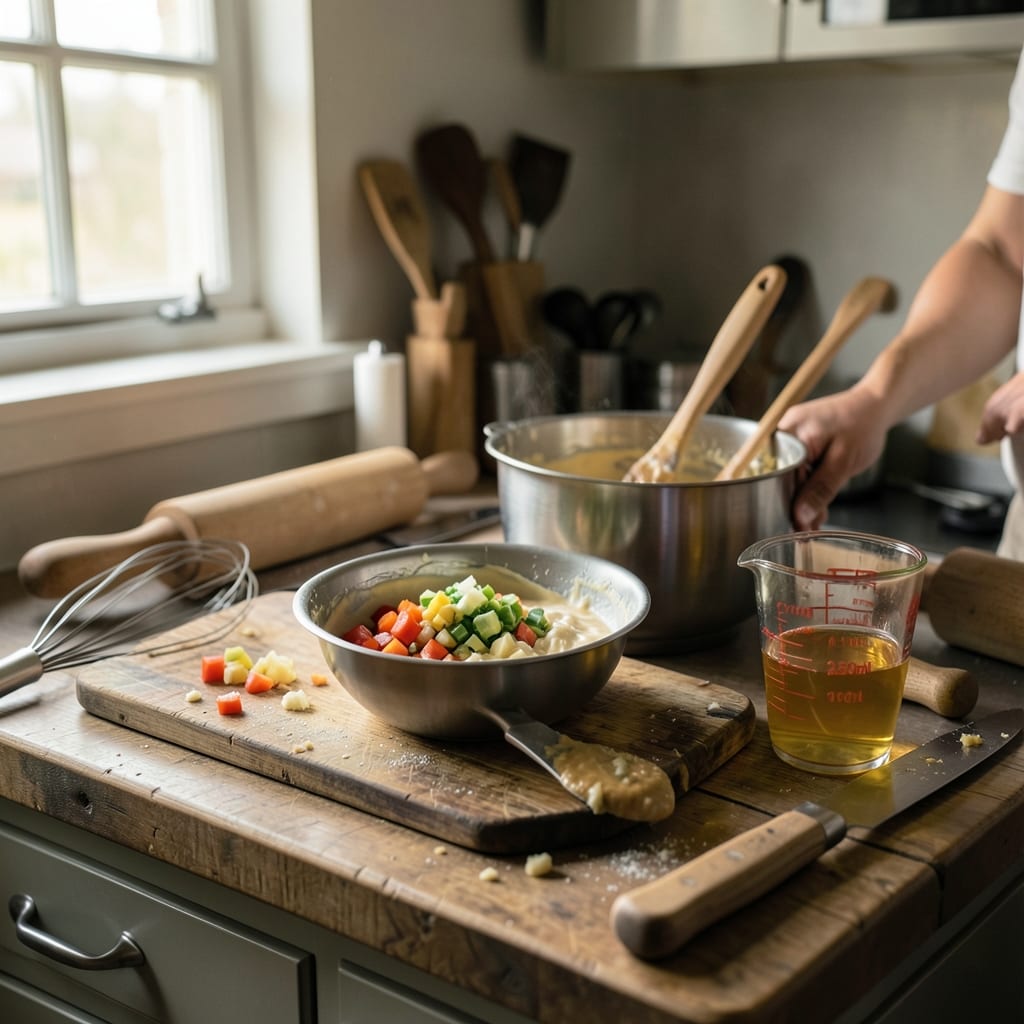
What this work is made with
This page is not a story. It is a list of things—the tools, the hands, the wear—that shape every recipe here. A site about cooking is built on more than ingredients or instructions.
It lives in the things that hold the heat, the marks that tell when a dish is done, and the quiet decisions about what to leave out.
Redchickenrecipes is a place for recipes that work: traditional dishes reimagined, bold flavors balanced with simple techniques, and the kind of meals that feel like both a celebration and a comfort.
The real work happens where the fire meets the pan, where the knife meets the board, and where the hands remember how a recipe should taste before it’s even written down.
The things that do the work
These are the objects that shape every recipe here. They are not glamorous, not always new, and sometimes they fail—but they are the ones that turn intention into flavor. They have taught us what a dish can become, and what it cannot.
The cast-iron skillet
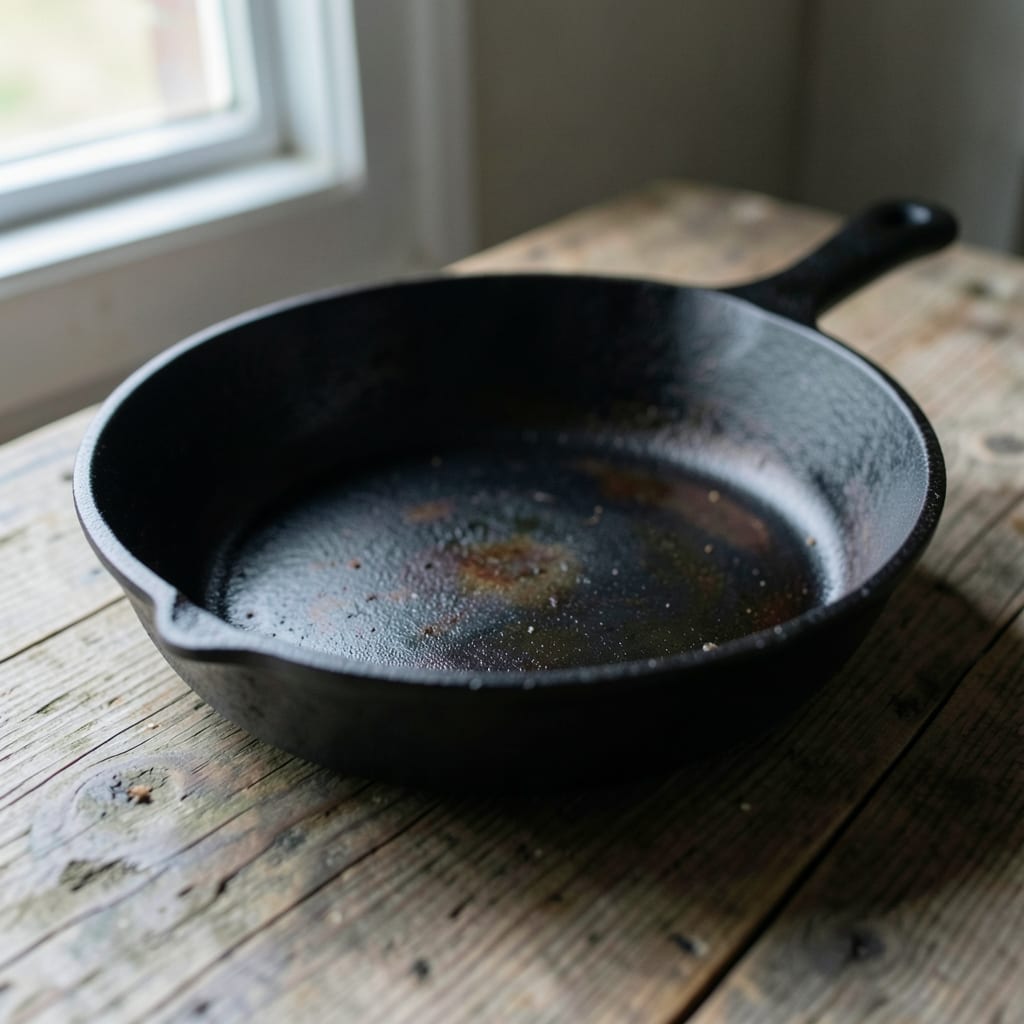
It is dented at the rim from years of being dragged too quickly from the stove, and the handle is wrapped in frayed wire after the original broke off in 2018. It has no nonstick coating, no fancy brand, and it costs less than a new knife.
But it is the only pan that can hold the heat for a slow-braised red chicken without burning the edges of the sauce.
It arrived as a hand-me-down from my grandmother, who swore by it for *adobo*. The first time I used it for a recipe here, it taught me that a dish doesn’t need a perfect pan—just one that can take the punishment.
Now, every slow-cooked recipe starts here, even if the result is only half as good as hers.
The bamboo steamer
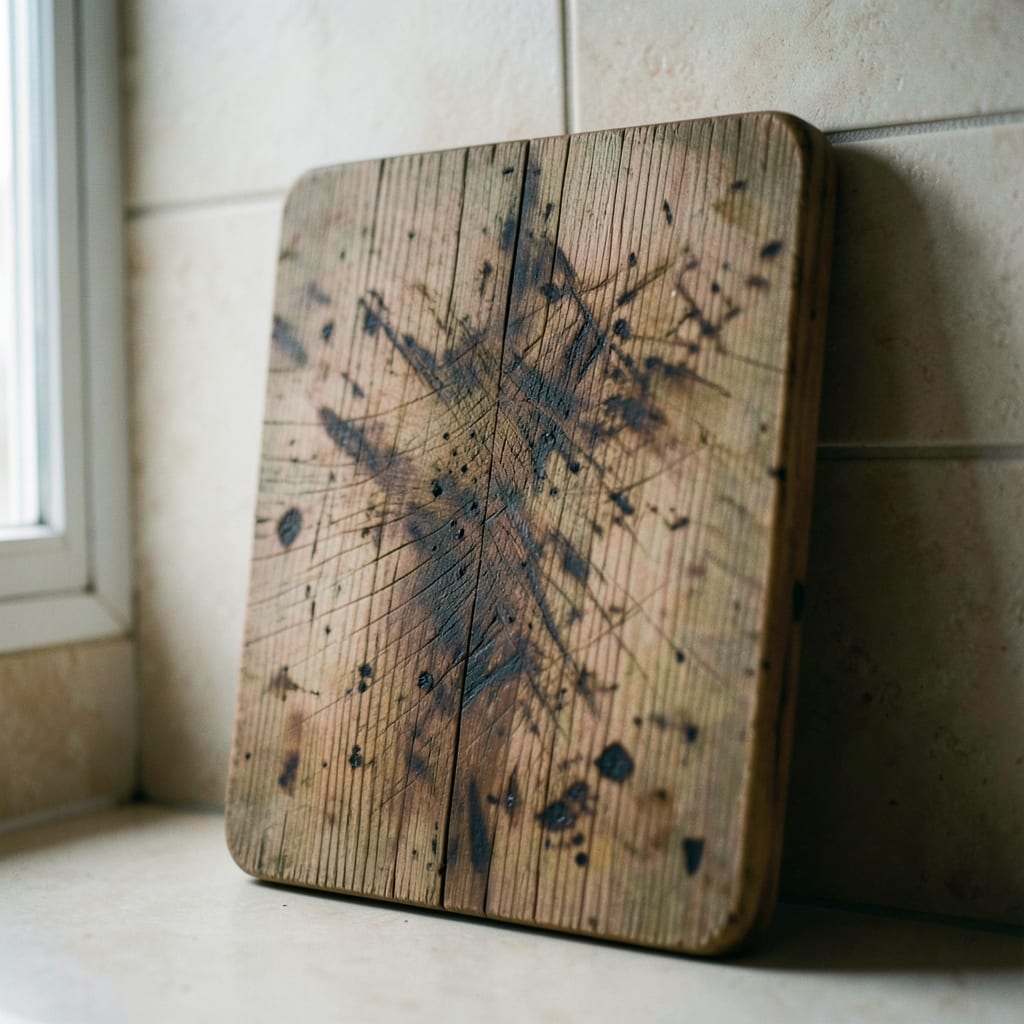
Its slats are warped from years of steam, and the metal frame is rusted at the joints where it touches the pot.
It is the cheapest thing in the kitchen, bought in a market stall for three dollars, and it has no brand name—just the faint scent of old wood and the occasional splinter when the bamboo cracks.
It does not fit every pot perfectly, and sometimes the water boils over before the fish is done.
It was the only way to steam *silog* without a crowded kitchen. The first time I used it for a recipe, the rice stuck to the bottom because the heat wasn’t even. Now, every steamed dish here is tested twice: once in this basket, and once in the electric steamer.
The bamboo version always loses, but it’s the one that matters.
The wooden spoon with the broken handle
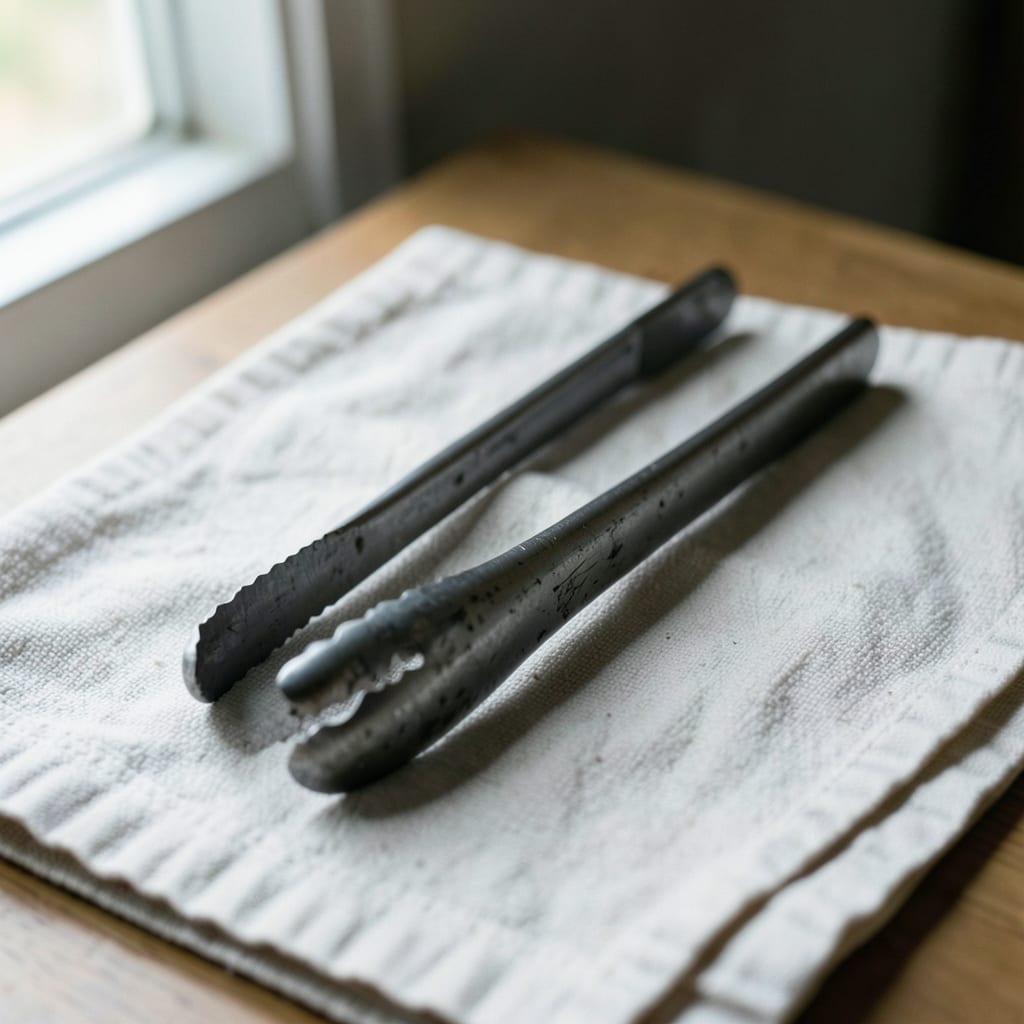
The handle snapped in half during a particularly aggressive stir of *sinigang* broth, and it has been taped together with masking tape ever since.
It is too short to reach the bottom of most pots, so it is used only for stirring sauces and folding in delicate ingredients like fish sauce or coconut milk. The wood is splintered along the edge where the tape wears thin.
It was a gift from a friend who said, *‘Wooden spoons are for stirring, not for beating.’* I ignored her. The first time I used it to fold in egg whites for a *pancit* recipe, the tape tore, and the egg curdled.
Now, every recipe with a delicate component is tested with this spoon first—because if it fails here, it will fail everywhere.
The aluminum foil from the first batch of *lechon*
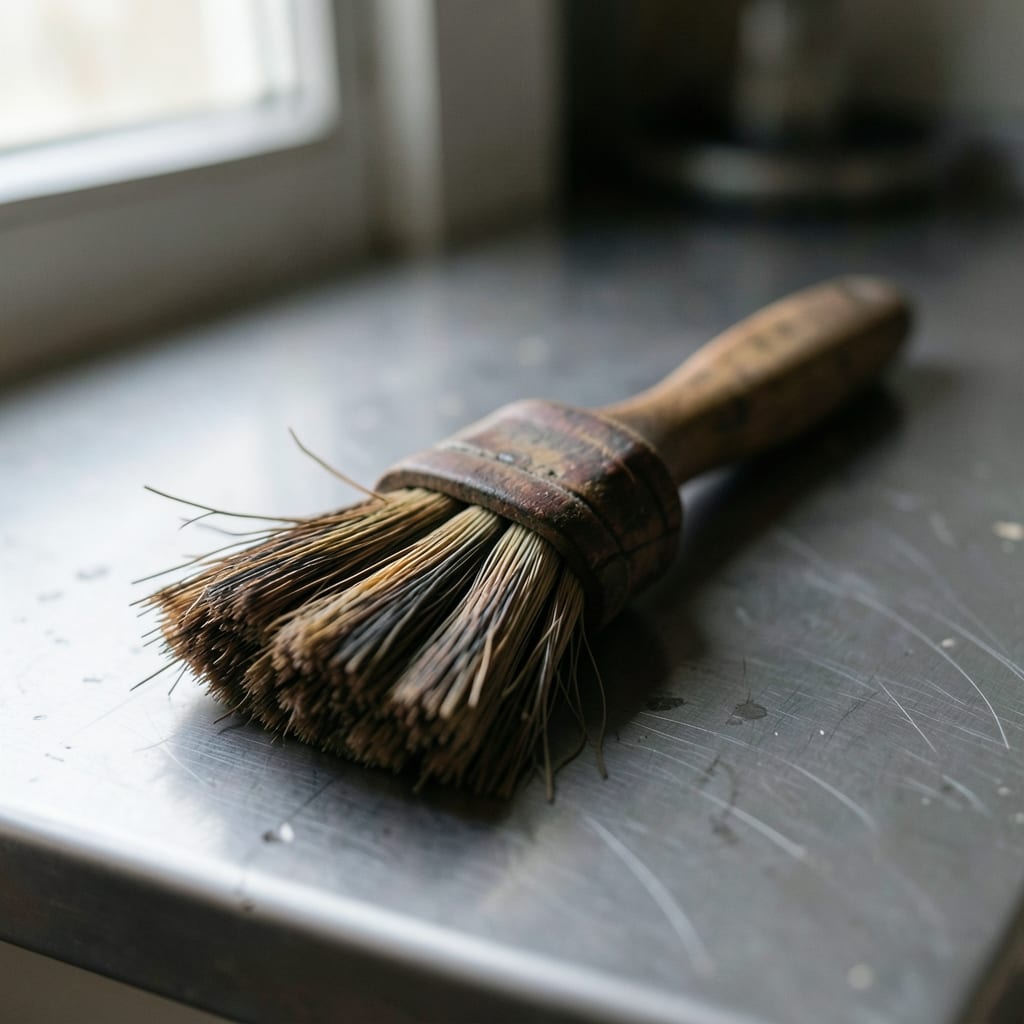
It is crumpled, grease-stained, and still wrapped around the roasting pan where it was left after the first attempt at *lechon kawali*. The foil is torn in places where the meat tore through it, and the edges are singed from the oven.
It is kept not for reuse, but as a reminder of what happens when you trust a recipe that says *‘bake at 350°F’* without mentioning the need for a water bath.
It taught us that some rules exist for a reason. Now, every roasted recipe here includes a note about foil, water, or a second pan—because the first batch of *lechon* was inedible, and the second one nearly burned down the kitchen.
What is not in the drawer
This work does without a few things. Some are choices, others are limits—but none are accidents.
Deliberately absent
- A kitchen scale. Every recipe here uses measurements you can eyeball, or a spoon you already own.
- A thermometer. Heat is guessed, then adjusted—because the best dishes are made with intuition, not numbers.
- Brand-new tools. If it isn’t broken (or at least *interesting*), it isn’t here.
- Photos of food. The focus is on the steps, the flavors, and the stories—not on how it looks in a staged shot.
Behind the scenes
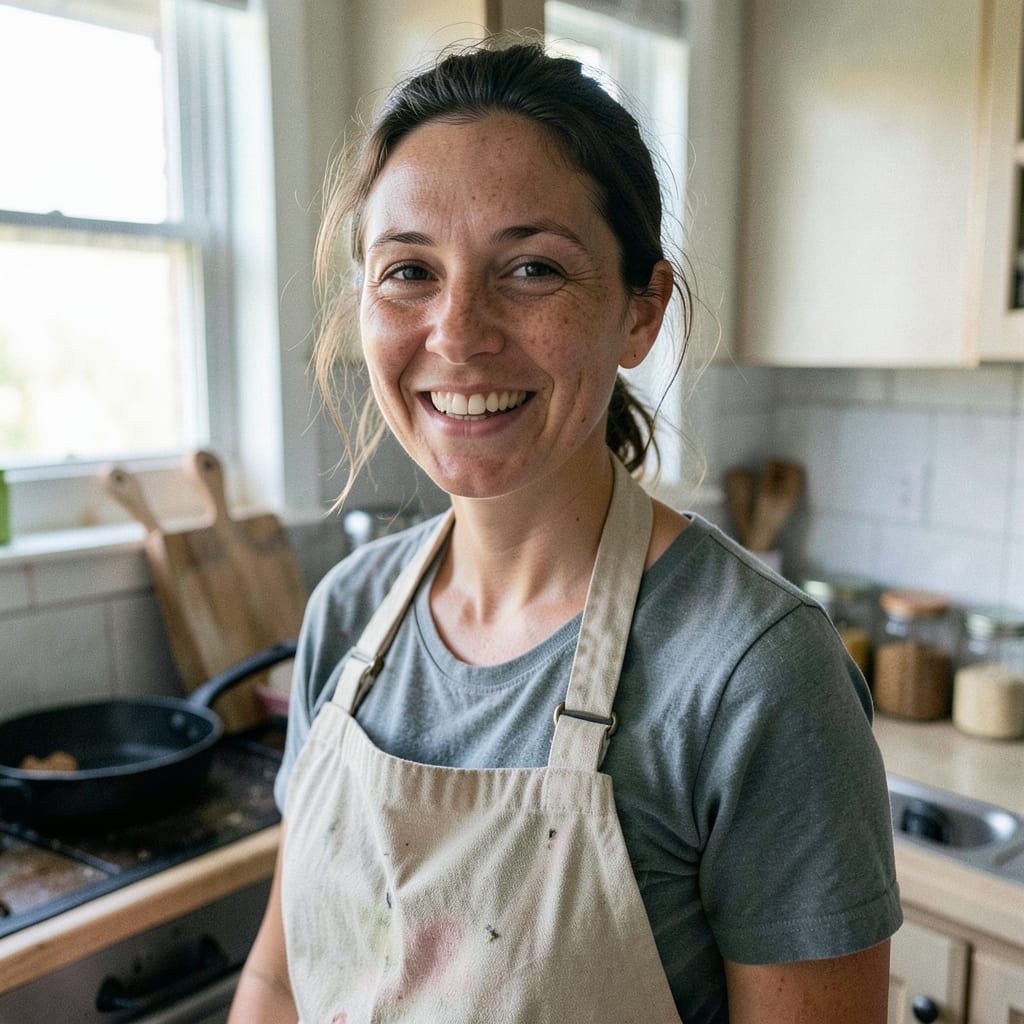
I am Ramona Ocampo, the person who writes the recipes here. I am the one who burns the first batch, tastes the second, and argues with the third.
I came to this from a kitchen where recipes were passed down in whispers, not written on paper. My grandmother would say, *‘Taste it and tell me if it needs more,’* and I would nod, even when I had no idea what *more* meant.
She handed me this work not as a skill, but as a question: *‘Can you make it better?’*
This work has given me a habit of tasting everything twice—once before seasoning, once after—and a permanent burn on my thumb from the first time I grabbed a hot pan without thinking.
Now, I notice heat everywhere: in the way a sauce thickens, in the way a knife slips when it’s dull, in the way a dish tastes different when someone else cooks it.
I can no longer walk past a market stall without smelling the garlic and wondering how it would work in a marinade.
I am here to write the recipes that work the first time, even if they’re not perfect.
To explain why a dish needs a long simmer, or why you should never trust a recipe that says *‘cook until done.’* And to remind you that the best meals are the ones that feel like they were made just for you—even if they were tested three times first.
Why any of this matters to you
These things—the skillet, the steamer, the broken spoon, the crumpled foil—are why every recipe here is tested, adjusted, and written to work in a real kitchen. They are the reason you won’t find a dish that requires a specialty tool or a perfect pan.
They are also why you might find a note like *‘Use the bamboo steamer, not the electric one,’* or *‘This sauce needs to be stirred with a wooden spoon.’*
The work here is built on imperfection, on limits, and on the things that actually get used. If you’ve ever stood in your own kitchen, frustrated by a recipe that doesn’t work, this is the kind of place that might help.
If you’re curious about how a dish is made—or why it should be made at all—there’s more to explore on the contact page.
Every recipe here is written with the things you already own. The steps are tested with the tools that work, not the ones that sound fancier. And if something goes wrong, there’s usually a note about how to fix it—because the best cooking is the kind that survives mistakes.
The recipes are grouped by category: Appetizers, Beverages, Breakfast & Brunch, Desserts, Main Courses and Salads.