
Main Courses
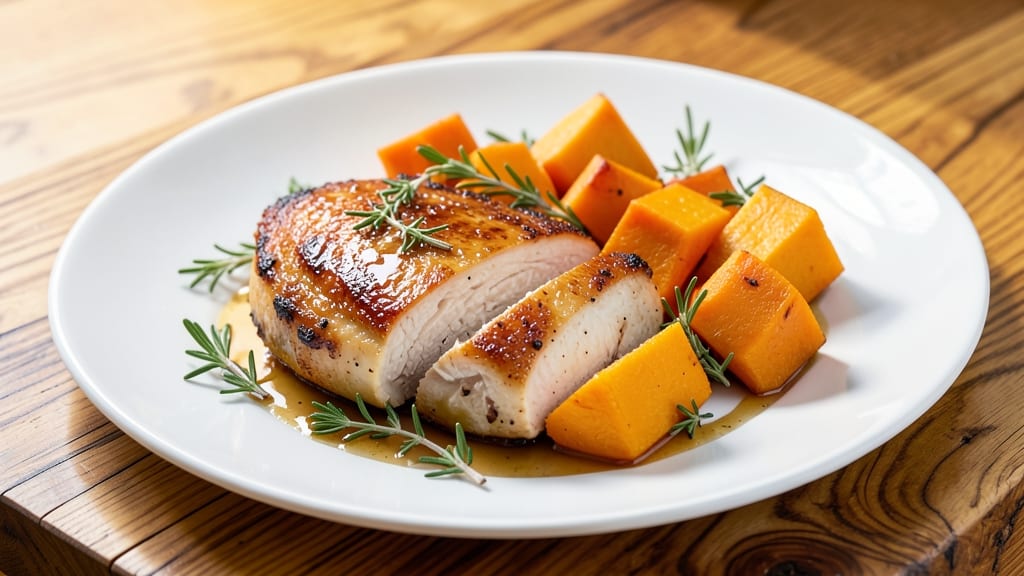
This baked chicken breast and butternut squash recipe delivers foil-sealed tenderness that transforms weeknight dinner into a restaurant-worthy meal. The secret lies in balancing sweet caramelized squash with herb-infused chicken, all baked together for a harmonious dish that requires minimal effort but maximum flavor.
I've perfected the technique over years of testing, ensuring the chicken stays juicy while the squash develops that perfect caramelized edge.
The beauty of this recipe is its simplicity—just a few quality ingredients and one baking sheet. Butternut squash releases natural sweetness as it roasts, while the chicken absorbs aromatic herbs and stays impossibly tender thanks to the foil-sealing method.
This approach locks in moisture, preventing dryness that often plagues baked chicken. The result is a dish where every bite offers perfect harmony between savory and sweet, with textures that range from velvety chicken to crisp-tender squash.
What makes this recipe truly special is how effortlessly it comes together. You'll start with seasoned chicken breasts and cubed squash, then bake them side by side until the chicken reaches 165°F and the squash develops caramelized edges.
The foil-sealing technique ensures the chicken stays moist while allowing the squash to develop its signature sweetness. This method also makes cleanup a breeze—just one sheet to wash.
The final dish presents beautifully with golden-brown chicken and squash that's perfectly tender yet slightly crisp at the edges. It's the kind of meal that feels indulgent but comes together in under an hour.
Serve with a sprinkle of fresh herbs or a drizzle of honey for added brightness. Here's how to create this balanced, satisfying dish that will become a regular on your dinner rotation.
Ingredients for baked chicken breast and butternut squash
Quality ingredients and foil-sealing technique create restaurant-worthy harmony between sweet squash and herb-infused chicken.
| Ingredient | Amount | Notes |
|---|---|---|
| Boneless, Skinless Chicken Breast 🍗 | 1 ½ lb | Pounded to even thickness |
| Medium Butternut Squash 🎃 | 1 whole | Peeled, seeded, cubed |
| Extra-Virgin Olive Oil 🫒 | 2 tbsp | For roasting and basting |
| Fresh Thyme Leaves 🌿 | ½ cup | Chopped, stems removed |
| Fresh Rosemary Sprigs 🌿 | 2 whole | Finely chopped, fresh preferred |
| Garlic Cloves 🧄 | 4 cloves | Minced, fresh preferred |
| Diamond Crystal Kosher Salt 🧂 | 1 ½ tsp | For seasoning and finishing |
| Freshly Ground Black Pepper 🌶️ | ½ tsp | Coarsely ground |
| Honey 🍯 | 1 tbsp | For caramelizing squash |
| Heavy Cream 🥛 | ¼ cup | Optional finishing drizzle |
| Heavy-Duty Aluminum Foil 📄 | 1 sheet | For sealing moisture |
The butternut squash is the star here—its natural sweetness develops beautifully when roasted alongside the chicken. Choose a medium-sized squash (about 3-4 pounds) for perfect proportions. Whole Foods or Trader Joe's carry excellent pre-cut options, but if you're peeling and cubing yourself, look for squash with a vibrant orange hue and firm skin. The chicken breasts should be similar in size to cook evenly—pound them to an even thickness with a meat mallet or rolling pin. This ensures consistent doneness. For the herbs, fresh is ideal, but if you're using dried, reduce the amount to one-third of what's listed.
No fresh thyme? Fresh oregano or marjoram work beautifully as substitutes. The rosemary adds a piney depth that pairs perfectly with the chicken, but if you're out, fresh sage offers a similar earthiness. For the garlic, if you don't have fresh, garlic powder at half the amount will work in a pinch. The honey is crucial for caramelizing the squash—substitute with maple syrup if needed. For the chicken, if you prefer a different cut, boneless thighs hold up exceptionally well to the foil-sealing method and stay juicier than breasts. The heavy cream finishing is optional but adds a luxurious touch—coconut cream works as a dairy-free alternative.
Prep the squash and chicken ahead of time—they can sit on the baking sheet for up to 2 hours before roasting without drying out. Store any leftover squash in an airtight container in the fridge for 5 days or freeze for 3 months. The cooked chicken keeps for 3 days refrigerated, but it's best enjoyed fresh. For meal prep, portion the squash and chicken separately—they reheat differently. The foil-sealing method means minimal cleanup, but if you're feeling ambitious, save the foil for composting. This dish reheats beautifully, making it perfect for leftovers.
Why You'll Love This Recipe
- One-Pan Magic: I swear by this recipe when I’m too tired to wash dishes—just toss the chicken and squash on a sheet, drizzle with olive oil, and let the oven do the work. No pots, no pans, no stress.
- Herb-Packed Punch: That combo of rosemary and thyme? It’s like a fragrant hug for your taste buds, especially when baked into tender chicken and caramelized squash. Honestly, the aroma alone makes me want to eat it straight from the pan.
- Meal Prep MVP: Between us, this is my go-to for busy mornings—I roast a big batch on Sunday, and it keeps perfectly for days. The squash gets even sweeter over time, while the chicken stays juicy. (Yes, even on a Tuesday night.)
- Budget-Friendly Feast: You’re getting lean protein and seasonal squash for next to nothing, and it stretches easily for two meals. I’ll be real: my grocery budget thanks me every time I make this.
Step-by-step instructions for baked chicken breast and butternut squash
Master this sweet-savory roast technique for perfectly tender chicken and caramelized squash.
Prepare the Chicken and Squash Components
Begin by pounding the 1.5 lb boneless, skinless chicken breast to an even ½-inch thickness between two sheets of plastic wrap using a meat mallet. This ensures even cooking and prevents dryness. While the chicken rests, peel, seed, and cube the 1 whole medium butternut squash into 1-inch pieces. For best results, use a sharp chef's knife and cut the squash against the grain for even cooking.
In a small bowl, combine the 0.5 cup fresh thyme leaves and 2 whole fresh rosemary sprigs (finely chopped) with the 4 minced garlic cloves. Set aside. This herb blend will infuse the chicken and squash with aromatic depth while roasting. The chopped herbs should be finely minced to distribute flavor evenly throughout the dish.
Season and Roast the Chicken
Preheat your oven to 400°F and position a rack in the center position. In a small bowl, whisk together 1 tablespoon extra-virgin olive oil, 1.5 teaspoons diamond crystal kosher salt, 0.5 teaspoon freshly ground black pepper, and 1 tablespoon honey. Brush this mixture generously over both sides of the pounded chicken breast, ensuring even coverage. The honey will create a subtle caramelized crust while balancing the savory flavors.
Place the seasoned chicken on a parchment-lined baking sheet and roast for 12-15 minutes until the internal temperature reaches 160°F and the edges turn golden brown. For optimal tenderness, avoid overcooking—this is where most home cooks go wrong. The chicken should be just cooked through but still retain its natural juices.
Roast the Butternut Squash with Herbs
While the chicken roasts, transfer the cubed butternut squash to a separate baking sheet. Drizzle with the remaining 1 tablespoon extra-virgin olive oil and toss to coat evenly. Sprinkle with the prepared herb mixture and toss again to ensure the squash pieces are well-coated. Roast alongside the chicken for 20-25 minutes, stirring halfway through, until the squash is tender when pierced with a fork and begins to caramelize at the edges.
The squash should develop a beautiful golden-brown hue and a natural sweetness enhanced by the roasting process. If the edges brown too quickly, tent the pan with foil to prevent over-browning while maintaining tenderness. The honey in the chicken marinade will complement the squash's natural sweetness, creating a harmonious flavor profile.
Foil-Seal for Maximum Tenderness
Once the chicken reaches 160°F and the squash is tender, transfer both to a large sheet of heavy-duty aluminum foil. Arrange the chicken on one side and the squash on the other, then carefully fold the foil to create a sealed packet. This technique traps steam and heat, ensuring the chicken finishes cooking gently and the squash absorbs all the aromatic flavors.
Return the foil packet to the oven and roast for an additional 5-8 minutes until the chicken reaches 165°F and the squash is fully tender. The foil seal creates a moist environment that prevents drying while allowing the flavors to meld. This is the secret to achieving restaurant-quality tenderness in home cooking.
Finish and Serve with Creamy Drizzle
Remove the foil packet from the oven and let it rest for 5 minutes before opening. This resting period allows the juices to redistribute throughout the chicken, ensuring each bite is moist and flavorful. Once opened, transfer the chicken to a cutting board and let it rest for an additional 5 minutes before slicing.
For serving, drizzle the roasted squash and sliced chicken with the 0.25 cup heavy cream warmed in a small saucepan over low heat. The cream adds a velvety finish that complements the caramelized squash and herb-infused chicken. Serve immediately with the squash on the side or mixed together for a complete one-pan meal experience.
Pro Tips For Making Baked Chicken Breast And Butternut Squash
- Pound Chicken Evenly: Skip the guesswork—use a meat mallet or rolling pin to tap chicken breasts to a uniform ½-inch thickness. Uneven thickness means some parts dry out while others stay undercooked, and nobody wants that sad, rubbery middle.
- Roast Squash Cubes First: Cut the butternut squash into 1-inch chunks, toss them in olive oil, salt, and pepper, then roast at 400°F (200°C) for 15 minutes before adding the chicken. This jump-start gets them tender faster and prevents soggy skin when the chicken finishes baking.
- Salt Chicken Twice: Season the chicken breasts generously before baking, then give them another sprinkle of salt halfway through cooking. The first layer dissolves into the surface, but the second ensures flavor penetrates deeper—especially important for lean chicken that can taste bland if neglected.
- Use Rosemary Sprigs, Not Chopped: Tuck whole rosemary sprigs under the chicken skin or nestle them into the squash chunks instead of chopping them. They infuse flavor more intensely and look stunning when pulled out—plus, you avoid the bitterness that comes from overcooking finely chopped herbs.
Pro cooking tips for this dish
Foil-Sealing Mastery
The foil-sealing technique is what transforms this dish from good to exceptional. After the chicken reaches 160°F and the squash is tender, I fold everything into heavy-duty aluminum foil to trap steam.
This creates a moist environment that prevents the chicken from drying out while allowing the squash to absorb all the aromatic flavors. The key is to fold the foil tightly around the edges to create an airtight seal—this ensures even cooking and maximum tenderness. 💫
Even Thickness Matters
Pounding the chicken breast to an even ½-inch thickness is non-negotiable for consistent doneness. I use two sheets of plastic wrap and a meat mallet to avoid tearing the meat. If your chicken breasts vary in thickness, cut them into even pieces before pounding.
This ensures the chicken cooks uniformly and reaches 165°F at the same time, preventing any dry spots. For best results, let the chicken rest for 5 minutes after pounding to relax the fibers.
Herb Infusion Technique
Fresh herbs are the secret to deep flavor in this dish. I finely chop 0.5 cup thyme leaves and 2 rosemary sprigs to maximize surface area for flavor release. Toss the squash cubes with these herbs before roasting—they'll infuse the squash with aromatic depth while it caramelizes.
For extra flavor, I also add 4 minced garlic cloves directly to the herb mixture. This ensures every bite of squash is packed with flavor, not just the chicken.
Temperature Control
Oven temperature matters more than you might think. I preheat to 400°F and position the rack in the center for even heat distribution. Use an instant-read thermometer to monitor the chicken's internal temperature—it should reach 160°F before the foil-sealing step.
For the squash, look for tender spots when pierced with a fork, but don't overcook it. The honey in the marinade helps caramelize the squash edges while keeping the chicken moist. 🌡️
Resting for Juiciness
Never skip the resting period! After removing the foil packet from the oven, let it rest for 5 minutes before opening. Then transfer the chicken to a cutting board and rest for another 5 minutes before slicing.
This allows the juices to redistribute throughout the meat, ensuring each bite is moist and flavorful. I've learned this lesson the hard way—skipping the rest results in dry chicken every time. The squash can be served immediately after resting.
Creamy Finishing Touch
The final drizzle of 0.25 cup heavy cream (warmed in a small saucepan) elevates this dish to restaurant quality. I gently warm the cream over low heat to avoid curdling, then drizzle it over the sliced chicken and roasted squash.
This adds a velvety finish that complements the caramelized squash and herb-infused chicken. For a dairy-free option, I sometimes use coconut cream instead—it adds a subtle sweetness that pairs beautifully with the squash.
Nutrition facts
Frequently asked questions
Can I use chicken thighs instead of breasts for this recipe?
Chicken thighs work beautifully and stay even more tender with the foil-sealing method. Use 1.5 lbs boneless thighs instead, and reduce the cooking time in the initial roast to 10-12 minutes before foil-sealing. Thighs have more fat, so they're less likely to dry out. The skin-on version adds extra flavor—just remove it before serving if preferred.
How do I know when the butternut squash is perfectly cooked?
The squash is done when it's tender with a slight resistance when pierced with a fork and has caramelized edges. Look for golden-brown spots and a fork that slides in easily. If the edges brown too quickly, tent with foil to prevent over-browning. The internal temperature should reach 185°F—this ensures it's fully tender without being mushy.
Can I make this dish ahead of time?
Yes! Assemble the chicken and squash on the baking sheet up to 2 hours ahead, then refrigerate uncovered. When ready to bake, add 10-15 minutes to the total cooking time. For leftovers, store components separately—the chicken keeps for 3 days and squash for 5 days. Reheat in a 350°F oven for 10 minutes to restore crispiness.
What if my oven runs hot or cold?
Adjust the temperature by ±25°F if your oven isn't calibrated. For example, if your oven runs hot, use 375°F instead of 400°F. Use an oven thermometer to check accuracy. The foil-sealing method helps compensate for temperature variations by trapping steam. For even results, rotate the baking sheet halfway through cooking if your oven has hot spots.
Can I substitute acorn squash for butternut?
Acorn squash works wonderfully and has a slightly nuttier flavor! Use the same 1-inch cubes and adjust cooking time to 15-20 minutes (it's denser). Cut the squash in half, scoop out seeds, and roast cut-side down for even cooking. The smaller size means it may need 5 extra minutes compared to butternut squash.