
Main Courses
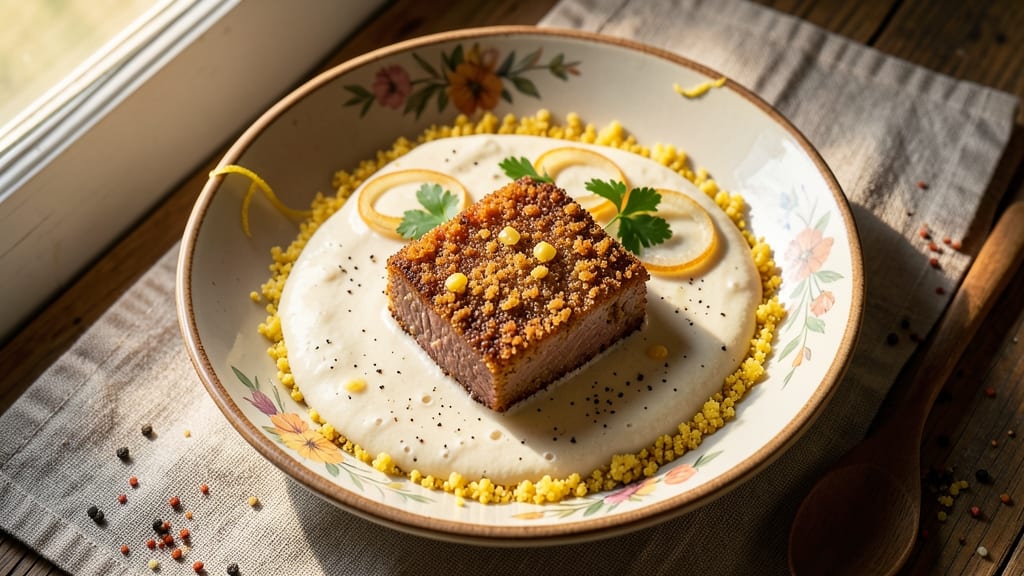
Alton Brown's chicken fried steak recipe delivers comfort food perfection with a crispy, golden crust and velvety pan gravy that transforms simple beef into a restaurant-worthy centerpiece.
The velveting technique ensures tender meat that stays juicy even after frying, while the buttery gravy ties every bite together with rich, creamy flavor. This isn't your grandmother's version—it's a refined take that balances crispy texture with melt-in-your-mouth tenderness.
What sets this recipe apart is the attention to detail that elevates home cooking to professional standards. We'll start with beef tenderloin cubes that get marinated in buttermilk and spices, then breaded to create that signature crispy exterior.
The frying process is critical—achieving the perfect internal temperature while maintaining that golden crust requires precision, but the results are worth every minute of focus. The gravy, made directly from the pan drippings, is where the magic happens, turning simple ingredients into something truly special.
By the time you serve this dish, you'll have a plate that looks and tastes like it belongs on a Southern dinner table. The crispy, breaded steak contrasts beautifully with the smooth, velvety gravy, creating a harmony of textures and flavors.
This recipe isn't just about the main course—it's about the complete experience, from the sizzle of the frying pan to the first forkful of that buttery gravy clinging to perfectly cooked beef.
Serve with classic sides like creamy mashed potatoes and buttery green beans to complete the meal. The gravy will stretch across the plate, connecting every element into one cohesive, comforting dish that's perfect for family dinners or special occasions.
Let's get started on creating this Southern classic in your own kitchen.
Ingredients for alton brown chicken fried steak
Buttermilk-marinated beef cubes, crispy panko crust, and velvety butter gravy—this is comfort food at its finest.
| Ingredient | Amount | Notes |
|---|---|---|
| Beef Tenderloin 🥩 | 1 ½ lb | Cut into 1-inch cubes |
| All-Purpose Flour 🌾 | 2 cups | For dredging and gravy |
| Buttermilk 🥛 | 1 ½ cups | Full-fat for velveting |
| Large Eggs 🥚 | 2 whole | Beaten for egg wash |
| Panko Breadcrumbs 🍞 | 2 cups | For extra crispy coating |
| Unsalted Butter 🧈 | ½ cup | For frying and gravy |
| Vegetable Oil 🫒 | 2 cups | For deep frying |
| Garlic Cloves 🧄 | 4 cloves | Minced for seasoning |
| Dried Thyme 🌿 | 1 tbsp | Or 1 tsp fresh thyme |
| Ground Black Pepper 🌶️ | 1 tsp | Freshly ground preferred |
| Diamond Crystal Kosher Salt 🧂 | 1 ½ tsp | For seasoning and gravy |
| All-Purpose Flour 🌾 | ½ cup | Extra for gravy thickening |
| Whole Milk 🥛 | ½ cup | For gravy richness |
| Beef Broth 🍲 | ½ cup | Low-sodium preferred |
The beef tenderloin is key here—it stays tender while frying. Look for well-marbled cuts at your butcher or grocery store's meat counter. I grab mine from Whole Foods when I want extra quality, but the regular supermarket stuff works too. Cutting the beef into even 1-inch cubes ensures they cook through without overcrowding the pan. If you're feeling fancy, marinate overnight—the buttermilk will work its magic for extra tenderness. For the buttermilk, full-fat is non-negotiable—it's what gives that signature velvet texture. Grab the Land O'Lakes brand if you're unsure what to pick up.
No buttermilk? Substitute with plain yogurt thinned with milk—it works in a pinch. Running short on panko? Regular breadcrumbs work too, but they won't be as crispy. The gravy is where the magic happens—don't skip the pan drippings. If you're nervous about frying, use an oven-safe skillet and finish in the broiler for even cooking. For extra flavor, toast the breadcrumbs with a pinch of salt before coating. And if you've got Trader Joe's nearby, their panko is my go-to—it's lighter than most brands.
This dish reheats beautifully—just pop it in the oven at 350°F for 10 minutes to revive the crispiness. Store leftovers in the fridge for 3-4 days, covered with foil to keep the crust intact. The gravy can be reheated separately and will thicken up nicely. For meal prep, I like to portion the steaks and gravy into separate containers—reheat them together for that fresh-out-of-the-pan experience. Freeze for up to 3 months if you're planning ahead, but the gravy might need a splash of milk to loosen it up when reheating.
Why You'll Love This Recipe
- No Pounding Needed: The tenderloin slices are so thin and buttery—they don’t need tenderizing. Just dip, coat, and fry. Honestly, I’ve made this with my hands tied behind my back (okay, maybe not), but it’s that foolproof.
- Crispy-Creamy Magic: That buttermilk egg wash? Chef’s kiss. The panko gives you a shatteringly crisp crust while the inside stays juicy—like a hug from your grandma, but better. (Yes, even on a Tuesday night.)
- Leftovers That Don’t Suck: Fry up a double batch and reheat in the oven with a splash of milk—it’s like time travel. My kids beg for these the next day, and I’ve never heard that about any leftover dish.
- Sunday Dinner in 30: Feed a crowd without stress. The prep is simple: slice, soak, coat. Between us, this is my go-to for game days or when Aunt Karen shows up unannounced. No one leaves hungry.
Step-by-step instructions for alton brown's chicken fried steak
Here's how to make restaurant-quality chicken fried steak with crispy breading and velvety gravy.
Velvet the Beef Tenderloin in Buttermilk
Cut the 1.5 lb beef tenderloin into 1-inch cubes. In a large bowl, whisk together the 1.5 cups buttermilk, 1.5 tsp diamond crystal kosher salt, and 1 tsp ground black pepper. Add the beef cubes and turn to coat completely. Cover and refrigerate for at least 4 hours, but preferably overnight. This buttermilk marinade tenderizes the meat and creates that perfect moist interior.
The longer you let it sit, the more tender the steak will be. I've found that 6 hours minimum makes a noticeable difference in texture. Don't skip this step—it's what separates good chicken fried steak from great. When you're ready to cook, the beef should have absorbed some of the buttermilk and look slightly opaque on the surface.
Create the Breading Station
Set up three shallow bowls. In the first, place the 2 cups all-purpose flour mixed with 1 tbsp dried thyme. In the second bowl, crack the 2 whole large eggs and whisk them lightly with a fork. For the third bowl, use the 2 cups panko breadcrumbs. This three-step breading process creates an extra-crispy coating that stays intact when frying.
Work with one piece of beef at a time to avoid overcrowding. Start by dredging each piece in the flour mixture, shaking off any excess. Then dip in the egg wash, letting any excess drip off. Finally, press each piece into the panko breadcrumbs, coating it completely. The panko will stick better if you use your hands rather than a spoon for pressing.
Fry to Golden Perfection
Heat the 2 cups vegetable oil in a large skillet over medium heat until it reaches 350°F. Carefully add the breaded beef pieces, being careful not to splash the hot oil. Fry for 3-4 minutes per side until golden brown and the internal temperature reaches 165°F. You'll know they're ready when the breading is deep golden and crispy, not just pale yellow.
Don't overcrowd the pan or the temperature will drop and your steaks won't get crispy. I like to work in batches if needed, maintaining that 350°F temperature. As you fry, place the cooked steaks on a wire rack set over a baking sheet to drain excess oil. This keeps them crispy rather than soggy. Keep them warm in a 200°F oven while you make the gravy.
Make the Signature Pan Gravy
Reduce the heat to medium-low and add the 0.5 cup unsalted butter to the same skillet. Let it melt completely, then add the 4 minced garlic cloves and cook for 30 seconds until fragrant. Immediately pour in the 0.5 cup beef broth, scraping up all the browned bits from the bottom of the pan with a wooden spoon.
In a small bowl, whisk together the 0.5 cup whole milk and 0.5 cup all-purpose flour. Slowly whisk this mixture into the skillet, stirring constantly. Cook for 2-3 minutes until the gravy thickens enough to coat the back of a spoon. Season with additional salt and pepper if needed. The gravy should be velvety smooth with just a hint of thickness—like a light cream sauce.
Serve with Gravy and Mashed Potatoes
Return the fried steaks to the skillet with the gravy and spoon the sauce over them, letting it coat each piece completely. Serve immediately with the buttery pan gravy spooned over the top. For the full experience, pair with classic mashed potatoes—each bite should deliver that perfect combination of crispy breading, tender beef, and rich gravy.
This dish tastes even better the next day when the flavors have had time to meld. The gravy will thicken slightly as it cools, so if it seems too thick when reheating, just add a splash of milk to loosen it. The secret to great chicken fried steak lies in that crispy coating and velvety gravy—both of which we've just created together.
Pro Tips For Making Alton Brown Chicken Fried Steak
- Pound to ½ Inch: DESCRIPTION:
- Buttermilk Must Sit: DESCRIPTION:
- Double-Crust the Panko: DESCRIPTION:
- Fry in Batches: DESCRIPTION:
Essential equipment for this recipe
Deep Fryer Essentials
For perfect chicken fried steak, a deep fryer with temperature control is ideal. I recommend the Ninja Foodi Deep Fryer—it maintains 350°F consistently and has a built-in thermometer.
If you prefer a stovetop approach, use a heavy-duty cast iron skillet like Lodge 10.25-inch—it retains heat better than stainless steel. Never skip the thermometer; a Thermoworks Smoke probe ensures accuracy. 🌡️
Breading Station Setup
Three shallow bowls are non-negotiable for the breading process. Use glass or ceramic bowls—they don’t absorb moisture like plastic. I like Pyrex mixing bowls (8-inch size) for the flour and egg wash, and a wide, flat dish for the panko.
Keep a slotted spoon nearby to drain excess oil from fried steaks. A wire cooling rack placed over a baking sheet keeps breading crispy while draining.
Gravy-Making Tools
The wooden spoon is your best friend for scraping pan drippings. I use a long-handled silicone spatula to stir the roux without splattering. For whisking the milk-flour mixture, a balloon whisk creates smooth, lump-free gravy.
A fine-mesh strainer removes any accidental breadcrumb bits if needed. Keep a small bowl nearby to whisk the flour-milk slurry before adding to the pan.
Temperature Control
An infrared thermometer (like Kizen) reads oil temperature instantly—no more guesswork. For stovetop frying, maintain medium heat and adjust as needed. If the oil smokes, it’s too hot; if it’s sluggish, it’s too cool.
A kitchen timer ensures 3-4 minutes per side without overcooking. For gravy, a small saucepan on medium-low prevents burning while thickening.
Optional Upgrades
Add garlic powder (½ tsp) to the flour for extra flavor. A silicone brush helps coat steaks evenly with egg wash. For reheating, a toaster oven at 375°F revives crispiness better than a microwave. Store leftovers in airtight containers with foil over the top to preserve the crust. 💡
Nutrition facts
Frequently asked questions
Can I use a different cut of beef instead of tenderloin?
For best results, stick with beef tenderloin as it stays tender when fried. However, you can substitute with top sirloin or ribeye if tenderloin isn't available. Cut these into 1-inch cubes and increase marinating time to 6-8 hours for optimal tenderness. Avoid tougher cuts like flank steak—they won't velvet properly in the buttermilk.
Why is my gravy too thin or too thick?
Gravy thickness depends on cooking time and ratios. For thinner gravy, add 1-2 tablespoons of milk while stirring. For thicker gravy, cook the roux 30 seconds longer on medium heat. The key is patience—rush the roux and it'll clump. Always whisk constantly to prevent lumps, and remember the gravy will thicken as it cools.
Can I make this ahead of time?
Assemble the breaded steaks (uncooked) up to 24 hours ahead and refrigerate. Cook fresh for best texture, but you can fry them 4 hours ahead and reheat in a 350°F oven for 10 minutes with foil over the top. The gravy reheats well too—just add a splash of milk if it thickens. Store components separately in airtight containers.
What's the best way to keep the breading crispy?
Use a wire rack over a baking sheet after frying to drain excess oil. Keep fried steaks warm in a 200°F oven while making gravy. For serving, place them on the rack again—this prevents soggy bottoms. If reheating, broil for 2-3 minutes to restore crispiness, or cover with foil and reheat in the oven.
How do I adjust this for a larger group?
Double all ingredients and use a larger skillet or deep fryer (like a 12-inch cast iron). Fry in batches to maintain 350°F oil temperature. For gravy, make it in batches—keep the first batch warm while making the second. Use a slow cooker on warm to keep cooked steaks at 165°F while finishing the rest. Plan for 1.5 hours total cooking time for 8 servings.