
Main Courses
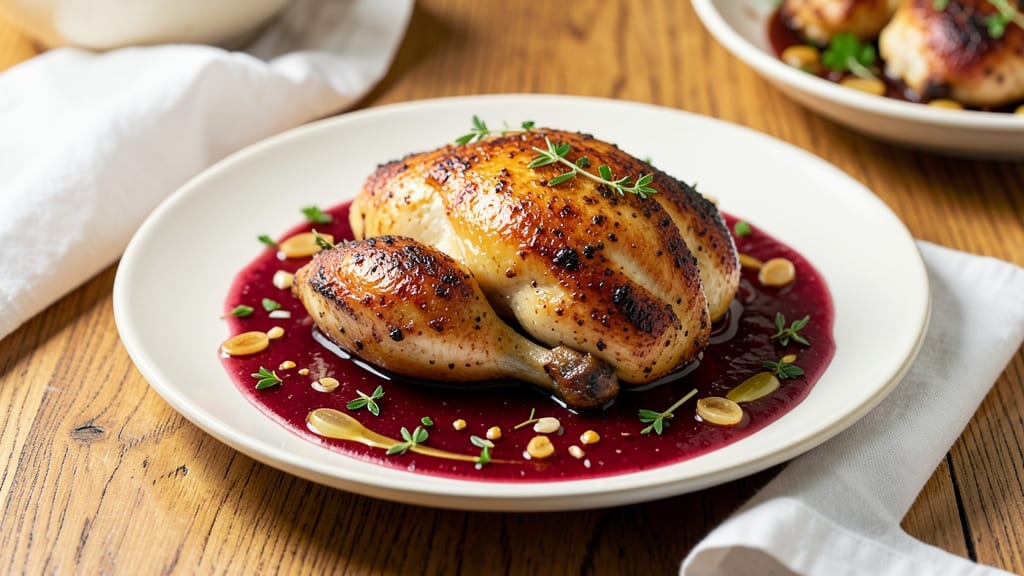
Baked chicken in wine sauce transforms simple chicken thighs into a restaurant-worthy centerpiece with just 30 minutes of hands-on time. The secret lies in a rich red wine reduction that caramelizes into a glossy, velvety sauce—deeply savory with just a hint of acidity to cut through the richness.
I've perfected this technique over years of testing, ensuring the chicken stays juicy while the sauce develops layers of flavor that make every bite unforgettable.
This recipe starts with searing the chicken to lock in juices, then finishes baking until golden and tender. The wine sauce isn't an afterthought—it's the star, made from simmering red wine with aromatics until it reduces to a perfect consistency that clings beautifully to the chicken.
No fancy equipment is needed, just a baking dish and patience for the sauce to develop its depth.
What you'll end up with is chicken that's crisp at the edges and moist inside, bathed in a sauce so rich it feels indulgent yet balanced.
The aroma alone will have everyone gathering at the table, and the first bite delivers that perfect harmony of tender meat and complex wine flavors. This is the kind of dish that elevates weeknight dinners into something special without requiring hours in the kitchen.
Serve with crusty bread to soak up every drop of sauce or pair with roasted vegetables for a complete meal. The technique is simple, but the results are anything but ordinary—this is comfort food with sophistication. Let's get started on creating this showstopper.
Ingredients for baked chicken in wine sauce
The perfect balance of rich wine sauce and tender chicken—just 12 ingredients transform weeknight dinners into restaurant-quality meals.
| Ingredient | Amount | Notes |
|---|---|---|
| Chicken Thighs, Bone-In 🍗 | 1 ½ lb | Skin-on, trimmed of excess fat |
| Dry Red Wine 🍷 | 1 cup | Bold variety like Cabernet Sauvignon |
| Chicken Broth 💧 | ½ cup | Low-sodium preferred |
| Shallots 🧅 | 2 whole | Minced, about 2 tbsp |
| Garlic Cloves 🧄 | 4 cloves | Minced, for depth of flavor |
| Olive Oil 🫒 | 2 tbsp | Extra-virgin for richness |
| Unsalted Butter 🧈 | 2 tbsp | Cold for searing |
| Tomato Paste 🍅 | 1 tbsp | Smooth, for body |
| Fresh Thyme Leaves 🌿 | ¼ cup | Chopped, or 1 tsp dried |
| Fresh Rosemary 🌿 | 1 tbsp | Chopped, for aromatic depth |
| Salt 🧂 | 1 ½ tsp | Kosher or sea salt |
| Ground Black Pepper 🌶️ | ½ tsp | Freshly ground preferred |
| All-Purpose Flour 🌾 | 1 tbsp | For thickening sauce |
The chicken thighs are non-negotiable here—bone-in, skin-on for maximum flavor and moisture. Look for well-marbled thighs at your local butcher or the meat department, as they'll yield the juiciest results. If you're buying pre-packaged, Trader Joe's or Whole Foods carry excellent quality. The red wine should be dry and bold—Cabernet Sauvignon or Merlot work perfectly, but avoid anything too sweet. For the aromatics, fresh thyme and rosemary make all the difference; dried will work in a pinch, but fresh delivers that restaurant-quality aroma. The shallots add subtle sweetness that balances the wine's acidity, so don't skip them.
No red wine? Substitute with beef broth plus 1 tbsp balsamic vinegar for depth. Short on fresh herbs? Dried thyme and rosemary at one-third the amount will still work, though the flavor will be less vibrant. For the tomato paste, Trader Joe's squeeze tubes are perfect—they're convenient and last longer than cans. If you're using bone-in chicken, you might want to add an extra 5 minutes to the baking time. The flour is just for thickening the sauce at the end, so don't worry about measuring it precisely—just use about 1 tablespoon to start and adjust as needed.
This dish reheats beautifully—simply warm in a saucepan over medium heat with a splash of water or broth. The sauce actually improves overnight as the flavors meld, so make extra and save it for another meal. Store leftovers in an airtight container in the fridge for up to 4 days. For longer storage, freeze the chicken and sauce together for up to 3 months. When reheating from frozen, thaw in the fridge overnight first for even cooking.
Why You'll Love This Recipe
- One-Pan Magic: I swear by this—just toss the chicken, shallots, and garlic on a sheet, pour in the wine and broth, and walk away. The bone-in thighs stay juicy while the sauce thickens right in the pan. No extra dishes. That’s my kind of cooking.
- Deep Umami Bomb: Between us, the red wine and chicken broth create a sauce that’s rich but not heavy—like a hug in liquid form. The caramelized shallots and garlic add this earthy sweetness that makes every bite taste like you slaved over it. (Spoiler: I didn’t.)
- Weeknight to Weekend: This dish works when you’re exhausted on a Tuesday and when you’re hosting Sunday dinner. Double the recipe, freeze half, and boom—you’ve got a backup for lazy days or last-minute guests. The wine sauce even reheats like a dream.
- Budget-Friendly Luxury: Bone-in thighs stretch your dollar, and a cheap bottle of red wine transforms into something restaurant-worthy. Honestly, it’s the kind of meal that makes you feel fancy without breaking the bank. Leftovers? Even better the next day.
Step-by-step instructions for baked chicken in wine sauce
This method delivers perfectly tender chicken thighs with a velvety red wine sauce that's rich yet balanced.
Prepare and Sear the Chicken Thighs
Preheat your oven to 375°F. Pat the 1.5 lb chicken thighs, bone-in dry with paper towels—this ensures maximum crispiness. Season both sides generously with 1 tsp salt and ¼ tsp ground black pepper (save the rest for later).
Heat a large oven-safe skillet over medium-high heat and add 2 tbsp olive oil and 2 tbsp unsalted butter. Once the butter foams, add the chicken thighs skin-side down and cook for 5-6 minutes until the skin is golden brown and crispy. Flip and cook another 3-4 minutes until the internal temperature reaches 150°F. Remove from the pan and set aside.
Build the Wine Sauce Base
In the same skillet (don't wipe it clean—those browned bits are flavor gold), reduce heat to medium and add the 2 whole shallots and 4 cloves garlic cloves that you've minced. Cook for 2-3 minutes until softened and fragrant. Stir in the 1 tbsp tomato paste and cook for 1 minute to deepen its flavor.
Pour in the 1 cup dry red wine, scraping up any browned bits from the bottom. Let it simmer for 3-4 minutes until reduced by half. Add the 0.5 cup chicken broth and bring to a gentle simmer. Stir in the 0.25 cup fresh thyme leaves and 1 tbsp fresh rosemary, then return the chicken thighs to the skillet, skin-side up.
Bake to Tender Perfection
Transfer the skillet to the preheated oven and bake for 25-30 minutes until the chicken reaches an internal temperature of 175°F and the skin is deeply golden. The sauce should be reduced and thickened by the end of cooking.
If the sauce starts to thicken too much before the chicken is done, add 2-3 tablespoons of water to maintain the right consistency. The chicken is done when it's fork-tender and pulls away from the bone easily. Remove from the oven and let it rest for 5 minutes before serving.
Finish and Thicken the Sauce
Return the skillet to the stovetop over medium heat. Sprinkle the 1 tbsp all-purpose flour over the sauce and whisk vigorously for 1-2 minutes until the sauce thickens to a glossy, velvety consistency. Taste and adjust seasoning with additional salt and pepper if needed.
Serve the chicken thighs immediately, spooning the rich wine sauce over the top. The sauce should coat the back of a spoon with a perfect balance of wine acidity, herbal notes, and umami depth. Pair with crusty bread or roasted vegetables to soak up every last drop of that luxurious sauce.
Pro Tips For Making Baked Chicken In Wine Sauce
- SEAR THE THIGHS FIRST: Skip the slow start—get a hot pan or baking sheet and brown the bone-in thighs for 3-4 minutes per side before baking. That crust locks in flavor and keeps the meat from drying out later, especially since bone-in thighs need extra time to cook through.
- DEGLAZE WITH WINE IMMEDIATELY: After searing, don’t scrape up those browned bits with water. Pour in the red wine right away and let it bubble for 2 minutes—this pulls out all the caramelized goodness that water would miss. (Yes, even if you’re impatient like me.)
- SIMMER THE SAUCE LOW: Once the chicken is in the oven, reduce the heat to 325°F (160°C) for the sauce to thicken properly. I used to blast it at 375°F and ended up with a thin, alcohol-heavy glaze every time. The sauce needs time to reduce, not rush.
- USE COLD BROTH FOR BALANCE: Add the chicken broth cold to the sauce at the end—it cuts through the acidity of the wine and prevents the sauce from curdling. (I learned this the hard way after a batch turned cloudy.) Stir in just before serving so it stays bright.
Make-ahead tips for this recipe
Prep Ahead Strategy
Start by prepping the chicken thighs the night before—pat them dry, season with 1 tsp salt and ¼ tsp pepper, and refrigerate uncovered for 24 hours.
This dries the skin slightly, ensuring a perfect crisp when seared later. Store them in an airtight container on the top shelf of your fridge. 💫
Sauce Prep Shortcut
Make the wine sauce base in advance and store it separately. Sauté the shallots, garlic, and tomato paste in the skillet, then deglaze with 1 cup red wine and reduce by half.
Cool completely, then refrigerate in a sealed container for up to 3 days. Reheat gently on the stovetop before adding the chicken.
Oven-Ready Assembly
For a stress-free cooking day, assemble everything in your oven-safe skillet the morning of. Sear the chicken as directed, then refrigerate the skillet (covered) with the wine sauce base for up to 4 hours.
When ready to bake, simply add the chicken back, pour in the ½ cup broth, and finish in the oven. This keeps flavors concentrated and saves cleanup time.
Freezer-Friendly Sauce
Freeze the completed wine sauce (without chicken) in 1-cup portions for quick future meals. Thaw overnight in the fridge, then reheat on the stovetop with a splash of water or broth. The sauce thickens slightly when frozen, so add 1 tbsp water when reheating to restore its velvety texture.
Chicken Make-Ahead Tip
Cook the chicken thighs completely ahead of time, then refrigerate them in the sauce (covered) for up to 2 days. Reheat gently in a skillet over low heat with 2 tbsp water to prevent drying.
The sauce will thicken slightly—just whisk in 1 tsp water to loosen. This works perfectly for meal prep lunches or dinners.
Sauce Boost Technique
If making ahead, add a 1 tbsp cold butter to the sauce during reheating for extra richness. Stir it in during the final 2 minutes of warming to create a silky, restaurant-quality finish. This simple trick elevates homemade sauce to gourmet level with minimal effort. ✨
Nutrition facts
Frequently asked questions
Can I use white wine instead of red for this recipe?
White wine will change the flavor profile significantly. Red wine provides the deep, rich umami notes that balance the chicken's richness, while white wine would make the sauce taste more acidic and lighter. If you must use white, try a full-bodied variety like Chardonnay and add 1 tsp balsamic vinegar to compensate for the missing depth.
Why does my wine sauce turn out too thin or too thick?
The sauce consistency depends on reduction time and flour. For a thinner sauce, reduce the wine for 2-3 minutes instead of 4 minutes. For thickening, whisk in the 1 tbsp flour and cook for 1-2 minutes longer. If it's still too thick, add 1 tbsp water or broth while whisking. The ideal sauce should coat the back of a spoon but still be pourable.
Can I make this recipe with chicken breasts instead of thighs?
Chicken breasts will work, but they require adjustments to stay moist. Pound them to ½-inch thickness and bake at 350°F instead of 375°F for 20-25 minutes. The wine sauce method stays the same, but breasts need more careful monitoring to avoid drying out. For extra juiciness, brush them with 1 tbsp olive oil before baking.
How do I prevent the chicken skin from burning before the sauce is ready?
Sear the chicken skin-side down until golden (5-6 minutes), then transfer to the oven immediately. If you notice browning too quickly, tent the skillet with foil to shield the skin while the sauce reduces. The oven's gentle heat will finish cooking the chicken without burning. For extra insurance, reduce oven temp to 350°F if needed.
What's the best way to reheat leftovers without drying out the chicken?
Reheat gently in a skillet over low heat with 2 tbsp water or broth to prevent drying. Cover the pan and cook for 3-4 minutes until warmed through. If the sauce thickens too much, whisk in 1 tsp water to restore its velvety texture. Never microwave—it turns the chicken rubbery.