
Main Courses
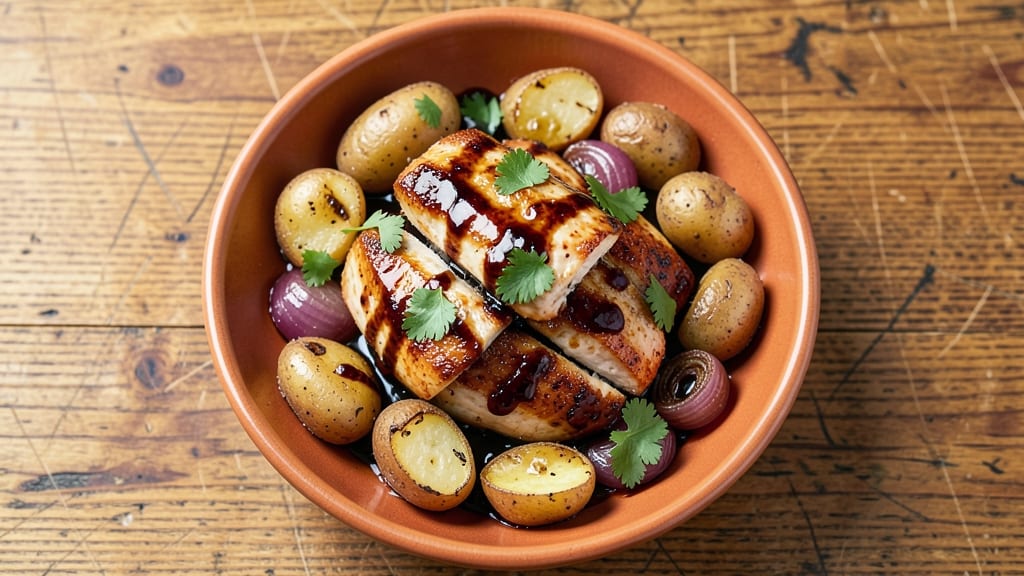
Recreating Trader Joe's balsamic chicken at home delivers that signature tangy-sweet glaze in just 30 minutes, with a method that's simpler than you'd think. The secret lies in balancing balsamic vinegar with brown sugar and Dijon mustard—no fancy ingredients, just bold flavor that caramelizes beautifully.
I've perfected this version after years of testing, ensuring the chicken stays juicy while the glaze develops that signature glossy finish.
The process starts with a quick marinade that tenderizes the chicken while building flavor, followed by a roasting technique that locks in moisture. What sets this apart is the glaze reduction—simmering balsamic vinegar, sugar, and mustard until it thickens into a sticky, caramelized sauce that clings perfectly to the chicken.
This isn't just a copycat recipe; it's a refined version that maintains Trader Joe's signature tang while adding depth through slow reduction.
By the time you're done, you'll have golden-brown chicken with a glaze that's both glossy and deeply flavorful—tangy from the balsamic, sweet from the caramelized sugar, and brightened by the mustard.
The texture is ideal: crisp edges on the chicken, tender meat inside, and a sauce that's rich enough to drizzle over everything. It's the kind of dish that elevates a simple weeknight dinner into something restaurant-worthy.
Serve with roasted potatoes or a fresh salad to balance the richness, or use the extra glaze as a marinade for vegetables. The method scales easily, so whether you're cooking for two or a crowd, this recipe delivers consistent results. Let's get started with the full instructions.
Ingredients for trader joe's balsamic chicken
Fourteen simple ingredients transform into restaurant-quality balsamic chicken with a glossy glaze.
| Ingredient | Amount | Notes |
|---|---|---|
| Boneless, Skinless Chicken Thighs 🍗 | 1 ½ lb | Cut into 1-inch pieces |
| Balsamic Vinegar 🍷 | ½ cup | High-quality aged balsamic |
| Light Brown Sugar 🍚 | ¼ cup | Packed firmly |
| Dijon Mustard 🥫 | 2 tbsp | Mild or strong variety |
| Olive Oil 🫒 | 2 tbsp | Extra-virgin preferred |
| Garlic Cloves 🧄 | 3 cloves | Minced finely |
| Fresh Rosemary 🌿 | 1 tbsp | Chopped finely |
| Salt 🧂 | 1 ½ tsp | Kosher or sea salt |
| Black Pepper 🌶️ | ½ tsp | Freshly ground |
| Honey 🍯 | 1 tbsp | Pure, liquid honey |
| Fresh Lemon Juice 🍋 | 1 tbsp | From 1 small lemon |
| Water 💧 | ¼ cup | Room temperature |
The chicken thighs are key—bone-in, skin-on delivers the best flavor and texture, but boneless works in a pinch. Trader Joe's sells pre-cut thighs, or grab them from the meat counter at Whole Foods for optimal quality. Look for thighs with a vibrant pink color and good marbling. If using chicken breasts, pound them to an even thickness to ensure consistent cooking. For the balsamic vinegar, aged varieties (like Barolo or Tuscany) add depth—Trader Joe's carries a great option at a reasonable price. The Dijon mustard should be smooth, not grainy, for a silky glaze texture. Fresh rosemary and garlic are non-negotiable here—they're the aromatic backbone of the dish, so don't substitute with dried unless absolutely necessary.
No aged balsamic? Red wine vinegar with 1 tbsp extra sugar mimics the depth. Short on rosemary? 1 tsp dried rosemary works at half the amount, but fresh is ideal. The honey can be swapped for maple syrup if you prefer a different sweetness profile. For a deeper flavor, add 1 tsp soy sauce to the marinade. If you're using chicken breasts, marinate for 30-45 minutes instead of 15 to prevent dryness. The glaze reduction is where the magic happens—simmer uncovered to prevent splattering, and stir frequently to avoid burning. If the glaze thickens too quickly, add 1 tbsp water to loosen it. For extra richness, stir in 1 tbsp butter at the end.
Store any leftover chicken in the fridge for up to 4 days, though it's best enjoyed fresh. The glaze can be reheated in the microwave for 15-20 seconds until warm, or simmered on the stove for a smoother consistency. For meal prep, portion the chicken and glaze separately—reheat the chicken first, then drizzle with warmed glaze. The glaze also freezes beautifully for up to 3 months; thaw in the fridge and reheat gently. This dish reheats best at 350°F (175°C) for 10-15 minutes to maintain moisture. The glaze can be made ahead and stored in the fridge for up to 1 week, making it a great make-ahead option for busy weeknights.
Why You'll Love This Recipe
- One-Pan Magic: I swear by this recipe—just toss the chicken thighs in a sheet pan, drizzle that sticky-sweet balsamic glaze, and let the oven do the work. No chopping, no fuss, and honestly? The cleanup is just rinsing one pan.
- Sweet-Savory Balance: That brown sugar and Dijon mustard combo? It’s what makes this dish ridiculously good. The glaze caramelizes into something almost candy-like, but the vinegar keeps it sharp—like a grown-up version of ketchup, but way better.
- Meal Prep MVP: Between us, this is my go-to for busy weeks. Cook a big batch on Sunday, and those thighs stay juicy for days. I pack them for lunches, toss them in salads, or even reheat them straight from the fridge—still tastes like it just came out of the oven.
- Budget-Friendly Luxury: Chicken thighs are cheaper than breasts, and the pantry staples (vinegar, sugar, mustard) mean you’re not blowing cash. Plus, the glaze stretches thin, so you get way more servings than you’d think—my family approved, and so will yours.
Step-by-step instructions for glossy balsamic chicken
This method delivers restaurant-quality caramelized balsamic glaze in just 30 minutes.
Prepare the Chicken and Glaze Base
Cut the 1.5 lb boneless, skinless chicken thighs into 1-inch pieces. In a small bowl, whisk together the 0.5 cup balsamic vinegar, 0.25 cup light brown sugar (packed firmly), 2 tbsp Dijon mustard, 2 tbsp olive oil, 1 tbsp honey, and 1 tbsp fresh lemon juice. This creates the flavorful foundation that will caramelize beautifully.
Season the chicken pieces with 1.5 tsp salt and 0.5 tsp black pepper, then toss them in the balsamic mixture until fully coated. Let the marinated chicken sit at room temperature for 10 minutes while you prepare the aromatics. This brief marinade ensures the chicken absorbs the glaze's flavors before cooking.
Sear the Chicken for Maximum Flavor
Heat a large skillet over medium-high heat until hot. Add the chicken pieces in a single layer, leaving space between them to prevent steaming. Cook undisturbed for 3-4 minutes until the chicken develops golden-brown sear marks on all sides. You'll know it's ready when it releases easily from the pan.
Remove the chicken from the skillet and set it aside on a plate. In the same skillet, add the 3 minced garlic cloves and 1 tbsp finely chopped fresh rosemary. Sauté for 30 seconds until fragrant—this step builds deep flavor into the glaze. Pour in the 0.25 cup water and scrape up any browned bits from the bottom of the pan with a wooden spoon.
Simmer and Caramelize the Glaze
Return the seared chicken to the skillet and reduce the heat to medium-low. Pour the balsamic mixture over the chicken, ensuring every piece is coated. Bring the mixture to a gentle simmer, then cover the skillet and cook for 15 minutes, stirring occasionally. This allows the chicken to cook through while the glaze begins to thicken.
After 15 minutes, uncover the skillet and increase the heat to medium. Let the glaze reduce for 5-7 minutes, stirring frequently, until it becomes syrupy and glossy. You're looking for a thick, caramelized consistency that coats the back of a spoon. The chicken should be cooked through with an internal temperature of 165°F when checked with a meat thermometer.
Rest and Serve
Transfer the chicken and glaze to a serving dish. Let it rest for 5 minutes before serving—this allows the juices to redistribute, ensuring each bite is tender and flavorful. The glaze should be thick enough to coat the chicken pieces beautifully, with a deep caramelized color.
Serve immediately over rice, quinoa, or crusty bread to soak up the rich balsamic sauce. The combination of sweet, tangy, and savory flavors makes this dish perfect for weeknight dinners or special occasions. The glossy finish comes from the caramelized balsamic glaze that forms during the final reduction.
Pro Tips For Making Trader Joe'S Balsamic Chicken
- Brown the Sugar First: Toss that light brown sugar with the chicken before adding liquid—it’ll caramelize into a sticky glaze instead of dissolving into the sauce. I used to skip this, and the dish always tasted flat until I tried it.
- Use Thick Balsamic: Swap the cheap stuff for a reduced balsamic glaze (or simmer regular balsamic until syrupy). The sweet-tangy depth cuts through the mustard and sugar better—Trader Joe’s version relies on this for its signature richness.
- Don’t Overcrowd the Pan: Cook the thighs in a single layer with space between them, or they’ll steam instead of sear. I learned this the hard way—crowding turned my crispy edges into soggy disappointment.
- Deglaze with Mustard: After browning the chicken, splash in Dijon first before adding vinegar or sugar. The mustard emulsifies the pan drippings into a glossy sauce instantly—no scraping required. (Yes, even if you’re impatient like me.)
Troubleshooting great trader joe's balsamic chicken
Glaze Too Thin?
If your balsamic glaze isn't thickening enough, reduce the heat slightly and let it simmer uncovered for an extra 3-5 minutes. Stir frequently to prevent burning—this helps evaporate excess moisture.
For a quicker fix, whisk in 1 tsp cornstarch mixed with 1 tbsp water and simmer for 1 minute until thickened. I’ve found that using a nonstick skillet (like All-Clad) helps prevent sticking, which can also make the glaze appear thinner than it is.
Chicken Overcooked?
Boneless chicken thighs cook faster than bone-in—watch closely after 12 minutes of simmering. Use a meat thermometer to check for 165°F internal temperature. If it’s overcooked, shred the chicken slightly and return it to the pan with extra glaze to reabsorb moisture.
For next time, reduce the simmering time to 10 minutes and check earlier. I’ve ruined a batch by ignoring the thermometer—don’t make my mistake!
Glaze Too Tart?
The balsamic vinegar’s acidity can overpower if not balanced. Add 1 tsp honey or ½ tsp maple syrup to sweeten the glaze while it reduces. For depth, stir in 1 tsp soy sauce or a pinch of smoked paprika to mellow the tang.
If the glaze is still too sharp, drizzle with a little olive oil before serving to soften the flavors. This trick works like magic for balancing acidity.
Pan Burns On?
Balsamic vinegar and sugar caramelize quickly—keep the heat at medium-low during reduction. If the glaze starts to burn, immediately add 1 tbsp water and stir to loosen it. A heavy-bottomed skillet (like Le Creuset) distributes heat evenly, reducing burn risk.
I’ve learned to keep a splash of water nearby when making this recipe, just in case!
Glaze Too Thick?
If the glaze becomes too sticky, thin it with 1 tbsp water or chicken broth while simmering. Stir constantly until it reaches the desired consistency. For extra richness, whisk in 1 tbsp butter at the end.
The glaze should coat the chicken smoothly but not drip excessively. If it’s still too thick, reheat it gently with a splash of water later.
Chicken Dry?
Overcrowding the pan steams the chicken instead of searing it, leading to dryness. Cook in batches if needed, and avoid covering the pan during the initial sear. For extra moisture, add 2 tbsp chicken broth to the glaze during simmering.
I’ve found that skin-on chicken thighs stay juicier—the skin acts as a natural barrier against dryness.
Nutrition facts
Frequently asked questions
Can I use chicken breasts instead of thighs?
Yes, but boneless, skinless breasts require extra care. Pound them to ½-inch thickness for even cooking, and marinate for 30-45 minutes instead of 10. Cook at medium heat for 4-5 minutes per side—overcooking makes them dry. For juicier results, add 2 tbsp chicken broth to the glaze during simmering.
How do I make this recipe in a slow cooker?
Transfer the marinated chicken and glaze ingredients to a 3-4 quart slow cooker. Cook on low for 2-2.5 hours or high for 1-1.5 hours, stirring once halfway. The glaze will thicken naturally from the slow cooking. For extra shine, finish by simmering the chicken and glaze in a skillet for 5 minutes before serving.
What's the best way to store leftovers?
Store chicken and glaze separately in airtight containers for up to 4 days. Reheat chicken in a skillet with a splash of water or glaze, or microwave for 1-2 minutes. Reheat the glaze alone in a saucepan over low heat, stirring until smooth. For longer storage, freeze the glaze separately for up to 3 months—thaw and reheat gently.
Can I bake this instead of pan-searing?
Toss marinated chicken with 1 tbsp olive oil and bake at 400°F (200°C) for 20-25 minutes on a lined sheet pan. Brush with reserved glaze halfway through. For extra caramelization, broil for 2-3 minutes at the end. The oven method works well for larger batches and is hands-off.
What sides pair best with this dish?
Roasted potatoes or sweet potatoes soak up the glaze beautifully. For freshness, try a mixed greens salad with lemon vinaigrette or grilled asparagus. Crusty baguette or polenta adds texture. The tangy-sweet glaze also works well with couscous or quinoa for a lighter meal.