
Main Courses
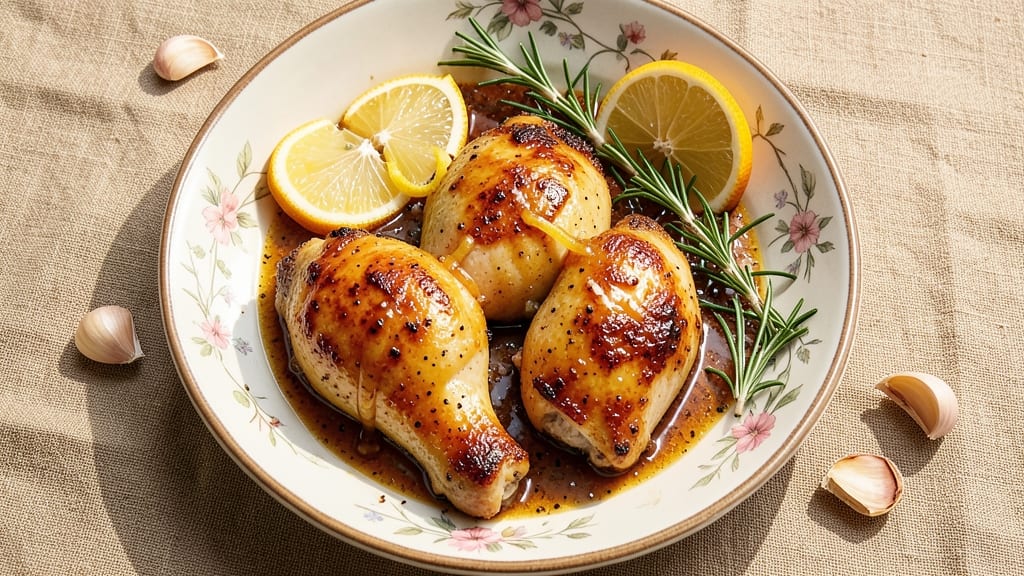
This baked honey lemon chicken recipe delivers restaurant-quality results with a perfect balance of sweet and tangy flavors that'll make your taste buds dance. The secret lies in marinating the chicken overnight, allowing the honey and lemon to penetrate deeply while creating a caramelized glaze that's impossible to resist.
I've perfected this technique over years of testing, ensuring every bite delivers tender, juicy meat with a sticky-sweet crust that's both visually stunning and irresistibly flavorful.
The process couldn't be simpler: just combine basic pantry ingredients—honey, lemon juice, olive oil, and a touch of garlic—to create a marinade that transforms ordinary chicken into something extraordinary. Baking at just the right temperature ensures the chicken stays moist while developing that beautiful caramelized crust.
What makes this recipe truly special is how the flavors develop during baking, creating a complex balance between the natural sweetness of the honey and the bright acidity of the lemon.
By the time you pull this dish from the oven, you'll have golden-brown chicken with a glossy, caramelized glaze that practically drips off the bone.
The aroma alone will have everyone gathering around your table, and each bite delivers perfectly tender meat with layers of flavor that keep you coming back for more. This is the kind of recipe that elevates simple weeknight dinners into memorable meals without requiring any special skills.
Pair it with roasted vegetables for a complete meal, or serve over a bed of greens for a lighter option. The versatility of this dish makes it perfect for family dinners, holiday gatherings, or even meal prep when you want something flavorful and satisfying.
Let's get started on creating this crowd-pleasing centerpiece for your next meal.
Ingredients for baked honey lemon chicken
Basic pantry staples plus a touch of freshness—this marinated chicken transforms into restaurant-worthy sweet-tangy perfection.
| Ingredient | Amount | Notes |
|---|---|---|
| Boneless, Skinless Chicken Thighs 🍗 | 1 ½ lb | Medium-sized for even cooking |
| Raw Honey 🍯 | ½ cup | Wildflower or clover preferred |
| Fresh Lemon Juice 🍋 | ¼ cup | From 2 large lemons |
| Extra-Virgin Olive Oil 🫒 | ¼ cup | Light fruity variety |
| Garlic Cloves 🧄 | 4 cloves | Minced for marinade |
| Dijon Mustard 🥄 | 1 tbsp | For depth of flavor |
| Salt 🧂 | 1 ½ tsp | Kosher or sea salt |
| Black Pepper 🌶️ | ½ tsp | Freshly ground preferred |
| Fresh Rosemary 🌿 | 1 tbsp | Chopped, for aroma |
| Ground Ginger 🌱 | ½ tsp | Freshly grated preferred |
| Cornstarch 🌾 | 1 tbsp | For glaze thickening |
The chicken thighs are key here—thicker cuts stay juicy while developing that caramelized crust. Buy bone-in, skin-on if you can find them (the skin crisps beautifully), but boneless works too. For honey, local or wildflower varieties have more depth than processed brands. I grab mine from Whole Foods or the bulk section at Trader Joe's—look for raw, unfiltered honey. Fresh lemons are non-negotiable; bottled juice lacks the bright acidity. The garlic should be freshly minced (not jarred) for that pungent punch that makes the marinade sing.
No Dijon mustard? Yellow mustard at half the amount works in a pinch. Short on rosemary? Fresh thyme or oregano gives a similar earthy note. For the cornstarch glaze, arrowroot powder is a 1:1 swap. The olive oil matters—skip the cheap stuff. California olive oil brands like Corto or Colavita have that perfect balance of peppery and buttery. If you're prepping ahead, make the marinade 2 days in advance—the flavors meld beautifully. And trust me, don't skip the overnight marinating—that's where the magic happens.
Marinate the chicken in a sealed bag in the fridge for 8-12 hours. The longer it sits, the more tender and flavorful it gets. When baking, use a wire rack on a sheet pan so the skin crisps properly. Leftovers? Store in an airtight container for 3-4 days—reheats beautifully. For meal prep, portion into containers with the glaze drizzled on top. Freezes well for 3 months if you want to make a big batch for the freezer. The glaze keeps at room temperature for 1 week if you want to make it ahead.
Why You'll Love This Recipe
- One-Pan Magic: I swear by this recipe when I’m too tired to scrub pots—just toss the thighs, honey, lemon, and garlic on a sheet pan and bake. The sticky glaze does all the work while I’m folding laundry.
- Sweet-Tart Balance: That honey-lemon combo? It’s like sunshine in your mouth—bright from the citrus, rich from the honey, and the olive oil keeps it from drying out. Honestly, I’ve never met a chicken dish that hits this flavor so cleanly.
- Lunchbox Hero: Between us, this is my secret weapon for meal prep. The leftovers reheat beautifully—juicy, not soggy—and my kids actually eat it cold in their lunches. (Yes, even on a Tuesday.)
- Budget-Friendly Luxury: Chicken thighs are cheaper than breasts, and this recipe stretches easily for a crowd. I’ll often double it for dinner parties—everyone raves, and I save money doing it. Not the prettiest, but the taste makes up for it.
Step-by-step instructions for baked honey lemon chicken
Here's how to create that irresistible caramelized glaze with tender, juicy chicken every time.
Marinate the Chicken for Maximum Flavor
In a large bowl, combine the 0.5 cup raw honey, 0.25 cup fresh lemon juice, 0.25 cup extra-virgin olive oil, 1 tbsp Dijon mustard, 1.5 tsp salt, 0.5 tsp black pepper, 1 tbsp chopped fresh rosemary, and 0.5 tsp ground ginger. Whisk everything together until the honey and lemon juice blend completely—you should see a glossy, fragrant marinade.
Add the 1.5 lb boneless, skinless chicken thighs and turn to coat them thoroughly. Let the chicken marinate in the refrigerator for at least 30 minutes, but I recommend 1-2 hours for deeper flavor penetration. This isn't just about seasoning—it's about tenderizing the meat and ensuring that bright, citrusy sweetness seeps into every bite.
Preheat and Prepare for Baking
Preheat your oven to 400°F and position a rack in the center position. Line a baking sheet with parchment paper or lightly grease it with olive oil—this prevents sticking and makes cleanup easier. Arrange the marinated chicken thighs in a single layer, leaving about 1 inch between each piece so they brown properly.
Here's the thing—don't skip the spacing. Crowded chicken will steam instead of caramelize, and you'll miss out on that beautiful golden crust. If your thighs are large, you might need two baking sheets. The goal is even cooking and that perfect sear on all sides.
Bake Until Internal Temperature Reaches 165°F
Bake the chicken for 25-30 minutes, flipping once halfway through at the 15-minute mark. You're looking for golden brown edges and a juicy interior. The chicken is done when an instant-read thermometer inserted into the thickest part reaches 165°F—this ensures it's safe to eat without being dry.
I know it's tempting to peek, but every time you open the oven, you let heat escape and extend cooking time. If you must check, use a thermometer instead of visual cues. The honey glaze should be starting to bubble and caramelize—this is when the magic happens, creating that sticky, sweet exterior we all love.
Create the Sticky Glaze
While the chicken bakes, mix the 1 tbsp cornstarch with 2 tablespoons of water in a small bowl. Once the chicken reaches 165°F, remove it from the oven and transfer it to a serving platter. Pour the cornstarch slurry into the baking pan and return it to the oven for 3-5 minutes on broil—this creates a glossy, thickened glaze.
Watch closely during broiling—you want the glaze to bubble and thicken but not burn. The cornstarch transforms the pan juices into a silky sauce that clings beautifully to the chicken. This step is what makes this dish truly special, turning simple baked chicken into something restaurant-worthy.
Rest and Serve with Fresh Herbs
Let the chicken rest for 5 minutes before serving. This resting period allows the juices to redistribute, keeping each bite moist and flavorful. While it rests, drizzle the pan sauce over the chicken and garnish with additional chopped fresh rosemary if desired.
Serve immediately with steamed vegetables, quinoa, or crusty bread to soak up that delicious honey-lemon glaze. The contrast of tender, juicy chicken with the bright, sticky glaze is what makes this recipe shine—simple ingredients transformed into something extraordinary.
Pro Tips For Making Baked Honey Lemon Chicken
- SEAR THE THIGHS FIRST: I used to skip this, but a quick 3-minute sear in olive oil before baking locks in juices and gives the honey a better surface to cling to. Just don’t overcrowd the pan—work in batches if needed.
- USE THICK HONEY: Thin honey burns fast and makes the sauce cloying. Heat ¼ cup honey with the lemon juice first until it’s syrupy (about 2 minutes), then toss it with the chicken. This prevents a sticky mess and ensures a glossy finish.
- DON’T OVERMIX THE GARLIC: Mince the garlic finely, but don’t pulverize it—tiny specks distribute better and avoid a pasty texture. Toss it with the oil and lemon juice first, then let it sit 10 minutes before coating the chicken so the flavors meld.
- BAKE UNTIL 165°F: The thighs will look underdone at 155°F, but they’ll keep cooking off the heat. Pull them out when the thickest part hits 165°F—waiting those extra 5 minutes guarantees juicy meat without drying it out.
Wine and beer pairings for this recipe
Bright White Wine
For this honey lemon chicken, I reach for crisp Sauvignon Blanc from New Zealand or Pinot Grigio from Italy—both wines cut through the sweetness beautifully while complementing the citrus notes.
Look for a wine with zesty lemon and green apple flavors that mirror the dish's brightness. Serve slightly chilled to enhance the refreshing contrast. 🍷
Crisp Rosé
A dry Provence rosé offers a perfect balance with its strawberry and citrus undertones that harmonize with the honey glaze. The light body won't overpower the dish, making it an elegant choice for summer meals.
I always opt for one with minimal oak to preserve the fresh, fruity profile that pairs so well with the lemon's acidity.
Light Red Options
If you prefer red wine, try a Pinot Noir with bright acidity and red fruit notes—it won't clash with the honey's sweetness. A California Pinot Noir or Italian Chianti both work beautifully. Avoid heavy, tannic reds like Cabernet Sauvignon, which would compete with the dish's delicate flavors.
Beer Pairings
For beer lovers, a Belgian witbier with its citrusy coriander notes provides a refreshing contrast to the honey's sweetness. Alternatively, a German Helles lager offers a clean, crisp profile that complements the dish without overpowering it. Avoid heavy stouts or IPAs—they'll muddle the bright, fresh flavors.
Non-Alcoholic Options
Don't overlook sparkling lemonade or sparkling apple cider for a refreshing alternative. I love adding a splash of fresh mint to homemade lemonade to mirror the rosemary in the dish.
For something more sophisticated, try sparkling water with a squeeze of lemon and a drizzle of honey—it captures the dish's essence perfectly. 💫
Nutrition facts
Frequently asked questions
Can I use chicken breasts instead of thighs?
You can try, but thighs are ideal for this recipe! Chicken breasts cook faster and can dry out when baked at 400°F. If you must use breasts, reduce the oven temperature to 375°F and bake for 20-25 minutes (until 165°F internal temp). For best results, brined breasts stay juicier.
How do I adjust the sweetness if I don't like honey?
Swap the honey for maple syrup or agave nectar (same amount), or use 1/4 cup brown sugar mixed with 2 tbsp water. For less sweetness, reduce honey to 1/4 cup and add 1 tbsp extra lemon juice to balance flavors. The glaze will be slightly less sticky but still delicious.
Why did my glaze burn before thickening?
Broiling too long causes burning! Keep the broiler on low heat and watch closely—3-5 minutes max. If the glaze darkens too fast, remove it immediately. For a smoother glaze, reduce cornstarch to 1 tsp and add 1 tbsp water. The key is timing: pull it when bubbly but not blackened.
Can I make this ahead for meal prep?
Cook the chicken fully, then store it in an airtight container with the glaze drizzled on top. Reheat in a 350°F oven for 10-15 minutes or microwave for 1-2 minutes (covered). For the glaze, make it fresh or store separately in the fridge for 1 week. Reheat glaze in a saucepan over medium-low heat until warm.
What if I don't have cornstarch for the glaze?
Use 1 tbsp arrowroot powder as a 1:1 substitute, or mix 1 tsp flour + 1 tsp water. For a thicker glaze, add 1/2 tsp more cornstarch substitute. If you're in a pinch, skip it—the pan juices will still create a light sauce, though it'll be thinner. The chicken will still taste amazing!