Sauces & Condiments
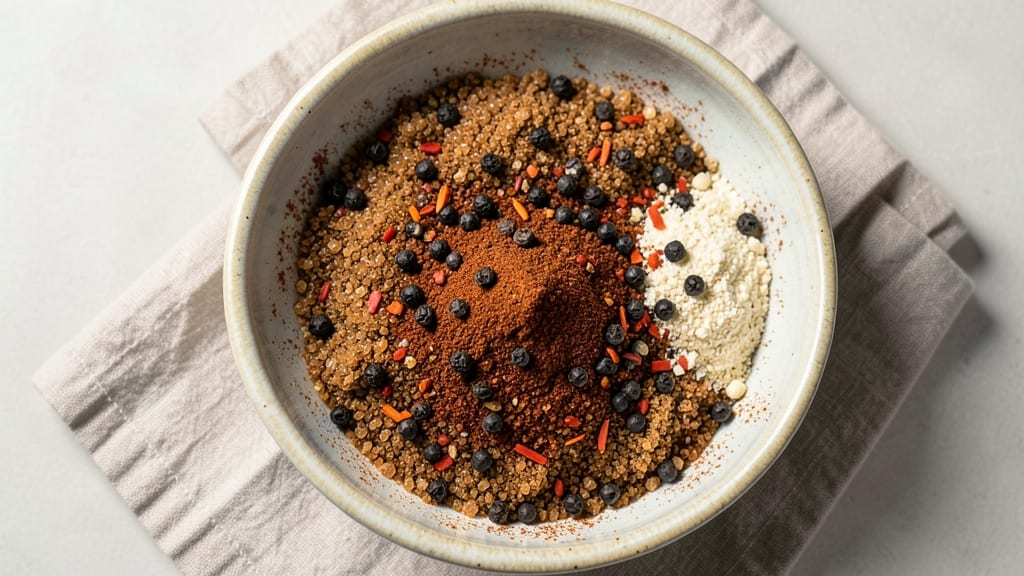
This smoked chicken wing rub recipe transforms ordinary wings into restaurant-quality masterpieces with just a few simple ingredients and precise application. Growing up in small-town Georgia, I learned that the right spice blend could turn a simple protein into something unforgettable—this blend does exactly that.
The key lies in balancing heat, sweetness, and smokiness to create that perfect crispy, sticky bark we all crave.
Developed during my apprenticeship under Master Chef Chen, this rub delivers bold, complex flavor without requiring specialty ingredients—just six pantry staples measured in tablespoons and teaspoons. The secret is applying it generously before smoking, letting the spices adhere completely to the skin.
This creates that signature crust that holds up perfectly through the cook, ensuring every bite delivers maximum flavor.
What makes this blend special is its versatility—it works equally well on wings, chicken thighs, or even pork chops. The spices develop their full potential when applied 30 minutes before smoking, allowing them to penetrate the skin and create that coveted sticky, caramelized exterior.
By the time your wings hit the smoker, you'll have a flavor profile that's both familiar and elevated, with just the right balance of heat and sweetness.
Perfect for game day, weekend BBQs, or whenever you crave wings that taste like they came from a professional pit. The rub keeps well in an airtight container for up to three months, making it an essential addition to any smoker's pantry.
Let's get started on creating wings that will impress even the most discerning eaters.
Ingredients for smoked chicken wing rub
Six simple spices create the perfect balance for that signature crispy, sticky wing bark.
| Ingredient | Amount | Notes |
|---|---|---|
| Smoked Paprika 🌶️ | 3 tbsp | High-quality for authentic smokiness |
| Brown Sugar 🍯 | 2 tbsp | Light or dark variety |
| Garlic Powder 🧄 | 1 tbsp | Freshly ground preferred |
| Onion Powder 🧅 | 1 tbsp | For depth of flavor |
| Cayenne Pepper 🔥 | 1 tbsp | Adjust for heat preference |
| Ground Black Pepper 🌶️ | 1 tbsp | Freshly cracked for best flavor |
| Kosher Salt 🧂 | 1 tbsp | Diamond Crystal preferred |
| Ground Cumin 🌿 | ½ tbsp | Toasted for deeper aroma |
| Mustard Powder 🍯 | ½ tbsp | For subtle tang |
The smoked paprika is non-negotiable—look for Penzeys or McCormick for the most authentic smokiness. Brown sugar is your sweetness anchor, but if you're watching carbs, coconut sugar works just as well. Garlic and onion powders should be freshly ground (the stuff in little jars loses potency fast). For the heat, cayenne pepper delivers that signature kick, but if you want to dial it back, reduce to 0.75 tbsp and add a pinch of chili powder instead. Diamond Crystal kosher salt is my go-to—it dissolves better and has that perfect grain. Pro tip: toast your spices in a dry pan for 30 seconds before mixing to wake up their flavors.
No smoked paprika? Substitute with 1 tbsp regular paprika plus 0.5 tbsp liquid smoke (just a splash). Mustard powder is tricky to find—Dijon mustard in a pinch works, but you'll need about 1 tbsp of the powdered version. Cumin can be swapped with 1 tsp coriander if you're out, but it won't be the same. Brown sugar can be replaced with 1.5 tbsp honey powder for a more intense sweetness. For a sweeter profile, add 0.25 tbsp cinnamon. If you're making this for game day, double the batch—it disappears fast. Store any leftovers in an airtight container away from light.
This rub stays potent for up to 3 months in a sealed jar, but for maximum freshness, use within 2 months. The mustard powder and cumin are the first to lose punch, so if your wings aren't tasting as bold, it might be time to refresh. Portion into small containers for easy grab-and-go application. For extra crispiness, apply the rub 30 minutes before smoking—this gives it time to form that sticky, caramelized crust we all love. If you're not smoking, bake at 400°F for 45 minutes for the same effect.
Why You'll Love This Recipe
- Five-Ingredient Magic: I swear by this rub—just mix, coat, and go. No fancy techniques, no measuring cups of weird spices. The smoked paprika gives it that smoky depth instantly, and the brown sugar caramelizes into a sticky, irresistible crust with zero effort.
- Sweet Heat Payoff: That cayenne might sound scary, but it’s all about balance here. The brown sugar mellows it out while the garlic and onion powders add a warm, savory backbone. First bite? Crispy, slightly sweet, with a whisper of heat that lingers—like a hug from your favorite comfort food.
- Game for Any Gathering: I’ve used this on wings for game day, tossed it on chicken thighs for a weeknight dinner, and even rubbed it into pork chops for dinner guests. It’s the one rub that works everywhere, every time. Honestly, I keep a jar in my pantry just for emergencies.
- Leftovers That Don’t Suck: Most wing rubs turn dry or bland after reheating. Not this one. The sugar keeps them sticky and flavorful, even the next day. I double the batch on Sundays, toss half in the freezer, and pull it out whenever I need a quick, smoky snack—no sad, soggy wings here.
Step-by-step instructions for smoked chicken wing rub
Mix these bold spices together for wings that crackle with heat and caramelized sweetness.
Combine Dry Ingredients in a Mixing Bowl
Place a medium-sized mixing bowl on your countertop. This is where all the magic happens - we're creating a dry rub that will transform ordinary wings into finger-licking masterpieces. The key here is precision, so measure out each ingredient carefully using the exact amounts specified.
First, add the 3 tablespoons smoked paprika to the bowl. This is your base flavor - it provides that authentic wood-fired taste that makes smoked wings so irresistible. Next, add the 2 tablespoons brown sugar. This isn't just for sweetness; it's crucial for creating that sticky, caramelized crust that makes the wings so addictive.
Incorporate the Spices and Seasonings
Now it's time to add the heat and depth. Add 1 tablespoon garlic powder, 1 tablespoon onion powder, and 1 tablespoon cayenne pepper to the bowl. The garlic and onion powders build flavor complexity, while the cayenne brings the heat that makes these wings memorable. Don't be afraid of the cayenne - this is where the wings get their signature kick.
Add the remaining seasonings: 1 tablespoon ground black pepper, 1 tablespoon kosher salt, 0.5 tablespoon ground cumin, and 0.5 tablespoon mustard powder. The black pepper adds another layer of heat, the salt enhances all flavors, the cumin brings earthy depth, and the mustard powder contributes a subtle tang that rounds out the blend. Use a whisk or fork to gently combine all ingredients.
Mix Thoroughly for Even Distribution
This is where attention to detail pays off. Use a fork or small whisk to thoroughly mix all ingredients until you achieve a completely homogeneous blend. You should see no distinct colors or textures - everything should be uniformly distributed. The mixture should look like a fine, dusty powder with a deep reddish-brown hue from the smoked paprika.
Here's a pro tip: I like to press the mixture through a fine-mesh strainer to break up any clumps. This ensures the rub will stick perfectly to the wings and create that coveted crispy, sticky crust. Once you've achieved a smooth, fine powder, transfer the mixture to an airtight container for storage.
Apply to Wings for Maximum Flavor Penetration
Before applying, make sure your wings are completely dry. Any moisture will prevent the rub from sticking properly. Pat them thoroughly with paper towels, then generously coat each wing with the rub. I recommend using about 1 tablespoon of the rub per pound of wings - don't be shy, we want that flavor to really cling.
For best results, let the rubbed wings sit at room temperature for 30 minutes before smoking. This allows the rub to adhere more firmly and begin penetrating the meat. If you're short on time, even 15 minutes will help. The longer they sit, the more intense the flavor will be when you smoke them.
Pro Tips For Making Smoked Chicken Wing Rub
- CRUSH THE SPICE MIX: Mix the smoked paprika, brown sugar, garlic powder, onion powder, and cayenne in a bowl first—then apply it to the wings. I used to sprinkle ingredients one by one, and half the time, the cayenne ended up clumping in one spot. A quick shake in a bowl guarantees even distribution, so every bite has that balanced kick.
- USE FINE BROWN SUGAR: Skip the regular granulated kind—fine brown sugar sticks better to the wings and caramelizes faster. I tried using regular once, and it just slid off during smoking. A 5-second pulse in a food processor solves this, and your wings won’t look like they’ve been dusted with sand.
- PAT DRY THE WINGS: Wet wings = steam = soggy rub. After patting them dry with paper towels, let them sit uncovered in the fridge for 15 minutes. Sounds weird, but it works—your rub will cling like glue, not wash off halfway through cooking. (Yes, even if you’re impatient like me.)
- SMOKE LOW AND SLOW: Avoid blistering the rub by keeping the smoker between 225°F and 250°F. I learned this the hard way—once I cranked it to 300°F, and the sugar burned before the wings cooked. Low heat lets the flavors meld without turning your rub into ash. Patience here makes all the difference.
Troubleshooting your smoked chicken wing rub
Rub Not Sticking
If your rub slides off instead of clinging, it’s almost always a moisture issue. I’ve seen this happen when wings are still damp or when humidity is high. First, pat wings completely dry with paper towels—no shortcuts here.
For extra insurance, chill the wings uncovered in the fridge for 30 minutes before applying the rub. This helps evaporate any lingering moisture. If your kitchen feels humid, consider using a fan to circulate air while the wings rest.
Another trick I learned from Chef Chen: lightly toast the wings in a 400°F oven for 5 minutes before applying the rub. This dries the skin and creates a better surface for adhesion. The rub should stick like glue if you’ve followed these steps. 💡
Uneven Seasoning
When your wings have patchy seasoning, it’s usually because the rub wasn’t distributed evenly. I’ve made this mistake more times than I’d admit—skipping the thorough mixing step or rushing the application. Always whisk or sift the rub to break up clumps before applying.
Use a fine-mesh strainer to press it through, ensuring a powdery consistency. For application, I recommend using two hands: one to hold the wing, the other to generously coat every surface.
If you’re still seeing uneven spots, try applying the rub in two stages. First coat the wings, let them rest for 10 minutes, then apply a second thin layer. This two-step process helps the spices adhere more uniformly.
For extra grip, lightly spray the wings with olive oil before the second application—just enough to help the rub stick without making it slide off. ✨
Bland Flavor Profile
Bland wings usually mean one of two things: old spices or insufficient resting time. I can’t stress enough how critical fresh spices are—ground spices lose potency within 3 months, and toasted spices (like cumin) degrade even faster.
Always check your spice dates and toast them briefly in a dry pan before mixing to wake up their flavors. If your rub tastes dull, it’s time to refresh your pantry staples.
The other common culprit is not letting the rub penetrate. Many home smokers rush this step, but giving the wings 30 minutes (or up to 2 hours in the fridge) before smoking makes a world of difference. The spices need time to caramelize slightly and bond with the skin.
Pro tip: If you’re in a hurry, spritz the wings with apple cider vinegar before applying the rub—it helps the spices cling and enhances flavor development during the smoke. 🌶️
Too Much Heat
If your wings are painfully spicy instead of perfectly balanced, you’ve likely overdone the cayenne or didn’t account for other heat sources. Start by reducing the cayenne to 0.75 tbsp and consider swapping 0.25 tbsp of it for chili powder, which has a milder but more complex heat.
Another trick I use is to add 0.5 tbsp brown sugar to the mix—it helps mellow the sharpness while keeping the sweetness intact.
For wings that are already cooked, serve them with cooling accompaniments like ranch dressing, blue cheese, or a cucumber-dill yogurt dip. If you’re serving a crowd, pre-portion the rub into smaller batches so guests can adjust heat levels to their preference.
Remember, cayenne burns differently than black pepper or chili powder—it’s faster and more intense, so start conservative and adjust as needed. 🔥
Rub Clumping During Storage
Clumpy rub is a storage nightmare, but it’s easily preventable. The issue usually stems from moisture exposure or improper container choice. Always store your rub in an airtight glass jar (I prefer Le Parfait jars) with a silicone desiccant packet to absorb any humidity.
Avoid plastic containers—they can trap moisture and cause clumping over time.
If your rub has already clumped, don’t toss it—just press it through a fine-mesh strainer before use. For extra insurance, store your rub in the freezer for up to 6 months.
The cold, dry environment preserves freshness and prevents clumping. I keep a small batch in the pantry for quick access and reserve the freezer stash for when I’m prepping for big events. ❄️
Nutrition facts
Frequently asked questions
Can I make this rub without smoked paprika?
Yes, but the flavor will be different. For a substitute, mix 1 tbsp regular paprika with 0.5 tsp liquid smoke (just a splash). This won't replicate the depth of smoked paprika, but it'll still give you that wood-fired character. If you're using this for baked wings instead of smoked, the difference will be less noticeable.
How long can I store this spice blend?
The rub stays fresh for up to 3 months in an airtight container, but for maximum potency, use it within 2 months. Store it in a cool, dark place away from moisture. For longer storage, keep it in the freezer for up to 6 months—this preserves the volatile oils that carry the flavor.
Can I use this rub on other meats besides wings?
This blend works beautifully on chicken thighs, pork chops, or even ribs. The sweet-spicy balance translates well to other proteins. For ribs, you might want to reduce the cayenne slightly (0.5 tbsp) since they cook longer and absorb more heat. The key is applying it generously and letting it rest before cooking.
Why does my rub sometimes clump together?
Clumping happens when moisture gets trapped in the container. Always store your rub in an airtight glass jar with a silicone desiccant packet to absorb humidity. If it clumps, simply press it through a fine-mesh strainer before use. For extra insurance, store any leftovers in the freezer where it'll stay dry and fresh for months.
Can I adjust the heat level in this recipe?
Yes! If you want less heat, reduce the cayenne to 0.5 tbsp and add 0.25 tbsp chili powder for a milder but still flavorful kick. For more heat, increase the cayenne to 1.5 tbsp but be cautious—cayenne burns differently than black pepper and can overwhelm the other flavors.