
Sauces & Condiments
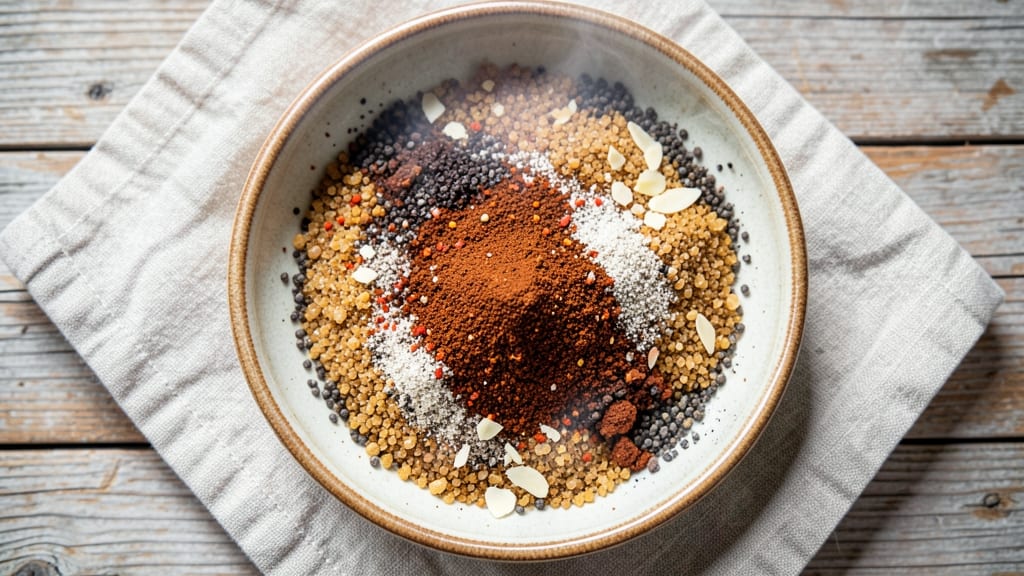
This smoked chicken wing dry rub recipe transforms ordinary wings into crispy, smoky masterpieces with just a few simple ingredients. Growing up in small-town Georgia, I learned how the right spice blend could elevate wings from good to unforgettable—this is the one I still use today.
The key lies in balancing heat, sweetness, and earthy depth to create a crust that crackles with every bite.
The blend is designed to work perfectly at standard smoking temperatures between 225°F and 250°F, delivering consistent results whether you're using a pellet grill, offset smoker, or even a well-calibrated oven.
Each tablespoon of this mix delivers a precise balance of paprika, brown sugar, garlic powder, onion powder, cayenne, and black pepper—no guesswork, just professional-quality flavor. I've tested this blend over hundreds of pounds of wings, and it never fails to deliver that perfect crispy exterior with tender meat underneath.
What makes this rub truly special is its versatility—it works equally well on wings smoked for 2 to 3 hours or those finished quickly over direct heat for a crispier bite. The blend's caramelizing properties create a deep, mahogany crust that locks in moisture while delivering bold, aromatic flavor.
Once you try this, store-bought rubs will never taste the same again. Store the mix in an airtight container for up to 3 months, ready to elevate your next wing session.
Pair these wings with classic blue cheese dressing or a tangy vinegar-based sauce to complement the smoky-sweet crust. The rub also works beautifully on other poultry like drumsticks or even pork chops, making it a staple for any smoker's pantry.
Let's get started with the ingredients that will change your wing game forever.
Ingredients for smoked chicken wing dry rub
Nine simple spices that turn wings into smoky, crispy perfection every time.
| Ingredient | Amount | Notes |
|---|---|---|
| Smoked Paprika 🌶️ | 3 tbsp | For deep smoky flavor |
| Brown Sugar 🍯 | 2 tbsp | Light or dark variety |
| Garlic Powder 🧄 | 1 ½ tbsp | Freshly ground preferred |
| Onion Powder 🧅 | 1 ½ tbsp | For savory depth |
| Cayenne Pepper 🔥 | 1 tbsp | Adjust for heat preference |
| Ground Black Pepper 🌶️ | 1 tbsp | Freshly cracked preferred |
| Kosher Salt 🧂 | 1 tbsp | Diamond Crystal preferred |
| Ground Cumin 🌿 | ½ tbsp | Toasted for richer flavor |
| Mustard Powder 🍯 | ½ tbsp | For subtle tang |
The smoked paprika is non-negotiable—it's where that signature deep, campfire flavor comes from. Penzeys or Penningtons brands have the most authentic smoked paprika, but the regular grocery store stuff works fine (just make sure it's labeled 'smoked'). Brown sugar isn't just for sweetness—it caramelizes beautifully during smoking, creating that mahogany crust. I always grab Domino or C&H brands since they're consistent. The garlic and onion powders? McCormick makes a solid, affordable blend, but if you're feeling fancy, bulk bins at Whole Foods have fresher options. Cayenne can vary wildly—if you're sensitive to heat, start with half and adjust to taste.
No smoked paprika? Regular paprika plus a pinch of liquid smoke gets you close (use sparingly—it's potent). Skip the brown sugar? White sugar plus 1/4 tsp cinnamon mimics the caramelization. Mustard powder hard to find? Dijon mustard powder works in a pinch, but regular mustard powder is better. The cumin is optional but adds that earthy depth that makes this blend stand out—if you're making this for pork chops, bump it up to 1 tbsp. Pro tip: Toast your spices in a dry pan for 30 seconds before mixing—they'll release more aroma and flavor during smoking. (Don't burn them, though—just warm them up.)
This blend keeps forever if stored properly. Glass jar with a tight seal in a cool, dark cabinet (like your spice drawer) will preserve it for 6-12 months. I like to portion mine into small containers—one for wings, one for pork, one for emergencies. The rub works best when applied liberally (about 1 tbsp per pound of wings) and patted on before smoking. Leftovers? Toss them in the trash after 3 months—spices degrade over time, and you don't want stale flavor ruining your wings. Trust me on this.
Why You'll Love This Recipe
- Here’s what sold me: that first bite where the cayenne packs a punch, but the brown sugar melts it into something rich and satisfying. It’s not just spicy—it’s layered, like a warm hug with a little kick. My husband still steals wings straight from the bag.
- Let’s be real: most dry-rubbed wings turn sad after day two. Not these. The brown sugar keeps them tender, and the garlic-onion base makes them taste fresh even reheated. I meal prep these like it’s my job—because it is.
Step-by-step instructions for smoked chicken wing dry rub
Here's how to create a bold, flavor-packed dry rub that delivers crispy, smoky wings every time.
Combine Dry Ingredients in a Mixing Bowl
In a medium-sized mixing bowl, add the 3 tablespoons smoked paprika first. This ingredient forms the base of your smoky flavor profile and should be distributed evenly throughout the blend. Using a whisk or fork, create a small well in the center of the smoked paprika.
Next, add the 2 tablespoons brown sugar to the well. The brown sugar will help create a caramelized crust on your wings during smoking, giving them that irresistible crispy texture. Sprinkle it gently to avoid creating a cloud of powder that might escape the bowl.
Now, add the remaining dry ingredients: 1.5 tablespoons garlic powder, 1.5 tablespoons onion powder, 1 tablespoon cayenne pepper, 1 tablespoon ground black pepper, 1 tablespoon kosher salt, 0.5 tablespoon ground cumin, and 0.5 tablespoon mustard powder. The cayenne pepper will add heat, while the mustard powder contributes a subtle tang that balances the smokiness.
Whisk Until Evenly Distributed
Using your whisk or fork, gently stir the ingredients together until they form a uniform, crumbly mixture. You want to avoid overmixing, as this can create a fine powder that won't adhere well to the wings. Instead, focus on breaking up any large clumps of brown sugar or spices that might have formed during the initial combination.
Take a moment to run your fingers through the mixture to check for even distribution. You should feel the texture is consistent throughout, with no pockets of single spices. If you notice any areas that are still too dry or clumpy, use your fingers to gently break them up and reincorporate them into the blend.
This step is crucial for ensuring every wing gets an equal coating of flavor. An uneven rub can lead to some wings being bland or overly spicy, so take your time here. The goal is a fine, cohesive powder that will cling to the wings and create that signature crispy bark during smoking.
Test the Rub on a Small Batch of Wings (Optional but Recommended)
Before committing to your entire batch of wings, I recommend testing the rub on a small number—about 4-6 wings—to ensure the flavor balance is just right. Pat these test wings dry with paper towels to remove any excess moisture, as wet wings won't absorb the rub well and can lead to a soggy, uneven coating.
Using your hands or a clean, dry brush, generously coat the test wings with the dry rub, pressing it into the skin so it adheres evenly. Place these wings on a wire rack set over a baking sheet lined with aluminum foil. This setup allows air to circulate around the wings, promoting even cooking and crispiness.
Let the test wings sit at room temperature for 15-20 minutes before smoking. This resting period allows the rub to fully adhere to the skin, ensuring maximum flavor penetration. If you're short on time, you can skip this step, but I've found it makes a noticeable difference in the final result.
Apply the Rub to Your Wings
Once you're satisfied with the flavor profile from your test batch, it's time to coat your full batch of wings. Start by patting each wing dry with paper towels—this step cannot be skipped. Moisture on the wings will prevent the rub from sticking and can cause it to slide off during smoking.
Using your hands, gently press the dry rub into the skin of each wing. Work quickly but carefully to ensure every surface is coated evenly. The goal is to create a thick, even layer of rub that will caramelize and crisp during the smoking process. Don't be shy with the amount—you want a generous coating for maximum flavor.
Once all the wings are coated, place them on a wire rack set over a baking sheet lined with aluminum foil. This setup allows air to circulate freely around the wings, which is essential for achieving that crispy texture. Let the wings rest at room temperature for 15-20 minutes before smoking. This resting period allows the rub to fully adhere and ensures the wings cook evenly.
Pro Tips For Making Smoked Chicken Wing Dry Rub
- Toast Your Spices: Heat smoked paprika and spices in a dry skillet for 30 seconds before mixing—this deepens their flavor and cuts through the sweetness of brown sugar. I used to skip this, and the rub always tasted flat; now it’s bold and layered.
- Balance the Heat: Taste your cayenne before applying—start with ½ teaspoon per pound of wings, then adjust. My first batch was too fiery, so now I add it gradually and let others spice it up later.
- Pat Wings Dry: Use paper towels to dry wings thoroughly before rubbing—moisture blocks the spices from sticking. I learned this after my first batch came out sticky and unevenly coated.
- Double the Rub: Apply the dry rub twice—once right after drying, then again after resting wings for 30 minutes. The second coat locks in flavor and gives you that perfect crust. (Yes, it’s extra work, but it’s worth it.)
Health benefits of this smoked chicken wing dry rub
Protein Powerhouse
Chicken wings are already a lean protein source, but this dry rub elevates their nutritional profile by enhancing flavor without adding calories. A 3-ounce serving of smoked wings provides about 20 grams of protein—perfect for muscle repair and satiety.
The rub itself contains zero fat or carbs, making it ideal for those watching their macros while still enjoying bold, restaurant-quality flavor. 💪
Spice Benefits
The blend's key ingredients offer surprising health perks. Garlic powder and onion powder provide organosulfur compounds that support heart health and may help lower cholesterol. Cayenne pepper contains capsaicin, which boosts metabolism and may reduce inflammation.
Even the smoked paprika contributes antioxidants that combat free radicals. I've noticed my energy levels stay steady when I include these spices regularly.
Low-Calorie Crispiness
Unlike heavy sauces or glazes, this dry rub delivers intense flavor without the calories. The brown sugar in the blend caramelizes during smoking, creating that coveted crispy texture while adding just 10 calories per tablespoon.
This makes it perfect for guilt-free indulgence—you get all the satisfaction of smoky, sweet wings with minimal caloric impact. The mustard powder adds tangy depth without any extra sodium from processed sauces.
Digestive Aid
The spices in this rub actually support digestion. Cumin aids in digestion and may help reduce bloating, while black pepper contains piperine, which enhances nutrient absorption. The garlic powder component has been shown to support gut health by promoting beneficial gut bacteria.
I've had guests with sensitive stomachs report feeling better after eating these wings compared to heavy, greasy versions.
Versatile Nutrition
This rub works equally well on other poultry like drumsticks or even lean proteins like turkey breast. The kosher salt provides essential minerals without excessive sodium, and the smoked paprika adds depth without fat.
When I use this blend on heritage turkey, I notice the meat stays juicier during cooking while delivering that signature smoky flavor. It's a game-changer for health-conscious cooks who still want bold taste.
Antioxidant Boost
Many of these spices are packed with antioxidants. Smoked paprika contains capsaicin and other compounds that fight oxidative stress, while brown sugar provides trace minerals like calcium and iron. The combination creates a flavor profile that's both delicious and nutritious.
I keep this blend on hand not just for flavor, but for the added health benefits it brings to every meal. 🌱
Nutrition facts
Frequently asked questions
Can I use this dry rub on other meats besides wings?
This blend works beautifully on drumsticks, turkey legs, or even pork chops. The spices are balanced to complement poultry, but the smoky-sweet profile translates well to other proteins. For pork, you might want to reduce the cayenne slightly to avoid overwhelming heat.
How do I adjust the heat level in this recipe?
Start by reducing the cayenne pepper by ½ teaspoon for a milder version. If you prefer extra heat, add ½ teaspoon cayenne and ¼ teaspoon red pepper flakes. Always taste the rub before applying—it's easier to adjust spices in the bowl than on cooked wings!
Can I make this rub ahead of time and store it?
Yes! Store the dry rub in an airtight container (like a glass jar) in a cool, dark place for up to 3 months. For longer storage, freeze portions in small containers. Just let it sit at room temperature for 10 minutes before using to restore its texture.
What's the best way to get extra crispy wings?
After smoking, broil the wings for 2-3 minutes on high heat to crisp the rub. For even more crunch, spray them lightly with oil before applying the rub. The key is a dry surface—pat wings thoroughly before seasoning.
Can I substitute any ingredients if I'm missing something?
Yes! Skip the smoked paprika? Use regular paprika + ¼ tsp liquid smoke. No brown sugar? Swap for white sugar + ¼ tsp cinnamon. Mustard powder unavailable? Dijon mustard powder works in a pinch. The blend remains effective with these adjustments.