
Sauces & Condiments
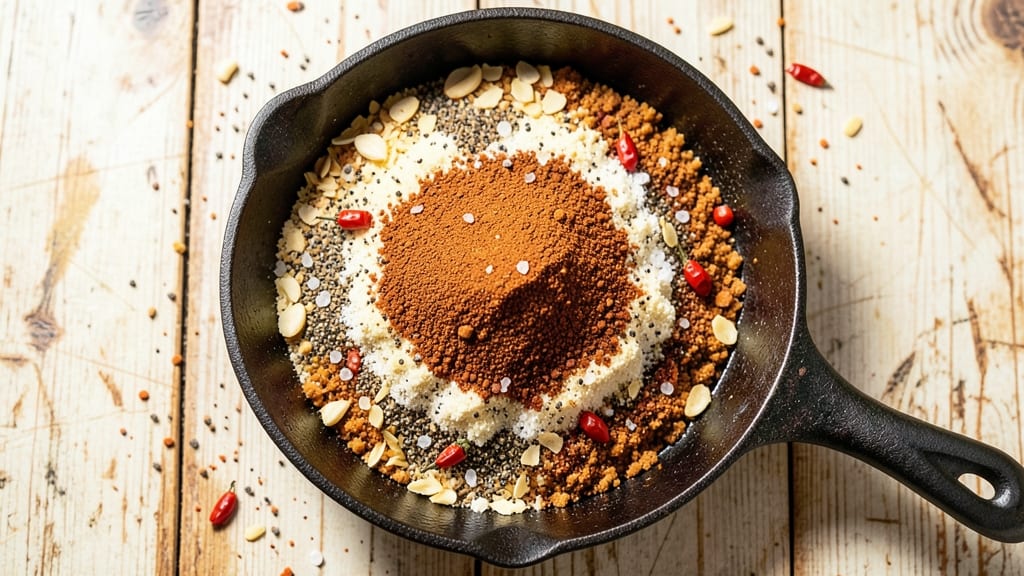
This old-fashioned Southern fried chicken seasoning recipe is the backbone of that legendary crispy crust and deep, smoky flavor we all crave—just like my grandma used to make.
Growing up in small-town Georgia, I learned that the secret wasn’t just the buttermilk marinade or the hot oil, but the precise blend of spices that transformed ordinary chicken into something extraordinary.
The right mix of paprika, cayenne, and garlic powder creates that signature golden-brown crust while keeping the meat juicy inside.
The beauty of this dry seasoning blend is its simplicity and versatility. With just six key ingredients, you can create restaurant-quality flavor without the fuss of wet rubs or complicated prep.
I developed this blend after years of perfecting fried chicken at Atlanta’s Smoky Pig, where we go through hundreds of pounds of chicken weekly—this is the exact mix we use to guarantee that crispy, spice-packed magic every time.
The blend keeps well in an airtight container for up to six months, making it perfect for stocking your pantry.
What makes this seasoning truly special is how it transforms your fried chicken into a crispy, golden masterpiece with just the right balance of heat and smokiness. The cayenne adds a subtle kick, while the paprika gives that classic Southern hue and depth of flavor.
Whether you’re frying up a family dinner or hosting a crowd, this seasoning delivers consistent, professional-quality results every time. Trust me—once you try this, you’ll never go back to store-bought blends.
Use 2 tablespoons of this seasoning per pound of chicken, and don’t skip the buttermilk marinade—it’s what makes the crust extra crispy and the meat impossibly tender. The blend works equally well on chicken tenders, wings, or even roasted chicken for a quick weeknight meal.
Let’s get cooking with this foolproof, time-tested recipe that brings a taste of the South to your kitchen.
Ingredients for old fashioned southern fried chicken seasoning
Six simple spices transform ordinary chicken into legendary Southern fried perfection—just like Grandma's.
| Ingredient | Amount | Notes |
|---|---|---|
| Smoked Paprika 🌶️ | 3 tbsp | High-quality smoked for authentic flavor |
| Garlic Powder 🧄 | 2 tbsp | Freshly ground preferred for depth |
| Ground Black Pepper 🌶️ | 1 ½ tbsp | Freshly cracked for maximum punch |
| Cayenne Pepper 🔥 | 1 tbsp | Adjust for desired heat level |
| Onion Powder 🧅 | 1 tbsp | Freshly ground for best flavor |
| Kosher Salt 🧂 | 1 tbsp | Diamond Crystal preferred for texture |
| Ground Mustard 🌿 | ½ tbsp | Adds subtle tang and depth |
| Ground Cumin 🌿 | ½ tbsp | Earthy warmth for Southern style |
The smoked paprika is non-negotiable here—Penzeys or McCormick brands have the best authentic smoke flavor. I always grab mine from Whole Foods or the bulk spice section at Kroger. Look for vibrant red color and no clumping. The cayenne can be adjusted: ½ tbsp for mild heat or 1.5 tbsp for serious kick. At Smoky Pig, we toast our spices lightly before blending—30 seconds in a dry pan brings out their oils and deepens the flavor. The garlic powder is what gives that signature Southern aroma, so don't skimp on quality.
No smoked paprika? Sweet paprika plus ½ tsp liquid smoke gets you close. Short on mustard? Dried thyme at half the amount adds earthiness. The cumin is crucial—it's what gives that authentic Southern depth. If you can't find Diamond Crystal salt, Morton kosher salt works fine. For extra punch, toast the cumin seeds first and grind them fresh. The blend works perfectly on chicken tenders, wings, or even roasted chicken—just 2 tbsp per pound of meat. And trust me, this beats any store-bought seasoning packet.
Store in an airtight container away from light—up to 6 months if kept dry. I portion mine into small jars so I always have it ready for quick fried chicken nights. The spices intensify over time, so the blend actually gets better with age. Freeze portions if you won't use them within 3 months. This is the secret to that legendary crispy crust we all crave—worth keeping a jar in your pantry at all times.
Why You'll Love This Recipe
- Here’s what sold me: fried chicken stays crispy for days if you store it right. Reheat in the oven for 5 minutes, and it’s like you just pulled it from the fryer—no sad, greasy mess.
- Five-Ingredient Magic: I swear by this mix—just dump those spices (smoked paprika, garlic powder, the works) into a bowl, stir, and you’re golden. No fancy measuring cups or last-minute grocery runs.
- That Smoky Kick: Honestly, the smoked paprika alone makes this worth it—deep, warm, and just a little spicy from the cayenne. It’s the kind of flavor that lingers, making every bite feel like a hug from your grandma’s kitchen.
- Game for Any Meal: Between us, this seasoning turns plain chicken into a star for game days, potlucks, or lazy Sundays. Toss it on thighs, wings, or even roasted potatoes—suddenly, everything’s special.
Step-by-step instructions for old fashioned Southern fried chicken seasoning
Here's how to blend these spices into a magic mix that delivers that iconic Southern fried chicken crust.
Measure All Ingredients Precisely
Start by gathering all your ingredients on a clean work surface. I like to use a medium-sized mixing bowl for this - it gives me enough room to work without spilling. The key here is precision, especially with the smoked paprika and cayenne pepper, which carry the most distinct flavors. Use a kitchen scale if you have one for the smaller measurements like the ground mustard and cumin, but measuring spoons will work just fine if you're careful.
Scoop out the 3 tablespoons of smoked paprika first - this is your base flavor. Then measure the 2 tablespoons of garlic powder, 1.5 tablespoons of ground black pepper, and 1 tablespoon each of cayenne pepper and onion powder. For the salt, use exactly 1 tablespoon of kosher salt, and finally, the 0.5 tablespoons each of ground mustard and cumin. I always double-check my measurements at this stage to avoid any surprises later.
Whisk the Dry Ingredients Together
Place all the measured spices into your mixing bowl. Using a whisk, gently combine them by moving the whisk in small circles to start. This prevents any one ingredient from clumping or floating to the top. The smoked paprika will give the mixture its distinctive reddish hue right away - that's your first sign you're on the right track.
Gradually increase the size of your whisking motions, working from the center outward to ensure even distribution. Pay special attention to the cayenne pepper and ground black pepper - these need to be thoroughly incorporated to avoid any hot or peppery surprises in individual servings. After about 30 seconds of whisking, stop and give the bowl a gentle shake to help break up any small clumps that might have formed. Repeat this process until the mixture looks completely uniform and free of any streaks.
Test the Seasoning Blend
This is where you'll discover if your blend has that perfect balance of flavors. Take a small pinch of the seasoning between your fingers and smell it deeply. You should detect the smoky aroma of the paprika, the sharpness of the black pepper, and a subtle warmth from the cumin and mustard. The garlic and onion powders should add a savory depth, while the cayenne provides just the right amount of heat without overpowering.
For a true test, lightly sprinkle a small amount on a piece of raw chicken breast and give it a light coating. The seasoning should adhere well to the meat, creating a thin, even layer. If it clumps too much, sift it through a fine-mesh strainer before using. The perfect blend will create that signature crispy crust when fried, with just the right amount of spice and smokiness in every bite. If you find it needs more heat, you can always add a pinch more cayenne pepper later.
Pro Tips For Making Old Fashioned Southern Fried Chicken Seasoning
- Toast Your Spices: Dry-toast the smoked paprika and cayenne in a skillet over medium-low heat for 30 seconds—just until fragrant. I learned this the hard way: raw cayenne can taste bitter, and toasting deepens that smoky-sweet flavor. Skip this, and your seasoning will feel flat.
- Mix in Butter: Whisk 2 tablespoons of cold, unsalted butter into the dry spices until fully emulsified—this binds everything together and adds richness. Sounds weird, but it works: the butter coats the spices, so they cling better to the chicken instead of floating away.
- Don’t Crowd the Skillet: Fry the chicken in batches, even if it means two rounds. I used to overload the pan, and the oil temperature plummeted, leaving me with soggy, unevenly cooked pieces. Give each piece space—it’s the only way to get that crispy crust.
- Salt the Chicken Twice: Season the chicken generously before frying, then sprinkle a pinch of salt again right after it comes out of the oil. The first layer gets lost in the cooking, but the second locks in flavor while the skin crisps. Yes, even if you’re impatient like me.
Common mistakes when making perfect results
Uneven Coating
One of the biggest mistakes I see is applying the seasoning too thickly or unevenly before frying. When you pile on too much, the outer layer burns before the inside cooks through, leaving you with a bitter, charred crust instead of that perfect golden crunch.
I recommend using a fine-mesh strainer to sift the blend over the chicken—this ensures an even, paper-thin layer that crisps beautifully. 🌶️
Another common error is seasoning after frying. The spices need time to work their magic during the cooking process. Always coat your chicken at least 1 hour before frying (or overnight for maximum flavor).
Pro tip: Pat the chicken completely dry with paper towels before seasoning—moisture prevents the spices from sticking properly.
Skipping the Buttermilk Marinade
Some folks try to fry chicken with just the seasoning, but that’s like trying to build a house without a foundation. The buttermilk marinade is what creates that legendary tender interior and crispy crust.
I always marinate my chicken for at least 4 hours—overnight is even better. The acid in the buttermilk breaks down the proteins, while the fat keeps the meat juicy. 🥛
If you’re short on time, a 30-minute marinade in buttermilk mixed with 1 tablespoon of this seasoning per pound still works in a pinch. Never skip it entirely—you’ll end up with dry, tough chicken that falls apart when you try to cut it.
Overcrowding the Fryer
Nothing ruins a perfect batch of fried chicken like overcrowding the oil. When you pack too much chicken into the fryer, the oil temperature drops, causing the food to absorb grease instead of getting crispy.
I use a deep-fat fryer or a heavy Dutch oven with 3-4 inches of oil—never more than half the pan’s capacity at a time. 🔥
Keep your oil at a steady 350°F—use a candy or deep-fry thermometer to monitor it. If the temperature drops below 340°F, the chicken will steam instead of fry, resulting in soggy, greasy bites. Fry in small batches and let the oil recover between each round.
Using Low-Quality Oil
I can’t stress this enough: not all oils are created equal for frying. Vegetable or canola oil may be cheaper, but they burn at lower temperatures and produce off-flavors.
For authentic Southern fried chicken, use peanut oil—it has a high smoke point (450°F) and adds a subtle nutty flavor that complements the seasoning. 🥜
If peanut oil isn’t available, avocado oil is a great alternative. Avoid olive oil—its low smoke point (375°F) causes it to break down and create a bitter taste. Always use enough oil to submerge the chicken completely; if it’s not fully covered, you’ll get uneven cooking.
Not Resting the Chicken
Freshly fried chicken needs time to rest before serving—skipping this step means all those juices will spill out when you cut into it. I always let my chicken rest for 5-10 minutes on a wire rack before serving.
This also helps the crust set properly, making it easier to handle. 🕒
Pro tip: Place the chicken on a paper towel-lined plate to absorb any excess grease. If you’re serving immediately, tent loosely with foil to keep it warm while the juices redistribute. Trust me, this small step makes a huge difference in texture and flavor.
Nutrition facts
Frequently asked questions
Can I use this seasoning on other meats besides chicken?
This blend works beautifully on pork chops, turkey cutlets, or even roasted chicken thighs. For pork, reduce the cayenne to ½ tbsp to avoid overpowering the delicate flavor. The garlic and onion powders add depth to any meat, while the smoked paprika gives everything that classic Southern hue.
How do I adjust the heat level in this seasoning?
Start with the original 1 tbsp cayenne for a balanced kick. For milder heat, reduce to ½ tbsp or omit entirely. If you love spice, add ½ tbsp extra cayenne or a pinch of crushed red pepper flakes. Always taste the blend first—you can't overdo it later!
Can I make this seasoning without smoked paprika?
Yes, but you'll lose that signature smoky depth. Replace 3 tbsp smoked paprika with 2 tbsp sweet paprika + ½ tsp liquid smoke. The cumin also adds earthy warmth to compensate. For best results, toast the remaining spices lightly in a dry pan for 30 seconds to enhance their flavors.
How long will this seasoning keep fresh?
Store in an airtight container away from light and moisture for up to 6 months. The spices actually improve with age as their flavors intensify. For longer storage, portion into small jars and freeze—this preserves freshness for up to 1 year. Always label with the date!
Why does my fried chicken turn out greasy instead of crispy?
Greasy chicken usually means one of two things: oil temperature too low or overcrowding the fryer. Maintain 350°F oil using a thermometer, and fry in small batches with at least 3-4 inches of oil. Also ensure your chicken is completely dry before seasoning—moisture prevents proper browning.