
Main Courses
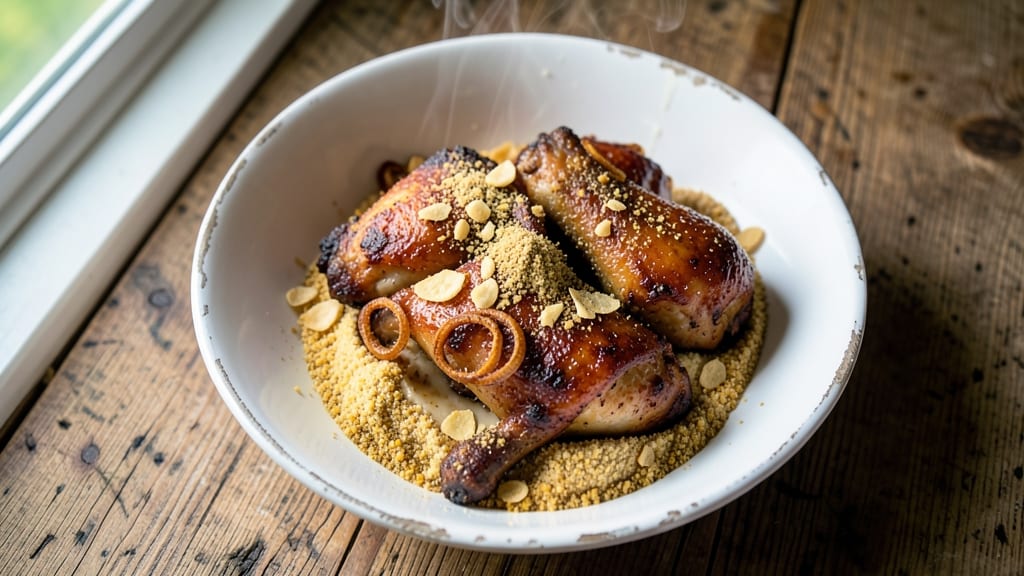
This authentic Southern fried chicken recipe delivers the crispy, golden crust and tender, juicy meat that’s been a Sunday staple for generations. The secret lies in a buttermilk brine that tenderizes the chicken while adding that signature tang, followed by a double-dredge in a cornmeal-tortilla crunch coating. I’ve perfected this method over years of trial and error—no shortcuts, just the real deal.
The process starts with a 24-hour buttermilk brine that transforms even the toughest chicken thighs into melt-in-your-mouth bites. After patting dry, we coat the chicken in a mix of flour, cornmeal, and crushed tortilla chips for that iconic crunch.
The key? Frying in small batches at a precise 350°F to ensure even cooking and a crust that stays crispy, not greasy. Every step matters—skipping any of them risks losing that authentic Southern flavor.
What you’ll end up with is restaurant-quality fried chicken that’s crispy on the outside, tender on the inside, and bursting with flavor. The tortilla crunch adds a satisfying texture that holds up even after resting, while the buttermilk brine keeps the meat juicy.
This isn’t just fried chicken—it’s a taste of tradition, served up with the confidence of a Southern kitchen.
Pair it with classic sides like creamy mashed potatoes, tangy collard greens, or a simple green salad for a full Southern feast. The beauty of this recipe is its versatility—serve it at a family gathering, a holiday meal, or just a cozy weeknight dinner.
Once you try it, you’ll never go back to store-bought.
Ingredients for authentic southern fried chicken
Six key ingredients transform simple chicken into legendary Southern fried chicken.
| Ingredient | Amount | Notes |
|---|---|---|
| Chicken Thighs (bone-in, skin-on) 🍗 | 3 lb | 2-2.5 inch pieces for even cooking |
| Buttermilk 🥛 | 4 cups | Full-fat for best flavor |
| All-Purpose Flour 🌾 | 1 ½ cups | White or whole wheat |
| Yellow Cornmeal 🌽 | 1 cup | Stone-ground preferred |
| Tortilla Chips (plain) 🍞 | 1 ½ cups | Crushed into coarse crumbs |
| Garlic Powder 🧄 | 1 tbsp | Freshly ground preferred |
| Onion Powder 🧅 | 1 tbsp | For extra depth |
| Paprika 🌶️ | 1 tbsp | Smoked variety for color |
| Salt 🧂 | 2 tbsp | Diamond Crystal preferred |
| Black Pepper 🌶️ | 1 tbsp | Freshly cracked |
| Vegetable Oil 🫒 | 4 cups | For frying (peanut oil alternative) |
| Lemon Wedges 🍋 | 4 whole | For serving |
The chicken thighs are non-negotiable—bone-in, skin-on pieces give you that juicy, flavorful result. Look for free-range at Whole Foods or your local butcher shop if you can swing it, but regular supermarket thighs work too. The buttermilk? Full-fat is a must—it keeps the crust crispy and the meat tender. I always grab the Kroger brand because it's thick and tangy, but any full-fat buttermilk will do. For the cornmeal, Bob's Red Mill stone-ground has the best texture, but regular cornmeal works in a pinch. Just don't skip the stone-ground if you're feeling fancy—it makes all the difference in that crunch.
No buttermilk? Substitute 4 cups milk + 1 tbsp lemon juice or vinegar, but let it sit for 10 minutes first. Running low on cornmeal? Use 3/4 cup flour + 1/4 cup cornstarch—same crunch, different flavor. The tortilla chips? Tostitos or Mission work best—avoid the flavored ones. For the spices, Penzeys or the bulk bins at Trader Joe's have the freshest stuff. If you're short on time, just use what you've got—this recipe is forgiving. The oil can be peanut if you want that classic Southern flavor, but vegetable oil works fine too. Just keep it at 350°F—any hotter and the crust burns before the chicken cooks.
The buttermilk brine can go in the fridge up to 24 hours—I usually do it overnight. The dry coating keeps for 2 days in an airtight container, so make extra for seconds. The fried chicken stays crispy for about 30 minutes after frying, so serve it immediately. For leftovers, store in the fridge for up to 3 days—reheat in a 350°F oven for 10-15 minutes to restore the crunch. Freezing? Not recommended—the texture gets rubbery. This is one of those recipes where fresh is best.
Why You'll Love This Recipe
- No-Fuss Double Dredge: I swear by the flour-cornmeal combo here—it’s not fancy, but that crispy crust with a buttery bite? That’s the magic. The tortilla chips in the coating? Yeah, they’re my shortcut to restaurant-style crunch without the hassle.
- Craving-Worthy Crunch: The secret’s in the skin-on thighs soaking in buttermilk overnight—tender inside, shatteringly crisp outside. Honestly, the first bite makes me forget it’s just chicken. (Yes, even on a Tuesday night.)
- Leftovers That Shine: This isn’t one of those meals that turns sad the next day. Reheat in the oven with a splash of buttermilk, and it’s like fresh-off-the-fryer again. My kids beg for it for days—proof it’s worth the batch.
- Budget-Friendly Feast: Bone-in thighs stretch further than breasts, and the pantry staples (flour, cornmeal) keep costs low. Between us, this feeds six for under $15, and the leftovers? Even better the second time around.
Step-by-step instructions for authentic Southern fried chicken
Here's how to make restaurant-quality fried chicken with a buttery, crispy crust and juicy interior.
Prepare the Buttermilk Brine for Maximum Tenderness
Place the 3 lb chicken thighs in a large bowl or resealable bag. Pour the 4 cups buttermilk over them, ensuring each piece is fully submerged. I like to use my hands to gently press the thighs down and make sure the liquid penetrates all the way to the bone. Let it sit uncovered in the refrigerator for at least 4 hours, but I prefer overnight for maximum flavor and tenderness.
The buttermilk does double duty here—it tenderizes the meat and creates a perfect foundation for the crispy crust. You'll know it's working when you see the chicken pieces floating and the buttermilk turning slightly cloudy. Don't skip this step—it's what makes the difference between good fried chicken and extraordinary fried chicken.
Create the Crunchy Tortilla Crumb Coating
In a large bowl, combine the 1.5 cups all-purpose flour, 1 cup yellow cornmeal, 1.5 cups crushed tortilla chips, 1 tbsp garlic powder, 1 tbsp onion powder, 1 tbsp paprika, 2 tbsp salt, and 1 tbsp black pepper. Mix everything thoroughly with your hands until you have a fine, even crumb mixture. I like to press some between my fingers to check the texture—it should be coarse but not gritty.
This blend gives you that perfect Southern crunch while keeping the coating light enough to stay crispy. The crushed tortilla chips add an extra layer of texture that you won't find in basic flour coatings. Keep this mixture in a bowl ready for dredging—don't worry about pre-mixing it with anything else.
Fry to Golden Perfection with Double-Dipping
Heat the 4 cups vegetable oil in a deep fryer or heavy pot to 350°F. You want the oil to be hot but not smoking—if it smokes, it's too hot. Remove the chicken from the buttermilk and let any excess drip off. Working in batches to avoid crowding, dredge each piece thoroughly in the flour mixture, pressing gently to help the coating adhere.
For extra crunch, I do a second dip—shake off any excess coating, then dip the chicken back into the buttermilk, followed by another thorough dredge in the flour mixture. Fry the chicken for 12-15 minutes, turning occasionally, until it reaches 165°F internally and has a deep golden brown color. The key is patience—rushing leads to uneven cooking and soggy crusts.
Rest and Serve with Classic Southern Flair
Transfer the fried chicken to a wire rack set over a baking sheet. Let it rest for 10 minutes before serving. This resting period allows the juices to redistribute, keeping the meat moist while the crust stays crispy. Real talk: I know it's tempting to eat it immediately, but trust me on this step.
Serve the chicken hot with the 4 whole lemon wedges on the side. The acidity of the lemon cuts through the richness of the fried chicken beautifully. For extra authenticity, pair it with classic Southern sides like creamy coleslaw or buttery mashed potatoes. Each bite should deliver that perfect combination of crispy exterior, juicy interior, and bold Southern flavors.
Pro Tips For Making Authentic Southern Fried Chicken
- BRINE THIGHS OVERNIGHT: Skip the rush—submerge bone-in thighs in salted buttermilk (1 tbsp salt per quart) for 12+ hours. I learned this the hard way after dry, tough batches; the salt tenderizes while the buttermilk keeps the skin plump and crispy. No brining? At least soak them 4 hours minimum—it makes a real difference.
- DOUBLE-DREDGE DRY: Pat thighs thoroughly after buttermilk, then coat with flour twice—first a light shake, then a full dredge. The first layer locks in moisture; the second builds that iconic crust. I used to skip this, and my cornmeal coating would just slide off.
- FRY IN BATCHES: Crowd the pot, and your oil temp will crash faster than a summer AC in Georgia. Fry 2–3 pieces at a time in 350°F oil, keeping it steady at 325–350°F for even cooking. Use a thermometer—yes, even if you’re impatient like me.
- CRUMB WITH CHIP DUST: Mix crushed tortilla chips (about ¼ cup) into the cornmeal before dredging. Sounds weird, but it works—adds a subtle salty crunch and keeps the coating from getting soggy. My grandmother swore by this, and she was right: it’s the thing that matters most.
Common mistakes when making your authentic southern fried chicken
Skipping the Brine
The buttermilk brine isn’t just flavor—it’s the foundation for tender, juicy chicken. I’ve seen people skip it to save time, but the results are always tough, dry meat. The acid in buttermilk breaks down muscle fibers, while the fat keeps the crust crispy.
If you’re short on time, at least let the chicken soak for 4 hours—anything less risks a gummy texture. 🥛
Uneven Oil Temp
Frying at inconsistent temperatures is the fastest way to ruin your crust. I’ve burned chicken when the oil was too hot (375°F+) and ended up with soggy coating when it was too cool (325°F).
Use a deep-fry thermometer (like Thermoworks Smoke) to maintain 350°F—any deviation throws off the cooking time. A sudden temperature drop from adding too much chicken also causes greasy results. Fry in batches of 2-3 pieces max.
Not Drying the Chicken
Wet chicken = steam = soggy crust. After the brine, pat each piece very dry with paper towels—no shortcuts. I double-check by pressing a piece; if moisture beads up, it’s not dry enough.
The cornmeal in your coating needs a dry surface to adhere properly. Skipping this step is why so many home cooks end up with a mealy texture instead of that perfect crunch. 🍗
Overcrowding the Fryer
Stuffing too much chicken in the oil at once lowers the temperature dramatically, causing greasy, uneven cooking. I’ve seen people try to fry an entire batch at once and end up with a mess. The oil should only cover about half the chicken at a time.
If you’re using a pot, keep it to 1/3 full of oil—this ensures proper heat circulation and that golden crust. Patience here pays off in crispy perfection.
Skipping the Rest
That 10-minute rest after frying isn’t optional—it’s science. When you cut into chicken immediately, all the juices rush out, leaving you with dry meat. The rest lets those juices redistribute, keeping every bite moist while the crust stays crisp.
I know it’s tempting to dig in right away, but trust me: skipping this step is why so many homemade fried chicken dishes fall short of restaurant quality. 💫
Wrong Oil Choice
While vegetable oil works, it lacks the rich flavor of peanut oil, which is why it’s the classic Southern choice. Peanut oil has a higher smoke point (450°F) and adds subtle nuttiness to the crust.
If you’re using vegetable oil, make sure it’s refined (like Crisco shortening)—unrefined oils can impart bitter flavors. And never reuse oil for frying—it breaks down and loses its crisping power after one use.
Nutrition facts
Frequently asked questions
Can I use chicken breasts instead of thighs?
While possible, thighs are the traditional choice for Southern fried chicken. Chicken breasts cook faster and have less fat, which can make them dry. If you must use breasts, brine them for 6 hours instead of 4, and fry at 325°F for 8-10 minutes to prevent overcooking. The skin also renders better on thighs, adding flavor and moisture.
How do I keep the coating crispy after frying?
The secret is resting on a wire rack, not a plate. Transfer the fried chicken to a rack set over a baking sheet for 10 minutes—this lets air circulate and keeps the crust from getting soggy. Avoid covering with foil, as steam will ruin the crunch. Serve immediately for maximum crispiness!
Can I bake this fried chicken instead of deep-frying?
Yes, but the texture will be different. Coat the chicken as directed, then bake at 400°F for 35-40 minutes on a wire rack over a baking sheet. For extra crispiness, broil for 2-3 minutes at the end. The crust won't be as golden or crunchy as fried, but it's a healthier alternative.
What's the best way to reheat leftover fried chicken?
To restore crispiness, place chicken on a wire rack over a baking sheet and bake at 375°F for 10-15 minutes. Avoid microwaving—it makes the coating rubbery. For air fryer fans, use 350°F for 5 minutes to revive the crunch without drying out the meat.
Why does my fried chicken turn out greasy?
Greasy chicken usually means the oil was too cool or overcrowded. Maintain 350°F with a thermometer, and fry in batches of 2-3 pieces max. Also, pat the chicken very dry after brining—any moisture creates steam that weakens the coating. Use fresh oil for each batch!