
Soups & Stews
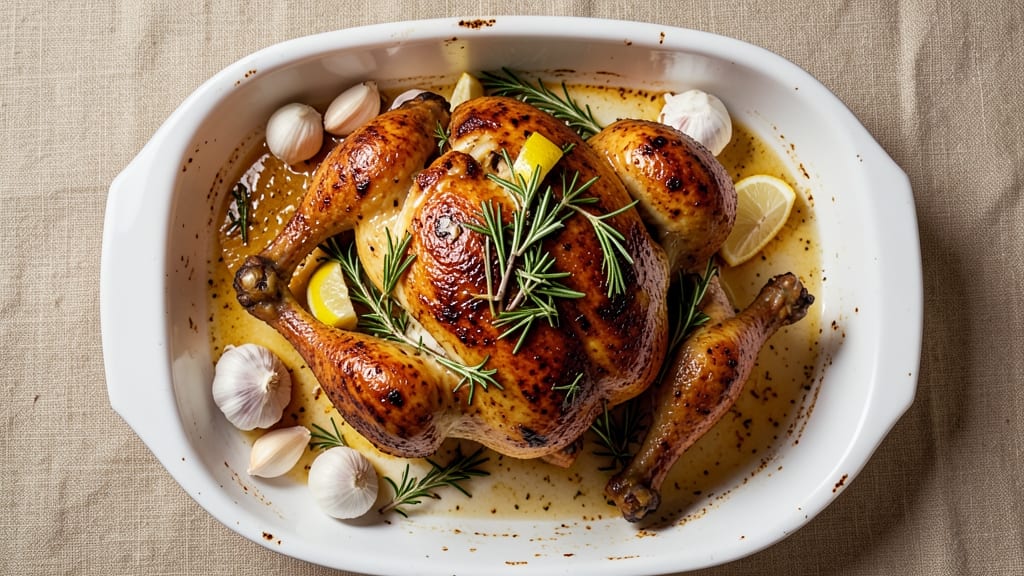
Martha Stewart's roast chicken recipe delivers that perfect balance of golden crisp skin and impossibly juicy center that makes every Sunday dinner feel special. I remember the first time I tried this method—my grandmother's kitchen filled with the aroma of garlic and herbs as the chicken roasted to perfection.
The secret lies in a simple brine and precise roasting technique that transforms ordinary chicken into something extraordinary.
What sets this recipe apart is the combination of a flavorful brine and herb butter basting that keeps the meat moist while creating that coveted crispy skin. Unlike many recipes that rely on complicated techniques, this method uses simple ingredients you likely already have in your pantry.
The result is a chicken that's tender enough to fall off the bone while maintaining a crisp exterior that's impossible to resist.
By the time you pull it from the oven, you'll have a chicken that's golden brown, fragrant with herbs, and bursting with flavor. The juices will run clear, and every bite will be perfectly balanced between crisp and tender.
This is the kind of roast chicken that makes guests ask for seconds and leaves your kitchen smelling like a home-cooked masterpiece.
Pair it with roasted vegetables or a fresh salad for a complete meal that feels both elegant and approachable. The technique is foolproof, and the results are restaurant-quality—perfect for anyone looking to elevate their weeknight cooking without the fuss. Let's get started on creating your own showstopping roast chicken.
Ingredients for martha stewart roast chicken
Simple pantry staples transform into Martha's legendary golden roast chicken.
| Ingredient | Amount | Notes |
|---|---|---|
| Whole Chicken 🍗 | 4 lb | Fresh, preferably organic |
| Kosher Salt 🧂 | ¾ cup | For brining and seasoning |
| Fresh Rosemary 🌿 | ¼ cup | Chopped, stems removed |
| Fresh Thyme 🌿 | ¼ cup | Leaves only, stems removed |
| Fresh Garlic Cloves 🧄 | 6 cloves | Peeled, smashed slightly |
| Unsalted Butter 🧈 | ½ cup | Cold, cubed |
| Extra-Virgin Olive Oil 🫒 | ¼ cup | For basting |
| Fresh Lemon Juice 🍋 | ¼ cup | Freshly squeezed |
| Black Peppercorns 🌶️ | 1 tbsp | Freshly cracked |
| Ground Black Pepper 🌶️ | 1 tsp | For finishing |
| Fresh Parsley 🌿 | ⅛ cup | Chopped, for garnish |
| Water 💧 | 4 cups | For brining |
The chicken is everything here. Whole, organic chicken (around 4 lbs) makes all the difference—look for birds with good marbling and vibrant color at Whole Foods or your local butcher. If you can't find organic, regular is fine, but trim any excess fat. The herbs? Fresh is non-negotiable—dried thyme will work in a pinch, but nothing beats the aroma of rosemary and thyme straight from the garden. For the garlic, smash those cloves with the side of your knife to release more flavor. And that butter? Cold and cubed—it's what creates that crisp skin magic.
No fresh rosemary? Dried works at half the amount, but trust me, it's worth hunting down. Short on butter? Olive oil or duck fat will do in a pinch. The lemon juice can be swapped for white wine vinegar if you prefer. For the brining, use ice-cold water—it helps the chicken absorb the flavor faster. If you're cooking for a crowd, you can double the brine recipe, but don't over-brine—4 hours max. And if you're worried about the chicken drying out, don't skip the basting—that's what keeps it juicy.
This chicken reheats beautifully, but honestly, it's best served fresh. Store leftovers in the fridge for 3-4 days, wrapped tightly in foil. For longer storage, freeze portions for up to 3 months. I always make extra—it's perfect for sandwiches or salads the next day. The herb butter? Make a double batch—you'll want it for everything. And if you're feeling fancy, save the juices from the roasting pan for gravy. Nothing goes to waste here.
Why You'll Love This Recipe
- Five-Ingredient Magic: I swear, this recipe proves you don’t need a fancy pantry—just a whole chicken, some salt, a sprig of rosemary, thyme, and garlic. That’s it. No brining, no basting, no stress. The chicken practically cooks itself while you sip wine and pretend you’re a domestic goddess.
- Crispy-Golden Obsession: Between us, that golden crust with the juicy pink center? It’s the kind of chicken that makes people pause mid-bite. The rosemary and thyme infuse the meat so deeply, every slice tastes like a hug from your grandma’s kitchen—just with a little more garlic punch.
- Weeknight to Dinner Party: Honestly, I’ve served this to my book club and my tired self on a Tuesday. Roast it for 45 minutes, let it rest, and boom—you’ve got a showstopper that’s still effortless. Add some crusty bread and a simple salad, and suddenly you’re hosting. (No one will know it took you 10 minutes.)
- Leftovers That Don’t Lie: This chicken is so good, you’ll want to eat it twice in one day. Shred the first batch for sandwiches, toss the second into pasta, or just reheat slices until crispy again. It’s the ultimate budget win—one bird feeds my family for days without breaking the bank.
Step-by-step instructions for Martha Stewart roast chicken
Here's how to achieve that legendary golden skin and moist center every time.
Prepare the Brine for Maximum Juiciness
In a large bowl, combine the 4 cups of water and 0.75 cup kosher salt, stirring until completely dissolved. This creates the brine that will infuse the chicken with flavor and moisture from the start. I always use a non-reactive container like glass or stainless steel to prevent any metallic taste from leaching into the water.
Place the 4 lb whole chicken in the brine, ensuring it's fully submerged. Cover and refrigerate for 12-24 hours—this extended time allows the salt to penetrate deeply, creating that signature juicy center. Real talk: don't skip this step. The flavor and texture difference is night and day compared to dry-brining or no brining at all.
Dry and Season the Chicken Thoroughly
After brining, remove the chicken from the brine and pat it completely dry with paper towels—inside and out. This drying step is absolutely critical for crispy skin. I press down firmly on the chicken with the paper towels, especially in the cavity and under the wings where moisture tends to linger. Wet skin equals steamed skin, and we're going for golden and crispy.
In a small bowl, combine the 0.25 cup fresh rosemary, 0.25 cup fresh thyme, 6 cloves fresh garlic cloves (smashed slightly), 1 tbsp black peppercorns (cracked), and 1 tsp ground black pepper. Rub this mixture all over the chicken, including inside the cavity. The fresh herbs and garlic will infuse the meat with incredible aroma while cooking. Don't be shy—press the seasoning firmly into the skin so it sticks.
Create the Herb Butter and Truss the Chicken
In a small bowl, mix the 0.5 cup unsalted butter with the 0.25 cup extra-virgin olive oil and 0.25 cup fresh lemon juice. This herb butter will bast the chicken during roasting, keeping it moist and adding layers of flavor. I like to use a fork to mash the butter slightly so it incorporates better with the other ingredients.
Truss the chicken by tucking the wing tips under the body and tying the legs together with kitchen twine. This helps the chicken cook more evenly and protects the delicate breast meat. Place the chicken breast-side up on a rack in a roasting pan. The rack allows hot air to circulate underneath, which is key for crispy skin on all sides.
Roast to Golden Perfection
Preheat your oven to 425°F. When it's fully preheated, slide the chicken into the oven. Roast for 1 hour, then carefully remove the chicken and spoon the herb butter mixture all over the skin. Return it to the oven and continue roasting for another 45-60 minutes, basting with the remaining herb butter every 15 minutes. The total cooking time will depend on your chicken's size, but you're aiming for an internal temperature of 165°F in the thickest part of the thigh.
You'll know it's done when the skin is deep golden brown and crispy, and the juices run clear when you pierce the thigh with a meat thermometer. The reason for basting frequently is that the butter keeps the skin moist enough to crisp properly while adding incredible flavor. Don't open the oven door during the last 30 minutes of cooking—this causes temperature fluctuations that can make the skin rubbery instead of crisp.
Rest and Serve with Herb Garnish
Transfer the chicken to a cutting board and let it rest for 15-20 minutes before carving. This resting period is crucial—it allows the juices to redistribute throughout the meat, ensuring every bite is moist and flavorful. I know it's tempting to cut into it immediately, but trust me on this step. The chicken will stay warm while it rests, and the texture will be much better.
While the chicken rests, chop the 0.125 cup fresh parsley and sprinkle it over the chicken just before serving. The bright, fresh flavor of the parsley cuts through the richness of the roasted chicken beautifully. Serve with the pan drippings reduced into a simple sauce if you like, or pour them over roasted vegetables for extra flavor. Each slice should be juicy in the center with crispy, golden skin that's packed with herb-infused flavor.
Pro Tips For Making Martha Stewart Roast Chicken
- Pat It Dry First: Martha’s recipe relies on that golden, crispy skin—so grab paper towels and really dry the chicken before seasoning. Even a damp spot means soggy skin, and we’re fighting for that texture here. (Yes, even if it looks weird to pat a whole chicken.)
- Roast on High, Then Low: Start at 425°F for the first 20 minutes to get that skin crackling, then drop to 375°F for the rest. Skipping the high-heat kick means dull flavor and a chicken that feels like it’s still raw in the middle.
- Slice the Herbs Thin: Chop rosemary and thyme into ¼-inch sticks—not just sprigs. Whole stems taste fine, but thin slices infuse the chicken faster and melt into the juices better. (I used to toss them in whole and wondered why it smelled good but tasted flat.)
- Let It Rest Under Foil: Pull the chicken out of the oven and cover it loosely with foil for 15 minutes before carving. This keeps the juices from spilling out while you prep the sides—no sad, dry meat here. (Trust me, I’ve sliced into it too soon and regretted it.)
Pro cooking tips for great martha stewart roast chicken
Brine Like a Pro
I can't stress enough how important the brining step is—this is where the magic happens. Use a large glass or stainless steel container to dissolve 0.75 cup kosher salt in 4 cups ice-cold water. The cold water helps the salt dissolve faster and keeps the chicken fresh longer.
For extra flavor, I sometimes add 1 tbsp fresh lemon juice or 2 crushed bay leaves to the brine. Place the chicken breast-side down in the container to ensure even flavor absorption. 💧
Drying is Key
After brining, pat the chicken completely dry—this is the secret to crispy skin. Use two layers of paper towels and press firmly, especially under the wings and in the cavity. I like to use a clean kitchen towel for the final wipe-down.
Pro tip: Let the chicken air-dry on a rack in the fridge for 30 minutes before seasoning. This extra step makes a noticeable difference in skin texture. ⏱️
Herb Butter Mastery
For the herb butter, I recommend using European-style unsalted butter (like Plugrá) for its higher fat content. Mix it with extra-virgin olive oil and lemon juice while it's still cold—this prevents the butter from melting prematurely.
Spread this mixture generously over the chicken skin before roasting. I find that using a pastry brush helps distribute it evenly without tearing the skin. 🧈
Temperature Control
Preheat your oven to 425°F and let it fully acclimate for 15-20 minutes before adding the chicken. Use an instant-read thermometer to check the internal temperature—165°F in the thickest part of the thigh is your target.
For even cooking, I recommend placing a wire rack in your roasting pan. This allows hot air to circulate underneath, preventing soggy skin. 🌡️
Basting Technique
Baste the chicken every 15 minutes during the last 45 minutes of cooking. Use a basterspoon or large spoon to spread the melted butter mixture evenly. This keeps the skin moist enough to crisp properly while adding layers of flavor.
The key is to baste quickly—don't let the oven temperature drop significantly. I also recommend closing the oven door as little as possible during this time to maintain consistent heat. 🔥
Resting Matters
Let the chicken rest for 15-20 minutes before carving—this allows the juices to redistribute, preventing dry meat. I like to tent it loosely with aluminum foil during resting to keep it warm.
For serving, I always garnish with fresh parsley and a sprinkle of flaky sea salt to enhance the flavors. The first time I skipped resting, I ended up with dry chicken—don't make that mistake! ✨
Nutrition facts
Frequently asked questions
Why does Martha Stewart's recipe use a brine instead of just seasoning the chicken?
The brine creates a juicy center by infusing moisture and flavor deep into the meat. A simple saltwater soak for 12-24 hours ensures every bite stays tender while building that signature crispy skin. Without brining, you risk dryness—especially in larger birds. Think of it as giving your chicken a flavorful head start!
Can I use a smaller chicken for this recipe?
Yes, but adjust cooking times accordingly. A 3 lb chicken will cook faster—aim for 1 hour 15 minutes total at 425°F. Always check internal temp with a thermometer (165°F in the thigh). Smaller birds need less time, but don't skip the brining or resting steps. The technique works for any size, just scale the time.
What's the best way to fix rubbery skin?
Rubbery skin happens when moisture gets trapped. To prevent it: pat the chicken bone-dry after brining, use a wire rack in the pan, and avoid opening the oven during the last 30 minutes. If it happens, broil for 2-3 minutes to crisp it up—but the real fix is perfect prep!
Can I make this chicken ahead of time?
Cook the chicken 1 day ahead, let it cool completely, then refrigerate wrapped in foil. Reheat at 350°F for 20-25 minutes until warmed through. The flavors actually deepen overnight. For serving, just crisp the skin under the broiler for 3-5 minutes before garnishing.
What sides pair best with this roast chicken?
Classic options include roasted root vegetables (carrots, parsnips), creamy mashed potatoes, or a simple herb salad. For something lighter, try steamed green beans with lemon zest. The herb butter drippings make great gravy—just reduce them with a splash of chicken broth.