
Main Courses
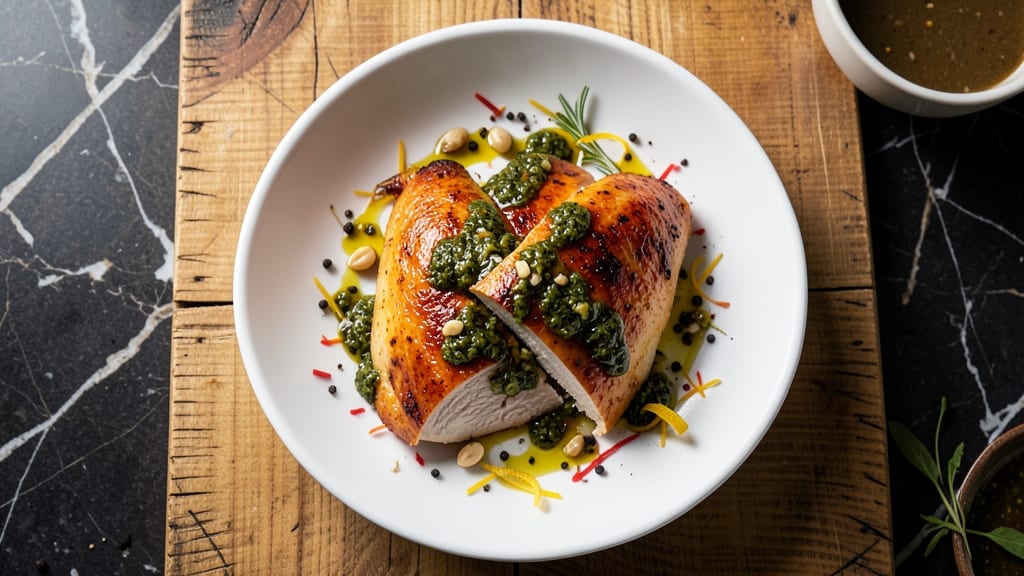
Barefoot Contessa's roasted chicken breast recipe delivers juicy, herb-infused perfection without the risk of dryness. The secret lies in a simple yet effective technique: brining the chicken followed by a high-heat roast with aromatic herbs and a touch of lemon.
I've perfected this method to ensure tender results every time, even with lean chicken breast, which can easily turn out tough. This approach transforms a simple weeknight dinner into something restaurant-worthy with minimal effort.
What sets this recipe apart is the brining process, which keeps the chicken moist and flavorful throughout cooking. After brining, we use a combination of fresh herbs, garlic, and lemon to create a fragrant crust that locks in juices.
The high heat of the oven ensures a golden, crisp exterior while maintaining a tender interior. This method is foolproof and works even for beginners, making it ideal for anyone looking to elevate their home cooking without complications.
By the end, you'll have golden, crisp-skinned chicken breasts infused with bright herb and citrus flavors, perfectly balanced between tender and slightly crisp edges. The aroma alone will have everyone gathering at the table, and the first bite will confirm why this technique is a game-changer.
Each piece stays moist and flavorful, proving that great chicken doesn't require complicated methods—just the right approach.
This recipe scales beautifully for any occasion, from a simple family dinner to entertaining guests. The technique ensures consistent results, so you can focus on enjoying your meal rather than stressing over dry chicken. Let's get started on creating restaurant-quality roasted chicken breast at home.
Ingredients for barefoot contessa roasted chicken breast
Juicy, herb-infused chicken breasts require only ten thoughtful ingredients—no shortcuts, just perfect technique.
| Ingredient | Amount | Notes |
|---|---|---|
| Boneless, Skinless Chicken Breasts 🍗 | 1 ½ lb | Even thickness, pounded to 0.5-inch |
| Kosher Salt 🧂 | ½ cup | Diamond Crystal preferred for clarity |
| Fresh Lemon Juice 🍋 | ¼ cup | From 1 large lemon, freshly squeezed |
| Fresh Rosemary 🌿 | ¼ cup | Finely chopped, stems removed |
| Fresh Thyme 🌿 | 2 tbsp | Leaves only, finely chopped |
| Garlic Cloves 🧄 | 4 cloves | Minced, for herb paste |
| Extra-Virgin Olive Oil 🫒 | ¼ cup | High-quality, fruity variety |
| Black Peppercorns 🌶️ | 1 tsp | Freshly cracked, coarse grind |
| Unsalted Butter 🧈 | 2 tbsp | Cold, cubed for basting |
| Fresh Lemon Zest 🍋 | 1 tbsp | From same lemon as juice |
The chicken breasts are the foundation, so choose even-sized pieces—thickness matters for even cooking. Whole Foods or Trader Joe's carry pre-pounded breasts, but pound them yourself if they're uneven. Look for plump, firm fillets with minimal connective tissue. The brining solution uses Diamond Crystal kosher salt (it dissolves more clearly than Morton) and fresh lemon juice—never bottled. For the herbs, Penzeys bulk bins offer the freshest rosemary and thyme, but grocery store bunches work if they smell vibrant. The olive oil should be fruity and peppery—avoid mild varieties that won't add character.
No Diamond Crystal salt? Morton kosher salt at 1.25x the amount works, but expect more residue. Substitute dried herbs? Use one-third the amount of fresh, but fresh delivers that restaurant-quality aroma. Short on time? Pre-minced garlic from a jar is fine, but fresh minced gives deeper flavor. The butter must be cold when basting—soft butter burns. For lemon, organic Meyer lemons add subtle sweetness, but regular lemons work too. Every ingredient here serves a purpose: salt tenderizes, herbs infuse, and lemon brightens.
Prep ahead by mixing the herb paste in advance and storing it in an airtight container for up to 3 days. The brined chicken stays fresh in the fridge for 2 days, but roast it within 24 hours for best texture. Leftovers reheat beautifully in a 350°F oven for 10 minutes with a splash of water. For meal prep, portion the herb paste into small jars—perfect for future roasts. The crisp skin is best eaten immediately, but the tender meat holds up well for 3 days refrigerated or 2 months frozen.
Why You'll Love This Recipe
- Five-Ingredient Magic: I swear by this combo—just chicken, lemon, salt, and those two herbs. No fancy marinades or last-minute shopping runs. Honestly, the rosemary and thyme do all the heavy lifting while I’m still debating what to make for dinner.
- No Dry Chicken Ever: The lemon juice keeps it juicy, and the roasting? It’s foolproof. That crispy edge with the tender center? I’ve made this recipe enough to know it’s the only way to cook chicken breasts without ending up with a sad, rubbery mess.
- Weeknight to Dinner Party: Same recipe, different occasions. Toss it on a sheet pan for a lazy Tuesday or dress it up with a side salad for guests. Between us, I’ve served this at my book club, and no one ever guessed it was a 20-minute meal.
- Leftovers That Don’t Suck: Seriously, this chicken stays good for days. Shred it for wraps, slice it for salads, or just reheat it straight up—it’s still the star. And because it’s budget-friendly, I can afford to make extra without feeling guilty.
Step-by-step instructions for herb-infused roasted chicken breast
This method guarantees tender, juicy chicken breasts with aromatic herb crusts—no dryness in sight.
Prepare the Herb Paste and Season the Chicken
In a small bowl, combine the 0.25 cup fresh rosemary, 2 tbsp fresh thyme, 4 cloves minced garlic, 1 tbsp fresh lemon zest, 0.25 cup extra-virgin olive oil, and 1 tsp freshly cracked black peppercorns. Use a fork to mash the herbs into a coarse paste, releasing their oils and flavors. This herb mixture forms the aromatic base that will infuse the chicken during roasting.
Meanwhile, place the 1.5 lb boneless, skinless chicken breasts on a cutting board and gently pound them to an even 0.5-inch thickness using a meat mallet. This ensures even cooking and prevents the centers from staying undercooked. Pat the chicken dry with paper towels—this step is critical for achieving crispy, golden-brown edges rather than steamed skin.
Create the Brining Solution and Marinate
In a large bowl, whisk together the 0.5 cup kosher salt and 0.25 cup fresh lemon juice until the salt fully dissolves. This creates a light brine that will penetrate the chicken, enhancing moisture retention and flavor. Place the pounded chicken breasts in the bowl, turning them to coat evenly. Let them marinate for 30 minutes at room temperature—this allows the salt and lemon to work their magic without over-shrinking the meat.
After marinating, remove the chicken from the brine and pat it dry once more with fresh paper towels. This final drying step ensures the herb paste will adhere properly and promotes crispiness. Spread the herb paste evenly over the surface of each chicken breast, pressing gently to help it stick. Cover the chicken loosely with plastic wrap and refrigerate for at least 1 hour or up to 4 hours. This chilling period allows the flavors to meld deeply.
Roast to Juicy Perfection
Preheat your oven to 425°F with a rack positioned in the middle position. Place the chicken breasts on a wire rack set inside a rimmed baking sheet—this allows hot air to circulate evenly around all sides. Scatter the 2 tbsp cold unsalted butter cubes around the chicken on the baking sheet. As the chicken roasts, the butter will melt and baste the meat, adding richness and preventing dryness.
Roast the chicken for 18-22 minutes, depending on thickness, until the internal temperature reaches 160°F when measured at the thickest part. You'll know it's done when the edges are golden brown and the chicken releases easily from the rack. The butter will bubble and brown slightly, creating a flavorful crust. For best results, avoid opening the oven door during cooking—this maintains consistent heat and prevents steam from interfering with the crisping process.
Rest and Serve
Transfer the roasted chicken to a cutting board and tent loosely with aluminum foil. Let it rest for 10-15 minutes before slicing. This resting period is essential—it allows the juices to redistribute throughout the meat, ensuring each bite remains moist and flavorful. During this time, the internal temperature will rise slightly to 165°F, reaching the safe serving temperature.
Slice the chicken against the grain into 0.5-inch thick portions and serve immediately. The result should be tender, juicy chicken with fragrant herb-infused edges and a perfect balance of saltiness from the brine and bright lemon notes. The crispy exterior contrasts beautifully with the moist interior, making every bite satisfying. Pair with roasted vegetables or a fresh herb salad for a complete meal.
Pro Tips For Making Barefoot Contessa Roasted Chicken Breast
- USE A MEAT THERMOMETER: I learned this the hard way—chicken breasts look done before they actually are. Aim for 165°F in the thickest part, not just when the juices run clear (they always do). Overcooking turns them dry, and undercooking? Well, let’s just say food safety isn’t worth the gamble.
- BRINE THE CHICKEN FIRST: Skip the dry rub—this recipe’s magic starts with a 30-minute brine in cold water, lemon juice, and half the salt called for. The acid tenderizes, and the salt penetrates evenly. Trust me, your knife won’t fight you when slicing later, and the flavor sticks like glue.
- DON’T CROWD THE PAN: I used to stack those breasts like pancakes, thinking they’d cook faster. Wrong. Give them space to breathe—arrange them in a single layer, even if it means two batches. The air circulates, so they brown instead of steam into soggy disappointment.
- PULVERIZE THE HERBS: Fresh rosemary and thyme need to be finely chopped or pulsed—not just torn. A quick whiz in a mini food processor or sharp knife chops them small enough to cling to the chicken, not float like confetti. (Yes, I’ve served that version. No, it wasn’t pretty.)
Storing and reheating this recipe
Refrigerator Storage
Store leftover roasted chicken in an airtight container for up to 3 days in the refrigerator. I recommend using glass containers like Pyrex with snap-on lids—they maintain freshness better than plastic.
Place the chicken in a single layer to prevent sticking, and cover it with a damp paper towel to retain moisture. When reheating, always check that the internal temperature reaches 165°F for safety. 💫
Freezer Prep Tips
For longer storage, freeze the chicken in portion-sized pieces wrapped tightly in plastic wrap before placing in a freezer bag. This method prevents freezer burn and makes it easy to grab just what you need.
Label each bag with the date—roasted chicken stays safe in the freezer for up to 2 months. Thaw overnight in the fridge before reheating for best texture. 🧊
Oven Reheating Method
My favorite way to reheat is in a 350°F oven for 10-12 minutes with a splash of water or chicken broth in the pan. This keeps the chicken moist and reheats evenly.
For extra flavor, add a pat of unsalted butter to the pan before reheating. Cover loosely with foil to prevent drying. Always slice against the grain for tender results. ✨
Microwave Safety
For quick reheating, use the microwave on 50% power for 1-2 minutes per piece, covered with a damp paper towel. Stir halfway through to distribute heat evenly. Avoid high power settings—they can dry out the chicken.
If the texture seems dry after reheating, add a few drops of lemon juice or olive oil to restore moisture. 🔥
Serving Leftovers
Repurpose leftover chicken into herb-infused chicken salad by shredding and mixing with mayonnaise, lemon juice, and fresh herbs. Or use it in pasta dishes like fettuccine Alfredo with a sprinkle of Parmesan cheese.
For sandwiches, layer with avocado, tomato, and arugula on crusty bread. The flavors only get better the next day! 🥪
Crispiness Revival
If reheated chicken loses its crispy edges, broil for 2-3 minutes at the end of reheating. Place the chicken on a baking sheet and watch closely to avoid over-browning.
A quick broil restores that satisfying texture while keeping the interior tender. This works especially well for sandwiches or salads where presentation matters. 💡
Nutrition facts
Frequently asked questions
Why does the recipe call for brining the chicken?
The brining process is key to preventing dryness in lean chicken breast. The salt and lemon juice solution penetrates the meat, enhancing moisture retention while adding subtle flavor. This technique ensures your roasted chicken stays juicy even when cooked at high heat.
Can I use bone-in chicken breasts instead?
Yes, but adjust your cooking time. Bone-in breasts take 5-10 minutes longer to reach 165°F internally. Place them skin-side down first to render fat, then flip halfway. The bone helps distribute heat more evenly, but monitor closely to avoid overcooking.
What if my chicken breasts are different sizes?
Pound them to 0.5-inch thickness for even cooking. If sizes vary, place the thicker pieces on the rack first—they'll need the extra time. Use a meat thermometer to check doneness at the thickest point, aiming for 160°F before resting.
How can I make this recipe ahead of time?
Prepare the herb paste and brine up to 2 days ahead, storing separately in airtight containers. Assemble the chicken just before roasting for best texture. For make-ahead meals, roast the chicken, then refrigerate for up to 3 days or freeze for 2 months.
What's the best way to check doneness without a thermometer?
Cut into the thickest part—the juices should run clear, not pink. The internal temperature should feel firm but still slightly springy. For extra safety, let the chicken rest 10-15 minutes after removing from the oven, as the temperature will rise 5°F during resting.