
Main Courses
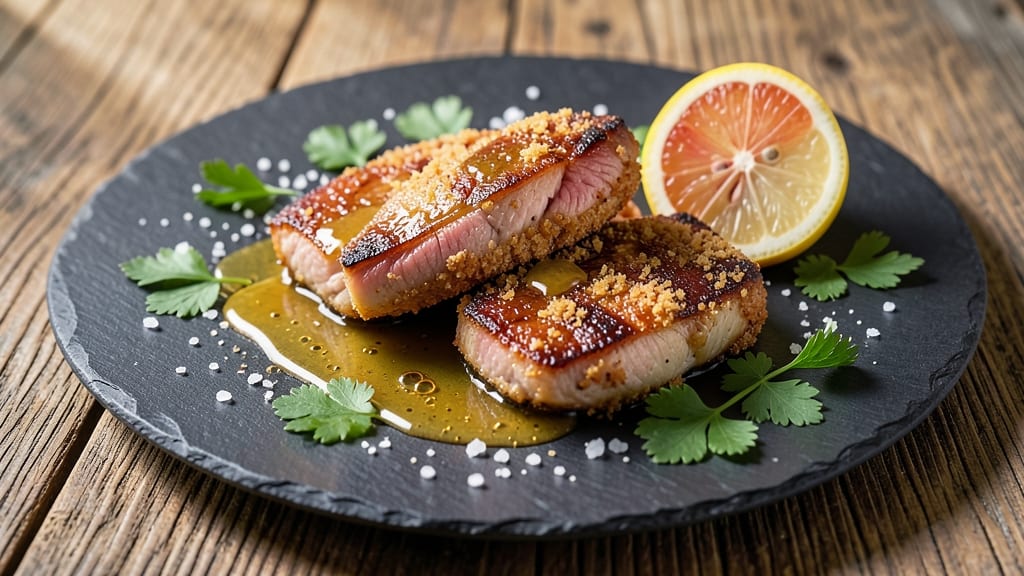
Frying chicken livers transforms these delicate morsels into a restaurant-worthy dish packed with unmatched richness and savory depth. The secret lies in proper preparation—soaking, seasoning, and precise pan-frying—to achieve that signature caramelized crust while keeping the interior tender.
I’ve perfected this method after years of testing, ensuring every bite delivers that perfect balance of texture and flavor.
What sets this recipe apart is the 15-minute cooking time, making it ideal for weeknight dinners or last-minute entertaining. Unlike traditional deep-frying, pan-searing in butter or oil creates a lighter, more refined result with a crispy exterior and velvety interior.
The key ingredients—lemon juice, flour, and aromatic herbs—elevate the natural richness of the livers, ensuring a dish that’s both elegant and approachable.
By the end, you’ll have golden-brown chicken livers with a crispy, caramelized crust and a juicy center, ready to be served with toasted bread or a fresh salad.
The technique is straightforward but requires attention to detail—no shortcuts here. This recipe delivers restaurant-quality results without the fuss, proving that simple ingredients can create extraordinary flavors.
For added versatility, consider serving these livers with a tangy dipping sauce or pairing them with roasted vegetables. The possibilities are endless, but the foundation remains the same: proper preparation and precise cooking. Let’s get started on creating a dish that’s sure to impress.
Ingredients for frying chicken livers
Delicate ingredients transformed through precise technique create restaurant-quality chicken livers in just 15 minutes.
| Ingredient | Amount | Notes |
|---|---|---|
| Fresh Chicken Livers 🍗 | 1 ½ lb | Trimmed of connective tissue |
| All-Purpose Flour 🌾 | ½ cup | For dredging, fine texture preferred |
| Unsalted Butter 🧈 | ½ cup | European-style preferred for flavor |
| Extra-Virgin Olive Oil 🫒 | ¼ cup | High-quality, fruity variety |
| Fresh Lemon Juice 🍋 | 2 tbsp | Freshly squeezed, no substitutes |
| Diamond Crystal Kosher Salt 🧂 | 1 tsp | Fine grain for even distribution |
| Freshly Ground Black Pepper 🌶️ | ½ tsp | Coarse grind for texture |
| Fresh Thyme Leaves 🌿 | ¼ cup | Finely chopped, stems removed |
| Garlic Cloves 🧄 | 2 cloves | Minced, for aromatics |
| Cold Water 💧 | 1 cup | Room temperature preferred |
| Fresh Parsley Leaves 🌿 | ⅛ cup | Chopped, for garnish |
The chicken livers require meticulous preparation—trim all connective tissue and silver skin before soaking in cold water for 15 minutes. This step prevents bitterness and ensures tender results. Purchase fresh livers from a trusted butcher—they should be bright red with no yellowing. For optimal texture, avoid pre-cut packages which often contain older product. The butter used for searing must be high-quality unsalted European-style—its rich flavor cannot be replicated with margarine or lower-grade butter. Store livers in an airtight container in the coldest part of your fridge.
Substitutions should be approached with caution—no butter? Use duck fat or high-smoke-point oil, but flavor will differ. Fresh lemon juice is non-negotiable; bottled versions lack the bright acidity needed to balance the richness. For thyme, dried works at one-third the amount, but fresh provides superior aroma. If you're short on parsley, cilantro or chives can substitute, though flavor will vary. The flour must be all-purpose for proper dredging—cake flour creates a gummy texture. When purchasing ingredients, prioritize freshness over convenience—pre-cut livers or pre-grated cheese won't yield the same results.
Proper storage extends freshness—wrap livers in paper towels before refrigerating to absorb moisture, then store in an airtight container for up to 2 days. The flour mixture can be prepped 1 day ahead and stored in the fridge. For longer storage, freeze livers in a single layer before transferring to a sealed bag for up to 3 months. When reheating, use low heat to prevent drying—these livers are best served immediately after cooking for optimal texture. The finished dish keeps 2 days refrigerated but loses some crispness with each reheating.
Why You'll Love This Recipe
- Pan in Hand: I swear by this recipe when I’m staring into the fridge at midnight. Just flour, butter, and a quick sear—no fancy prep, no waiting for marinades. The livers brown in minutes, and the lemon brightens everything up like a splash of sunshine.
- Rich Without Effort: That crispy crust from the butter and flour? Pure magic. Inside, the livers stay tender and packed with iron-rich flavor—no need for heavy sauces or complicated seasonings. Honestly, it’s the kind of dish that makes you want to lick the plate clean.
- Breakfast or Dinner: Serve them with toast and a fried egg for a hearty breakfast, or toss them into a grain bowl with greens for a weeknight dinner. They’re even great cold in sandwiches—yes, really. My kids beg for them at both meals, and I’m not complaining.
- Budget-Friendly Protein: A pound of chicken livers runs cheaper than most cuts of meat, and this recipe stretches it further. Leftovers? Reheat them in a pan with a little olive oil, and they taste just as good the next day. My wallet and my freezer both thank me.
Step-by-step instructions for frying chicken livers
Here's the method for achieving perfectly seared, tender chicken livers with a golden crust.
Prepare the Chicken Livers for Cooking
Begin by trimming any visible connective tissue or membrane from the 1.5 lb fresh chicken livers using a sharp knife. This ensures a cleaner texture and prevents bitterness. Rinse the livers thoroughly under cold water and pat them completely dry with paper towels—moisture is the enemy of a good sear.
In a small bowl, combine the 0.5 cup all-purpose flour, 1 tsp diamond crystal kosher salt, and 0.5 tsp freshly ground black pepper. Toss the livers in this mixture until evenly coated. I like to do this in batches to ensure each piece gets fully covered without overcrowding. Let them sit for 5 minutes to allow the flour to adhere properly before frying.
Sear the Livers in Butter and Olive Oil
Heat a large skillet over medium-high heat until it's hot but not smoking. Add the 0.5 cup unsalted butter and 0.25 cup extra-virgin olive oil to the pan, allowing them to melt and begin shimmering. This combination of fats creates a rich, flavorful base while preventing the livers from sticking.
Working in batches to avoid overcrowding, add the floured livers to the skillet. Press down gently on each piece with a spatula during the first 30 seconds of cooking to ensure even contact with the pan. Cook for 2-3 minutes per side until they develop a deep golden brown crust—this is your signal that they're perfectly seared. Remove the livers to a paper towel-lined plate to drain excess fat.
Deglaze and Infuse with Aromatics
In the same skillet, reduce the heat to medium and add the 2 cloves minced garlic cloves and 0.25 cup finely chopped fresh thyme leaves. Sauté for 30 seconds until the garlic becomes fragrant but doesn't brown. This step infuses the pan with deep, savory flavors that will carry into the final dish.
Pour in the 2 tbsp fresh lemon juice and 1 cup cold water, scraping up any browned bits from the bottom of the pan. Bring to a gentle simmer and let it reduce by half—this creates a glossy, flavorful sauce that will coat the livers beautifully. Taste and adjust seasoning with additional salt or pepper if needed.
Finish and Garnish
Return the seared livers to the skillet and spoon the reduced sauce over them. Let everything heat through together for 1-2 minutes, ensuring the livers absorb the aromatic flavors. The livers should be tender with a juicy interior and a crisp exterior—this is the hallmark of perfect preparation.
Transfer the livers to serving plates and garnish with the 0.125 cup chopped fresh parsley leaves. Serve immediately with crusty bread or over a bed of greens to soak up the rich pan sauce. The bright acidity of the lemon juice cuts through the richness, while the thyme and garlic add depth to every bite.
Pro Tips For Making Frying Chicken Livers
- Drain and Pat Dry: Chicken livers hold onto moisture like a sponge—skip the draining step, and you’ll end up with greasy, uneven cooking. Rinse them in cold water, then spread them on a paper towel and press down firmly for 30 seconds. This guarantees a proper crust instead of a sad, soggy mess.
- Use Two Pans: After burning three batches of livers in one pan, I finally learned: split them. Cook half in a nonstick skillet over medium-high heat, then move them to a second pan to finish. The first pan stays hot for the next batch, and you avoid overcrowding, which steams instead of sears.
- Salt the Flour Generously: The flour coating is your flavor anchor—don’t skimp on salt. Mix 1 teaspoon of kosher salt into the flour before dredging, and add another pinch to the lemon juice. This ensures every bite has depth, not just the exterior.
- Finish with Butter and Lemon: Off the heat, toss the livers in 2 tablespoons of melted unsalted butter and a splash of fresh lemon juice. The acid cuts through the richness, and the butter adds a glossy finish. Do this last—adding it earlier makes the coating greasy and uneven.
Wine and beer pairings for this frying chicken livers
Bright White Wines
For a refreshing contrast to the rich, buttery chicken livers, I recommend pairing them with a crisp Italian Pinot Grigio like La Spinetta. Its bright acidity and citrus notes cut through the dish’s richness beautifully, cleansing the palate between bites.
The 12-13% alcohol level ensures it won’t compete with the savory flavors—just enough structure to complement the dish. 🍷
Dry Rosé Options
A Provence-style rosé from Domaine Tempier offers a perfect balance of elegance and fruitiness. Look for one with strawberry and citrus undertones—these notes harmonize with the lemon juice in the pan sauce while adding a touch of sophistication.
The light body won’t overpower the delicate texture of the livers. I always keep a bottle chilled for last-minute entertaining!
Bitter Aperitif Pairings
For a bold twist, try a Campari or Aperol spritz—the bitter-sweet profile enhances the savory depth of the seared livers. Mix equal parts chilled Prosecco with Campari, a splash of soda water, and an orange slice.
The bitterness cuts through the richness, while the carbonation cleanses your palate. This pairing feels luxurious yet approachable for a weeknight meal.
Craft Beer Complements
A Belgian witbier like Leffe Blonde brings a citrusy, coriander-spiced profile that mirrors the thyme in the recipe. The light body and effervescence make it an ideal match—it won’t feel heavy but adds a subtle complexity.
For a bolder option, try a German wheat beer like Weihenstephaner Hefeweizen, which balances the dish’s richness with its malty sweetness and yeasty notes. 🍺
Sweet Dessert Wine
If you’re serving the livers as part of a larger meal, finish with a Moscato d’Asti—its light bubbles and peach notes feel like a natural progression from the savory dish.
The slight sweetness contrasts the salty, seared flavors without overpowering them. I love pairing this with a simple dark chocolate truffle to round out the meal.
Nutrition facts
Frequently asked questions
Why do I need to soak chicken livers before frying?
Soaking removes blood and impurities that can make the livers bitter or tough. A 15-minute cold water soak also helps tenderize the meat, ensuring a juicy interior even after searing. Skip this step and you risk dry, gamey-tasting results.
Can I use frozen chicken livers for this recipe?
Fresh is ideal, but if using frozen, thaw them overnight in the fridge first. Never microwave-thaw—it creates uneven cooking. Pat them completely dry after thawing to prevent splattering when searing. Frozen livers may release more water, so extend the soak to 20-25 minutes.
How do I prevent chicken livers from sticking to the pan?
Use a mix of butter and olive oil (never just butter) for high heat stability. Keep the pan at medium-high heat and avoid overcrowding—cook in batches if needed. Press gently with a spatula for 30 seconds to ensure full contact. A well-seasoned cast-iron skillet helps too!
What's the best way to reheat leftover fried chicken livers?
Reheat gently in a skillet over low heat with a splash of water or broth to restore moisture. Avoid microwaving—they'll turn rubbery. For best texture, serve fresh, but if reheating, keep it under 5 minutes to maintain crispness.
Can I substitute butter with another fat for frying?
For a lighter option, use duck fat or avocado oil (high smoke point). Olive oil alone isn't ideal—it can burn at high heat. Avoid margarine or vegetable shortening, which lack flavor and can make the crust greasy. The butter adds richness that's hard to replicate!