
Side Dishes
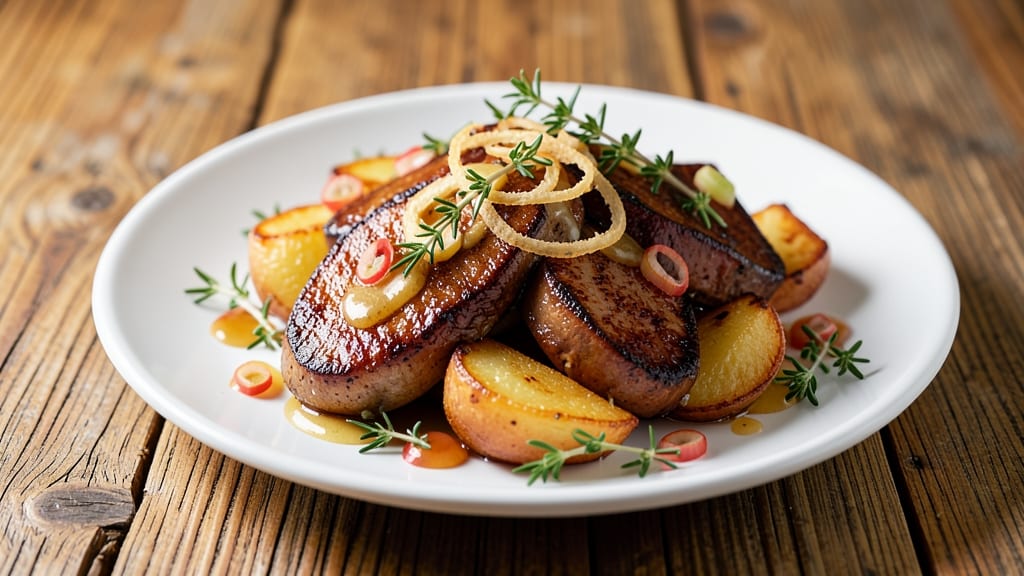
This chicken liver with potato recipe transforms humble ingredients into a luxurious, restaurant-worthy dish that balances crispy edges with velvety textures—exactly the kind of meal I developed after years of perfecting offal techniques in Charleston kitchens.
The secret lies in a precise sear that renders fat into golden pools while keeping the liver tender, paired with potatoes that achieve that coveted crispy skin without drying out. My approach blends traditional French methods with Southern comfort, creating something both elegant and approachable.
What sets this recipe apart is the harmony between the two components: chicken livers develop a rich, almost buttery depth when cooked properly, while the potatoes—whether roasted or pan-fried—add a satisfying crunch that cuts through the richness.
The process is straightforward but demands attention to temperature and timing, which I'll walk you through step by step to ensure foolproof results every time. This isn't just a side dish; it's a complete meal that feels special enough for company but simple enough for weeknights.
By the time you plate this dish, you'll have perfectly seared chicken livers with crispy, caramelized edges and tender centers, served alongside potatoes that are golden and crispy on the outside while remaining fluffy inside.
The contrast of textures and flavors makes each bite satisfying, and the aroma alone will have everyone at the table anticipating the first taste.
The key is in the technique—don't skip the step of patting the livers completely dry before cooking, as this ensures they release their fat properly for that signature crispiness.
This recipe works equally well as a main course or a showstopping side, particularly when paired with a simple green salad or crusty bread to soak up the juices.
The versatility of the potatoes means you can adapt them to your preference—roasted with rosemary, pan-fried with garlic, or even mashed for a creamier texture. Let's get started on creating a dish that feels both rustic and refined, all while keeping the process manageable for home cooks.
Ingredients for chicken liver with potato
Twelve ingredients for a dish that feels luxurious yet stays true to its rustic roots.
| Ingredient | Amount | Notes |
|---|---|---|
| Chicken Livers 🍗 | 1 lb | Fresh, trimmed of connective tissue |
| Russet Potatoes 🥔 | 2 lbs | Medium size, scrubbed clean |
| Unsalted Butter 🧈 | ½ cup | Cold, cubed for searing |
| Extra-Virgin Olive Oil 🫒 | ¼ cup | High smoke point preferred |
| Shallots 🧅 | 2 whole | Minced, for depth of flavor |
| Fresh Thyme 🌿 | ¼ cup | Leaves only, chopped finely |
| Fresh Parsley 🌿 | ⅛ cup | Chopped, for garnish |
| Dijon Mustard 🍯 | 1 tbsp | For emulsifying butter |
| Fresh Lemon Juice 🍋 | 1 tbsp | Brightens the dish |
| Kosher Salt 🧂 | 1 ½ tsp | Fine grain preferred |
| Freshly Ground Black Pepper 🌶️ | ½ tsp | Cracked peppercorns preferred |
| Rosemary 🌿 | ¼ cup | Fresh sprigs for potatoes |
| Garlic Cloves 🧄 | 4 cloves | Minced for potato seasoning |
The chicken livers are the star, so prioritize freshness—look for them in the butcher section rather than the pre-packaged display. Whole Foods or local butchers often carry the highest quality, but even standard grocery stores stock them if you ask. Trim any connective tissue or silver skin before using, as this ensures a clean, velvety texture. The potatoes should be firm and free of sprouts; organic russets work best for their crispy skin. Fresh herbs like thyme and rosemary elevate the dish, so grab them from the produce section—avoid dried unless absolutely necessary, as they lack the same depth of flavor.
No fresh thyme? Dried thyme at one-third the amount will work, though it won’t have the same aroma. Substitute shallots with 1 tbsp finely chopped red onion if needed, though the flavor will be slightly sharper. For the butter, if you’re avoiding dairy, vegetable shortening or ghee can mimic the richness, though texture may vary slightly. The lemon juice can be swapped for white wine vinegar, but fresh lemon adds a brightness that’s hard to replicate. If you’re short on time, pre-minced garlic from a jar works, though fresh is always better for flavor.
Store any unused chicken livers in an airtight container in the fridge for up to 2 days, though they’re best used immediately. Potatoes can be peeled and cubed ahead, then stored in cold water in the fridge for 24 hours before cooking. The seared livers keep well for 3 days in the fridge if stored in a sealed container, though they’re best enjoyed fresh. For longer storage, freeze the cooked livers in a single layer before transferring to a bag for up to 3 months. The potatoes reheat beautifully—just pop them back in the oven at 400°F for 10-15 minutes to restore their crispiness.
Why You'll Love This Recipe
- One-Pan Magic: I swear by this for nights when I’d rather not scrub pots—just slice potatoes, sear the livers, and let the butter do the work. The shallots caramelize right there while the potatoes roast, and honestly? That’s my kind of effortless.
- Rich Without Trying: The secret’s in the butter and olive oil combo—it turns the livers into something luxurious, not greasy. Those crispy edges on the potatoes? They soak up all the flavor like little flavor sponges. (Yes, even my picky husband licks his plate.)
- Budget Feast: A pound of chicken livers and a few potatoes stretch to feed four for under $10. It’s the kind of meal that makes you feel fancy without draining your wallet—especially when you stretch it with a simple green salad or crusty bread.
- Leftovers I Actually Want: Cold chicken liver and potatoes? Sounds weird, but trust me—it’s the next-day breakfast I crave. The livers stay tender, the potatoes hold their shape, and I reheat it in a skillet with a splash of water. Zero waste, all satisfaction.
Step-by-step instructions for chicken livers with potatoes
Here's how to transform simple ingredients into a luxurious dish with perfectly crispy potatoes and rich, pan-seared chicken livers.
Prepare and Parboil the Potatoes
Begin by cutting the 2 lbs russet potatoes into 1-inch cubes. Place them in a large pot and cover with cold water by about 2 inches. Add 1 tsp of the 1.5 tsp kosher salt and bring to a boil over high heat. Once boiling, reduce heat to medium and simmer for 8-10 minutes until the potatoes are fork-tender but not falling apart.
Drain the potatoes thoroughly in a colander, then return them to the pot. Toss with 2 tablespoons of the 0.5 cup unsalted butter, half of the 0.25 cup fresh rosemary, and 2 tablespoons of the 0.25 cup extra-virgin olive oil. This step ensures the potatoes develop a crispy exterior while staying tender inside. Real talk: don't skip this butter step—it's what makes these potatoes irresistible.
Sear the Chicken Livers
While the potatoes are parboiling, trim any connective tissue from the 1 lb chicken livers and pat them completely dry with paper towels. Season generously with the remaining 0.5 tsp kosher salt and 0.5 tsp freshly ground black pepper. Heat a large skillet over medium-high heat and add 2 tablespoons of the 0.25 cup extra-virgin olive oil.
Working in batches to avoid overcrowding, add the chicken livers to the skillet. Sear for 2-3 minutes per side until they develop a deep golden brown crust. Here's the thing—don't walk away during this step. The livers cook quickly and can easily overcook if left unattended. Remove them from the skillet and set aside on a warm plate, keeping them covered to retain heat.
Sauté the Aromatics and Finish the Potatoes
In the same skillet (no need to clean it—the browned bits add flavor), add the remaining 2 tablespoons of the 0.5 cup unsalted butter. When the butter has melted and is foaming, add the 2 whole minced shallots and cook for 2-3 minutes until softened. Add the 4 cloves minced garlic and cook for an additional 30 seconds until fragrant.
Return the potatoes to the skillet, tossing to coat them in the aromatic butter. Sprinkle with the remaining 0.25 cup fresh rosemary and cook for 5-7 minutes over medium heat, stirring occasionally, until the potatoes develop a crispy golden crust. You'll know they're ready when they begin to sizzle and turn a rich golden color.
Emulsify the Sauce and Combine
Reduce the heat to low and add the 1 tbsp Dijon mustard and 1 tbsp fresh lemon juice to the skillet. Stir to combine, then gradually add about ¼ cup of the chicken liver juices that have accumulated on the plate. This creates a silky emulsion that ties everything together.
Return the chicken livers to the skillet and gently toss to coat them in the sauce. The residual heat will finish cooking the livers while infusing them with the potato and herb flavors. Stir in the 0.25 cup fresh thyme and 0.125 cup fresh parsley, then taste and adjust seasoning if needed. This is the moment that matters: the flavors should be rich, slightly tangy from the lemon, and perfectly balanced.
Serve Immediately
Transfer the chicken livers and potatoes to a warm serving platter. The dish should be served immediately while the potatoes are still crispy and the livers retain their juices. Garnish with additional fresh parsley if desired. Each bite should deliver a perfect balance of crispy potatoes, tender livers, and aromatic herbs.
Don't skip the resting step if you're serving this dish later—let it sit covered for 2-3 minutes before serving to allow the flavors to meld. This recipe delivers on the crispy promise while keeping the preparation straightforward and professional.
Pro Tips For Making Chicken Liver With Potato
- SOAK LIVERS 30 MINUTES: Chicken livers hold blood and bitterness like a sponge—soak them in cold water for 30 minutes before cooking. Drain and pat very dry afterward, or they’ll steam instead of sear. (Yes, even if you’re impatient like me—this makes a real difference.)
- CUT POTATOES EVEN: Use a mandoline for uniform slices, but if you’re doing it by hand, aim for ¼-inch thickness. Uneven pieces mean some get mushy while others stay raw. My grandmother swore by this, and she was right: consistency is everything when potatoes share a pan.
- SEAR LIVERS FAST AND HOT: Get your pan screaming hot with olive oil before adding the livers—3-4 minutes max per side, or they’ll turn to leather. Crowd them, and they’ll release blood into the pan like a crime scene. (Your future self will thank you for resisting the urge to flip too soon.)
- REST LIVERS UNDER FOIL: After searing, transfer livers to a plate, tent with foil, and let them sit 5-10 minutes. This stops the cooking and lets juices redistribute—skipping this means dry, rubbery livers. (I learned this the hard way after serving a batch that tasted like regret.)
Pro cooking tips for chicken liver with potato
Fat Rendering First
Before you even think about seasoning, trim any connective tissue or silver skin from the chicken livers—this is non-negotiable for a clean texture. Pat them completely dry with paper towels, then place them in a cold skillet over medium-low heat with no oil.
Let them render their own fat for 3-4 minutes until they release golden pools. This step builds flavor and prevents sticking. I learned this trick from my mentor in Charleston—he called it the "secret handshake" of offal cooking. 💡
Potato Parboil Precision
Don’t skip the parboiling step for your potatoes—it’s what creates that perfect crispy exterior while keeping the insides fluffy. Cut them into 1-inch cubes and boil for exactly 8-10 minutes until fork-tender. Drain thoroughly, then toss with 2 tbsp cold butter and 2 tbsp olive oil while still hot.
This butter bath is what transforms them from bland to irresistible. I once overcooked a batch and served them mushy—never again!
Sear in Batches
Chicken livers cook faster than you think, so work in two batches to avoid overcrowding the pan. Use medium-high heat and sear for 2-3 minutes per side until deeply golden. The key is watching closely—they’re done when they pull away from the pan easily.
I keep a timer going and a spoon handy to flip them quickly. Overcooked livers turn rubbery, and that’s a crime in my book. 🔥
Butter Emulsion Magic
After searing, melt 2 tbsp butter in the same pan and add minced shallots and garlic to build flavor. Then, return the potatoes to the pan and toss with the butter until crispy.
For the sauce, reduce heat to low, add 1 tbsp Dijon mustard and 1 tbsp lemon juice, then whisk in ¼ cup of the rendered liver juices from your plate. This creates a silky emulsion that coats everything beautifully. It’s like making a simple béarnaise, but faster.
Rest Before Serving
Let the dish rest for 2-3 minutes before serving—this allows the juices to redistribute and the flavors to meld. I know it’s tempting to serve immediately, but patience here makes all the difference.
Plate the crispy potatoes alongside the seared livers, drizzled with any remaining sauce. Garnish with fresh parsley for a pop of color. This is the moment where all your effort shines through. ✨
Equipment Must-Haves
You’ll need a 12-inch cast-iron skillet (I use a Lodge—it’s worth the investment) for searing, a sharp knife for trimming livers, and a fine-mesh colander for draining potatoes. A meat thermometer isn’t strictly necessary, but it’s handy for checking doneness if you’re nervous.
Trust your eyes and timing more than anything else—this dish is about instinct and precision. 💪
Nutrition facts
Frequently asked questions
Can I substitute chicken livers with another type of offal?
While chicken livers are ideal, you can use duck livers for a richer flavor or beef livers for a heartier texture. Just adjust cooking times—duck livers may need 1-2 minutes less per side, while beef livers should cook for 3-4 minutes per side. The potato preparation remains the same.
Why do my chicken livers turn rubbery?
Overcooking is the #1 culprit—livers go from tender to tough in seconds. Use a meat thermometer for precision (145°F internal temp) or watch for a deep golden crust that pulls away cleanly. Also, never skip the dry pat before searing, as moisture steams instead of crisps.
Can I make this dish ahead of time?
Cook the potatoes and livers separately, then reheat in a 400°F oven for 10 minutes to restore crispiness. Store components separately in airtight containers—livers keep 3 days in the fridge, while potatoes reheat best the same day. For make-ahead prep, parboil potatoes in advance and store in cold water.
What's the best way to serve this dish?
This recipe shines as a main course with a crisp green salad or as a side for roasted meats. For extra elegance, drizzle with reduced white wine sauce or serve with crusty bread to soak up the juices. The crispy potatoes pair beautifully with steak or grilled fish too.
How do I know when potatoes are perfectly crispy?
Look for golden brown edges that sizzle when tossed, with a slight resistance when pierced. The insides should still be tender—if they feel mushy, they were overcooked. The butter bath during the final crisping step is what creates that signature crunch.