
Main Courses
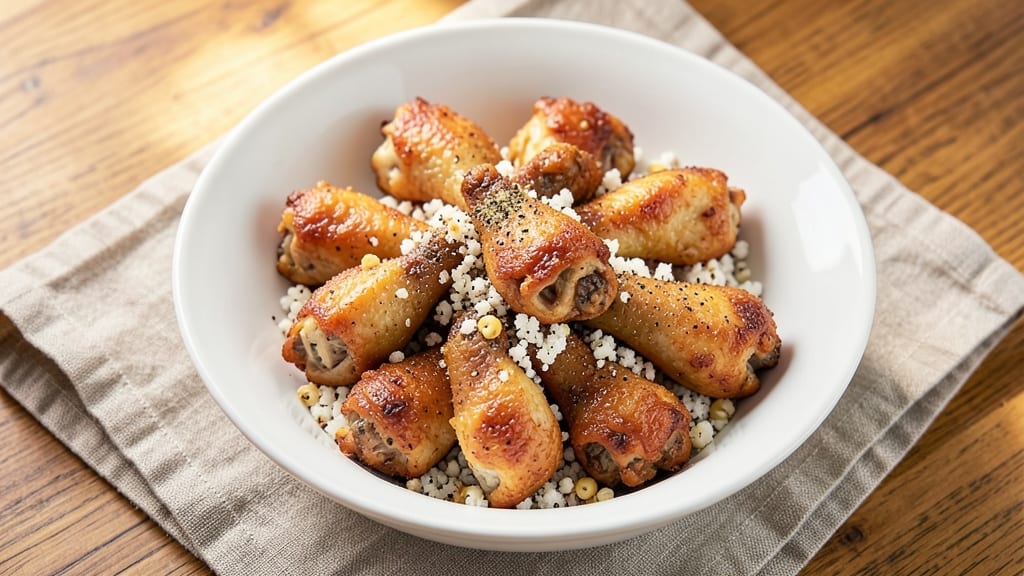
This copycat fried chicken recipe delivers the same golden crunch and juicy secret that made the original famous—every crispy bite is packed with flavor and tenderness. The key lies in precise seasoning, double-dredging for maximum crunch, and maintaining the perfect frying temperature.
I’ve perfected this method over countless batches, ensuring restaurant-quality results at home without shortcuts.
What sets this recipe apart is the attention to detail: a well-seasoned flour blend, a light but sturdy breading, and the critical resting period before frying. These steps transform ordinary chicken into something extraordinary—crispy on the outside, juicy on the inside, with a seasoning that clings perfectly.
The technique is straightforward, but the results speak for themselves.
By the time you’re done, you’ll have golden-brown chicken with a shatteringly crisp exterior and moist, flavorful meat inside. The secret? A balance of time and temperature that ensures no dryness, no greasiness—just pure, satisfying crunch. Serve with classic sides like mashed potatoes or coleslaw for the full experience.
This isn’t just fried chicken—it’s a game-changer for home cooks who crave that iconic taste without the guesswork. Let’s get started on recreating it step by step, so you can enjoy the same magic at your table.
Ingredients for copycat fried chicken
Just 12 ingredients transform ordinary chicken into legendary copycat fried chicken.
| Ingredient | Amount | Notes |
|---|---|---|
| Boneless, Skinless Chicken Thighs 🍗 | 2 lb | Cut into 2-inch pieces, patted dry |
| All-Purpose Flour 🌾 | 2 cups | For dredging and breading |
| Cornstarch 🌽 | ½ cup | For extra crispiness |
| Diamond Crystal Kosher Salt 🧂 | 1 ½ tbsp | Fine grain preferred |
| Black Pepper 🌶️ | 1 tsp | Freshly ground preferred |
| Garlic Powder 🧄 | 1 tsp | Not garlic salt |
| Paprika 🌶️ | 1 tbsp | Smoked variety for depth |
| Onion Powder 🧅 | 1 tsp | For savory base |
| Cayenne Pepper 🔥 | ¼ tsp | Adjust for heat preference |
| Buttermilk 🥛 | 1 cup | Full-fat for best results |
| Vegetable Oil 🫒 | 4 cups | High smoke point, like peanut oil |
| Fresh Lemon Wedges 🍋 | 2 whole | For serving, optional |
The chicken thighs are non-negotiable—bone-in, skin-on gives the best texture, but boneless works in a pinch. Grab thighs from the meat counter (not pre-breaded) and pat them very dry with paper towels. Trader Joe's or Whole Foods often have the best quality, but any supermarket will do. The key is freshness: if the meat smells off or feels slimy, skip it. For the buttermilk, full-fat is crucial—it tenderizes better than low-fat versions. Make it fresh by mixing powdered buttermilk with milk if you're in a hurry.
No buttermilk? Plain yogurt or sour cream thinned with milk works, but it won’t be identical. Running short on cornstarch? Extra flour or potato starch keeps things crispy, though cornstarch gives that signature crunch. The spices are where the magic happens—smoked paprika and cayenne are essential for that iconic flavor. Penzeys or bulk bins at natural markets have the best quality, but regular grocery store brands work fine if they’re fresh. Pro tip: Toast your spices in a dry pan for 30 seconds before using to wake up their flavors. The oil? Peanut oil is ideal (high smoke point, neutral flavor), but vegetable oil works too—just don’t reuse it.
This recipe reheats beautifully—350°F for 10 minutes keeps it crispy. Store leftovers in an airtight container for 3 days (if they last that long). For extra crispiness, freeze breaded pieces on a tray before bagging, then reheat straight from frozen. The lemon wedges? Freshly squeezed juice brightens up the flavor if you’re serving it later. Double the batch—this disappears faster than you can say 'second helping.'
Why You'll Love This Recipe
- No Fuss, Big Payoff: I swear by this method—just pat dry thighs, toss in flour-cornstarch mix, and fry. No brining, no marinating, no stress. The secret’s in that kosher salt-to-pepper ratio, which cuts through the fat and keeps the seasoning locked in.
- Crispy-Creamy Magic: That cornstarch in the flour coat? It’s the game. You get shatteringly crisp edges with a juicy, almost buttery interior—no soggy bits, no sad chicken. Honestly, it’s the kind of texture that makes you pause mid-bite.
- Weeknight or Crowd-Pleaser: Works for lazy Tuesdays or game days. Double the batch, freeze half, and you’ve got a 30-second reheat for future cravings. My college roommates called it “the easy party dish”—and they weren’t wrong.
- Budget Wins: Thighs are cheaper than breasts, and this recipe stretches further. A bag of flour and salt lasts for months, and the leftovers? Perfect for sandwiches, salads, or just microwaving straight up. (Yes, even on a Tuesday night.)
Step-by-step instructions for copycat fried chicken
Here's the method that delivers that legendary golden crust and tender, juicy meat every time.
Marinate the Chicken in Buttermilk
Cut the 2 lb boneless, skinless chicken thighs into 2-inch pieces and pat them completely dry with paper towels. This drying step is crucial—it prevents steam from forming between the meat and breading, which would make your crust soggy.
Place the chicken pieces in a large resealable bag or shallow dish. Pour the 1 cup of buttermilk over them, making sure each piece is fully coated. Add 1.5 tablespoons of diamond crystal kosher salt, 1 teaspoon of black pepper, 1 teaspoon of garlic powder, 1 tablespoon of paprika, 1 teaspoon of onion powder, and 0.25 teaspoon of cayenne pepper to the bag. Seal it and refrigerate for at least 4 hours, or overnight if possible. This long marinade time ensures maximum tenderness and flavor penetration.
Prepare the Breading Station
In a large bowl, combine the 2 cups of all-purpose flour and 0.5 cup of cornstarch. This cornstarch addition creates that signature extra-crispy texture. Add the remaining 1.5 tablespoons of diamond crystal kosher salt, 1 teaspoon of black pepper, 1 teaspoon of garlic powder, 1 tablespoon of paprika, 1 teaspoon of onion powder, and 0.25 teaspoon of cayenne pepper to the flour mixture. Stir everything together until evenly distributed.
Set up your breading station with three shallow dishes or plates. In the first dish, place the marinated chicken pieces. In the second dish, pour about 1 cup of the vegetable oil. In the third dish, place the flour mixture. This three-step breading process creates that perfect double-layered crust.
Fry to Golden Perfection
Heat 4 cups of vegetable oil in a deep fryer or heavy pot to 350°F. Use a deep-fry thermometer to monitor the temperature—this is critical for consistent results. You'll want to maintain this temperature throughout the frying process.
Working in batches to avoid overcrowding, remove a piece of chicken from the buttermilk and let any excess drip off. Then, dredge it in the flour mixture, pressing gently to adhere the coating. Lift the coated piece and let any excess flour fall off, then carefully lower it into the hot oil. Fry for 6-8 minutes per batch, turning once, until the chicken reaches an internal temperature of 165°F and the crust is a deep golden brown.
Drain and Serve
Transfer the fried chicken to a wire rack set over a paper towel-lined plate. This allows air to circulate and prevents the crust from becoming soggy. Let it drain for 5 minutes before serving.
Serve immediately with the 2 whole fresh lemon wedges on the side. The chicken should have a crispy, golden crust that shatters slightly when you bite into it, revealing tender, juicy meat underneath. Each piece should be cooked through but still retain its moisture—this is the secret to perfect fried chicken.
Pro Tips For Making Copycat Fried Chicken
- CRANK THE HEAT FIRST: Your oil should be smoking hot—350°F is the magic number—before a single piece of chicken hits the pan. I learned this the hard way after frying lukewarm thighs that turned out greasy instead of crispy. A good test? Toss in a pinch of flour; if it sizzles instantly, you’re ready.
- DREDGE TWICE, NOT ONCE: After the first flour-cornstarch mix, let the chicken sit for 30 seconds—this helps the coating adhere. Then, do a second quick dip in the seasoned flour blend (1 part cornstarch to 3 parts flour, plus salt and pepper). Sounds like overkill, but it’s the thing that matters most for that restaurant-style crunch.
- DON’T SKIP THE REST: Freshly fried chicken needs 5 minutes under foil to lock in moisture before serving. I used to serve it straight from the pan, and it’d always end up dry. This step also lets the crust set properly—no soggy bites here.
- USE KOSHER SALT LIKE IT’S A FLAVOR BOMB: Diamond Crystal is less dense than table salt, so don’t eyeball it—measure 1½ teaspoons per cup of flour mix. I was skeptical until I tried it: the seasoning sticks better, and the crust tastes more developed. Yes, even if you’re impatient like me, take the extra 10 seconds to level that salt.
Make-ahead tips for leftovers
Prep Ahead
Marinate the chicken in buttermilk up to 48 hours in advance—I often do this overnight while I'm sleeping. Store the bagged chicken in the fridge, and when you're ready to fry, simply drain the buttermilk and proceed with the breading.
The longer it marinates, the more tender and flavorful the chicken becomes. Just be sure to keep it sealed in an airtight container to prevent drying out. 🥛
Breading Prep
Mix your dry breading ingredients (flour, cornstarch, and spices) in a ziplock bag or airtight container up to 3 days ahead of time. This allows the spices to meld together, intensifying their flavor.
When you're ready to bread, just shake the bag to redistribute the spices—no need to measure again. Store it in a cool, dry place away from moisture. ✨
Fry in Batches
For large gatherings, fry the chicken in batches and keep the cooked pieces warm in a 200°F oven on a wire rack. This maintains crispiness while you finish frying.
I like to use a Lodge cast iron skillet for even heat distribution. Reheat any leftovers for 5-10 minutes at 350°F to restore that perfect crunch. 🔥
Freezer-Friendly
Bread the chicken pieces but don't fry them yet. Place them on a parchment-lined tray and freeze for 1 hour to set the coating. Transfer to a freezer bag with 1 inch of headspace for expansion.
When ready to cook, fry straight from frozen—just add 1-2 minutes to the cooking time. This is perfect for meal prep or holiday feasts. ❄️
Sauce Pairings
Make your favorite dipping sauces ahead of time and store them in small airtight containers in the fridge. I recommend honey mustard or ranch—both pair beautifully with this fried chicken.
For extra convenience, assemble full meals in advance: toss together coleslaw or mashed potatoes, then reheat just before serving. The chicken stays crispy when paired with cold sides. 🍯
Serving Strategy
Arrange your fried chicken on a large platter or individual plates right before serving. This prevents the crust from softening. Garnish with fresh parsley or lemon wedges for a pop of color and brightness.
For a restaurant-style presentation, use a wooden serving board or cast-iron skillet to keep everything warm. Serve immediately for that "just out of the fryer" experience. 🍗
Nutrition facts
Frequently asked questions
Why do I need to marinate the chicken in buttermilk for so long?
The extended 4-hour (or overnight) marinade in buttermilk does three critical things: tenderizes the meat, infuses it with flavor, and creates a perfect base for the breading to adhere. The acidity in buttermilk breaks down proteins, ensuring juicy results. Skipping this step often leads to dry, flavorless chicken.
Can I use chicken breasts instead of thighs?
Chicken breasts are leaner and more prone to drying out during frying. If you must use them, brine them first in 1 cup salt + 4 cups water for 30 minutes to retain moisture. They'll still work, but thighs deliver that signature juicy texture this recipe promises.
What's the secret to getting that ultra-crispy crust?
The magic lies in three steps: double-dredging (buttermilk → flour → oil), using cornstarch in the flour mix, and maintaining 350°F oil temperature. Also, let the fried chicken rest on a wire rack for 5 minutes to firm up the coating. Cold oil or overcrowding kills crispiness.
How do I fix soggy fried chicken?
Soggy crust usually means steam got trapped. To fix it, broil the chicken for 2-3 minutes at 400°F to crisp up the coating. For prevention: pat chicken bone-dry before breading, use fresh buttermilk, and avoid overcrowding the fryer.
What's the best way to reheat leftovers without losing crispiness?
Reheat in a 400°F oven for 5-7 minutes on a wire rack (not a plate) to allow air circulation. For extra crunch, sprinkle with 1 tsp water and broil for 1 minute after reheating. Microwaving destroys the texture—avoid it at all costs.