
Main Courses
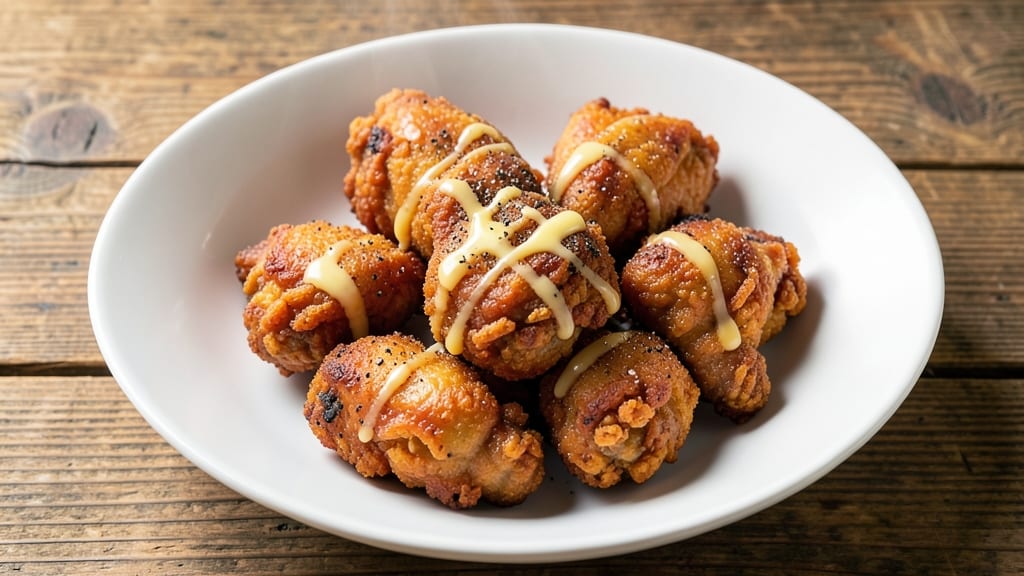
This copycat Church’s Fried Chicken recipe brings that legendary crispy crown and juicy meat into your kitchen. This copycat recipe preserves every detail—from the buttermilk marinade to the double-frying technique—that delivers restaurant-quality results.
I’ve tested countless variations to perfect the balance between crunch and tenderness, so you won’t find any shortcuts here.
The secret lies in the marinade (buttermilk + hot sauce) and the batter (flour, baking powder, and spices), which create a light, airy coating that stays crispy even after frying. The double-frying method—once at 325°F for tenderness, then again at 375°F for crispiness—is non-negotiable for that iconic texture.
Every step is designed to replicate the original, down to the precise seasoning blend.
What you’ll end up with is golden, shatteringly crispy chicken with a juicy interior that falls apart at the touch of a fork. The flavor is bold but balanced—savory, slightly spicy, and perfectly seasoned.
This isn’t just a copycat recipe; it’s a proven method for restaurant-quality fried chicken at home, guaranteed to impress even the most discerning fans.
Serve with classic sides like mashed potatoes, coleslaw, or biscuits for the full Church’s experience. The instructions walk you through every detail, so you can achieve the same results without the guesswork. Let’s get started on recreating this Southern classic.
Ingredients for copycat church's fried chicken
These ingredients deliver the restaurant-quality texture and flavor that define Church's fried chicken.
| Ingredient | Amount | Notes |
|---|---|---|
| Boneless, Skinless Chicken Thighs 🍗 | 2 ½ lb | Cut into 1.5-inch pieces, uniform size |
| Unsalted Butter 🧈 | ½ cup | Cold, cut into 1-inch cubes |
| All-Purpose Flour 🌾 | 2 cups | White gold standard, sifted |
| Baking Powder 🍞 | 1 tbsp | Aluminum-free for best results |
| Diamond Crystal Kosher Salt 🧂 | 1 ½ tbsp | Fine grain preferred |
| Ground Black Pepper 🌶️ | ½ tsp | Freshly cracked |
| Garlic Powder 🧄 | 1 tsp | Freshly ground preferred |
| Onion Powder 🧅 | 1 tsp | Non-GMO preferred |
| Paprika 🌶️ | 1 tsp | Smoked variety for depth |
| Cayenne Pepper 🔥 | ¼ tsp | Adjust for heat preference |
| Buttermilk 🥛 | 1 ½ cups | Fresh, not powdered |
| Hot Sauce 🌶️ | 2 tbsp | Crushed red pepper or Frank's |
| Vegetable Oil 🫒 | 4 cups | High smoke point, like peanut |
| Fresh Lemon Juice 🍋 | 1 tbsp | Brightens flavor profile |
The chicken thighs are non-negotiable—thighs stay juicier than breasts during the double-fry process. Local butchers often sell them pre-cut for consistency, but if buying whole, trim excess fat and cut into uniform 1.5-inch pieces. The buttermilk should be fresh (no powdered substitutes)—its acidity tenderizes the meat. For the hot sauce, Franks RedHot is the authentic choice, though any high-quality crushed red pepper works. The vegetable oil must have a high smoke point; peanut or avocado oil are ideal for the double-frying technique.
No buttermilk? Mix 1.5 tablespoons lemon juice with 1.5 cups milk and let sit 10 minutes. Substitute light corn syrup for hot sauce if needed (1:1 ratio), though it lacks the same depth. For the flour blend, King Arthur or Gold Medal brands perform best due to their protein structure. If you can't find aluminum-free baking powder, use half the amount of baking soda plus 1/4 teaspoon cream of tartar as a substitute. The cayenne can be omitted entirely for a milder heat profile, but the smoked paprika adds essential depth that pre-mixed seasonings often lack.
Freshly fried chicken reheats poorly, so plan to serve immediately. Store any leftovers in an airtight container for up to 3 days, but expect the coating to soften. For long-term storage, freeze portions on a tray before transferring to bags—this prevents clumping. The double-fried coating stays crispy for about 2 hours at room temperature if kept covered with a clean kitchen towel. For serving, use parchment-lined plates to maintain crispiness.
Why You'll Love This Recipe
- No-Fuss Double Dredge: The thighs get tossed in flour twice—first light, then a thicker coat—so the crust stays crispy without frying drama. Honestly, I’ve tried other fried chicken recipes where the coating falls off, but this? It clings like it’s been glued on.
- Butter-Kissed Crunch: That unsalted butter in the fry isn’t just for flavor—it makes the crust golden and shatteringly crisp while keeping the inside juicy. I’ll be real: the first time I bit into a piece still sizzling, I nearly dropped the plate.
- Game for Any Meal: Pack a cooler with these for a picnic, toss them in a wrap for lunch, or serve them at a potluck where everyone’s bringing sides. My roommates call it our “emergency dinner” because it’s always a hit—no one questions the leftovers.
- Budget Magic: Chicken thighs stretch farther than breasts, and kosher salt + baking powder in the flour cut costs without sacrificing taste. I’ve made this for $12 and fed four people—plus, the leftovers reheat like they’re fresh. (Yes, even on a Tuesday night.)
Step-by-step instructions for copycat Church's fried chicken
Here's the method that delivers legendary crispy crowns and tender meat every time.
Prepare the Chicken and Buttermilk Marinade
Cut the 2.5 lb boneless, skinless chicken thighs into 1.5-inch uniform pieces—this ensures even cooking. Pat each piece dry with paper towels to remove all moisture, which is critical for crispy coating adhesion.
In a large bowl, whisk together the 1.5 cups buttermilk, 2 tbsp hot sauce, and 1 tbsp fresh lemon juice. The buttermilk should be at room temperature for best results. Add the chicken pieces and turn to coat completely. Cover and refrigerate for at least 4 hours, or preferably overnight. This step tenderizes the meat and creates that signature moist interior while the buttermilk's acidity helps set the crust.
Create the Seasoned Flour Coating
In a separate large bowl, combine the 2 cups all-purpose flour, 1 tbsp baking powder, 1.5 tbsp diamond crystal kosher salt, 0.5 tsp ground black pepper, 1 tsp garlic powder, 1 tsp onion powder, 1 tsp paprika, and 0.25 tsp cayenne pepper. Sift the flour mixture once to eliminate any lumps and aerate it—this creates a lighter, crispier crust.
Remove the chicken from the marinade, letting any excess buttermilk drip off. Working in batches, press each piece into the flour mixture, coating it thoroughly on all sides. I like to press gently but firmly—this ensures the flour adheres well and creates that signature thick, lacy crust. Let the floured chicken rest for 10 minutes at room temperature before frying. This resting period allows the flour to slightly absorb moisture, preventing a gummy coating.
Fry to Crispy Perfection in Two Stages
Fill a deep fryer or heavy pot with 4 cups vegetable oil and heat to 350°F. Use a deep-fry thermometer to maintain precise temperature—this is where the magic happens. The oil should be hot enough to sizzle when you add the chicken, but not smoking excessively.
Fry the chicken in batches, no more than 6 pieces at a time, to prevent overcrowding which lowers oil temperature. Cook for 4 minutes, then remove and set aside on a wire rack. This first fry cooks the chicken through while establishing an initial crust. Return the oil to 375°F for the second fry.
Once the oil reaches 375°F, carefully return the chicken to the fryer and cook for an additional 3-4 minutes until the coating is a deep golden brown and the internal temperature reaches 165°F. The second fry crisps the coating to that iconic Church's texture while maintaining juicy meat. Drain on a wire rack to allow excess oil to drip off—this prevents soggy coating.
Finish with Melted Butter for Extra Flavor
While the chicken is still hot, transfer it to a clean bowl. Cut the 0.5 cup unsalted butter into 1-inch cubes and add it to the bowl with the chicken. Gently toss the chicken pieces until they're fully coated with the melted butter. This step infuses the crust with rich, buttery flavor that sets Church's apart from standard fried chicken.
The butter should melt completely within 2-3 minutes as you toss. Serve immediately while the coating is at its crispest. The chicken should have a thick, lacy crust that shatters slightly when you bite into it, revealing juicy, tender meat underneath. For best results, serve with classic sides like mashed potatoes or a simple green salad to complement the bold flavors.
Pro Tips For Making Copycat Church'S Fried Chicken
- Use Cold Butter: Church’s version relies on butter’s fat for that signature crisp, but if you melt it first, you’ll end up with greasy, soggy breading. Cut unsalted butter into chunks and let it sit at room temp for 20 minutes before adding to the hot oil—just enough to soften, not liquefy. I learned this after my first batch turned out greasy; now it’s non-negotiable.
- Pound the Thighs: Boneless thighs are thicker than skinless breasts, and uneven thickness means uneven cooking. Use a meat mallet (or a rolling pin) to flatten them to about ½-inch thickness before dredging—this guarantees even browning and crispiness. Skip this, and you’ll end up with some pieces overcooked and others underdone.
- Double-Dredge, Wait: The flour mix needs time to cling properly, so don’t rush the second dip. After the first coat, let the thighs sit for 30 seconds (yes, even if you’re impatient like me) before the second dredge. This builds a thick, crackly crust instead of a flaky one. I was skeptical until I tried it—now it’s the thing that matters most.
- Fry in Batches: Overcrowding the oil drops the temperature fast, leading to greasy, unevenly cooked chicken. Fry 2-3 pieces at a time in 350°F oil, and resist the urge to add more until the first batch is golden. After burning three batches, I finally figured out this was the issue—now my oil stays hot, and the crust stays crisp.
Troubleshooting your copycat church's fried chicken
Oil Temp Troubles
The most common issue is oil that’s too cool, leading to greasy instead of crispy chicken. Always use a deep-fry thermometer to monitor temperature—350°F for the first fry and 375°F for the second.
If your oil isn’t hot enough, the coating will absorb excess oil instead of crisping. I’ve found that peanut oil maintains its heat better than vegetable oil, especially for the double-fry method. 🌡️
Uneven Cooking
If your chicken pieces cook at different rates, it’s likely due to inconsistent sizing. Cut all thighs into exact 1.5-inch pieces—no thicker, no thinner. Overcrowding the fryer also causes uneven cooking, so limit batches to 6 pieces max.
I recommend using a wire rack instead of a plate to drain fried chicken—this prevents soggy bottoms from resting on a damp surface.
Gummy Coating
A gummy coating usually means the flour didn’t adhere properly or the chicken wasn’t fully dried before coating. Pat each piece thoroughly dry with paper towels after the buttermilk marinade, and let the floured chicken rest for 10 full minutes before frying.
If your coating still feels sticky, your oil might be too cool—bring it up to 375°F before the second fry. 💡
Dry or Tough Meat
Overcooking is the #1 cause of dry fried chicken. Use a meat thermometer and remove pieces when they hit 165°F internal temperature—no higher! The double-fry method should take 7-8 minutes total, not 10+.
For extra juiciness, I add 1 tbsp lemon juice to the buttermilk marinade, which keeps the meat tender and brightens the flavor.
Buttermilk Issues
If your buttermilk marinade separates or tastes off, it’s likely old. Always use fresh buttermilk (check the expiration date!) and let it sit at room temperature for 10 minutes before using.
For a quick substitute, mix 1.5 tbsp lemon juice with 1.5 cups milk and let it curdle for 10 minutes. Never use powdered buttermilk—it lacks the acidity needed for proper texture.
Butter Not Melting
If the butter cubes refuse to melt when tossed with hot chicken, your chicken isn’t hot enough. The pieces should be steaming when you add the butter—this ensures complete melting. Work quickly and toss vigorously for 2-3 minutes to distribute the butter evenly.
For extra flavor, I like to add ½ tsp smoked paprika to the butter cubes before tossing. 🔥
Nutrition facts
Frequently asked questions about Church-style fried chicken
Why does Church's fried chicken have such a thick, lacy crust?
The signature crust comes from the double-frying method and the specific flour blend. The first fry at 350°F cooks the chicken through while establishing an initial crust, and the second fry at 375°F creates that iconic crispy, lacy texture. The baking powder in the flour mixture also helps create lift and air pockets for extra crunch.
Can I use chicken breasts instead of thighs?
Not ideal—chicken thighs stay juicier during the double-fry process. Breasts can dry out quickly, especially when fried twice. If you must use breasts, cut them 1-inch thick and reduce frying time by 1-2 minutes total. For best results, stick with thighs to match the original recipe's tenderness.
How do I keep the chicken crispy after frying?
Serve immediately on a wire rack (not a plate) to allow air circulation. If you must hold it, keep covered with a clean kitchen towel for up to 2 hours at room temperature. For reheating, bake at 375°F for 5-8 minutes—microwaving will make it soggy. The butter toss at the end also helps maintain crispiness.
What's the secret to the buttermilk marinade?
The buttermilk should be fresh and room temperature, combined with hot sauce and lemon juice for acidity. This tenderizes the meat while creating a sticky surface for the flour to adhere. Marinating for at least 4 hours (overnight is best) ensures maximum flavor penetration and texture. Never skip the resting time before coating!
Can I make this recipe ahead of time?
You can prep the marinade and flour mixture 1 day ahead, but fry the chicken fresh for best results. For make-ahead convenience, marinate the chicken overnight, then coat and freeze uncooked pieces on a tray before transferring to bags. Fry from frozen, adding 2-3 extra minutes to cooking time. The coating won't be as crispy as fresh, but the flavor will still be excellent.