
Sauces & Condiments
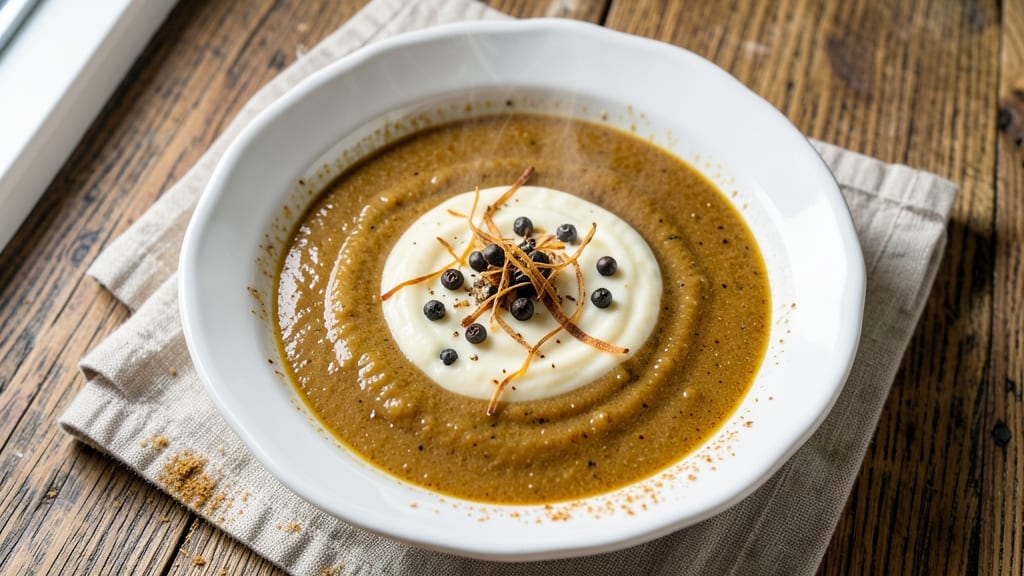
Skip the jar and master this Campbell’s cream of chicken soup gravy recipe—your homemade version will be richer, smoother, and packed with restaurant-style flavor. This homemade version delivers that signature Campbell’s-style richness with a smooth, thickened texture that clings perfectly to mashed potatoes, meatloaf, or biscuits.
The secret lies in a proper roux, slow simmering, and a balance of cream and broth to create a sauce that’s both creamy and velvety.
What sets this gravy apart is its foolproof thickening technique, which eliminates lumps and ensures a silky finish every time. You’ll start with equal parts butter and flour to build a flavorful base, then gradually whisk in chicken broth and heavy cream while simmering until thickened.
Seasoning with poultry seasoning and a pinch of black pepper enhances the classic cream-of-chicken taste without overpowering it.
The result is a velvety gravy that’s rich, smooth, and ready to elevate any meal—whether poured over creamy mashed potatoes, drizzled over roasted chicken, or used as a base for soups.
This recipe makes enough for multiple servings, and it stores beautifully in the fridge for up to five days or freezes for up to three months, so you can always have a homemade version on hand.
For extra depth, stir in a splash of lemon juice or a dash of garlic powder before serving, but the basic recipe delivers all the comforting, creamy goodness you’d expect from a jar—just better.
Let’s get started on making gravy that tastes like it came from a family recipe, not a can.
Ingredients for campbell's cream of chicken soup gravy
Nine simple ingredients transform into velvety Campbell’s-style gravy—richer, smoother, and lump-free.
| Ingredient | Amount | Notes |
|---|---|---|
| Unsalted Butter 🧈 | ½ cup | Cold, cut into small cubes |
| All-Purpose Flour 🌾 | ½ cup | Sifted for smooth texture |
| Chicken Broth 🍲 | 2 cups | Low-sodium preferred |
| Heavy Cream 🥛 | 1 cup | Full-fat for richness |
| Poultry Seasoning 🍗 | 1 tbsp | Classic blend preferred |
| Black Pepper 🌶️ | ½ tsp | Freshly ground preferred |
| Garlic Powder 🧄 | ½ tsp | For subtle depth |
| Salt 🧂 | ½ tsp | Kosher or sea salt |
| Lemon Juice 🍋 | 1 tbsp | Freshly squeezed |
The butter and flour form the foundation—this is where the gravy’s signature thickness and flavor develop. Use unsalted butter (salted can alter seasoning balance) and all-purpose flour (not self-rising or cake flour). For the best results, melt the butter over medium-low heat and whisk in the flour to create a roux—this should take about 3-4 minutes until it turns a golden blond color. The chicken broth matters too; opt for low-sodium to control seasoning, or use homemade for deeper flavor. Store-bought broth works fine, but avoid the ultra-low-sodium varieties—they lack punch.
No heavy cream? Half-and-half or whole milk will work, though the gravy will be slightly lighter. Short on poultry seasoning? Combine 1 tsp dried thyme, 0.5 tsp dried sage, and 0.25 tsp dried marjoram—it’s the same blend. The lemon juice brightens the dish, but if you’re serving with something acidic (like tomato soup), you can skip it. For extra richness, stir in 1 tbsp cream cheese at the end. The garlic powder is optional but adds subtle depth; if you prefer fresh garlic, sauté 1 minced clove with the roux. Diamond Crystal kosher salt dissolves smoothly—avoid table salt for precise seasoning.
This gravy thickens as it cools, so stir in a splash of warm milk or broth if it’s too stiff. Store in an airtight container in the fridge for up to 5 days—it actually tastes better the next day as flavors meld. For freezing, portion into ice cube trays, then transfer to a bag. Thaws perfectly and reheats beautifully. Double the batch—it’s perfect for meal prep and elevates everything from mashed potatoes to meatloaf.
Why You'll Love This Recipe
- Three-Ingredient Base: I swear by this trick—just butter, flour, and broth. That roux alone? It’s the secret to gravy that isn’t just thick but rich, like a hug in a bowl. No fancy techniques, no stress.
- Creamy Without the Guilt: The heavy cream turns this from good to dangerously good—smooth, velvety, and just thick enough to coat every bite. Honestly, once you taste it, you’ll never go back to store-bought again.
- Weeknight Superstar: This is my go-to when I’m starving but don’t want to slave over dinner. Toss it over mashed potatoes, roasted chicken, or even biscuits—it’s the kind of gravy that makes lazy nights feel like a celebration.
- Leftovers That Don’t Suck: Between us, most gravy leftovers turn into glue. Not this one. The poultry seasoning keeps it bright, and the cream prevents it from drying out. I’ve reheated this for days, and it’s still ridiculously good.
Step-by-step instructions for creamy homemade chicken gravy
This method delivers restaurant-quality richness with simple pantry staples.
Melt Butter and Whisk in Flour
In a medium saucepan over medium heat, melt the 0.5 cup unsalted butter until it stops bubbling and becomes completely liquid. Watch closely—you want it to foam but not brown. This takes about 2-3 minutes on medium heat.
Once the butter is melted, immediately reduce the heat to low and whisk in the 0.5 cup all-purpose flour using a wooden spoon or whisk. Stir continuously for 1-2 minutes until the mixture forms a smooth, pale roux with no floury texture. This step is crucial—it removes the raw flour taste and creates the velvety base for your gravy. If you see any lumps, strain the mixture through a fine-mesh sieve to ensure silky smoothness.
Cook the Roux Until Nutty
Continue cooking the roux on low heat for 3-4 minutes, stirring constantly, until it turns a light golden color and emits a nutty aroma. You're looking for a color similar to pale toast—not brown, but definitely deeper than white. This cooking time develops flavor through the Maillard reaction, which transforms the simple flour-butter mixture into something much more complex.
Here's the thing—don't rush this step. If you cook too quickly, the roux will burn before it develops proper flavor. If you see it darkening too quickly, immediately reduce the heat to its lowest setting or remove the pan from heat for 30 seconds to cool it down before continuing. The perfect roux should coat the back of a spoon and leave a clean, smooth trail when you draw the spoon through it.
Gradually Add Chicken Broth
With the heat still at low, begin adding the 2 cups chicken broth very slowly—about 1 tablespoon at a time—while whisking vigorously to prevent lump formation. This gradual addition gives the flour time to fully incorporate into the liquid. If you add the broth too quickly, you'll end up with a gluey mess instead of a smooth sauce.
After adding about ½ cup, increase the heat to medium-low and continue whisking. The mixture will thicken noticeably as it comes together. Once all the broth is incorporated, bring the sauce to a gentle simmer and let it cook for 5-7 minutes, stirring occasionally. You want the mixture to thicken slightly but still maintain a pourable consistency. If it becomes too thick too quickly, you can thin it with a splash of water later.
Season and Finish with Cream
Remove the saucepan from heat and stir in the 1 tbsp poultry seasoning, 0.5 tsp black pepper, 0.5 tsp garlic powder, and 0.5 tsp salt. Taste and adjust the seasoning if needed—this is your chance to balance the flavors before adding the cream. The poultry seasoning adds depth, while the garlic powder and black pepper provide subtle complexity.
Return the saucepan to low heat and slowly whisk in the 1 cup heavy cream. The cream will immediately begin to thicken the sauce further. Add the 1 tbsp lemon juice and stir well. The acidity from the lemon juice brightens the flavors and prevents the gravy from becoming too heavy. Simmer gently for 2-3 minutes to allow all the ingredients to meld together. The final gravy should be thick enough to coat the back of a spoon but still flow smoothly when poured.
Strain and Serve Immediately
For the smoothest possible gravy, strain the mixture through a fine-mesh sieve into a clean saucepan. This removes any potential lumps and gives you a velvety texture. Return the gravy to low heat and keep it warm until serving. The gravy should maintain its thickness but not reduce further—if it does, whisk in a splash of warm chicken broth or heavy cream to restore the desired consistency.
Serve the gravy immediately over mashed potatoes, biscuits, or roasted chicken. The warmth of the gravy will enhance its rich, velvety texture. If you need to reheat leftovers, do so gently on low heat, stirring constantly to prevent scorching. This homemade version delivers a depth of flavor and richness that can't be matched by store-bought options, making it well worth the effort.
Pro Tips For Making Campbell'S Cream Of Chicken Soup Gravy
- Melt Butter Slowly: I learned this the hard way—dumping cold butter straight into the pan causes lumps that turn into flour clods. Instead, cut the butter into small cubes and let them melt completely over medium heat before adding flour. That golden, nutty aroma? That’s your reward for patience.
- Whisk Like Your Life Depends On It: The moment you add broth to the roux, stop stirring and whisk aggressively for 30 seconds. I used to let it simmer without attention, and the flour would clump into pasty blobs. Keep that whisk moving—it’s the only way to guarantee a smooth, velvety finish.
- Don’t Rush the Cream: Heavy cream has a temperamental streak—adding it too fast or too hot will curdle it faster than you can say "gravy disaster." Warm the cream separately over low heat (or even just dip the jar in hot water) until it’s lukewarm, then whisk it in slowly while the broth simmers. Your future mashed potatoes will thank you.
- Season in Layers: Poultry seasoning is salty enough on its own, but unsalted butter and broth can dilute flavors if you’re not careful. Taste the broth before adding cream—adjust salt now, not later. Then, when you stir in the seasoning, let it bloom for 30 seconds before serving. That’s when the magic happens.
Best sauces and condiments for this campbell's cream of chicken soup gravy
Creamy Potato Topping
This gravy transforms into a luxurious loaded potato topping when mixed with mashed potatoes. I start with 2 cups fluffy mashed potatoes (about 1½ lbs Yukon Gold boiled and mashed with 2 tbsp butter and ¼ cup warm milk).
Stir in ½ cup warmed gravy, then top with crispy crumbled bacon, green onions, and a sprinkle of sharp cheddar cheese. Bake at 375°F for 10-12 minutes until golden and bubbly. 🥔
Meatloaf Glaze
Use this gravy as a glazing sauce for meatloaf—it adds moisture and richness without drying out. After baking your meatloaf (I use a 2-pound ground beef/chuck mix with breadcrumbs and egg), spoon ½ cup gravy over the top and broil for 3-4 minutes until bubbly.
The gravy caramelizes beautifully, creating a glossy finish. For extra flavor, stir 1 tsp Worcestershire sauce into the gravy before applying.
Soup Enhancer
Add depth to chicken noodle soup or creamy potato soup by stirring in ½ cup gravy per bowl. The gravy thickens the soup while adding a savory richness. I like to blend 1 cup gravy with 1 cup soup for a velvety texture.
For a creamy tomato soup twist, stir in 1 tbsp gravy and top with grated Parmesan and basil. The contrast of creamy gravy with tangy tomatoes is divine. 🍲
Biscuit Drizzle
Turn buttery biscuits into a gourmet meal by drizzling warm gravy over the top. I bake homemade biscuits (like my flaky buttermilk recipe) until golden, then spoon 2-3 tbsp gravy over each one.
Add a sprinkle of crispy fried onions and chopped parsley for a restaurant-worthy presentation. Serve immediately while the gravy is still warm and creamy. 🥓
Gravy-Based Casserole
Create a one-dish wonder by layering gravy with rotisserie chicken, rice, and mixed vegetables. I start with 1 cup cooked rice in a baking dish, top with shredded chicken, then pour 1 cup gravy over everything.
Add ½ cup frozen mixed veggies and sprinkle with mozzarella cheese. Bake at 350°F for 20 minutes until bubbly and golden. The gravy binds everything together beautifully. ✨
Dipping Sauce
Thicken this gravy slightly (simmer longer or add 1 tsp cornstarch slurry) for a luxurious dipping sauce. It pairs perfectly with fried chicken tenders, mozzarella sticks, or soft pretzels.
For a spicy kick, stir in ½ tsp cayenne pepper or a dash of hot sauce. Serve warm in a slow cooker or gravy boat for easy dipping. The creamy texture contrasts beautifully with crispy foods. 🍗
Nutrition facts
Frequently asked questions
Can I make this gravy without heavy cream?
For a lighter version, replace the 1 cup heavy cream with 1 cup whole milk or ½ cup half-and-half plus ½ cup milk. The texture will be slightly thinner but still rich. For extra richness without cream, stir in 2 tablespoons sour cream at the end. The key is to adjust the simmer time—milk-based versions may need 1-2 extra minutes to thicken properly.
Why did my gravy turn out lumpy?
Lumps usually happen when flour isn't fully incorporated or broth is added too quickly. Always whisk constantly when adding liquid, and cook the roux until it's smooth and nutty-colored. For extra-smooth gravy, strain through a fine-mesh sieve before serving. If you're in a hurry, blend briefly with an immersion blender—just be sure to reheat gently afterward to avoid breaking the emulsion.
How can I make this gravy spicier?
Add heat by stirring in ½ teaspoon cayenne pepper or 1 teaspoon hot sauce at the end. For smoky depth, mix in ½ teaspoon smoked paprika with the poultry seasoning. If you love kick, try ¼ teaspoon red pepper flakes combined with a pinch of garlic powder—it creates a perfect balance of heat and savory richness.
Can I use this gravy as a soup base?
Yes! This gravy makes an excellent soup base—just thin it slightly with extra broth or water. For creamy chicken soup, blend 1 cup gravy with 1 cup broth and add shredded chicken, carrots, and celery. For potato soup, stir in ½ cup gravy per bowl and top with crispy bacon bits. The gravy adds instant richness without overpowering other flavors.
How long will this gravy keep in the fridge?
Homemade gravy stays fresh for 5 days in an airtight container in the fridge. For longer storage, freeze in ice cube trays or small containers—this makes it easy to thaw just what you need. Gravy actually tastes better after resting overnight as flavors meld. When reheating, warm gently on low heat, stirring constantly to prevent scorching.