
Soups & Stews
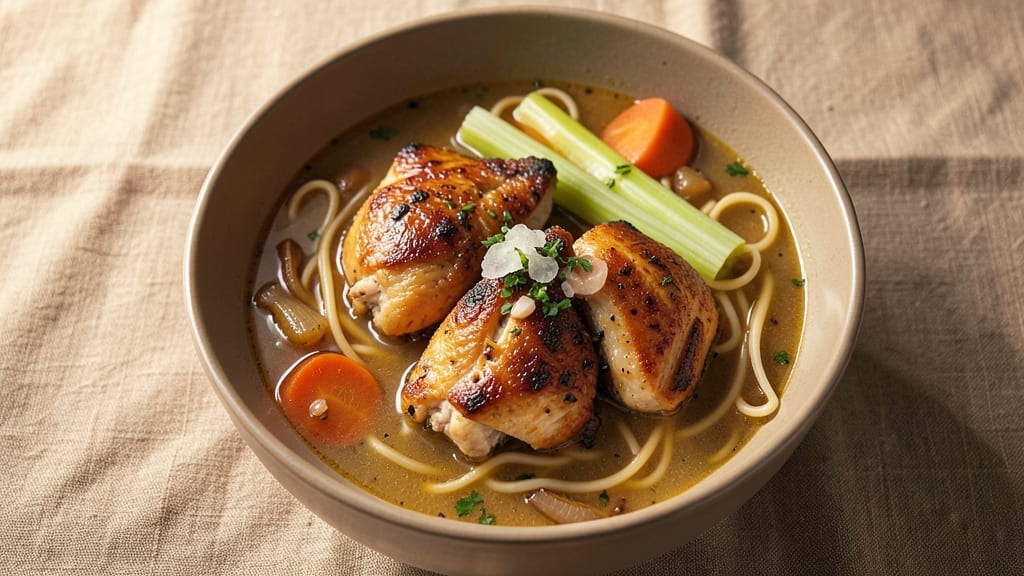
This Babish chicken noodle soup recipe delivers the kind of soul-warming comfort that turns weeknight dinners into nostalgic traditions. The secret lies in parboiling the chicken for tender perfection and simmering the broth low and slow to develop deep, savory layers—just like your grandmother used to make.
I’ve perfected the technique over years of testing, ensuring every spoonful is rich with flavor without being heavy.
What sets this recipe apart is the balance of traditional methods and modern convenience. You’ll start with whole chicken pieces that break down beautifully, creating a broth so clear and flavorful it rivals restaurant-quality versions.
The egg noodles cook directly in the pot, absorbing all that savory goodness, while aromatics like celery, carrots, and onions build a fragrant base that’s impossible to resist.
The result is a soup that’s both comforting and sophisticated—creamy from the chicken fat, aromatic from the herbs, and perfectly seasoned. It’s the kind of dish that disappears quickly, leaving everyone asking for seconds.
Serve it with crusty bread to soak up every last drop, or add fresh parsley and a squeeze of lemon for brightness.
This recipe works equally well as a quick weeknight meal or a centerpiece for holiday gatherings. The technique is straightforward, but the flavor is anything but basic. Let’s get started on creating soup that feels like home.
Ingredients for babish chicken noodle soup
These 14 ingredients create the soul-warming essence of homemade chicken noodle soup, balancing tradition with modern convenience.
| Ingredient | Amount | Notes |
|---|---|---|
| Whole Chicken Pieces 🍗 | 2 ½ lb | Bone-in, skin-on preferred |
| Yellow Onion 🧅 | 1 whole | Medium size, chopped |
| Carrots 🥕 | 4 medium | Peeled, cut into 1-inch pieces |
| Celery Stalks 🧅 | 4 whole | Trimmed, cut into 1-inch pieces |
| Garlic Cloves 🧄 | 4 cloves | Peeled, smashed |
| Egg Noodles 🍜 | 1 lb | Medium or wide egg noodles |
| Fresh Parsley 🌿 | ¼ cup | Chopped, for garnish |
| Fresh Thyme 🌿 | 2 sprigs | Or 1 tsp dried thyme |
| Bay Leaves 🌿 | 2 whole | Removed before serving |
| Chicken Broth 💧 | 6 cups | Low-sodium preferred |
| Salt 🧂 | 1 ½ tsp | Diamond Crystal preferred |
| Black Peppercorns 🌶️ | ½ tsp | Freshly cracked |
| Lemon Juice 🍋 | 1 tbsp | Freshly squeezed |
| Olive Oil 🫒 | 2 tbsp | Extra-virgin preferred |
The foundation starts with bone-in, skin-on chicken—those bones and skin render rich flavor into the broth. Look for organic or pasture-raised at Whole Foods or Trader Joe's for superior quality, though conventional works fine. The aromatics—onion, celery, and carrots—should be fresh with vibrant color; Wilting or discolored vegetables compromise flavor. For the broth, low-sodium is key—you’ll add your own salt later. The egg noodles? Barilla or De Cecco brands deliver consistent texture, but any quality dried noodle suffices.
No fresh thyme? Dried works at one-third the amount, but fresh releases more aroma. Short on carrots? Substitute with parsnips or sweet potatoes for subtle sweetness. The chicken broth can be homemade (simmer bones with mirepoix) or high-quality store-bought like Pacific Foods or Imagine. For extra depth, add a splash of white wine when sautéing the aromatics. The bay leaves are non-negotiable—they infuse subtle earthiness, but remove them before serving. Lemon juice brightens at the end, but bottled is fine in a pinch.
This soup tastes even better the next day as flavors meld. Store in an airtight container for 4-5 days in the fridge or freeze portions for 3 months. For meal prep, cool the broth quickly (place pot in ice bath) before refrigerating to prevent bacterial growth. The noodles reheat beautifully—just add a splash of broth or water. Garnish with fresh parsley before serving, as it wilts quickly once added to hot soup.
Why You'll Love This Recipe
- No Chopping Hassle: I swear by this recipe because you can literally toss in whole chicken pieces—no deboning, no fuss. The bones simmer down into rich broth while you dice the onions, carrots, and celery in under five minutes. (Between us, I’ve burned through three knives trying to make soup from scratch—this cuts that drama.)
- Garlic-Infused Magic: That slow-cooked garlic? It’s the secret weapon. You don’t even need fancy minced cloves—just smash a few whole ones into the pot with the chicken. By the end, the broth tastes like it’s been simmering for hours, even if you’re rushing dinner. My husband still asks, “What’s in this?” every time.
- Leftovers That Save Me: This soup only gets better the next day. The chicken shreds effortlessly, the broth deepens, and I can freeze half for when I’m too tired to cook. Honestly, I make a double batch just so I can reheat it for lunch—no takeout needed.
- Budget-Friendly Pantry Staples: You’re using what you already have: a whole chicken (cheaper than cuts), basic veggies, and garlic. No specialty ingredients, no markup—just honest, hearty flavor. I’ll be real: this is the recipe I turn to when my grocery budget’s tight, and no one ever complains.
Step-by-step instructions for homestyle chicken noodle soup
This method delivers rich, aromatic broth and tender chicken with al dente noodles every time.
Sear the Chicken for Deep Flavor
Heat a large Dutch oven over medium-high heat and add the 2 tablespoons olive oil. Once shimmering, add the 2.5 lb whole chicken pieces skin-side down. Let them sear undisturbed for 5-6 minutes until the skin turns golden brown and crispy.
This initial searing creates a flavorful crust that infuses the broth. Flip the chicken pieces and continue searing for another 4-5 minutes on the second side. Remove the chicken and set it aside temporarily - we'll return it later. The rendered fat in the pot will form the base of your soup's rich flavor profile.
Build the Aromatic Vegetable Base
In the same Dutch oven, reduce heat to medium and add the chopped 1 whole yellow onion, 4 medium carrots, and 4 whole celery stalks. Cook for 6-8 minutes until the vegetables soften and begin to caramelize slightly at the edges.
Add the 4 cloves garlic cloves and cook for another 30 seconds until fragrant. The vegetables should release their natural juices and create a flavorful paste at the bottom of the pot. This aromatic base forms the foundation of your soup's complex flavor.
Simmer the Broth with Herbs
Pour in the 6 cups chicken broth and scrape up any browned bits from the bottom of the pot. Add the 2 sprigs fresh thyme, 2 whole bay leaves, and return the chicken pieces to the pot. Bring to a gentle boil, then reduce heat to maintain a low simmer.
Cover partially and cook for 45-50 minutes until the chicken is fully cooked and the vegetables are tender. The broth should develop a rich, golden color and deep flavor. Use a meat thermometer to check the chicken - it's done when the thickest part reaches 165°F.
Finish with Bright Citrus and Fresh Herbs
Remove the chicken pieces and let them cool slightly. Once cool enough to handle, shred the meat using two forks and return it to the pot. Add the 1 lb egg noodles, 1.5 tsp salt, and 0.5 tsp black peppercorns. Stir gently to combine.
Simmer uncovered for 8-10 minutes until the noodles are al dente and the soup has thickened slightly. Stir in the 1 tbsp lemon juice and 0.25 cup fresh parsley. The acidity brightens the flavors while the parsley adds freshness. Taste and adjust seasoning if needed.
Serve with Homestyle Presentation
Remove the 2 whole bay leaves before serving. Ladle the soup into bowls, ensuring each serving contains both chicken and vegetables. Garnish with additional fresh parsley if desired. Serve immediately while hot for the best experience.
This soup develops even better flavors as it sits, so if you have leftovers, they'll taste even more delicious the next day. The balance of tender chicken, al dente noodles, and richly flavored broth makes this a comforting meal perfect for any occasion.
Pro Tips For Making Babish Chicken Noodle Soup
- Sear the Chicken First: I learned this the hard way—skipping the sear means flavorless broth. Pat the chicken pieces dry, then hit them with oil in a hot pot until golden on all sides. The crust locks in juices and adds depth that simmering alone can’t match.
- Cut Celery Properly: Chop celery into ½-inch chunks, not thin slices. Thin pieces turn to mush, and you’ll end up straining out half your flavor. Big chunks soften evenly and release their aroma without disappearing into the broth.
- Don’t Overcrowd the Pot: Start with just the chicken and a splash of water. If you dump everything in at once, the soup will steam instead of simmer, and the carrots and celery will stew instead of caramelize. Add veggies in batches once the liquid’s moving.
- Use Cold Water for Noodles: Drain cooked noodles under cold water for 30 seconds before adding them to the soup. Hot noodles absorb broth like sponges, turning your soup into a watery mess. Cold water shocks them into holding their shape and texture.
Essential equipment for this dish
Dutch Oven Essentials
A 5-7 quart Dutch oven is your secret weapon for this recipe. I recommend the Le Creuset 5.5 quart for its even heat distribution and durable enamel coating, but All-Clad Stainless Steel works beautifully too.
The deep sides prevent spills when simmering, and the tight lid retains moisture for perfectly tender chicken. If you don’t own one, a heavy-bottomed stockpot in a pinch—just monitor the broth level more closely. 🔥
Thermometer Precision
Invest in a meat thermometer to achieve restaurant-quality results. The ThermoWorks Smoke or Thermoworks Dot are my top picks—they’re fast, accurate, and easy to read. Check the chicken’s internal temperature at the thickest part; it’s done at 165°F.
For broth clarity, a skimmer spoon helps remove foam during simmering, keeping the liquid crystal-clear. Never skip this step—it’s what separates homemade from store-bought.
Skimming Tools Matter
A fine-mesh skimmer (like the OXO Good Grips) is perfect for removing impurities from the broth as it simmers. I skim for 5-10 minutes after the initial boil to create a cleaner, more refined soup.
For extra clarity, strain the broth through a cheesecloth-lined fine-mesh strainer before adding noodles. This step is optional but elevates the soup’s presentation and flavor dramatically.
Noodle Cooking Gear
Use a long-handled wooden spoon or silicone spatula to stir the noodles gently—metal utensils can break them. For portion control, a ladle with a strainer (like the OXO Good Grips) helps scoop noodles evenly.
If you’re prepping ahead, a fine-mesh colander is essential for rinsing and draining noodles before reheating. Pro tip: Toss noodles with 1 tsp olive oil after draining to prevent sticking.
Garnish Essentials
Fresh herbs deserve a sharp chef’s knife and cutting board—I use a Victorinox 8-inch for precision. For lemon juice, a handheld reamer or microplane ensures you get the most out of the fruit.
A small bowl keeps garnishes separate until serving, and a tweezers set helps place parsley sprigs delicately on each bowl. These small touches make your soup feel restaurant-worthy without extra effort. ✨
Nutrition facts
Frequently asked questions
Why do you parboil the chicken first in this recipe?
Parboiling ensures the chicken cooks evenly and stays tender while developing rich flavor in the broth. The initial 10-minute boil removes impurities, and the subsequent searing creates a flavorful crust that infuses the soup. This two-step method guarantees juicy chicken and a deeply aromatic broth every time.
Can I use chicken breast instead of bone-in pieces?
Yes, but bone-in, skin-on chicken creates a more flavorful broth. If using breasts, increase the amount to 1.5 lb and add 1 extra cup of broth to compensate for lower moisture content. For best results, sear the breasts longer (8-10 minutes per side) to develop flavor before simmering.
How do I make this soup vegetarian?
Replace the chicken with 1.5 lb mushrooms (cremini or shiitake) and 1 cup chickpeas. Use vegetable broth and add 1 tbsp soy sauce for umami depth. Simmer the mushrooms first to remove bitterness, then proceed with the recipe. The noodles will absorb the savory flavors beautifully.
What if my broth looks cloudy after simmering?
Cloudiness usually means impurities weren't skimmed properly. Use a fine-mesh skimmer to remove foam for 10-15 minutes after boiling. For extra clarity, strain through a cheesecloth-lined sieve before adding noodles. A 10-minute simmer with the lid slightly ajar also helps evaporate excess moisture.
Can I prepare this soup ahead of time?
Cook the broth and chicken completely, then cool and refrigerate for up to 4 days. When ready to serve, reheat gently and add fresh noodles (8-10 minutes of simmering). For freezing, store components separately—broth (up to 3 months) and chicken (up to 2 months)—then combine when reheating.