
Main Courses
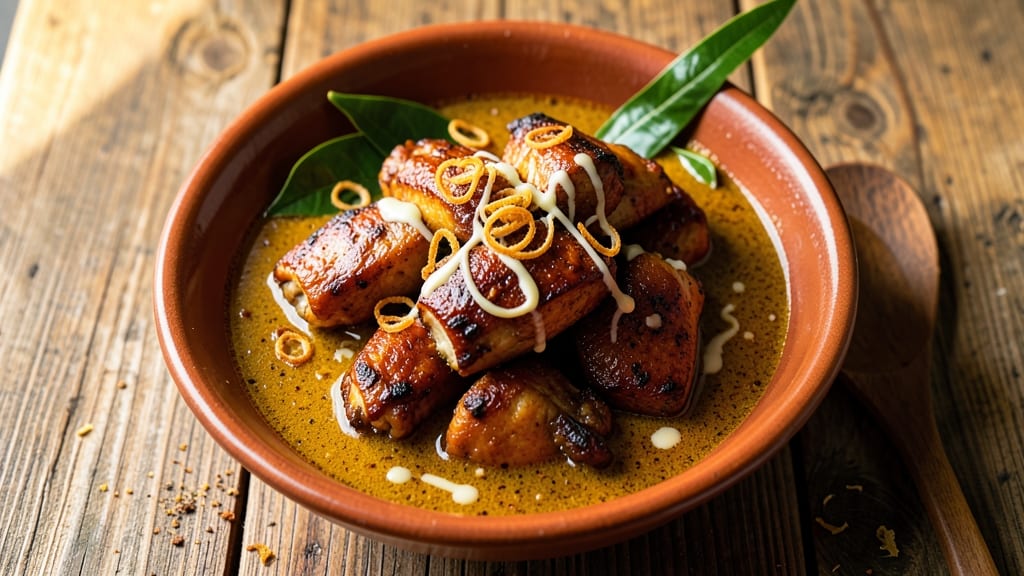
Bangalore chicken curry delivers a bold, tangy-sweet flavor profile that balances coconut richness with tamarind's signature tang—all in just 40 minutes. This recipe captures the essence of South Indian home cooking, where chicken simmers in a fragrant coconut-tamarind gravy until tender, infused with curry leaves and mustard seeds.
The secret lies in the tempering stage, where whole spices bloom in hot oil to create layers of aroma that elevate every bite.
The dish starts with a dry roast of aromatic spices—cumin, coriander, and black pepper—that form the flavor base before adding coconut and tamarind. Chicken cooks slowly in this fragrant liquid until fork-tender, absorbing the complex flavors while maintaining its natural juiciness.
What sets this apart is the balance: the tamarind provides the signature tang without overpowering the coconut's creamy depth.
By the time you serve it, you'll have a dish that's restaurant-quality at home—golden, aromatic, and packed with layers of flavor. The curry pairs beautifully with steamed basmati rice or crispy dosa, making it a complete meal.
The gravy is rich enough to coat each bite while remaining light enough to let the chicken shine.
This recipe preserves traditional techniques while simplifying them for home cooks. Whether you're serving it for a family dinner or a special occasion, the result is a curry that tastes like it's been simmering all day—even though it comes together in under an hour. Let's get cooking!
Ingredients for bangalore chicken curry
Fourteen ingredients, one unforgettable flavor explosion—this curry delivers Bangalore's signature tangy-sweet magic.
| Ingredient | Amount | Notes |
|---|---|---|
| Boneless Chicken Thighs 🍗 | 1 ½ lb | Skin-on preferred for flavor |
| Unsalted Butter 🧈 | 3 tbsp | For tempering spices |
| Mustard Seeds 🌶️ | 1 tbsp | Whole seeds for authentic pop |
| Dried Curry Leaves 🌿 | ½ tsp | Or 1 tbsp fresh, finely chopped |
| Cumin Seeds 🌿 | 1 tsp | Toasted for deeper aroma |
| Ginger Root 🧅 | 1 tbsp | Freshly grated, not minced |
| Garlic Cloves 🧄 | 4 cloves | Peeled and roughly chopped |
| Ground Cumin 🌿 | 1 tsp | For depth of flavor |
| Ground Coriander 🌿 | 1 tsp | Freshly ground preferred |
| Black Peppercorns 🌶️ | ½ tsp | Crushed lightly |
| Shredded Coconut 🥥 | ½ cup | Sweetened or unsweetened |
| Tamarind Paste 🍈 | 2 tbsp | Adjust for tang preference |
| Tomato Paste 🍅 | 1 tbsp | High-quality for richness |
| Water 💧 | ½ cup | For adjusting consistency |
| Salt 🧂 | 1 tsp | Adjust to taste |
The chicken is non-negotiable—skin-on thighs stay juicier than breasts. Indian grocery stores often carry pre-cut bone-in thighs if you want extra flavor, but boneless works fine. Mustard seeds and curry leaves are the soul of this dish, so don't skip them. Spicewalla or Patel Brothers carry excellent whole spices if your local store's selection is lackluster. Fresh ginger and garlic are worth the extra minute to grate/chop yourself—they make all the difference. For tamarind, Trader Joe's sells a great paste, but if you can find fresh tamarind pods at an Asian market, soak and blend them for the most authentic tang.
No mustard seeds? Asafoetida powder at 1/4 tsp mimics that signature aroma. Short on coconut? Cashew paste works in a pinch—just blend soaked cashews with water. The tomato paste can be swapped for 1 tbsp tomato purée if you prefer a smoother texture. For extra richness, add 1 tbsp coconut milk at the end. The curry leaves are tricky to find fresh outside Indian stores, but dried works perfectly—just use half the amount. Want more heat? Add 1/4 tsp cayenne with the black pepper.
This curry tastes even better the next day—plan ahead! Store in an airtight container for up to 5 days in the fridge. Freezes beautifully for 3 months if you make extra. I always double the batch because it disappears fast. Serve with steamed basmati rice or warm naan to soak up every last drop of that fragrant gravy. The spices mellow slightly after resting, so let it sit for 10 minutes before serving if you can wait that long.
Why You'll Love This Recipe
- No-Fuss Spice Play: I swear by this recipe because it’s all about layered flavors without fuss. Toss in whole mustard seeds and curry leaves—they sizzle and bloom in butter, filling the kitchen with that magic aroma in under 5 minutes. No blenders, no stress, just raw, toasty depth.
- Thighs Rule Everything: Honestly, chicken thighs are the MVP here. They stay juicy while soaking up the rich, buttery gravy—no dry, sad bites. The cumin seeds and butter create this unexpected caramelized crust when you sear them first. That crispy edge with the creamy center? Chef’s kiss.
- Meal Prep Goldmine: Between us, this curry begs to be made in bulk. The flavors actually get better the next day—yes, really. I make a double batch on Sundays, freeze half, and still have leftovers for lunch. Pair it with rice or roti, and you’ve got a week’s worth of lunches without repeating a meal.
- Budget-Friendly Luxury: Butter might sound fancy, but a little goes a long way here. Mustard seeds and curry leaves are cheap staples, and thighs are cheaper than breasts. Yet somehow, it tastes like you splurged. My daughter picks out the best pieces, but still asks for seconds—proof it’s a crowd-pleaser without breaking the bank.
Step-by-step instructions for Bangalore chicken curry
This fragrant curry delivers a perfect balance of coconut creaminess and tamarind tang in just 40 minutes.
Temper the Spices in Butter
Heat the 3 tablespoons unsalted butter in a heavy-bottomed pot over medium heat until it foams. Add the 1 tablespoon mustard seeds and let them pop audibly—this should take about 30 seconds. Immediately add the 1 teaspoon cumin seeds and watch them darken slightly.
Next, add the 0.5 teaspoon dried curry leaves and 1 tablespoon freshly grated ginger root. Stir constantly for 1 minute until the ginger becomes fragrant and the spices release their oils. This tempering process develops the complex flavors that define Bangalore curry. If you hear sizzling but no popping, reduce the heat slightly—you want gentle toasting, not burning.
Build the Aromatic Base
Add the 4 peeled garlic cloves and cook for 30 seconds until golden brown and fragrant. Immediately stir in the 1 teaspoon ground cumin, 1 teaspoon ground coriander, and 0.5 teaspoon crushed black peppercorns. Cook for another 30 seconds until the spices are aromatic but not bitter.
Here's where the magic happens: Add the 1 tablespoon tomato paste and cook for 1 minute, stirring constantly. This creates a rich, umami base that balances the coconut and tamarind flavors. If the mixture starts to stick, add 1 tablespoon water to prevent burning. The sauce should be smooth and glossy by this point.
Add Chicken and Tamarind
Add the 1.5 pounds boneless chicken thighs (skin-on if possible) and cook for 5 minutes, stirring occasionally, until the chicken turns opaque. This step ensures the spices adhere to the chicken and creates a flavorful crust. If you notice the spices sticking, add another 1 tablespoon water to deglaze the pan.
Now add the 2 tablespoons tamarind paste and 0.5 cup shredded coconut. Stir well to combine, then pour in 0.5 cup water. Bring to a gentle simmer, then reduce heat to low. The curry should bubble gently—this is where the tamarind's tang and coconut's creaminess meld together. If it's too thick, add more water 1 tablespoon at a time until you reach a saucy consistency.
Simmer to Perfection
Cover the pot and simmer for 25 minutes on low heat. The chicken should be tender enough to pierce easily with a fork, and the sauce should coat the back of a spoon. Stir occasionally to prevent sticking, and if the sauce reduces too much, add 1-2 tablespoons water to maintain consistency.
In the last 5 minutes, taste and adjust seasoning with salt—you might need more or less depending on your tamarind paste's tanginess. The curry should have a perfect balance: sweet from the coconut, tangy from the tamarind, and aromatic from the spices. For extra richness, stir in an additional 1 tablespoon butter at the end.
Rest and Serve
Remove from heat and let the curry rest for 5 minutes. This allows the flavors to meld and the sauce to thicken slightly. Serve immediately with steamed rice or crusty bread—each bite should deliver tender chicken in a velvety sauce with layers of coconut, tamarind, and spice.
Real talk: The longer this curry sits, the better it tastes. If you have leftovers, they'll only improve overnight as the flavors deepen. Store in an airtight container in the fridge for up to 3 days, or freeze for 3 months. Reheat gently on the stove with a splash of water to restore the creamy texture.
Pro Tips For Making Bangalore Chicken Curry
- CRACK THE MUSTARD SEEDS: DESCRIPTION: Heat your pan until the mustard seeds are actually sizzling—no gentle simmering. I learned this the hard way when mine just sat there, turning into a sad, pale paste instead of popping like fireworks. Once they start jumping, add curry leaves immediately, or they’ll burn before you know it.
- SALT THE CHICKEN FIRST: DESCRIPTION: Toss the chicken thighs with salt before cooking—at least 15 minutes ahead if you can. Unsalted butter is rich enough that you’ll regret playing it safe later. Trust me, the flavor soaks in better, and you won’t end up drowning the dish in salt at the end.
- LOW AND SLOW AFTER SEARING: DESCRIPTION: Once the chicken is golden and the spices are toasted, drop the heat to medium-low. I used to rush this, and the curry would either dry out or turn greasy. Let it simmer uncovered for 20-25 minutes—just enough to melt the butter into the chicken without turning it into a stew.
- SKIP THE PRE-CHOP CURRY LEAVES: DESCRIPTION: Buy whole curry leaves and tear them by hand—no need to chop. They release their aroma better when they’re whole, and they’ll infuse the butter like nothing else. (Yes, even if you’re impatient like me.) Store the rest in oil for next time.
Regional styles of this dish
Bangalore's Signature Style
This curry gets its name from Bangalore's love affair with coconut and tamarind—a perfect marriage of sweet, tangy, and creamy flavors. The key difference from other South Indian curries is the tamarind's prominent tang, which cuts through the coconut's richness.
In Bangalore homes, it's traditionally made with bone-in chicken thighs for extra flavor, but boneless works beautifully too. The dish is often served at festive gatherings and family dinners, where its aromatic spices fill the entire house. 🌿
Hyderabadi Twist
While Bangalore curry focuses on coconut-tamarind balance, the Hyderabadi version often includes yogurt for a creamier texture and a touch of kaffir lime leaves for brightness. Swap the tamarind paste for 1 tbsp lime juice and stir in 2 tbsp plain yogurt at the end for a richer, tangier profile.
This variation pairs exceptionally well with butter naan or jeera rice.
Goan Fusion Approach
Goa's coastal influence brings a slightly sweeter, more aromatic twist to Bangalore curry. Add 1 tsp fennel seeds to the tempering stage and finish with 2 tbsp grated coconut instead of shredded.
For extra depth, include 1 tbsp coconut milk at the end—this creates a luxurious texture that Goan curries are famous for. Serve with Goan-style vinegared rice for a true fusion experience. 🥥
Chettinad Spice Boost
For a spicier version inspired by Chettinad cuisine, add 1 tsp black pepper and ½ tsp dried red chilies to the tempering stage. The Chettinad style also incorporates 1 tbsp grated ginger and 1 tbsp garlic paste for an extra punch.
This version works wonderfully with appam or idli, which soak up the bold flavors beautifully.
Modern Shortcut Version
For busy weeknights, use 1 cup pre-made coconut milk instead of shredded coconut and 1 tbsp bottled tamarind pulp for convenience. Sauté 1 tsp garam masala with the spices for a quick aromatic boost.
This version still delivers the signature flavors but cuts prep time by 15 minutes. Perfect for when you crave Bangalore curry but don't have hours to spare. ⏰
Nutrition facts
Frequently asked questions
Why does Bangalore chicken curry taste different from other South Indian curries?
The signature difference comes from the coconut-tamarind combination—tamarind's tang cuts through the coconut's creaminess, creating that unique sweet-sour balance. Most other curries use yogurt or tomatoes as the base, but Bangalore curry relies on these two ingredients for its signature depth. The tempering of mustard seeds and curry leaves also adds that unmistakable aromatic punch.
Can I make this curry without tamarind paste?
Yes! For a similar tang, use 1 tbsp lemon juice + 1 tsp sugar or 1 tbsp vinegar + 1 tsp honey to mimic tamarind's flavor profile. If you want authenticity, soak 1 tbsp tamarind seeds in warm water for 10 minutes, then blend into a paste. The key is balancing sweetness and acidity to complement the coconut.
How do I know when the chicken is fully cooked?
The chicken should be fork-tender with no pink juices when pierced—this usually takes 25-30 minutes of simmering. For extra assurance, check the thickest part of a thigh. If it reaches 165°F internally, it's perfectly cooked. The sauce should coat the back of a spoon but still be saucy, not gluey.
Can I use chicken breasts instead of thighs?
You can, but thighs stay juicier and more flavorful. If using breasts, cut them into 1-inch pieces and reduce simmering time to 20 minutes to prevent drying out. For extra moisture, add 2 tbsp coconut milk at the end. The texture will be slightly firmer but still delicious.
What's the best way to store leftovers?
Store in an airtight container in the fridge for up to 3 days or freeze for 3 months. To reheat, warm gently on the stove with 1-2 tbsp water to restore creaminess. The flavors actually deepen overnight, making it taste even better the next day!