
Main Courses
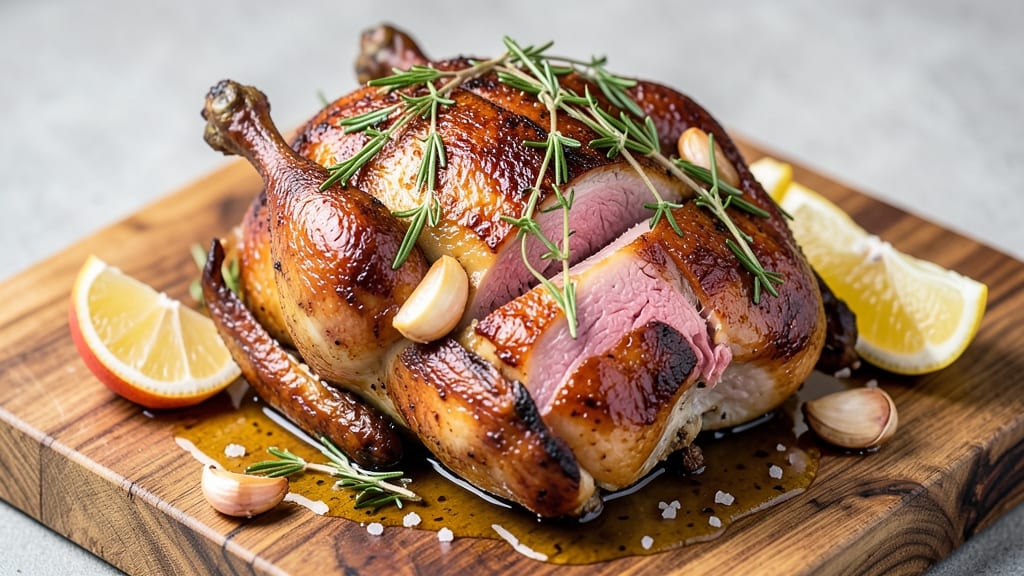
Alice Waters' roasted chicken recipe transforms a simple weeknight dinner into a restaurant-worthy masterpiece with herb-kissed skin and juicy, golden centers. The secret lies in her philosophy: high-quality ingredients, minimal intervention, and letting the natural flavors shine. This isn't just chicken—it's a celebration of simple, elevated cooking that feels both comforting and refined.
What sets this recipe apart is the focus on technique over seasoning. A simple herb-and-garlic rub enhances the skin without overpowering it, while a high-heat start ensures crispiness before the chicken finishes roasting at a gentle temperature.
The result? A bird that's perfectly balanced—crisp on the outside, tender and succulent within, with juices flowing effortlessly when cut.
This method delivers more than just flavor—it delivers confidence. No complicated steps, no last-minute stress. Just a foolproof approach that yields a chicken so impressive, it'll have everyone asking for seconds.
The beauty of Waters' technique is its adaptability: pair it with seasonal vegetables or a simple grain for a complete meal that feels both special and effortless.
Whether you're cooking for a family dinner or hosting guests, this recipe proves that great food doesn't require complexity—just intention. The key is patience: letting the chicken rest before serving ensures every bite is as juicy as the first. Ready to elevate your roasted chicken game? Let's begin.
Ingredients for alice waters roasted chicken
High-quality ingredients meet simple technique for Waters' legendary roasted chicken masterpiece.
| Ingredient | Amount | Notes |
|---|---|---|
| Whole Chicken (3-4 lbs) 🍗 | 3 ½ lb | Fresh, free-range preferred |
| Extra-Virgin Olive Oil 🫒 | ¼ cup | High-quality, fruity variety |
| Kosher Salt 🧂 | 1 ½ tbsp | Diamond Crystal preferred |
| Fresh Rosemary 🌿 | ¼ cup | Finely chopped stems included |
| Fresh Thyme 🌿 | ¼ cup | Leaves only, stems removed |
| Garlic Cloves 🧄 | 6 cloves | Peeled, lightly smashed |
| Fresh Lemon 🍋 | 1 whole | Zest and juice only |
| Black Peppercorns 🌶️ | 1 tsp | Freshly cracked |
| Fresh Parsley 🌿 | ⅛ cup | Chopped, for garnish |
| Unsalted Butter 🧈 | 2 tbsp | Cold, cubed for basting |
The chicken is the foundation—free-range or organic delivers superior flavor and texture. Whole Foods or local butchers often carry premium birds with better marbling. Avoid pre-brined chickens; the salt balance is critical here. For this recipe, size matters: a 3.5-pound bird yields generous portions without overwhelming the herb rub. Pat the skin dry before seasoning—this ensures maximum crispiness. The herbs should be freshly harvested (or at least within 48 hours of cutting) for maximum aromatic impact.
No fresh rosemary? Dried rosemary at one-third the amount works, but fresh is ideal. The lemon zest adds brightness—organic lemons have thicker zest. For garlic, elephant garlic provides a milder, sweeter flavor if preferred. Substitute white wine for half the olive oil if you prefer a more refined flavor profile. The kosher salt should be Diamond Crystal (not Morton's)—it dissolves more cleanly. For basting, olive oil alone works, but the butter adds richness that complements the herb notes beautifully.
Chicken skin crisps best when rested uncovered after roasting. Let it sit 10-15 minutes before carving to redistribute juices. Store leftovers in an airtight container for 3-4 days—the flavor actually improves as the herbs meld. For longer storage, freeze portions for up to 3 months. The herb rub can be prepped 1 day ahead and stored in the fridge, saving time on cooking day. Always reheat gently to preserve the crisp skin.
Why You'll Love This Recipe
- No-Fuss Prep: I’ll be real—this recipe takes all of 15 minutes to prep. Just pat the chicken dry, rub it with olive oil, and tuck those rosemary sprigs under the skin. No brining, no basting, no stress—just hands-off roasting while you sip wine or scroll through your phone.
- Herb-Crusted Magic: That crispy, golden skin? Pure satisfaction. The rosemary and thyme caramelize into a fragrant crust, while the olive oil keeps it juicy inside. It’s the kind of flavor that makes people pause mid-bite and say, “What’s in this?”—and then ask for the recipe.
- Weeknight to Weekend: Honestly, this chicken works for everything. Toss it on a sheet pan for a lazy Tuesday dinner, serve it whole at Thanksgiving for the people who always show up last, or shred it for sandwiches when you’re too tired to cook. It’s my go-to for any occasion without overcomplicating things.
- Leftovers That Don’t Suck: Between us, most roasted chicken leftovers taste like regret. Not this one. The crispy skin stays intact, the meat shreds effortlessly, and it reheats beautifully—whether you’re throwing it in a salad, wrapping it in a tortilla, or just microwaving a slice straight from the fridge. Zero food waste, all flavor.
Step-by-step instructions for alice Waters' roasted chicken
This method delivers a perfect balance of crispy herb-kissed skin and impossibly juicy centers every time.
Prepare the Chicken with Herbs and Aromatics
Begin by removing the chicken from its packaging and placing it on a clean cutting board. Pat it completely dry with paper towels, making sure to remove all moisture from the cavity and under the wings. This drying step is crucial for achieving crispy skin later.
In a small bowl, combine the finely chopped fresh rosemary, fresh thyme leaves, smashed garlic cloves, and freshly cracked black peppercorns. Rub this aromatic mixture all over the chicken, including inside the cavity. Then, generously season with the kosher salt, pressing it into the skin to ensure even distribution. The herbs will infuse the meat with their fragrant oils while the salt helps draw out moisture for that coveted crisp.
Next, cut the lemon in half and juice one half, reserving about 2 tablespoons of the juice. Rub the remaining juice and the lemon zest over the chicken's skin. This bright citrus element balances the richness of the herbs and butter while adding a subtle acidity that enhances the overall flavor profile.
Create the Herb-Infused Oil and Butter Mixture
In a small saucepan, gently heat the extra-virgin olive oil over low heat. Add the remaining lemon half (cut side down) and the chopped stems from the rosemary and thyme. Warm the oil for about 2 minutes, allowing the herbs to steep and release their aromatic oils. This infusion creates a fragrant base that will elevate the chicken's flavor.
Remove the saucepan from heat and let the oil cool slightly. Once cooled, transfer it to a small bowl and add the cold cubed unsalted butter. Stir gently to combine, creating a flavorful basting mixture that will crisp the skin beautifully. This step ensures every bite carries the depth of the herbs and the richness of the butter.
Place the chicken on a rack set inside a roasting pan, breast-side up. Pour the herb-infused oil and butter mixture over the chicken, coating it evenly. This basting step is essential for developing that signature crispy skin while keeping the meat moist and flavorful.
Roast the Chicken to Golden Perfection
Preheat your oven to 425°F. Once the oven reaches temperature, place the chicken in the center rack to ensure even heat distribution. Roast for 1 hour, or until the internal temperature reaches 165°F when measured at the thickest part of the thigh.
After the initial hour, remove the chicken from the oven and baste it again with any accumulated juices in the pan. This basting step helps build layers of flavor and ensures the skin remains crispy. Return the chicken to the oven and continue roasting for an additional 15-20 minutes, or until the skin is deep golden brown and crispy.
To check for doneness, pierce the thickest part of the thigh with a meat thermometer. The internal temperature should read 165°F, and the juices should run clear. If the skin begins to darken too quickly, tent it loosely with aluminum foil to prevent over-browning while still allowing it to cook through.
Rest and Serve with Herb Garnish
Once the chicken reaches the proper internal temperature, remove it from the oven and transfer it to a cutting board. Tent it loosely with aluminum foil and let it rest for 15-20 minutes. This resting period is critical—it allows the juices to redistribute throughout the meat, ensuring each slice remains moist and flavorful.
While the chicken rests, use a small saucepan to heat any remaining juices from the roasting pan over medium heat. Reduce the liquid by half to create a glossy pan sauce. Stir in the chopped fresh parsley just before serving, adding a pop of color and freshness.
To serve, carve the chicken into serving pieces, spooning the pan sauce over the top. Garnish with additional fresh parsley for a vibrant finish. The result is a chicken with crispy, herb-kissed skin and succulent, juicy centers that will impress even the most discerning diners.
Pro Tips For Making Alice Waters Roasted Chicken
- Start with Ice-Cold Chicken: The fridge isn’t the best place to prep your bird—pat it dry after taking it out of the ice bath. Cold chicken crisps faster and more evenly, so give it 10 minutes in the freezer before seasoning. (Yes, even if you're impatient like me.)
- Salt the Cavity Like a Pro: Don’t just sprinkle salt inside the cavity—pack it in. Use about 1 teaspoon of kosher salt, plus a few sprigs of thyme, to guarantee flavor reaches the meat. After 30 minutes, flip the chicken and repeat on the outside. (Your future self will notice the difference.)
- Watch the Heat—Then Back Off: High heat for the first 20 minutes gets that golden crust, but after that, drop the oven to 350°F (175°C) to cook through evenly. I learned this the hard way—overcooked skin means dry meat, and nobody wants that.
- Use the Pan Juices: After roasting, pour the pan juices into a small saucepan and simmer for 2 minutes with a splash of water. Strain, then drizzle that golden sauce over the chicken before serving. (It’s the thing that makes this recipe taste restaurant-worthy.)
Pro cooking tips for great alice waters roasted chicken
High-Heat Start
Alice Waters' method begins with a hot oven—preheat to 425°F and sear the chicken immediately. This creates a Maillard reaction on the skin, locking in juices while building deep flavor.
I like to place the chicken on a rack in a roasting pan to ensure even airflow. The high heat also helps render fat quickly, preventing a greasy pan. 🔥
Herb Infusion Magic
The secret lies in infusing the olive oil with herbs before basting. Warm 2 minutes over low heat with rosemary stems, thyme stems, and lemon half. This extracts their essential oils, creating a fragrant base.
Cold butter is then stirred in—never melted—to maintain texture. The result? A basting liquid that's rich, aromatic, and perfect for crisping skin.
Basting Technique
Don't just pour liquid over the chicken—spoon it generously over the skin, focusing on the breast and thighs. I use a baster or small ladle to control the flow. Every 20-30 minutes, baste again to build layers of flavor.
The butter in the mixture melts slightly, creating a golden, crispy crust while keeping the meat moist. Pro tip: Use kitchen twine to tie legs together for even cooking.
Temperature Control
After the initial 1 hour at 425°F, reduce the heat to 375°F to finish cooking. This two-stage approach prevents over-browning while ensuring the center reaches 165°F.
Use a meat thermometer—guessing leads to dry chicken. If the skin browns too quickly, tent loosely with foil to slow cooking without steaming the meat.
Resting Period
Never skip the 15-20 minute rest! This allows juices to redistribute, preventing dry slices. Tent with foil to keep warm while resting. I like to place the chicken on a cutting board over a warm pot to maintain temperature.
The skin stays crisp, and every bite remains juicy. Patience here makes all the difference. ✨
Pan Sauce Perfection
After removing the chicken, place the roasting pan on the stovetop over medium heat. Add ¼ cup water and scrape up browned bits, reducing by half for a glossy sauce.
Finish with chopped parsley and a squeeze of lemon. This sauce ties all the flavors together beautifully, elevating the dish from good to restaurant-quality. 💫
Nutrition facts
Frequently asked questions
Why does Alice Waters' method use a high-heat start?
The 425°F start creates a Maillard reaction that instantly crisps the skin while locking in juices. This high heat also renders fat quickly, preventing greasy pans. After 1 hour, the temperature drops to 375°F to finish cooking gently—this two-stage approach ensures perfect doneness without over-browning.
Can I substitute dried herbs for the fresh ones?
Yes, but use one-third the amount of dried herbs (like 1 tbsp dried rosemary instead of ¼ cup fresh). Fresh herbs release more aromatic oils during cooking, but dried works well in a pinch. For best flavor, infuse the olive oil with dried herbs for 5 minutes instead of 2 minutes to extract their essence.
What if my chicken skin isn't crispy?
Pat the skin completely dry before seasoning—moisture prevents crispiness. If the skin browns too quickly, tent it loosely with foil to slow cooking. For extra crunch, baste with cold butter (not melted) every 20 minutes. The high-heat start is key—never skip preheating the oven to 425°F.
How do I adjust cooking time for a larger chicken?
Add 15 minutes per pound for chickens over 4 pounds. For example, a 5-pound bird would cook 1 hour 45 minutes at 425°F before reducing heat. Always use a meat thermometer—165°F at the thickest part of the thigh is the only reliable indicator of doneness.
What sides pair best with this roasted chicken?
Alice Waters often serves this with seasonal vegetables like roasted carrots, garlic-sautéed greens, or a simple farro salad. For a complete meal, try her signature heirloom tomatoes with basil oil or a crisp white wine-braised cabbage. The herb-forward chicken also complements buttery mashed potatoes or a bright citrus salad.