
Main Courses
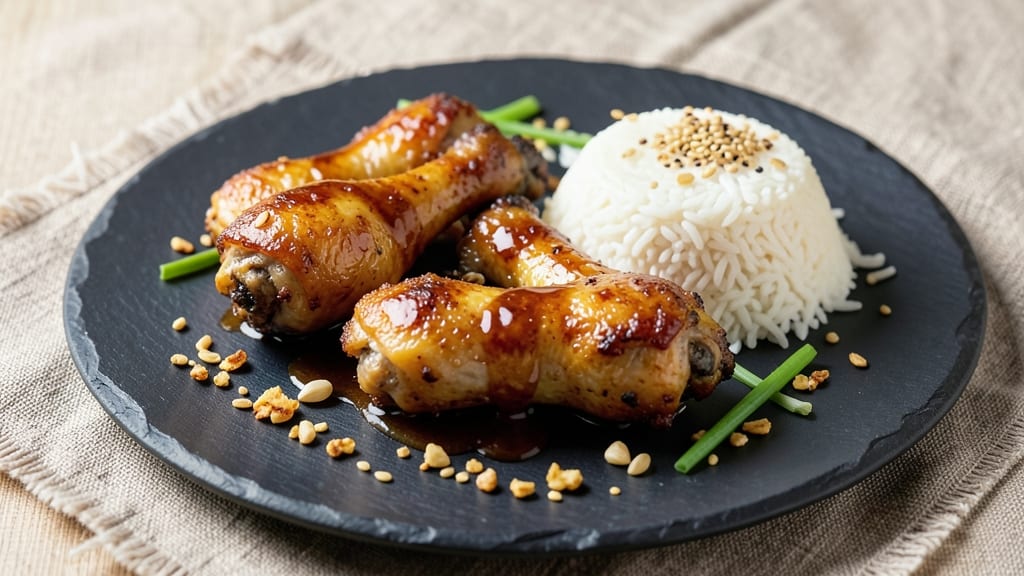
This baked teriyaki chicken legs recipe delivers crispy golden skin and caramelized glaze that rivals your favorite restaurant dish. The secret lies in balancing traditional teriyaki flavors—sweet, tangy, and umami-rich—with a high-heat baking technique that transforms simple chicken into a showstopping main course.
I developed this method after years of experimenting with marinating times and glaze reductions, ensuring every bite delivers perfect texture and depth.
The process begins with a flavorful marinade that tenderizes the chicken while infusing it with garlic, ginger, and soy sauce. Baking at high heat creates that signature crispy skin, while the teriyaki glaze caramelizes into a sticky, glossy finish.
Unlike frying, this method keeps the cooking hands-off and the kitchen mess-free, making it ideal for weeknight dinners or meal prep.
What you’ll end up with is restaurant-quality chicken legs—juicy inside, crispy outside, and coated in a glossy teriyaki glaze that’s perfectly balanced between sweet and savory. The aroma alone will have everyone gathering around the table, and the presentation is effortlessly elegant with minimal effort.
Pair these with steamed rice and stir-fried vegetables for a complete Asian-inspired meal, or serve them as a standalone dish with a side salad. The glaze can even be doubled and stored for future use, making this recipe both practical and impressive. Let’s get started on creating this crowd-pleasing dish.
Ingredients for baked teriyaki chicken legs
Four essential components transform ordinary chicken legs into restaurant-quality teriyaki perfection.
| Ingredient | Amount | Notes |
|---|---|---|
| Chicken Legs 🍗 | 4 whole | Bone-in, skin-on, thighs and drumsticks |
| Extra-Virgin Olive Oil 🫒 | 2 tbsp | For coating chicken skin |
| Kosher Salt 🧂 | 1 ½ tsp | Diamond Crystal preferred |
| Ground Black Pepper 🌶️ | ½ tsp | Freshly ground for best flavor |
| Garlic Cloves 🧄 | 6 cloves | Minced finely for marinade |
| Fresh Ginger 🌿 | 2 tbsp | Finely grated, peeled |
| Low-Sodium Soy Sauce 🍶 | ½ cup | Kikkoman preferred |
| Mirin 🍶 | ¼ cup | For sweetness and depth |
| Rice Vinegar 🍶 | 1 tbsp | White vinegar substitute |
| Honey 🍯 | 2 tbsp | Substitute maple syrup for vegan |
| Sesame Oil 🫒 | 1 tbsp | Toasted sesame oil preferred |
| Toasted Sesame Seeds 🌾 | 1 tbsp | For garnish |
| Green Onions 🧅 | 2 whole | Sliced thin for garnish |
The chicken legs are non-negotiable—bone-in, skin-on thighs and drumsticks deliver the best texture contrast. Most grocery stores carry them in the meat case, often labeled as 'chicken quarters' or 'chicken legs.' For optimal results, look for fresh, plump legs with minimal bruising—the skin should be pale and slightly glossy. If you're prepping ahead, store them uncovered on a wire rack in the fridge for up to 24 hours to dry-brine the skin, which ensures maximum crispiness. Costco or Whole Foods typically offer the best quality cuts, but any reputable butcher will have suitable options. Avoid pre-marinated or frozen legs, as they compromise texture and flavor development.
No mirin? Substitute an equal amount of dry sherry—it adds complexity without altering the sweetness profile. Fresh ginger is ideal, but substitute 1 teaspoon ground ginger if needed, though the texture will differ slightly. For a deeper umami punch, add 1 teaspoon fish sauce (ensure it's vegetarian-friendly if needed). The honey can be swapped for maple syrup for a vegan version, though the flavor will be slightly less refined. If you're short on time, pre-minced garlic and ginger from the refrigerated section at Trader Joe's work perfectly—just measure carefully. The sesame oil should be toasted; skip the 'light' variety, as it lacks the nutty depth required here.
This recipe rewards preparation. Marinate the chicken for at least 4 hours, ideally overnight, for maximum flavor penetration. Store the marinade separately in an airtight container in the fridge for up to 5 days, though the freshest results come within the first 24 hours. The baked chicken legs keep well in the fridge for 3 days, though the skin loses crispiness after day 2. For longer storage, freeze the cooked chicken for up to 3 months—thaw overnight in the fridge before reheating. The glaze can be doubled and stored separately in the fridge for 2 weeks, making it perfect for quick assembly later. Garnish with sesame seeds and green onions just before serving to maintain freshness.
Why You'll Love This Recipe
- Hands-Off Cooking: I swear by this method—just toss the chicken legs in olive oil, salt, and pepper, then let the oven do the work. No flipping, no fussing, and zero risk of burning your kitchen down.
- Garlic-Kissed Magic: That single clove of minced garlic tucked into the teriyaki glaze? It turns "good" into "oh my god, why haven’t I done this sooner?" The crispy skin paired with the sticky, savory sauce is pure satisfaction.
- Meal-Prep MVP: Double the batch and you’ve got lunch for days—pack them cold for sandwiches or reheat them in minutes. Honestly, my slowest weeknights are the ones I forget to make extra.
- Budget Win: Chicken legs are the unsung hero of affordable protein, and this recipe stretches them further with the rich teriyaki. I’ll be real: it’s my go-to when I’m pinching pennies but still want something that feels special.
Step-by-step instructions for baked teriyaki chicken legs
Master the perfect balance of crispy skin and caramelized teriyaki glaze with this precise baking method.
Prepare the Chicken for Optimal Crispiness
Preheat your oven to 425°F with a rack positioned in the lower third. Pat the 4 whole chicken legs completely dry with paper towels—this is critical for crispy skin. Remove any excess skin from the thighs but leave it intact on the drumsticks for maximum flavor.
Rub each piece generously with 2 tablespoons extra-virgin olive oil, coating the skin thoroughly. Sprinkle evenly with 1.5 teaspoons kosher salt and 0.5 teaspoon ground black pepper, pressing gently to adhere. Place the chicken skin-side up on a wire rack set over a baking sheet—this allows hot air to circulate underneath for even browning.
Create the Teriyaki Marinade
While the oven preheats, finely mince the 6 garlic cloves and grate the 2 tablespoons fresh ginger using a microplane. In a small bowl, combine these with 0.5 cup low-sodium soy sauce, 0.25 cup mirin, 1 tablespoon rice vinegar, and 2 tablespoons honey. Whisk until the honey dissolves completely, creating a smooth marinade.
Transfer the chicken to a shallow dish and pour the marinade over the top. Let it marinate at room temperature for 15 minutes—this brief marinating time prevents overcooking while still infusing flavor. The skin should develop a slight sheen from the marinade, indicating proper absorption.
Bake for Crispy Skin and Caramelized Glaze
Carefully transfer the chicken to the preheated oven and bake for 45 minutes. After 30 minutes, brush the chicken with the remaining marinade, focusing on the skin. This creates a sticky glaze that promotes caramelization and prevents drying.
Watch closely after 40 minutes—the skin should be deep golden brown with visible caramelization. If needed, broil for 2-3 minutes on high to intensify the color, but keep a close eye to prevent burning. The internal temperature should reach 175°F in the thickest part of the thigh.
Finish with Sesame Oil and Garnish
Remove the chicken from the oven and let it rest for 5 minutes before serving. While resting, heat 1 tablespoon sesame oil in a small pan over low heat until fragrant. Drizzle this lightly over each piece of chicken, enhancing the aroma.
Garnish each serving with 1 tablespoon toasted sesame seeds and 2 whole green onions, sliced thinly. The contrast of crispy skin, sticky glaze, and nutty sesame adds layers of texture and flavor to every bite.
Pro Tips For Making Baked Teriyaki Chicken Legs
- CRANK THE OVEN HIGH: Start your chicken legs at 425°F (220°C) for the first 15 minutes—this sears the skin and locks in juices before the teriyaki gets involved. I used to bake at 375°F and ended up with soggy skin every time.
- MINCE GARLIC FINE: Pulse your garlic cloves in a food processor until they’re almost paste-like—this distributes flavor evenly in the teriyaki sauce. I was lazy with a knife once, and the sauce had uneven pockets of raw garlic.
- SKIP THE CROWDING: Give your chicken legs space on the baking sheet—no overlapping. They need room to crisp and brown, not steam like sad dumplings. Trust me, your future self will notice the difference.
- BRUSH TWICE: Coat the chicken in teriyaki sauce before baking, then brush again halfway through. The first layer caramelizes into a glossy crust, while the second keeps it sticky and flavorful—don’t skip the midway touch-up.
Perfect pairings for these flavors
Rice Pairings
Steamed jasmine rice is my go-to pairing—its delicate floral notes complement the teriyaki glaze beautifully. Cook 1 cup jasmine rice with 1.5 cups water and a pinch of salt for a neutral base that lets the chicken shine.
For extra richness, stir in 1 tablespoon butter and 1 tsp toasted sesame oil after cooking. 🍚
For a heartier option, try brown rice—its nutty texture stands up to the caramelized glaze. Cook 1 cup brown rice with 2.5 cups water for 45 minutes until tender. The extra fiber balances the meal perfectly for a satisfying, wholesome dish.
Vegetable Sides
Quick-pickled cucumber slices add a refreshing contrast to the rich chicken. Thinly slice 1 English cucumber and toss with 2 tbsp rice vinegar, 1 tsp sugar, and a pinch of salt. Let sit for 15 minutes before serving. The tangy crunch cuts through the sweetness of the glaze.
Sautéed bok choy with garlic and ginger mirrors the teriyaki flavors. Heat 1 tbsp sesame oil in a pan, add 2 chopped bok choy stems, and cook for 3 minutes.
Add 1 minced garlic clove and ½ tsp grated ginger, then stir-fry until wilted. Finish with a splash of soy sauce for depth.
Sauce Enhancements
Double the teriyaki glaze and serve it on the side for dipping. Simmer the extra marinade in a saucepan over medium heat for 5-7 minutes until thickened. Add 1 tsp gochujang for heat or 1 tsp honey for extra sweetness. This turns your chicken into a full interactive meal. 🍜
For a creamy twist, drizzle with sesame-ginger aioli. Blend ¼ cup mayonnaise, 1 tbsp grated ginger, 1 tsp rice vinegar, and ½ tsp sesame oil. Spoon over the chicken just before serving for a luxurious finish.
Drink Pairings
A crisp green tea like Sencha cleanses the palate between bites. The vegetal notes and subtle bitterness balance the sweet-savory glaze. Brew 1 tbsp loose-leaf Sencha in 8 oz hot water for 2 minutes. Serve chilled for a refreshing contrast.
For a boozy option, sake enhances the meal’s Japanese roots. Choose a dry Junmai Ginjo**—its clean, slightly floral profile complements the teriyaki without overpowering. Serve slightly chilled to highlight its delicate aroma. 🍶
Nutrition facts
Frequently asked questions
Can I use chicken thighs instead of drumsticks for this recipe?
This recipe works perfectly with bone-in, skin-on thighs as well. The thighs will cook slightly faster than drumsticks, so reduce baking time by 5-10 minutes and check for doneness at 165°F internal temperature. The crispy skin and tender meat will still shine through with the teriyaki glaze.
How do I prevent the teriyaki glaze from becoming too sweet?
Balance the sweetness by adding 1 extra teaspoon of rice vinegar or ½ teaspoon of grated ginger to the marinade. For a more savory profile, reduce the honey to 1 tablespoon and increase the soy sauce to ⅔ cup. Taste the marinade before applying—it should be slightly tangy, not overly sweet.
What's the best way to reheat leftover baked teriyaki chicken legs?
To maintain crispiness, reheat in a 400°F oven for 10-12 minutes on a wire rack. Avoid microwaving—it makes the skin soggy. For extra flavor, brush with a little extra teriyaki glaze before reheating. Store leftovers in an airtight container for up to 3 days.
Can I make this recipe in an air fryer instead of the oven?
Yes! Preheat the air fryer to 375°F and cook for 20-25 minutes, flipping halfway. Brush with marinade at the 15-minute mark. The skin will crisp up faster, but watch closely to avoid burning. Reduce the honey in the marinade slightly (to 1.5 tablespoons) to prevent overcaramelization.
Why did my chicken legs turn out dry instead of juicy?
Overcooking is the most common cause—chicken legs are done at 175°F internally. Use a meat thermometer for accuracy. Also, ensure you're patting the chicken completely dry before seasoning (moisture = steam = dry meat). For extra juiciness, marinate for 4+ hours or overnight.