
Appetizers
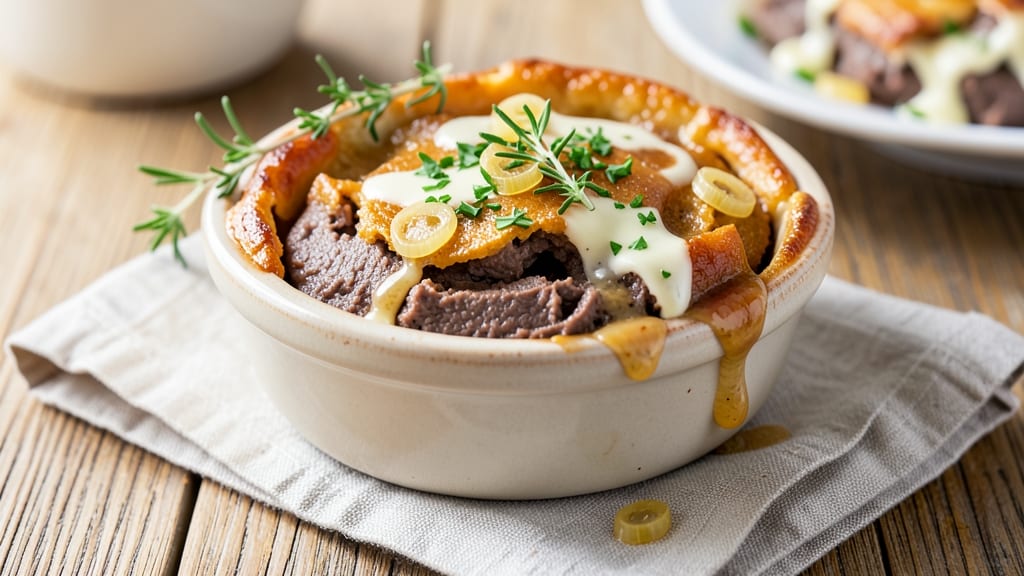
This baked chicken liver pâté delivers restaurant-quality richness with smooth, velvety texture in just 45 minutes. The secret lies in perfectly searing the livers first to concentrate their natural flavors, then blending them with butter, shallots, and aromatic herbs until silky.
I’ve refined this recipe over years to balance earthy liver with bright, buttery notes—no bitterness here, just pure elegance.
What sets this apart is the two-stage cooking method: a quick sear in a hot pan followed by a gentle bake to render the fats evenly. This ensures every spoonful is luxuriously spreadable, not greasy, with a delicate crust when served.
The result? A pâté so refined it belongs on a gourmet charcuterie board or as a decadent appetizer for dinner guests.
Once baked, the pâté transforms into a golden, glossy masterpiece that’s as impressive to look at as it is to eat. Serve it chilled with crusty bread, crackers, or even as a filling for toasted baguette slices.
The flavor profile is complex—savory, slightly sweet, with herbal depth that lingers. This isn’t just pâté; it’s a showstopper.
For those who love modern twists, try adding a touch of Dijon mustard or a splash of brandy to the blend. The possibilities are endless, but the foundation remains the same: perfectly balanced, effortlessly elegant, and undeniably delicious. Let’s get started.
Ingredients for baked chicken liver pate
Rich, velvety pâté starts with these twelve ingredients—simple but luxurious.
| Ingredient | Amount | Notes |
|---|---|---|
| Fresh Chicken Livers 🍗 | 1 lb | Trimmed of connective tissue |
| Unsalted Butter 🧈 | ¾ cup | Cold, cut into cubes |
| Shallots 🧅 | ½ cup | Finely minced, about 4-5 cloves |
| Fresh Thyme Leaves 🌿 | ¼ cup | Stems removed, packed |
| Fresh Parsley Leaves 🌿 | ¼ cup | Finely chopped, stems removed |
| Heavy Cream 🥛 | ½ cup | Cold, full-fat preferred |
| Dijon Mustard 🍯 | 1 tbsp | Mild or hot variety |
| Brandy 🍷 | 2 tbsp | Optional, for depth (use cognac if needed) |
| Kosher Salt 🧂 | 1 tsp | Diamond Crystal preferred |
| Freshly Ground Black Pepper 🌶️ | ½ tsp | Cracked peppercorns preferred |
| Extra-Virgin Olive Oil 🫒 | 1 tbsp | For searing livers |
| All-Purpose Flour 🌾 | 1 tbsp | For dredging livers |
The chicken livers are non-negotiable here. Look for bright red, firm livers at your butcher or grocery store's meat counter—avoid any with gray spots or a fishy smell. Costco or Whole Foods usually have the best quality, but even your local market's fresh livers will work if handled properly. Trim off any connective tissue or fat carefully; it's worth the extra minute to ensure a silky texture. For the butter, Plugra or Land O'Lakes are reliable brands, but any good-quality unsalted will do—just make sure it's cold when you use it. The shallots should be fresh and sweet, not dried out; if they're wilting, soak them in ice water for 10 minutes to revive them.
No brandy? Substitute with apple cider or even a splash of red wine—it adds depth without overpowering. Fresh herbs are ideal, but dried thyme at one-third the amount works in a pinch. The Dijon mustard can be swapped for whole-grain mustard if that's what you have, though it might add a slight graininess. For the heavy cream, full-fat is essential—light cream won't give you that luxurious texture. If you're feeling adventurous, try adding a pinch of smoked paprika for a modern twist. The olive oil should be extra-virgin and fruity—none of that cheap cooking oil nonsense. And if you're worried about the pâté being too rich, reduce the butter by 2 tbsp and add an extra splash of cream.
This pâté keeps beautifully—up to 5 days in the fridge in an airtight container, covered with a thin layer of olive oil to preserve freshness. For longer storage, freeze in small portions for up to 3 months; thaw overnight in the fridge. The texture improves with time, so don't hesitate to make a double batch. Serve it chilled on toasted baguette slices or with crusty bread and cornichons. Leftovers? Spread on crackers or crostini for a quick appetizer. And if you're feeling fancy, garnish with a sprinkle of fresh parsley right before serving—it adds that restaurant-quality touch.
Why You'll Love This Recipe
- 20-Minute Miracle: I swear by this—just sear the livers, toss them in butter and shallots, then bake until golden. No fancy techniques, no stress. The parsley ties it all together while I’m still wiping my hands.
- Rich Without Effort: That first bite? Buttery, herby, with a depth from the livers that tastes like you slaved over it. Honestly, the thyme and shallots caramelize just enough to make it feel luxurious, but it’s actually the easiest thing I make.
- Weeknight to Party: Spread it on crusty bread for a quick snack, or serve it chilled on crackers when friends drop by. I’ve used it as a dip, a sandwich filling, even stuffed into mushrooms—it’s my go-to when I need something impressive without the work.
- Budget Luxury: Chicken livers are cheap, but they taste like a fancy charcuterie board. A pound stretches across multiple meals, and the leftovers? Even better the next day when the flavors meld. My wallet and taste buds win.
Step-by-step instructions for baked chicken liver pâté
Here's how to transform simple ingredients into velvety, luxurious pâté that shines at any gathering.
Prepare the Chicken Livers for Perfect Texture
Start by trimming any connective tissue or silver skin from the 1 lb fresh chicken livers using a sharp knife. This ensures a silky texture rather than chewy bits. Rinse the livers thoroughly under cold water and pat them completely dry with paper towels—any moisture will prevent proper searing.
Place the trimmed livers in a bowl and dredge them lightly in 1 tablespoon all-purpose flour, shaking off any excess. This creates a delicate crust that helps them brown beautifully. Keep them at room temperature while you prepare the aromatics—this ensures even cooking.
Sear the Livers for Deep Flavor
Heat 1 tablespoon extra-virgin olive oil in a large skillet over medium-high heat until shimmering. Add the floured livers in a single layer, being careful not to overcrowd the pan. Sear for 2-3 minutes per side until they develop a rich, golden-brown crust and reach an internal temperature of 145°F. Remove the livers and set them aside on a plate.
Here's the thing—don't rush this step. The sear locks in flavors and prevents the pâté from becoming grainy. If you notice the livers releasing easily from the pan, they're ready. Any pink should disappear when cut into, but we'll cook them further in the oven, so don't overcook them now.
Build the Aromatic Base
In the same skillet (no need to clean it—the browned bits are pure flavor), reduce the heat to medium and add 0.5 cup finely minced shallots. Cook for 3-4 minutes until they soften and become translucent. Add 0.25 cup fresh thyme leaves and 0.25 cup fresh parsley leaves, stirring for 30 seconds until fragrant.
This is where the magic happens. The shallots should caramelize slightly, adding sweetness that balances the richness of the livers. If you smell any burning, reduce the heat immediately—burnt aromatics will make the pâté taste bitter. Once fragrant, remove the pan from heat and let it cool slightly for 1 minute.
Create the Silky Mixture
Transfer the seared livers to a food processor along with the cooked shallot mixture. Add 0.75 cup cold unsalted butter (cut into cubes), 0.5 cup cold heavy cream, 1 tablespoon Dijon mustard, 2 tablespoons brandy, 1 teaspoon kosher salt, and 0.5 teaspoon freshly ground black pepper. Pulse until the mixture is completely smooth, scraping down the sides as needed.
I like to pulse in short bursts—about 10-15 seconds on, 10 seconds off—to avoid overheating the processor. The goal is a velvety, spreadable consistency. If it looks too thick, add 1-2 teaspoons of cold water to help it emulsify. The brandy adds depth, but if you skip it, don't worry—it's optional.
Bake for Rich, Melt-in-Your-Mouth Perfection
Transfer the pâté mixture to a 4-cup baking dish (or similar size) and smooth the top with a spatula. Bake in a 350°F oven for 25-30 minutes until the center is just set but still slightly jiggly—it should reach 160°F internally. This gentle baking ensures the flavors meld without drying out the pâté.
Here's the moment that matters: when you remove it from the oven, the top should be golden and the edges slightly pulled inward. Let it cool completely at room temperature before serving—this allows the flavors to fully develop. Serve chilled or at room temperature with crusty bread, crackers, or fresh vegetables for dipping.
Pro Tips For Making Baked Chicken Liver Pate
- Trim and Rinse Livers: Chicken livers bleed like crazy—soak them in cold water for 10 minutes first, then trim off any connective tissue or dark spots. I learned this the hard way when my first batch turned muddy instead of golden.
- Cook Shallots Slowly: Shallots should melt into the butter, not brown—keep heat at medium-low and stir every 30 seconds. After burning three batches, I finally figured out patience here makes all the difference.
- Don’t Overmix the Pâté: Once you fold in the herbs, give it one gentle turn with a spatula. Overworking it turns the texture grainy, and nobody wants that. Trust the process—it’s smoother than you think.
- Bake at 350°F, Not Higher: High heat dries out pâté faster than you can say "overcooked." Stick to 350°F and bake until the center hits 145°F—any hotter, and you’re fighting moisture loss. (Yes, even if you’re impatient like me.)
Best sauces and condiments for this recipe
Classic Mustard Sauce
Dijon mustard isn't just an ingredient—it's the secret weapon that transforms this pâté into something extraordinary. For a perfect pairing, mix 2 tablespoons Dijon mustard with ¼ cup heavy cream and 1 teaspoon honey, then warm gently until smooth.
Drizzle this over the pâté just before serving to cut through the richness with a tangy, slightly sweet contrast. 🍯
Herb-Infused Olive Oil
Brighten your pâté with a drizzle of herb-infused olive oil made by steeping ¼ cup fresh parsley, 1 tablespoon fresh thyme, and 2 garlic cloves in ½ cup extra-virgin olive oil for 2 hours.
Strain and drizzle generously over the pâté before serving—this adds a fresh, aromatic finish that elevates every bite. I love using this for plating, especially when serving on toasted baguette slices.
Spiced Brandy Glaze
For a sophisticated touch, create a quick glaze by simmering 2 tablespoons brandy, 1 teaspoon honey, and a pinch of cinnamon in a small saucepan until reduced by half.
Spoon this glaze over the pâté right before serving to add a warm, aromatic depth that complements the earthy liver flavors beautifully. This works especially well when serving the pâté chilled on a platter.
Whipped Cream Cheese
If you want a lighter, creamier contrast, whip ½ cup cream cheese with 2 tablespoons sour cream and a pinch of salt until smooth. Spread this on toasted crackers or baguette slices before adding the pâté—it creates a delightful balance of textures and temperatures.
This is my go-to for casual gatherings where I want something easy but impressive.
Pickled Vegetable Toppings
Add a bright, tangy crunch with cornichons or pickled onions. Thinly slice 2 cornichons and arrange them on top of the pâté before serving, or serve them on the side for dipping.
The acidity cuts through the richness, making each bite more dynamic. I especially love this combination when serving the pâté with crusty bread.
Crispy Fried Shallots
For a luxurious garnish, fry ¼ cup thinly sliced shallots in 2 tablespoons butter until golden and crispy. Sprinkle them over the pâté just before serving to add a delightful crunch and sweetness that contrasts perfectly with the smooth texture.
This is a restaurant-worthy finishing touch that takes your pâté to the next level. 🌟
Nutrition facts
Frequently asked questions
Why do chicken livers need to be seared before baking?
Searing the livers first develops a rich, golden crust that locks in flavors and prevents a grainy texture in the finished pâté. The high heat also helps break down any connective tissue, ensuring silky smoothness. Skipping this step can result in a pâté that's more pasty than luxurious.
Can I substitute beef or pork liver for chicken liver?
Yes, but the flavor will differ slightly. Beef liver has a stronger, more metallic taste, while pork liver is milder and slightly sweeter. Use the same preparation method, but reduce cooking time by 1-2 minutes since pork liver cooks faster. Chicken liver remains the classic choice for its delicate balance of richness and earthiness.
How do I fix a pâté that's too greasy?
If your pâté turns out greasy, it likely has too much rendered fat. The solution? Chill it completely, then carefully spoon off the solidified fat from the top. For future batches, reduce the butter by 2 tablespoons or increase the cream slightly to help emulsify the mixture better during processing.
Can I make this pâté ahead of time?
This pâté actually tastes better the next day as flavors meld. Store it in an airtight container, covered with plastic wrap pressed directly on the surface to prevent a skin from forming. It keeps well in the fridge for 5 days or can be frozen for upstrong> 3 months. Thaw overnight in the refrigerator for best results.
What's the best way to serve this pâté at a party?
For an elegant presentation, serve it chilled in a ring mold on a platter with toothpicks for easy scooping. Pair with crusty baguette slices, water crackers, and an assortment of pickled vegetables. Garnish with crispy fried shallots or fresh herbs right before serving to add color and texture contrast.