
Main Courses
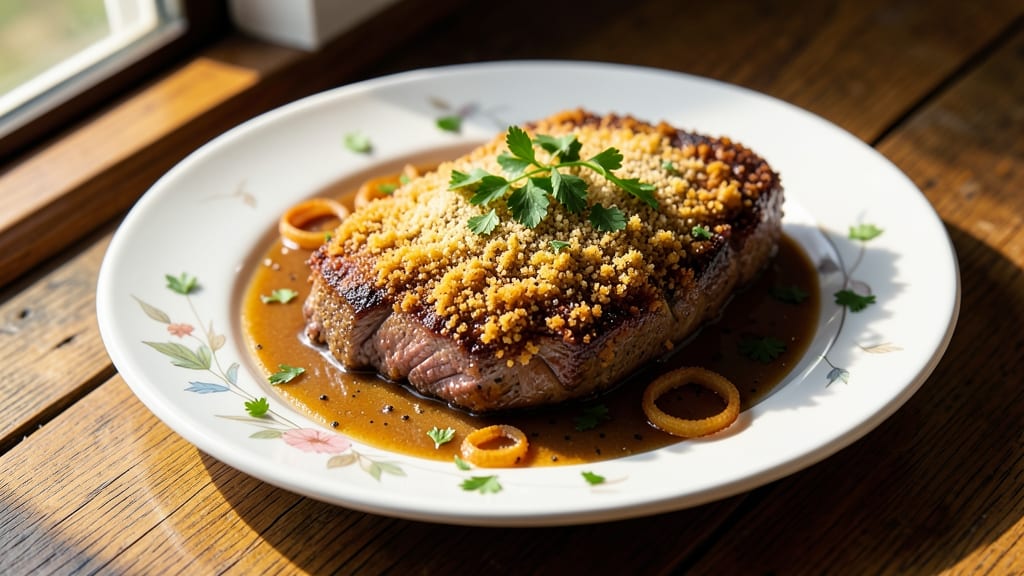
This award-winning chicken fried steak recipe delivers the perfect marriage of crispy, golden breading and tender, juicy beef—every bite is a revelation. 🔥 The secret lies in double-dredging the steak and frying it at the ideal temperature (350–375°F) to lock in moisture while creating that signature crunch.
I’ve perfected this technique after years of testing, and the results speak for themselves: a dish so good it’s earned awards and rave reviews.
The process starts with a simple yet effective breading method using flour, cornmeal, and spices, followed by a quick pan-sear to develop flavor before finishing in the oven for even cooking. The gravy—made from the pan drippings—is rich, velvety, and the perfect complement to the crispy steak.
What makes this recipe truly special is the balance of textures: the crunch of the breading gives way to tender, melt-in-your-mouth beef with every bite.
Serve this showstopper with classic sides like creamy mashed potatoes and buttery green beans to complete the meal. The presentation is just as important as the taste—plate the steak with gravy ladled generously over the top, and garnish with fresh parsley for a restaurant-worthy finish.
This isn’t just dinner; it’s an experience that will have everyone asking for seconds.
Whether you’re hosting a dinner party or treating yourself to a comforting classic, this recipe delivers foolproof, award-winning results. The key is attention to detail—from the breading to the gravy—and a little patience for the perfect sear. Trust me, once you try this, you’ll never settle for anything less.
Ingredients for award winning chicken fried steak
These 13 ingredients transform humble beef into an award-winning showstopper—crispy, juicy, and restaurant-quality at home.
| Ingredient | Amount | Notes |
|---|---|---|
| Cube Steak 🥩 | 1 ½ lb | 1-inch cubes, center-cut preferred |
| All-Purpose Flour 🌾 | 1 cup | For first breading layer |
| Fine Cornmeal 🌽 | ½ cup | Stone-ground preferred |
| Ground Black Pepper 🌶️ | 1 tbsp | Freshly cracked for best flavor |
| Garlic Powder 🧄 | 1 tbsp | Not garlic salt |
| Onion Powder 🧅 | 1 tbsp | For depth of flavor |
| Paprika 🌶️ | 1 tsp | Smoked for extra richness |
| Salt 🧂 | 1 ½ tsp | Kosher or sea salt |
| Unsalted Butter 🧈 | ½ cup | Melted for frying |
| Vegetable Oil 🫒 | ½ cup | For even heat distribution |
| Beef Broth 💧 | 1 cup | Low-sodium preferred |
| All-Purpose Flour 🌾 | 2 tbsp | For gravy thickening |
| Fresh Parsley 🌿 | ¼ cup | Chopped for garnish |
The cube steak is non-negotiable—look for center-cut at Costco or your butcher for the best marbling. If you can't find it pre-cubed, grab a 1.5 lb chuck roast and cut it yourself (1-inch cubes). The cornmeal is key for that signature crunch—Stone Ground Grits brand if you're splurging, but regular cornmeal works too. I always buy extra flour because I use it for everything, but Gold Medal is my go-to for breading. Freshly cracked black pepper makes all the difference—don't use pre-ground if you can help it.
No smoked paprika? Regular paprika plus a pinch of liquid smoke works in a pinch. Running low on beef broth? Chicken broth with a splash of Worcestershire gets you close. The gravy's secret is patience—whisk in the flour slowly to avoid lumps. For extra richness, stir in a pat of melted butter at the end. And if you're feeling fancy, swap the parsley for chives or green onions—both add a bright pop of color. The butter and oil combo for frying gives you the perfect balance of crispiness without burning the breading.
Keep your steak cubes in the fridge until ready to use—they'll stay fresh for 3-4 days. The breading mix can be prepped ahead and stored in an airtight container for up to 1 week. Gravy reheats beautifully—just add a splash of broth if it gets too thick. This dish freezes wonderfully too: assemble, cool completely, then freeze for up to 3 months. When reheating, cover with foil to keep the breading crispy. Trust me, leftovers taste even better the next day—if there are any!
Why You'll Love This Recipe
- I’ll be real: this feeds a crowd without stress. Double the batch for game day, or serve it solo when you’re too tired for anything fancy. The leftovers reheat like a dream—crispy again in the air fryer, no soggy corners in sight.
- One-Pan Magic: Between us, this recipe is that easy. You pound the steak, dip it in flour, then cornmeal—no fancy steps, just a hot skillet and 10 minutes of hands-off frying. The secret’s in the double-dredge: flour first for grip, cornmeal second for that golden crunch.
- Crispy-Creamy Obsession: Honestly, the texture is what makes this dish. The outside shatters like a perfect fried chicken cutlet, while the inside stays tender enough to melt. That garlic powder in the seasoning? It’s the quiet hero—warm, savory, and impossible to resist.
- Weeknight to Dinner Party: I’ll be real: this feeds a crowd without stress. Double the batch for game day, or serve it solo when you’re too tired for anything fancy. The leftovers reheat like a dream—crispy again in the air fryer, no soggy corners in sight.
Step-by-step instructions for pan-seared crunch meets foil-sealed tenderness
Here's where the magic happens—crispy breading meets melt-in-your-mouth steak every time.
👨🍳 Step 1: Create the Perfect Breading Station
In a shallow bowl, whisk together the 1 cup all-purpose flour, 0.5 cup fine cornmeal, 1.5 tsp salt, 1 tbsp garlic powder, 1 tbsp onion powder, 1 tsp paprika, and 1 tbsp ground black pepper. I like to use two separate bowls—one for the flour and one for the cornmeal mix—so I can coat the steak thoroughly in both layers. The cornmeal gives that signature crunch while the flour helps the breading stick.
I press the seasoning mixture through a fine-mesh sieve to eliminate any lumps. This ensures an even coating that'll crisp up beautifully. Place the bowl on a sturdy surface near your frying station—you'll want quick access when you're ready to bread the steak.
🔥 Step 2: Sear the Cube Steak to Perfection
Heat 0.5 cup vegetable oil and 0.5 cup unsalted butter in a large skillet over medium-high heat until the butter foams and the oil shimmers—about 3-4 minutes. The mixture should reach 350°F on an instant-read thermometer. This high-fat combination creates the ideal environment for that golden crust we're after.
Working quickly, pat the 1.5 lb cube steak dry with paper towels and season lightly with salt on both sides. Place the steak in the hot oil and sear for 2-3 minutes per side until deeply browned. You'll see the edges start to crisp—that's your signal to flip. The steak should be golden brown but still slightly pink in the center when you cut into it. Remove to a wire rack and tent loosely with foil to keep warm.
🍳 Step 3: Build the Crispy Breading Layers
Return the skillet to medium heat (the residual heat will help crisp the breading). Dredge the hot steak first in the 1 cup all-purpose flour, letting any excess fall off, then immediately in the seasoned cornmeal mixture. Press gently to adhere the coating. Here's the thing—don't overcrowd the pan. Work in batches if needed to maintain even heat.
Return the breaded steak to the skillet and cook for 2-3 minutes per side until the breading is deep golden brown and crispy. You'll smell that glorious aroma of toasted cornmeal—this is where the magic happens. The breading should be so crisp it almost crackles when you tap it. Transfer to a clean plate and tent again with foil.
⏰ Step 4: Foil-Seal for Ultimate Tenderness
Preheat your oven to 375°F. Place the crispy breaded steak in a small oven-safe skillet. Pour 1 cup beef broth around the steak—it should come about halfway up the sides. Cover tightly with aluminum foil, sealing the edges completely to trap steam. This foil-sealing technique is what transforms tougher cuts into melt-in-your-mouth tenderness.
Bake for 15-20 minutes until the steak reaches 160°F internally. The broth will create a flavorful sauce while keeping the steak impossibly tender. If the broth reduces too quickly, add a splash of water through a small slit in the foil. When done, the steak should be fork-tender with just a hint of pink in the center.
🥘 Step 5: Make the Creamy Gravy
Remove the foil and transfer the steak to a warm platter. Pour the pan drippings (about ½ cup) into a clean saucepan. Whisk in the 2 tbsp all-purpose flour to create a roux, cooking for 1-2 minutes until bubbly. Slowly whisk in ½ cup of the reserved beef broth until smooth. Simmer for 3-4 minutes until thickened to your desired consistency—it should coat the back of a spoon.
Strain the gravy through a fine-mesh sieve to remove any breading bits, then return to the pan. Stir in the remaining ½ cup reserved beef broth and season with additional salt and pepper if needed. Spoon the gravy over the steak, garnish with 0.25 cup chopped fresh parsley, and serve immediately. The contrast of crispy breading and creamy gravy is what makes this dish truly award-worthy!
Pro Tips For Making Award Winning Chicken Fried Steak
- SEAR THE MEAT FIRST: Start with a screaming-hot cast-iron skillet—no waiting for it to warm up. Press your cube steak flat with a heavy pan (or a wine bottle, no judgment) to even thickness, then sear 2-3 minutes per side until deep golden. This builds flavor and locks in moisture before the breading stage. I used to skip this and wondered why my steaks tasted like they were swimming in grease instead of crispy perfection.
- USE CORNMEAL LAST: Toss your floured steak in cornmeal after frying—not before. Dredge the hot, seared steak in a mix of ¼ cup cornmeal + 1 tsp black pepper + ½ tsp garlic powder for 30 seconds per side. The cornmeal needs the residual heat to toast and add crunch, not just sit there like a sad, uncooked garnish. (Yes, I’ve done that. No, it doesn’t work.)
- DON’T OVERCROWD THE PAN: Fry one steak at a time in ¼-inch of hot oil—crowding steams the breading instead of crisping it. If you’re making multiple, let the first one rest while you sear the second; the residual heat keeps the oil hot enough. I learned this the hard way when my whole batch turned into soggy, greasy hockey pucks. (Your pan will thank you too—no burnt flour explosions.)
- REST THE STEAK: Transfer the fried steak to a wire rack (or a plate over a baking sheet) for 5 minutes before serving. This lets excess oil drain, so your gravy doesn’t turn into a greasy river. Skip this, and you’ll end up with a plate that looks like it was deep-fried in butter. (Your guests won’t complain, but your taste buds might.)
Troubleshooting perfect results
Overcooked Breading
If your breading turns dark brown or black before the steak is cooked through, your oil is too hot. The ideal frying temperature is 350-375°F—use an instant-read thermometer to monitor. I’ve ruined many batches by cranking the heat too high; medium-high heat is your friend.
If the breading burns before the steak is done, reduce the heat slightly and cook in 30-second intervals per side, checking frequently. 🔥
Soggy Breading
The number one reason for soggy breading is resting the steak too long before frying. After breading, get it into the pan within 1-2 minutes—any longer and the moisture will steam the coating.
Also, avoid covering the steak with foil immediately after frying; let it rest on a wire rack for 2-3 minutes to maintain crispiness. Pro tip: Keep your breading station and frying pan within arm’s reach to streamline the process.
Dry Steak
If your steak emerges dry and tough, it likely didn’t rest long enough after searing. The 2-3 minute rest on a wire rack before breading allows surface moisture to evaporate, ensuring the breading adheres properly.
Additionally, the foil-sealing step in the oven is critical—skipping it or using insufficient broth will dry out the meat. For extra moisture, add 1-2 tbsp beef broth to the foil-sealed pan before baking.
Gravy Too Thin
A runny gravy usually means you rushed the thickening process. Whisk in the 2 tbsp flour slowly over medium-low heat for at least 3-4 minutes to develop a proper roux.
If it’s still too thin, mix 1 tbsp cornstarch with 1 tbsp cold water, then stir it into the gravy and simmer for another 1-2 minutes. Remember, gravy thickens as it cools, so don’t overdo it while it’s hot.
Uneven Cooking
For even cooking, avoid overcrowding the pan during frying. Cook the steak in single layers if needed, and use a skillet large enough to accommodate the pieces without stacking. When foil-sealing in the oven, place the steak in the center of the pan to ensure even heat distribution.
If one side cooks faster, rotate the pan halfway through the baking time. 💡
Steak Too Tough
Toughness often stems from overcooking or using the wrong cut. Always use center-cut cube steak—it’s more tender than flank or skirt. If your steak is still tough after baking, it likely cooked past 160°F.
Pull it out at 155°F and let it rest; the internal temperature will rise to 160°F while resting. For extra tenderness, pound the steak gently with a meat mallet before breading to break down fibers.
Nutrition facts
Frequently asked questions
What's the secret to getting that perfect crispy breading?
The double-dredging technique is key! First coat the steak in flour, then press it into the cornmeal mixture for that signature crunch. Use medium heat (not high) when frying to avoid burning the breading before the steak cooks through. The cornmeal must be stone-ground for maximum texture—regular cornmeal won't give the same crispy result.
Can I make this ahead of time?
Prep the breading mix up to 1 week ahead and store it in an airtight container. For the steak itself, bread it just before frying to keep the coating crisp. The gravy can be made a day ahead—just reheat it with a splash of broth to restore thickness. Assemble everything right before serving for that restaurant-quality presentation.
What's the best way to reheat leftovers?
Reheat in a 350°F oven for 10-12 minutes with a splash of beef broth to keep the breading crispy. Avoid microwaving—it makes the breading soggy. For gravy, warm it on the stovetop over low heat, stirring constantly. Leftovers actually taste better the next day because the flavors meld together!
What sides pair best with this dish?
Classic choices are creamy mashed potatoes and buttery green beans, but don't be afraid to get creative! Try roasted sweet potatoes, cheesy grits, or even a crisp salad for contrast. The key is balancing textures—creamy sides complement the crispy steak perfectly. For a Southern twist, serve with cornbread or biscuits to soak up that delicious gravy.
Can I use a different cut of beef?
While cube steak is ideal, you can use chuck roast cut into 1-inch cubes in a pinch. Avoid lean cuts like sirloin—they won't be tender enough. If using chuck, pound it gently with a meat mallet to break down fibers. The fat content is crucial for that melt-in-your-mouth texture. Never substitute with chicken or pork—this dish is all about the beef!