
Main Courses
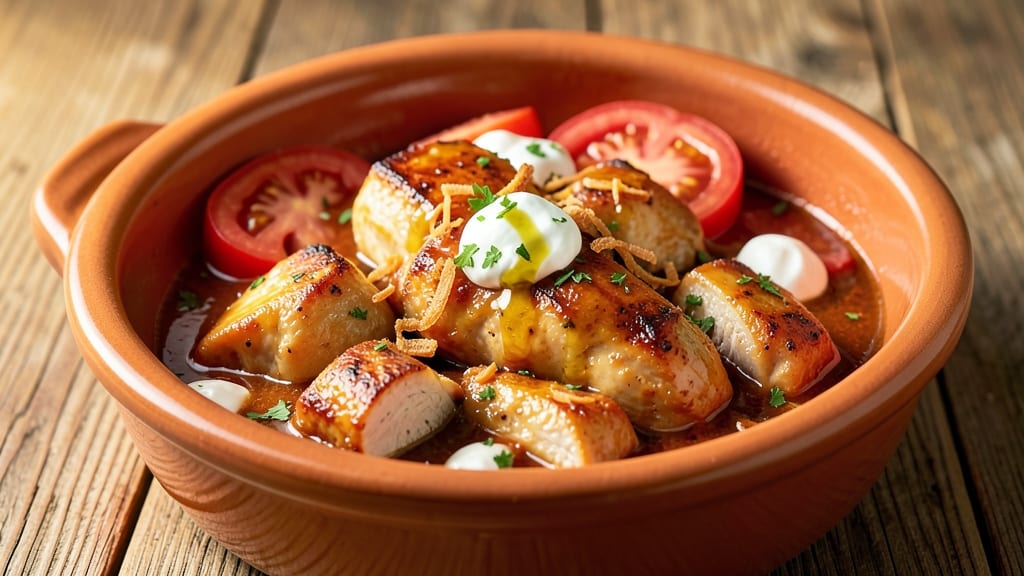
This authentic Hungarian chicken paprikash recipe brings the rich, smoky flavors of Budapest to your kitchen with a single pot.
After years of perfecting the balance between sweet paprika and tangy sour cream, I've recreated the dish my grandmother used to make—where the chicken becomes tender, the sauce velvety, and every spoonful carries that unmistakable Hungarian warmth.
The secret lies in slow simmering and proper paprika selection, not shortcuts that sacrifice depth.
What sets this recipe apart is its traditional approach: browning the chicken first for deep flavor, then building the sauce with layers of spices and a touch of tomato paste for complexity.
My grandmother's handwritten notes always emphasized patience—letting the paprika bloom in oil before adding liquids creates that signature aroma that defines Hungarian cooking. This isn't just a dish; it's a flavor journey that transforms simple ingredients into something extraordinary.
The result is restaurant-quality paprikash where the chicken falls apart with gentle forks, the sauce clings perfectly to dumplings or crusty bread, and the smoky-sweet paprika harmonizes with the creamy sour cream.
The dish tastes even better the next day as flavors meld further, making it ideal for meal prep or special occasions. Served with egg noodles or fresh bread, this becomes the centerpiece of any dinner table.
For those seeking authenticity, I've included precise measurements and techniques that maintain the dish's traditional soul while adapting to modern kitchens. The recipe serves four generously, with leftovers that reheat beautifully—just like my grandmother always said, "The best meals are those worth coming back to."
Let's get cooking with this Hungarian classic that never fails to impress.
Ingredients for authentic hungarian chicken paprikash
Simple ingredients, deep Hungarian flavors—just a few staples transform into restaurant-quality paprikash.
| Ingredient | Amount | Notes |
|---|---|---|
| Boneless, Skinless Chicken Thighs 🍗 | 1 ½ lb | Cut into 1-inch pieces |
| Sweet Hungarian Paprika 🌶️ | 3 tbsp | Essential for authentic flavor |
| Yellow Onion 🧅 | 1 whole | Medium size, finely chopped |
| Garlic Cloves 🧄 | 4 cloves | Fresh, minced |
| Tomato Paste 🍅 | 2 tbsp | High-quality, no sugar added |
| Sour Cream 🥛 | ½ cup | Full-fat for creaminess |
| Chicken Broth 💧 | 1 ½ cups | Homemade or low-sodium |
| Extra-Virgin Olive Oil 🫒 | 2 tbsp | For blooming paprika |
| All-Purpose Flour 🌾 | 1 tbsp | For thickening sauce |
| Bay Leaves 🌿 | 1 whole | Fresh for best flavor |
| Salt 🧂 | 1 ½ tsp | Diamond Crystal preferred |
| Ground Black Pepper 🌶️ | ½ tsp | Freshly cracked |
| Fresh Parsley 🌿 | ¼ cup | Chopped, for garnish |
The Hungarian paprika is non-negotiable here. Penzeys or local specialty stores carry the best—look for vibrant red color and a label saying "sweet" or "noble". The thighs are key too; they stay juicier than breasts during the long simmer. I always grab mine from Costco when possible, but any butcher section works. Fresh bay leaves add depth, but if you only have dried, use half the amount. The tomato paste? Trader Joe's has the best no-sugar-added version—it keeps for months in the pantry.
No Hungarian paprika? Smoked paprika plus a pinch of cinnamon gets you close, but it won't be authentic. Short on sour cream? Greek yogurt at half the amount works in a pinch, though it's tangier. The flour is just for thickening—if you're gluten-free, use cornstarch instead. For the broth, homemade is ideal, but low-sodium store-bought saves time. The garlic can be pre-minced (the jarred kind), but fresh always tastes better. I usually double the parsley—half goes in the pot, half gets sprinkled on top before serving.
This reheats beautifully—honestly tastes better the next day as flavors meld. Keeps 4-5 days in the fridge, freezes for 3 months. I portion mine into containers with egg noodles so lunches are sorted for the week. The sauce thickens when chilled, so add a splash of broth when reheating. Store the paprika in a cool, dark place—it loses potency fast once opened.
Why You'll Love This Recipe
- One-Pan Magic: I swear by this recipe—just brown the chicken, toss in onions and paprika, then let it simmer. No extra pots, no fuss, and that deep, smoky aroma fills the whole house while you’re still chopping.
- Paprika Powerhouse: That sweet Hungarian paprika isn’t just a spice—it’s the soul of the dish. A single teaspoon transforms simple chicken and onions into something rich, slightly sweet, and just spicy enough to linger. (Yes, even on a Tuesday night.)
- Leftovers That Beg for More: The sauce thickens beautifully overnight, so the next day, it’s even better—creamy, flavorful, and perfect for quick lunches. I’ll be real: my kids ask for it more than the fresh batch.
- Budget-Friendly Feast: Chicken thighs stay juicy, paprika stretches for multiple meals, and onions are cheap. For under $15, you feed four people a meal that tastes like a restaurant’s homestyle comfort dish—not some overpriced takeout.
Step-by-step instructions for authentic Hungarian chicken paprikash
Here's how to create the classic Hungarian comfort dish with rich, smoky depth and velvety texture.
Prepare the Chicken and Build the Paprika Base
Pat the 1.5 lb boneless, skinless chicken thighs dry with paper towels and cut them into 1-inch pieces. This size ensures even cooking and maximum flavor absorption. In a large, heavy-bottomed Dutch oven, heat the 2 tbsp extra-virgin olive oil over medium-high heat until shimmering. Add the chicken pieces in a single layer and cook undisturbed for 4-5 minutes until golden brown on all sides. You'll see the edges develop a deep amber crust—that's your signal to stir gently and continue cooking for another 3-4 minutes until the chicken is no longer pink in the center.
Remove the chicken from the pot and set it aside. Immediately reduce the heat to medium and add the finely chopped yellow onion. Sauté for 5-6 minutes until softened and translucent, stirring occasionally. Add the minced garlic cloves and cook for 30 seconds until fragrant—this prevents burning while releasing the garlic's sweetness. Stir in the 3 tbsp sweet Hungarian paprika and cook for 1 minute, stirring constantly to bloom the spices and deepen their flavor profile. This step is crucial for developing that authentic Hungarian aroma.
Develop the Sauce with Tomato Paste and Broth
Lower the heat to medium-low and add the 2 tbsp tomato paste, stirring vigorously to distribute it evenly. Cook for 2 minutes until the paste darkens slightly and begins to caramelize at the edges. This step creates a rich, umami foundation for your sauce. Pour in the 1.5 cups chicken broth, scraping up any browned bits from the bottom of the pot—this technique, called fond-making, captures concentrated flavor. Add the 1 whole bay leaves, 1.5 tsp salt, and 0.5 tsp ground black pepper, then bring the mixture to a gentle simmer.
Return the chicken to the pot and nestle it into the sauce. Partially cover the Dutch oven and let it simmer gently for 20-25 minutes, stirring occasionally. The sauce should thicken gradually as the chicken cooks through and releases its juices. You'll know it's ready when the chicken is tender and the sauce coats the back of a spoon with a velvety consistency. If the sauce reduces too quickly, add 2-3 tablespoons of water to maintain the proper texture—this ensures a luscious, clingy finish.
Finish with Sour Cream and Fresh Parsley
Once the chicken is fully cooked and the sauce has thickened to your liking, remove the bay leaves and stir in the 0.5 cup sour cream in a slow, steady stream. This step is delicate—adding it too quickly can cause the sauce to curdle. The sour cream will transform the dish from rich to creamy, balancing the smoky paprika with a subtle tang. Simmer gently for 2-3 minutes just to warm through the sour cream without cooking it into scrambled bits. Taste and adjust seasoning if needed, remembering that the paprika and sour cream already contribute significant flavor.
Garnish each serving with 0.25 cup chopped fresh parsley just before serving. The parsley adds a bright, fresh contrast to the deep, smoky flavors while giving the dish that final touch of authenticity. Serve immediately with egg noodles, crusty bread, or roasted potatoes to soak up every last bit of that luxurious sauce. The dish tastes even better the next day, as the flavors continue to meld and deepen—just reheat gently on the stovetop with a splash of broth to restore its creamy texture.
Pro Tips For Making Authentic Hungarian Chicken Paprikash
- Bloom the Paprika: Whisk it into a paste with a splash of water or broth first—this stops it from clumping like a stubborn child and lets the flavor really sing. I learned this the hard way after scraping burnt paprika off my pot twice.
- Sweat the Onions Slow: Take your time here—10 minutes of gentle heat until they’re golden, not browned. Rushed onions turn bitter, and that’s the last thing you want in a dish where the paprika’s supposed to shine.
- Don’t Rush the Tomato Paste: Cook it low and slow for 5 minutes after adding it—this deepens the flavor and stops the sauce from tasting raw. I used to skip this, and the dish never had that rich, caramelized base.
- Deglaze Aggressively: After browning the chicken, scrape every last bit of fond from the pot with a wooden spoon and a splash of water. That’s where the flavor hides—ignore it, and your paprikash will taste bland, no matter how much paprika you add.
Regional styles of these flavors
Budapest Classic
This is the version my grandmother used to make, where the chicken simmers in a rich, smoky sauce until it practically melts in your mouth. The key difference here is the longer simmer time—I let it cook for 30-35 minutes instead of the usual 20-25 to develop deeper flavor.
We serve it with homemade egg noodles tossed in a little butter, because store-bought ones just don't cut it. The secret? Freshly ground black pepper and a pinch of sugar (just ½ tsp) at the end to balance the acidity.
Trust me, this is the one your family will beg for seconds on. 🌶️
Transylvanian Twist
In the rural villages of Transylvania, they add sautéed mushrooms and a splash of white wine to the sauce for extra depth. I like to use cremini mushrooms—about ½ lb sliced—and deglaze the pan with ¼ cup dry white wine after browning the chicken.
The wine adds brightness that cuts through the richness. For extra authenticity, finish with a sprinkle of crumbled feta cheese instead of parsley. It's a game-changer for those who love bold flavors. 🍷
Village-Style Simplicity
This is how my grandmother's friends used to make it—no fancy techniques, just good ingredients. Skip the tomato paste and use 1 extra tbsp of paprika instead. After simmering, stir in 1 tbsp of cornstarch mixed with 2 tbsp cold water to thicken the sauce.
The result is a rustic, hearty version that's perfect for feeding a crowd. We always served it with crusty rye bread to soak up the sauce. Honestly, this is the version I reach for when I'm short on time but still want that authentic taste. 🥖
Modern Adaptation
For those who want to keep the tradition but need a quicker version, try using chicken breasts instead of thighs. Cut them into ½-inch thick slices and reduce the simmer time to 15-20 minutes.
Add ½ cup of heavy cream at the end instead of sour cream for a richer texture. This works well for weeknight dinners when you're short on time. I also like to serve it over mashed potatoes for a comforting twist. It's not traditional, but it's delicious and practical. ⏰
Paprika Variations
Not all paprika is created equal! For a milder version, use 2 tbsp sweet paprika and 1 tsp smoked paprika. For extra heat, swap 1 tbsp of the sweet paprika for hot paprika.
My grandmother always swore by Penzeys Hungarian Paprika—it's worth the splurge if you can find it. If you're feeling adventurous, try adding ½ tsp of caraway seeds to the sauce for a unique flavor that's common in Eastern Hungarian cooking. 🌿
Serving Traditions
In Hungary, paprikash is never served alone. The classic pairing is nokedli (Hungarian egg noodles), but if you can't find them, wide egg noodles work just fine. For a heartier meal, serve with roasted potatoes or a side of sautéed cabbage.
My grandmother always said, "A good paprikash deserves good bread," so I always keep a basket of freshly baked bread on the table. The leftovers? Even better the next day—just reheat gently with a splash of broth. 🍽️
Nutrition facts
Frequently asked questions
Why does authentic Hungarian paprikash use sweet paprika instead of hot?
The sweet variety creates that signature rich, smoky flavor without overpowering heat. Traditional recipes rely on its complex sweetness that develops beautifully during simmering. Hot paprika can make the dish too sharp—unless you're specifically going for a spicier Transylvanian style, where a mix is sometimes used.
Can I make this recipe without sour cream?
For a lighter version, substitute with ½ cup Greek yogurt or ¼ cup crème fraîche—both add tanginess. If you want to keep it completely dairy-free, use 2 tbsp unsweetened almond milk powder mixed with ¼ cup water to mimic the creaminess (though texture will differ slightly).
What's the best way to store leftovers?
Let the paprikash cool completely, then transfer to an airtight container with a splash of broth to maintain sauce consistency. It keeps in the fridge for 4-5 days or freezes beautifully for 3 months. When reheating, warm gently on low heat with extra broth—never microwave directly from frozen to avoid rubbery chicken.
How do I know when the chicken is fully cooked?
The chicken should reach 165°F internally and fall apart easily with a fork. If using thighs, they'll be juicy and tender after 20-25 minutes of simmering. For breasts, aim for 15-20 minutes—they're done when they're opaque throughout with no pink center.
Can I make this in a slow cooker?
Yes! Brown the chicken first, then transfer everything (except sour cream) to the slow cooker. Cook on low for 6-7 hours or high for 3-4 hours. Add sour cream only at the end to prevent curdling. The slow cooker version actually tastes better the next day as flavors meld more deeply.