
Soups & Stews
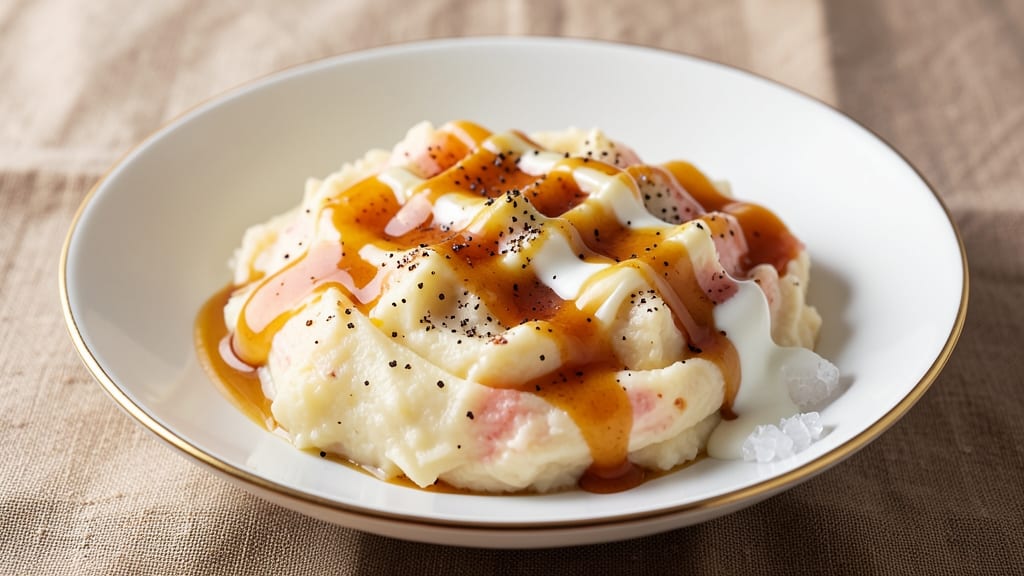
This mashed potatoes made with chicken broth recipe transforms a classic side dish into something extraordinary—ultra-smooth, savory, and packed with restaurant-quality depth.
Growing up in small-town Georgia, I learned that the secret to perfect mashed potatoes lies in the liquid: chicken broth elevates them from ordinary to unforgettable by adding richness and a subtle savory note that butter alone can't match.
What sets this recipe apart is the technique: boiling potatoes until fork-tender, then mashing while still hot to preserve texture, followed by the slow incorporation of warm chicken broth. This method creates a velvety consistency that's impossible to achieve with milk or cream alone.
The result is mashed potatoes with savory depth that pairs beautifully with roasted meats or stands alone as a comforting dish.
Here's where it gets interesting—the broth doesn't just add moisture; it infuses flavor that develops as the potatoes cook. The key is using homemade or high-quality store-bought chicken broth (never bouillon cubes) to ensure maximum depth.
This isn't just another potato recipe; it's a game-changer for anyone who's ever struggled with dry, gummy, or overly starchy mashed potatoes.
Ready in just 30 minutes, this recipe delivers restaurant-quality results with minimal effort. Whether you're serving a holiday feast or a simple weeknight dinner, these mashed potatoes will be the star of the meal.
Let's get started with the foolproof method that's earned me countless compliments in professional kitchens—and at my own dinner table.
Ingredients for mashed potatoes made with chicken broth
Restaurant-quality mashed potatoes begin with these carefully selected ingredients—each playing a precise role in achieving ultra-smooth texture and savory depth.
| Ingredient | Amount | Notes |
|---|---|---|
| Yukon Gold Potatoes 🥔 | 3 lb | Peeled and cut into even chunks |
| Unsalted Butter 🧈 | ¾ cup | Cold, cut into tablespoon-sized pieces |
| Homemade Chicken Broth 🍗 | 1 ½ cups | Low-sodium, room temperature |
| Heavy Cream 🥛 | ½ cup | Full-fat for optimal texture |
| Diamond Crystal Kosher Salt 🧂 | 1 ½ tsp | Adjust to taste, added gradually |
| Freshly Ground Black Pepper 🌶️ | ½ tsp | Cracked over finished potatoes |
| Garlic Cloves 🧄 | 2 cloves | Infused into warm broth |
| Fresh Thyme Leaves 🍃 | ¼ tsp | From 2 sprigs, finely chopped |
| Chicken Fat or Olive Oil 🫒 | 2 tbsp | For boiling water enrichment |
| Whole Milk 🥛 | ¼ cup | Optional for creamier finish |
| Freshly Grated Nutmeg 🌿 | ¼ tsp | Fine microplane for subtle warmth |
The Yukon Gold potatoes are non-negotiable for this recipe—their waxy texture and low starch content prevent gumminess while absorbing flavor beautifully. Russet potatoes can substitute but require careful monitoring to avoid dryness. For optimal results, source potatoes from a specialty grocer like Whole Foods or a local farm market where they're stored properly and haven't been exposed to light. The chicken broth should be homemade if possible—Pacific Foods or Imagine brands offer excellent quality when store-bought is necessary. Never use bouillon cubes; they lack the depth and complexity achieved through proper simmering. For the garlic, freshly roasted cloves infused into the warm broth create a subtle sweetness that elevates the dish beyond basic seasoning.
Substitutions should be made thoughtfully to preserve the recipe's integrity. Vegetable broth works for vegetarian versions but lacks the umami depth—balance with an extra tablespoon of soy sauce. If you're without heavy cream, full-fat Greek yogurt at half the quantity provides tangy richness without altering the texture. For the butter, European-style cultured butter like Plugrá adds complexity, though unsalted works perfectly. The fresh thyme can be omitted entirely if unavailable, but dried thyme at one-quarter the amount will suffice in a pinch. When using milk as an optional addition, whole milk from grass-fed cows delivers superior flavor compared to standard supermarket varieties. The nutmeg should be freshly grated—pre-ground loses potency quickly and can taste bitter.
Proper storage begins with the potatoes themselves—keep them in a cool, dark place until ready to use, and never refrigerate them before cooking. The finished mashed potatoes should be transferred to an airtight container and consumed within 3-4 days for optimal texture. For longer storage, portion into individual servings and freeze for up to 3 months, though reheating may require additional broth or cream to restore creaminess. When reheating, use a double boiler or microwave with short intervals to prevent drying. The broth can be made ahead and stored in the refrigerator for 5 days or frozen for 6 months, with the garlic and thyme added just before using to preserve their freshness.
Why You'll Love This Recipe
- No-Peel Hassle: I swear by Yukon Golds for this—just scrub and cube, no peeling required. The skin blends right in, adding that subtle texture I actually love, and saves me 10 minutes of scrubbing my fingers raw.
- Rich Without Effort: That homemade chicken broth isn’t just flavor—it’s depth. One ladle swirled into the warm potatoes while mashing? Instant umami punch, like someone tucked a little savory secret into every bite. (Yes, even my broth-skeptical husband nods at this.)
- Weeknight Magic: Double the batch on Sunday, reheat with a splash of broth and cream—voilà, dinner’s covered. Or serve it alongside roasted chicken for a meal so simple, it feels like cheating. (Between us, that’s the best kind of cooking.)
- Budget Luxury: Heavy cream makes it feel fancy, but the real win? Chicken broth stretches every ingredient. A single pot feeds six for under $10, and leftovers taste just as good cold in sandwiches the next day. Frugal? Absolutely. Delicious? Ridiculously.
Step-by-step instructions for creamy chicken broth mashed potatoes
Mastering velvety texture and savory depth requires precision—follow these exact steps.
Parboil the Potatoes Until Fork-Tender
Place the 3 lb Yukon Gold Potatoes in a large pot and cover with cold water by 2 inches. Add 2 tbsp chicken fat or olive oil to help prevent surface drying. Bring to a rolling boil over high heat, then immediately reduce to a gentle simmer. Cook for 12-15 minutes until a knife slides in easily—this ensures even cooking without breaking down the starches prematurely.
Here's the thing—don't skip the cold water start. It prevents uneven cooking and maintains that perfect waxy interior. Once tender, drain immediately and return the potatoes to the pot. This prevents them from cooling while you prepare the broth mixture, which is critical for maintaining temperature control during mashing.
Infuse the Broth with Garlic and Thyme
In a separate saucepan, combine the 1.5 cups homemade chicken broth with the 2 cloves garlic cloves and 0.25 tsp fresh thyme leaves. Bring to a gentle simmer and cook for 5 minutes to extract maximum flavor. Remove from heat and let steep for 10 minutes while covered—this infusion creates the aromatic foundation of your potatoes.
Strain the infused broth through a fine-mesh sieve to remove garlic and thyme, then return it to the saucepan. Keep it warm over low heat—you'll use it immediately after mashing. The reason we infuse rather than just adding raw garlic is that cooking releases more flavor compounds, giving your potatoes that restaurant-quality depth without overpowering bitterness.
Mash with Butter and Warm Broth
Return the drained potatoes to the pot and let them sit for 1 minute to steam slightly. Add the 0.75 cup cold unsalted butter (cut into tablespoon-sized pieces) and mash vigorously with a potato masher or ricer. The butter should melt completely from the residual heat—this creates the velvety base before adding liquids.
Gradually add the 1.5 cups warm infused broth while continuing to mash. You want the mixture to be smooth but still slightly thick—this prevents a gluey texture. Work in batches if needed, but don't rush. The goal is to incorporate the broth without creating lumps, which would ruin the silky finish. This is where patience pays off—each pass of the masher should yield progressively smoother results.
Finish with Cream and Seasonings
Switch to a wooden spoon and gently fold in the 0.5 cup heavy cream and 0.25 cup whole milk (if using) until fully combined. The cream should disappear completely, creating a luxurious mouthfeel. Add the 1.5 tsp diamond crystal kosher salt and 0.5 tsp freshly ground black pepper, then finish with the 0.25 tsp freshly grated nutmeg. Taste and adjust salt if needed—this is your final opportunity to balance the seasoning.
Real talk: The nutmeg might seem like an afterthought, but it's what elevates these potatoes from ordinary to extraordinary. Grate it fresh using a microplane for maximum aroma, and add it at the very end so the heat doesn't cook off its delicate flavor. The combination of warm broth, rich cream, and subtle nutmeg creates a complexity that plain butter mashed potatoes can't match.
Serve Immediately with Perfect Texture
Transfer the mashed potatoes to a serving bowl and cover with plastic wrap pressed directly onto the surface. Let rest for 5 minutes—this allows the flavors to meld and the texture to set slightly. The potatoes should be light yet dense, with a velvety sheen that indicates proper moisture balance.
Serve immediately with additional cracked black pepper on top. The contrast between the warm, creamy potatoes and the sharp pepper adds another layer of flavor. If making ahead, reheat gently with a splash of warm broth to restore moisture—never microwave directly, as it creates a gummy texture. These potatoes are designed to be enjoyed at their peak freshness, where every bite delivers that perfect harmony of texture and savory depth.
Pro Tips For Making Mashed Potatoes Made With Chicken Broth
- Boil Until Fork-Tender: Yukon Golds should collapse like butter when pierced—not just soft, but melt-in-your-mouth done. I used to pull them at "almost done" and ended up with gummy mash. Test with a fork: if it slides in like a hot knife, they’re ready. (Yes, even if the skin isn’t fully tender—that’s fine.)
- Strain Broth Cold: Warm broth releases starch and makes your mash gluey. Strain it cold (or chill it first) to keep it clean and flavorful. I learned this after three batches of clumpy potatoes—now I just pour the broth straight from the fridge into the pot.
- Warm the Cream: Cold heavy cream turns mashed potatoes greasy and uneven. Heat it gently (just until it’s warm to the touch) before mixing—it blends smoother and adds richness without breaking. (Pro move: temper it with a splash of hot broth first if you’re nervous.)
- Salt the Butter First: Unsalted butter needs flavor. Mix ½ teaspoon Diamond Crystal kosher salt per ¼ cup butter before melting—it dissolves evenly and cuts down on extra seasoning later. I used to forget, then wonder why my potatoes tasted bland. (Trust me, it’s the thing that matters most.)
Regional styles of these flavors
Southern Comfort Style
In the Deep South, mashed potatoes get a hearty upgrade with extra butter and a touch of cream, but the real magic happens with smoked chicken broth. I learned this technique from my grandmother in Georgia, who always used leftover broth from Sunday roasts.
For this version, swap the regular chicken broth for smoked chicken broth (like Annie's or homemade) and add 1 tsp smoked paprika to the warm broth infusion. The result? A rich, slightly smoky depth that pairs perfectly with BBQ ribs or fried chicken. 🍗
New England Creamy Version
Up north, they take their mashed potatoes seriously—think extra cream and a hint of tang. For a New England twist, replace half the chicken broth with heavy cream and stir in 1 tbsp sour cream at the finish.
Add ½ tsp white miso paste to the warm broth for umami complexity. This version is lighter in color but ultra-creamy, ideal for seafood dinners or holiday feasts. The miso adds that subtle savory note that makes it stand out. 🥛
German-Inspired Rustic Style
German cuisine loves hearty, flavorful sides, and their mashed potatoes are no exception. For a rustic take, use equal parts chicken broth and whole milk (no heavy cream) and fold in 2 tbsp crumbled bacon and 1 chopped hard-boiled egg at the end.
The egg adds protein and a silky texture, while the bacon gives it that smoky, salty punch. This version is perfect for a hearty brunch or as a side for roasted pork. 🥓
Italian-Inspired Garlic-Kissed
In Italy, they’d never skimp on garlic. For this variation, infuse the warm broth with 4 cloves roasted garlic (instead of 2) and add 1 tbsp fresh parsley at the finish. Swap the nutmeg for ½ tsp grated lemon zest for brightness.
The extra garlic gives it a bold, aromatic kick that pairs beautifully with Italian mains like osso buco or chicken parmesan. The lemon zest cuts through the richness, balancing the dish perfectly. 🧄
French Technique: Potato Purée
For a restaurant-worthy finish, try the French method of making a potato purée. After mashing, pass the potatoes through a fine-mesh tamis sieve for an ultra-smooth texture.
Fold in the warm infused broth and finish with a drizzle of truffle oil (just ½ tsp) and a pinch of fresh chives. This version is elegant enough for special occasions but still retains that comforting, savory depth from the chicken broth.
The truffle oil adds a luxurious touch without overpowering. 🥖
Spicy Cajun Kick
Bring the heat with a Cajun twist! Infuse the warm broth with 1 tsp Cajun seasoning (like Tony Chachere's) and ½ tsp cayenne pepper. Add 1 tbsp chopped green onions and a dash of hot sauce at the end for extra zing.
This version is perfect for crawfish boils or spicy seafood dishes. The cayenne adds a slow-building heat that keeps your taste buds engaged. 🌶️
Nutrition facts
Frequently asked questions
Why does chicken broth make mashed potatoes taste better than milk or cream?
Chicken broth adds savory depth and umami richness that dairy alone can't match. The infusion of garlic and herbs in warm broth creates complex aromatics that elevate the potatoes beyond basic creaminess. Plus, broth contains natural salts that enhance flavor without needing extra seasoning.
Can I use store-bought chicken broth instead of homemade?
Yes, but choose high-quality brands like Pacific Foods or Imagine for maximum flavor. Avoid bouillon cubes—they lack depth. If using store-bought, simmer it first to concentrate flavors before infusing with garlic and thyme. The difference is noticeable!
What's the secret to getting ultra-smooth mashed potatoes?
Three key factors: fork-tender potatoes (not mushy), warm broth (not cold), and proper mashing technique. Use a ricer or potato masher, and work in batches. The warm broth should be added gradually while mashing to prevent lumps. Patience is everything—don't rush!
Can I make these ahead of time for a holiday dinner?
Yes, but reheat carefully. Transfer to an airtight container and refrigerate for up to 3 days. To reheat, warm gently with a splash of fresh broth in a double boiler or microwave in 30-second intervals. Never microwave directly—it creates gummy texture. For best results, make fresh!
What if my mashed potatoes turn out too dry?
Add warm broth or heavy cream 1 tablespoon at a time while mashing until creamy. The issue usually happens when potatoes are overcooked or cooled too much before adding liquids. For next time, keep everything warm and work quickly. A splash of warm milk can also help restore moisture.