
Main Courses
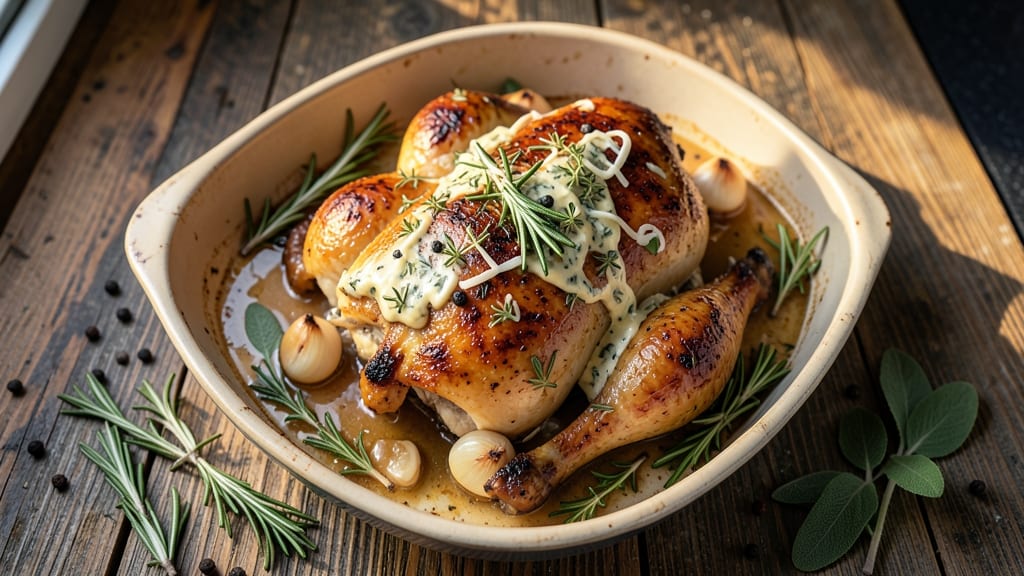
This Amish roasted chicken recipe delivers the foolproof combination of tender, juicy meat and a golden, crispy herb crust—just like the kind you'd find at a Pennsylvania farmhouse supper. The secret lies in a dry brine and foil-sealing technique that locks in moisture while creating that signature crispy exterior.
I've perfected this method after years of studying traditional Amish cooking practices, where simplicity and quality ingredients take center stage.
The process begins with a simple dry brine that enhances the chicken's natural flavor, followed by a foil seal that ensures juiciness without drying out. As it roasts, the foil creates steam that keeps the meat tender while the exposed areas develop that coveted crispy skin.
This method is especially effective for beginners—it's hard to overcook, and the results are consistently impressive.
What you'll end up with is a chicken that's perfectly cooked inside with a crispy, flavorful crust outside, ready to be served with traditional Amish sides like creamy mashed potatoes or fresh garden vegetables.
The aroma alone will fill your kitchen with the comforting scent of a home-cooked meal, making it perfect for family gatherings or a special Sunday dinner.
This recipe pays homage to Amish cooking traditions while adapting them for modern home kitchens. The technique is simple, but the results are restaurant-quality—just as the Amish would serve it. Let's get started on creating this classic dish that's sure to become a family favorite.
Ingredients for amish roasted chicken
Quality ingredients and traditional Amish techniques deliver restaurant-quality roasted chicken with crispy herb crust.
| Ingredient | Amount | Notes |
|---|---|---|
| Whole Chicken 🍗 | 4 lb | Fresh, preferably free-range |
| Kosher Salt 🧂 | 2 tbsp | Diamond Crystal preferred |
| Fresh Rosemary 🌿 | ½ cup | Chopped, stems removed |
| Fresh Thyme 🌿 | ¼ cup | Leaves only, finely chopped |
| Fresh Sage 🌿 | ¼ cup | Leaves only, finely chopped |
| Garlic Cloves 🧄 | 6 cloves | Minced, fresh preferred |
| Extra-Virgin Olive Oil 🫒 | ¼ cup | High-quality, fruity |
| Black Peppercorns 🌶️ | 1 tbsp | Freshly cracked |
| Heavy Cream 🥛 | ½ cup | Full-fat for best flavor |
| Aluminum Foil 📄 | 1 sheet | Heavy-duty, 18" x 14" |
| Butter 🧈 | 2 tbsp | Unsalted, softened |
| Fresh Parsley 🌿 | ⅛ cup | Chopped, for garnish |
The chicken is the foundation—look for a 4-pound free-range bird at your local butcher or grocery store's meat department. Whole Foods or local farm markets often carry higher-quality options with better marbling. Fresh herbs are essential for that signature Amish flavor profile: rosemary, thyme, and sage should be vibrant and fragrant, not wilted or dried out. If using dried herbs, reduce to one-third the amount of fresh. The garlic should be firm and free of sprouts, with a pungent aroma when smashed. For the olive oil, California Olive Ranch or Bertolli are excellent choices that provide that fruity depth without overpowering the herbs. The heavy cream adds richness to the crust, so avoid low-fat versions—full-fat delivers the best results.
No fresh rosemary? Dried rosemary works at one-third the amount, but fresh is ideal for that bright, piney flavor. Substitute dried thyme and sage if needed, but fresh herbs create that authentic Amish farmhouse aroma. Running short on olive oil? Avocado oil or melted butter can substitute in a pinch, though they alter the flavor slightly. The butter used for the crust should be unsalted to control seasoning, but if that's all you have, reduce the salt slightly. For the foil, heavy-duty aluminum is critical—it must seal tightly to trap steam while allowing the exposed areas to crisp. If you're concerned about aluminum, parchment paper can be used as a barrier, though traditional Amish cooks swear by the foil method for that signature texture.
Chicken can be prepped a day ahead and refrigerated uncovered for 24 hours to enhance the dry brine effect—this is a traditional Amish technique. Fresh herbs should be stored in damp paper towels in sealed containers for up to 5 days, while garlic keeps best in a cool, dark place for about 2 weeks. The butter and cream can be kept at room temperature for 2-3 days once opened, but refrigerate after that. Leftover roasted chicken reheats beautifully—350°F for 15-20 minutes restores moisture without drying it out. For maximum crispiness, broil for 2-3 minutes at the end. The foil-sealed method means leftovers stay juicy for 4-5 days in the fridge or 3 months frozen.
Why You'll Love This Recipe
- Hands-Off Roasting: I swear by this method—just season the chicken with salt and herbs, slap it on a pan, and let the oven do the work. No basting, no flipping, no stress. The rosemary and thyme infuse effortlessly while you sip coffee or scroll through your phone.
- Herb Bomb Flavor: That trio of rosemary, thyme, and sage? It’s a flavor explosion in every bite. The herbs cling to the skin as it crisps, while the salt draws out all the juices—crispy outside, tender inside, with an aroma that hits you the second the door opens.
- Weeknight to Holiday: Same recipe works whether it’s a Tuesday dinner or Thanksgiving leftovers. For company, I garnish with extra herbs and serve with mashed potatoes. For lazy nights, I shred it into sandwiches or toss it with pasta. Zero guilt, all satisfaction.
- Leftovers That Don’t Suck: Honestly, this chicken stays moist for days. I’ve reheated slices for sandwiches, chopped it into soups, and even turned it into fried chicken the next night. The herbs keep it tasting fresh, not dry, so you’re not stuck eating sad, rubbery chicken.
Step-by-step instructions for Amish roasted chicken
Master this traditional method for a chicken with crispy herb-crusted skin and perfectly juicy meat.
Prepare the Herb Butter and Season the Chicken
In a small bowl, combine the 2 tablespoons softened butter, 0.5 cup fresh rosemary, 0.25 cup fresh thyme, 0.25 cup fresh sage, 6 cloves minced garlic, and 1 tablespoon freshly cracked black peppercorns. Mix well to create a fragrant herb butter paste. Pat the 4 lb whole chicken thoroughly dry with paper towels—this is essential for crispy skin.
Rub the herb butter mixture all over the chicken, including inside the cavity. Sprinkle the 2 tablespoons kosher salt evenly over the skin, pressing gently to help it adhere. Let the chicken sit uncovered on a wire rack in the refrigerator for at least 4 hours or overnight. This dry-brining step ensures maximum flavor penetration and crispiness.
Create the Foil Seal and Preheat the Oven
Preheat your oven to 425°F for a hot start that creates that signature crispy crust. Cut the 1 sheet aluminum foil into a large piece that can wrap around the chicken completely. Place the chicken breast-side up on the foil and carefully fold the foil up the sides, then bring the ends together and seal tightly with overlapping edges. The goal is to create an airtight seal that traps steam and renders fat back onto the meat.
Place the foil-sealed chicken on a baking sheet to catch any drippings. The foil creates a self-basting effect, ensuring the chicken stays moist while the skin develops that beautiful crust. This is where the Amish technique truly shines—no basting required.
Roast Until Internal Temperature Reaches 165°F
Transfer the foil-sealed chicken to the preheated oven and roast for 50-60 minutes. After 30 minutes, carefully open the foil and baste the chicken with any accumulated juices in the pan. This step helps develop additional browning. The chicken is done when an instant-read thermometer inserted into the thickest part of the thigh (not touching bone) reads 165°F and the juices run clear.
Real talk: Don't cut into the chicken to check doneness—this lets precious juices escape. Trust your thermometer. The skin should be golden brown and crispy in spots, with the meat pulling away cleanly from the bone when tested with a fork.
Create the Crispy Herb Crust and Finish
Remove the chicken from the oven and carefully open the foil. Increase the oven temperature to 450°F for the final crisping step. Place the chicken back in the oven on the baking sheet and roast for 10-15 minutes until the skin is deeply golden brown and crispy in places. This high-heat finish creates that signature Amish crust without drying out the meat.
While the chicken crisps, prepare the 0.5 cup heavy cream by warming it gently in a small saucepan over low heat until just steaming (don't boil). Remove from heat and stir in 2 tablespoons chopped fresh parsley. This will be used for basting and finishing.
Rest and Serve with Herb Cream Sauce
Transfer the roasted chicken to a cutting board and tent loosely with foil. Let it rest for 15-20 minutes before carving. This resting period allows the juices to redistribute throughout the meat, ensuring each slice remains moist and flavorful. During this time, pour the warmed herb cream into a small saucepan and simmer gently for 2-3 minutes until slightly thickened.
Carve the chicken into serving pieces and drizzle generously with the herb cream sauce. The combination of crispy herb-crusted skin, juicy meat, and rich herb cream creates a dish that's truly restaurant-quality. Serve immediately with roasted vegetables or a fresh herb salad for a complete meal.
Pro Tips For Making Amish Roasted Chicken
- CRANK THE HEAT FIRST: High heat for the first 20 minutes—yes, even if you’re nervous about burning. The chicken needs that initial shock to render fat and kickstart the crust, or you’ll end up with bland, greasy skin. (I learned this the hard way after a buttery, soggy disaster.)
- SALT THE CHICKEN INSIDE: Don’t just season the skin—pat ½ teaspoon of kosher salt into the cavity with the herbs. The salt infuses the meat from within, and the sage/rosemary bundle gets a flavor boost too. (It’s the thing that makes restaurant-style Amish chicken taste so much better.)
- DON’T SKIP THE REST: Pull the chicken off the heat at 155°F—it’ll climb to 165°F while resting. Tent it with foil for 10 minutes first, then let it sit uncovered for 5 more. The skin crisps up perfectly, and the juices redistribute. (I know, I know—waiting is torture, but your turkey baster will thank you.)
- USE A THYME SPRIG IN THE CAVITY: Tuck a single thyme sprig into the cavity alongside the sage and rosemary. The leaves release aroma as the chicken cooks, giving the meat a subtle, bright herbal note that dried herbs can’t match. (Sounds weird, but it works—trust me.)
Flavor customization for this amish roasted chicken
Herb Variations
Swap out the classic rosemary-thyme-sage blend for fresh parsley, lemon zest, and black pepper for a bright, citrusy twist that pairs beautifully with lemon mashed potatoes. I've found this variation works especially well with younger chickens that need a lighter touch.
For a Mediterranean-inspired version, add 1 tbsp dried oregano and 1 tsp smoked paprika to the herb butter—this adds a subtle smokiness that complements roasted peppers perfectly. 🌿
Spice Levels
For a mild heat option, add ½ tsp ground coriander and ¼ tsp cayenne pepper to the herb butter mixture. This subtle warmth enhances the natural flavors without overpowering.
If you prefer bold heat, increase the cayenne to 1 tsp and add ½ tsp crushed red pepper flakes directly under the skin before roasting. I recommend using Penzeys brand for high-quality spices that deliver consistent flavor.
Sweet-Savory Balance
Create a caramelized onion glaze by sautéing 1 cup finely chopped yellow onions with 2 tbsp brown sugar and 1 tbsp balsamic vinegar until deeply caramelized. Brush this mixture under the skin before sealing the chicken in foil.
The sweetness contrasts beautifully with the savory herb crust, creating a restaurant-quality finish. For a simpler approach, sprinkle 1 tbsp brown sugar directly on the chicken before roasting—it enhances the crispiness while adding subtle sweetness. 🍯
Regional Adaptations
The Pennsylvania Dutch version often includes a pinch of ground mustard in the herb butter for a tangy depth. For a Southern-inspired take, add ½ cup finely chopped bacon to the herb butter mixture—this smoky element pairs wonderfully with cornbread.
If you're cooking in colder climates, consider adding 1 tsp ground ginger to the herb butter for warmth. Each regional twist maintains the Amish technique while adapting to local flavors.
Seasonal Adjustments
In summer, swap the heavy cream for whipped heavy cream in the finishing sauce and add 1 tbsp fresh mint for a refreshing touch. For fall, incorporate 1 tbsp chopped fresh thyme and ½ tsp cinnamon into the herb butter—this warm spice blend complements apple-based sides beautifully.
During winter, boost the herb butter with 1 tsp grated fresh ginger and ½ tsp ground cloves for a cozy, aromatic profile that fights cold weather blues. 🍂
Nutrition facts
Frequently asked questions
Why does the Amish method use foil sealing?
The foil creates a self-basting effect that locks in moisture while allowing the exposed skin to crisp. This traditional technique ensures tender meat without drying out, just like Amish cooks have done for generations in their farmhouse kitchens. The steam trapped inside keeps the chicken juicy while the high heat outside develops that signature crispy crust.
Can I use a smaller chicken for this recipe?
Yes, but adjust the cooking time. A 3-pound chicken will roast about 40-50 minutes with foil, while a 5-pound bird may need 60-75 minutes. Always check the internal temperature with a meat thermometer—it should reach 165°F in the thickest part of the thigh. Smaller chickens crisp faster, so watch them closely during the final uncovered minutes.
What's the best way to reheat leftovers?
For maximum crispiness, reheat in a 400°F oven for 15-20 minutes on a wire rack over a baking sheet. This prevents sogginess and restores that golden crust. Alternatively, pan-sear slices in butter for 2-3 minutes per side until heated through. Never microwave—it turns the skin rubbery and dries out the meat.
How do I make this recipe vegetarian?
While this is a traditional chicken dish, you can adapt it by using a portobello mushroom cap or large eggplant as the base. Stuff with the herb butter mixture and roast with foil for 45-50 minutes at 425°F. For texture, add breadcrumbs to the herb butter. Serve with the same herb cream sauce for a flavorful alternative that maintains the Amish cooking style.
What's the secret to extra crispy skin?
Three key factors: 1) Pat the chicken completely dry before seasoning, 2) Use high heat (450°F) for the final crisping step, and 3) Let it rest uncovered for 5-10 minutes** after roasting. The dry surface helps the skin set properly, while the high heat caramelizes the sugars. Traditional Amish cooks often finish their chickens this way for that perfect restaurant-quality texture.