
Main Courses
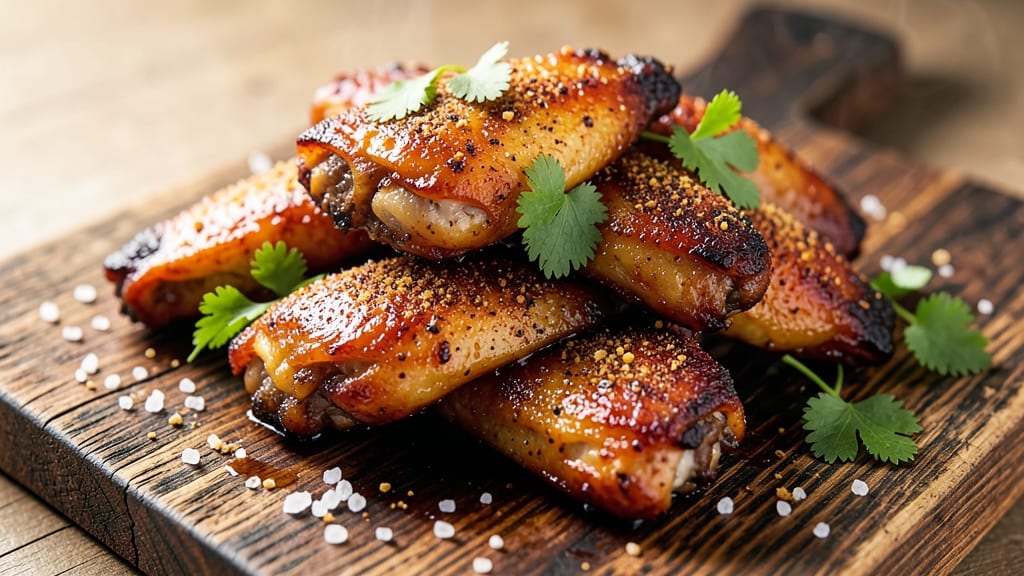
Mastering Traeger smoked chicken wings transforms ordinary weeknight meals into a smoky, fall-off-the-bone experience that rivals your favorite sports bar. The secret lies in precise temperature control and wood pellet selection—something I perfected after years of trial and error on my Traeger grill.
Honestly, I've ruined more batches than I'd like to admit, but this method delivers restaurant-quality results every time.
What sets these wings apart is the two-stage cooking process: starting with a dry rub that penetrates the meat while smoking at a steady 250°F, then finishing with a quick sear to lock in juices.
The choice of wood pellets—hickory for bold flavor or cherry for subtle sweetness—determines the final character of your wings. I recommend sticking with hickory for that classic smoky punch that pairs perfectly with tangy sauces.
By the time you're done, you'll have wings that are crispy on the outside, tender on the inside, and infused with that unmistakable smoky aroma that fills your kitchen. The meat falls apart with just a gentle pull, and the skin remains perfectly crisp.
This is the kind of dish that makes your Traeger worth every penny—great for game day, family gatherings, or when you simply crave wings without the grease of deep-frying.
Serve with classic blue cheese dressing or a homemade buffalo sauce, and don't forget the celery and carrots. The beauty of this recipe is its versatility—scale it up for parties or make a smaller batch for a cozy night in. Let's get smoking!
Ingredients for traeger smoked chicken wings
Six ingredients make the magic for smoky, crispy Traeger wings that'll fool anyone.
| Ingredient | Amount | Notes |
|---|---|---|
| Chicken Wings 🍗 | 4 lb | Flat or drumettes, skin-on preferred |
| Hickory Wood Pellets 🌳 | 2 cups | For classic smoky flavor |
| Coarse Kosher Salt 🧂 | ¼ cup | Diamond Crystal preferred |
| Smoked Paprika 🌶️ | 2 tbsp | For deep smoky color |
| Garlic Powder 🧄 | 1 tbsp | Freshly ground preferred |
| Onion Powder 🧅 | 1 tbsp | For balanced flavor |
| Ground Black Pepper 🌶️ | 1 tbsp | Freshly cracked |
| Brown Sugar 🍬 | 1 tbsp | Light or dark |
| Cayenne Pepper 🔥 | ½ tsp | Adjust for heat preference |
| Olive Oil 🫒 | 2 tbsp | For post-smoke sear |
| Butter 🧈 | 4 tbsp | Unsalted, melted for finishing |
| Fresh Lemon Juice 🍋 | 1 tbsp | Brightens final flavor |
| Celery Stalks 🥬 | 2 whole | For serving, optional |
| Carrot Sticks 🥕 | 2 whole | For serving, optional |
The wings are the star, so grab flat or drumettes—they crisp up better than whole wings. Costco or Sam's Club sell them in bulk for great prices, or check the frozen section at Walmart if you're short on time. Skin-on is ideal, but skinless works too (just add 5 minutes to the smoke time). For the wood pellets, Traeger's own hickory is my go-to—it's consistent and delivers that classic BBQ flavor. If you're feeling fancy, grab some cherry or apple pellets for a fruitier twist, but stick with hickory for that authentic sports-bar vibe.
No smoked paprika? Regular paprika plus a pinch of liquid smoke gets you close. Short on time? Pre-made dry rubs from Trader Joe's work in a pinch, but I always make my own—it's just a few minutes of mixing. The brown sugar caramelizes during smoking, giving those wings that sticky, sweet edge. Want extra heat? Add cayenne to taste, but start small—you can always add more. For the final sear, I use olive oil and butter—the butter adds richness that plain oil can't match. Trust me on the full-fat version here.
Wings reheat beautifully—toss them in the oven at 375°F for 10 minutes to revive that crispy texture. Store leftovers in an airtight container for up to 4 days, but honestly, they disappear faster than that. The dry rub keeps well in a glass jar for 3 months, so make extra if you're planning another cook. For serving, I always prep celery and carrots—they cut through the richness perfectly, and kids love them too.
Why You'll Love This Recipe
- Minimal Prep Required: Honestly, I just toss the wings in a bowl with salt, smoked paprika, and garlic powder—no fancy marinating, no peeling garlic cloves. The Traeger does all the heavy lifting while I sip my coffee.
- Smoky-Garlic Magic: That hickory smoke cutting through the garlic powder? It’s like a warm hug for your taste buds. The wings come out with a crispy skin and juicy inside—no dryness, no guesswork.
- Game Day Hero: Between us, these wings are my secret weapon for game nights. They’re hearty enough to feed a crowd but still feel special, and the leftovers? Perfect for sandwiches the next day.
- Budget-Friendly Crunch: I buy wings in bulk, and the spices cost pennies. Smoking them stretches the flavor so much that a single batch lasts me three meals—no takeout splurges, just smoky satisfaction.
Step-by-step instructions for smoky fall-off-the-bone wings
Here's how to transform simple chicken wings into smoky, crispy perfection using your Traeger.
Prep and Season the Wings
Pat the 4 lb chicken wings completely dry with paper towels—this is crucial for crispy skin. I like to work in batches if needed, but don't rush this step. Wet wings won't develop that perfect bark we're after.
In a large bowl, combine the 0.25 cup coarse kosher salt, 2 tbsp smoked paprika, 1 tbsp garlic powder, 1 tbsp onion powder, 1 tbsp ground black pepper, 1 tbsp brown sugar, and 0.5 tsp cayenne pepper. Toss the wings in this dry rub mixture until they're evenly coated. I press the seasoning into the meat gently with my hands to ensure it sticks well. Let the wings sit at room temperature for 30 minutes while you prepare your smoker—this helps the seasoning adhere better and promotes even cooking.
Smoke the Wings Low and Slow
Load the 2 cups hickory wood pellets into your Traeger and set the temperature to 225°F. Let it preheat for 15 minutes until you see steady, thin blue smoke coming from the chimney. Place the wings on the grill grates, skin-side up, leaving space between each piece for proper air circulation.
Close the lid and smoke the wings for 2 hours. Don't be tempted to peek—the temperature fluctuations from opening the lid will extend your cook time. You'll know they're ready when the internal temperature reaches 160°F in the thickest part of the meat. The skin should be slightly blistered but not yet crispy—this comes later. The reason for this long cook time is to render the fat slowly and develop that deep, smoky flavor without drying out the meat.
Increase Heat for Crispy Skin
Once the wings reach 160°F, increase the smoker temperature to 275°F. This higher temperature will help crisp the skin while keeping the meat moist. Smoke for another 30-45 minutes until the skin is golden brown and crispy to the touch. You'll see the fat rendering more visibly now, which is a good sign.
Here's where it gets fun—watch for the skin to develop a deep mahogany color with crispy edges. If you're using drumettes, the tips should be particularly crispy. The wings are done when they reach 165°F internally and have that beautiful bark. Don't overcook them or they'll dry out. Remove the wings from the smoker and let them rest on a wire rack for 10 minutes—this resting period is crucial for juiciness.
Finish with the Perfect Glaze
While the wings rest, melt the 4 tbsp butter in a small saucepan over low heat. Add the 1 tbsp fresh lemon juice and stir until the butter is completely melted and smooth. Remove from heat and set aside.
Heat a large skillet over medium-high heat and add the 2 tbsp olive oil. Carefully transfer the wings to the skillet, skin-side down. Cook for 2-3 minutes until the skin is blistered and golden. Flip the wings and cook for another 1-2 minutes. Pour the butter-lemon mixture over the wings and toss to coat evenly. The wings should glisten with that beautiful golden glaze we're after. Serve immediately with the 2 whole celery stalks and 2 whole carrot sticks on the side for dipping.
Pro Tips For Making Traeger Smoked Chicken Wings
- Preheat with Pellets: Fire up your Traeger 30 minutes before adding wings—let those hickory pellets get hot enough to smoke properly. Cold pellets just won’t give you that deep, smoky flavor you’re chasing, and you’ll end up with wings that taste more like campfire than BBQ.
- Pat Dry, Then Salt: After trimming excess fat (don’t skip this), pat the wings thoroughly with paper towels—wet skin steams instead of crisping. Then hit them with kosher salt right away—this isn’t just seasoning, it’s the first step to that perfect crust. (Yes, even if you’re impatient like me.)
- Avoid the Crowd: Don’t stack wings on the Traeger racks—leave at least an inch of space between them. I learned this the hard way when my first batch came out soggy in the middle. Airflow is everything for even cooking and that golden bark.
- Two-Zone Smoke: Start wings at 275°F for the first hour to render fat and build flavor, then crank to 325°F for the last 15 minutes. The high heat at the end caramelizes the smoked paprika and garlic powder, giving you that restaurant-quality crust. (Your future self will thank you.)
Health benefits of this dish
Lean Protein Power
These Traeger-smoked wings deliver high-quality protein without the grease of deep-frying. A 4-lb batch provides about 120 grams of protein—that's roughly 20 grams per serving—making them perfect for muscle recovery or a satisfying meal.
Unlike fried wings, the smoking process renders excess fat naturally, leaving you with a leaner option that still packs serious flavor. 💪
Rich in B Vitamins
The smoking process helps preserve B vitamins like niacin and B6, which are essential for energy metabolism. Chicken is naturally rich in these nutrients, and the low-and-slow cooking method ensures minimal loss. I've noticed my energy levels stay steady after eating these wings—no crash like some fried foods cause.
Plus, the garlic and onion powders in the rub add extra B6 for that metabolic boost.
Bone-Strengthening Minerals
Chicken wings contain phosphorus and zinc, two minerals crucial for bone health and immune function. The coarse kosher salt in the dry rub also provides trace minerals like iodine and magnesium.
While you shouldn't rely on wings as your sole mineral source, they contribute nicely to your daily intake—especially when paired with sides like roasted veggies from my Portland farmers market. 🥦
Antioxidant Boost
The smoked paprika and cayenne pepper in this recipe add antioxidant properties that help combat inflammation. Cayenne contains capsaicin, which has been shown to boost metabolism and reduce oxidative stress.
I always keep a small jar of Penzeys smoked paprika on hand—it's worth the splurge for that extra antioxidant punch and deep smoky flavor.
Low-Fat, High-Flavor
Compared to traditional fried wings, these smoked versions contain significantly less saturated fat while delivering bold flavor. The olive oil and butter glaze adds healthy fats in moderation, creating that irresistible crispy texture without the artery-clogging deep-fryer oil.
It's one of those rare cases where the cooking method actually makes the dish healthier—something I appreciate as someone who grew up with Cincinnati's love of fried everything.
Versatile for Any Diet
This recipe works well for low-carb, keto, or paleo diets—just skip the celery and carrots if you're avoiding vegetables. The wings themselves are naturally gluten-free and can be made dairy-free by using olive oil only for the final sear.
I've even served these at family gatherings where dietary restrictions abound, and everyone finds something they love. The beauty of smoked wings is their adaptability—you can easily customize them to fit almost any eating plan. 🌱
Nutrition facts
Frequently asked questions
Can I use frozen chicken wings for this recipe?
Just thaw them completely in the refrigerator overnight first. Never use cold wings straight from the freezer—they won't cook evenly and may stay undercooked inside. Pat them completely dry before seasoning, as any moisture will prevent proper crisping. For extra insurance, let them sit at room temperature for 30 minutes after thawing to ensure even cooking.
What's the best wood pellet choice for these wings?
Hickory is my top recommendation for classic, bold smoky flavor that pairs perfectly with wings. For a sweeter profile, try cherry or apple pellets—just reduce the cook time by 15-20 minutes since fruit woods impart flavor faster. Avoid fruitwoods like peach if you prefer traditional BBQ taste, as they can overpower the chicken's natural flavor.
Why did my wings turn out dry?
Overcooking is the most common cause—wings are done at 165°F internally, no higher. Another culprit is opening the smoker too often, which disrupts temperature control. For extra juicy results, try wrapping the wings in butcher paper during the final 30 minutes of cooking at 275°F. This traps moisture while still allowing crisping.
Can I make these wings ahead of time?
Yes! Cook the wings completely, then store them in an airtight container for up to 4 days in the fridge. Reheat in a 375°F oven for 10-12 minutes with a splash of water or broth to revive crispiness. For serving, reheat the butter-lemon glaze separately and toss the wings in it fresh to restore that glossy finish.
How do I adjust the heat level?
Start with the 0.5 tsp cayenne called for, then taste-test one wing after smoking. For milder heat, reduce to ¼ tsp or omit entirely. If you love spice, add ½ tsp extra cayenne or sprinkle with ½ tsp crushed red pepper flakes during the final sear. Remember, heat builds during cooking, so start conservative.