
Main Courses
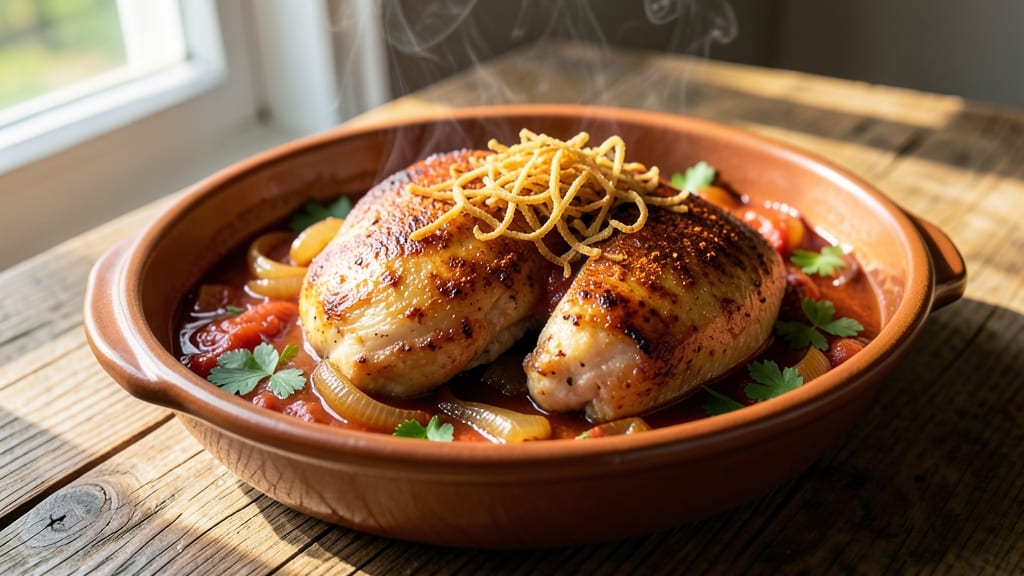
This traditional chicken paprikash recipe brings the rich, smoky flavors of Hungarian cuisine straight to your kitchen table. The secret lies in slow-cooked chicken bathed in a velvety paprika-tomato sauce, balanced perfectly with tangy sour cream—each bite delivers a harmony of sweet, spicy, and creamy notes.
I've spent years perfecting this dish, and the key is patience: letting the paprika develop its deep, aromatic complexity while the chicken tenderizes in its own juices.
The process starts with browning the chicken thighs in a Dutch oven—this step builds the foundational depth of flavor through caramelization. Then, onions and garlic form the aromatic base before sweet and hot paprika transform the sauce into something truly special.
Unlike many shortcut recipes, this version requires no substitutions; it's the authentic method that delivers restaurant-quality results at home, with a sauce that clings to the chicken and pairs beautifully with egg noodles or crusty bread.
What you'll achieve is a dish that looks as impressive as it tastes: golden-brown chicken pieces nestled in a glossy, slightly thickened sauce with just the right balance of tang and richness. The sour cream adds a velvety finish that rounds out the flavors, while fresh parsley brightens the presentation.
This isn't just comfort food—it's a celebration of traditional Hungarian cooking that feels like a hug in a bowl.
Serve it family-style with buttered egg noodles or fluffy dumplings to soak up every last drop of that smoky, creamy sauce. The leftovers reheat beautifully, making this the perfect recipe for meal prep or feeding a crowd. Let's get cooking—your taste buds will thank you.
Ingredients for traditional chicken paprikash
Authentic flavors start with these essential ingredients—each playing its part in Hungary's classic comfort dish.
| Ingredient | Amount | Notes |
|---|---|---|
| Chicken Thighs, Bone-In 🍗 | 1 ½ lb | Skin-on, cut into even pieces |
| Sweet Hungarian Paprika 🌶️ | 2 tbsp | High-quality, not smoked |
| Hot Hungarian Paprika 🌶️ | 1 tbsp | For balanced heat |
| Yellow Onions 🧅 | 1 whole | Sliced into half-moons |
| Garlic Cloves 🧄 | 4 cloves | Minced, fresh preferred |
| Tomato Paste 🍅 | 2 tbsp | High-quality, no additives |
| Fresh Parsley 🌿 | ¼ cup | Chopped, for garnish |
| Sour Cream 🥛 | ½ cup | Full-fat, room temperature |
| Unsalted Butter 🧈 | 2 tbsp | For browning chicken |
| Chicken Broth 💧 | 1 ½ cups | Low-sodium, homemade preferred |
| All-Purpose Flour 🌾 | 1 tbsp | For thickening sauce |
| Diamond Crystal Kosher Salt 🧂 | 1 ½ tsp | Adjust to taste |
| Freshly Ground Black Pepper 🌶️ | ½ tsp | For seasoning |
| Bay Leaves 🍃 | 2 whole | For depth of flavor |
| Egg Noodles 🍝 | ½ lb | For serving |
The chicken thighs are non-negotiable—bone-in, skin-on pieces develop the richest flavor and stay juicy. Look for thighs with good marbling at your local butcher or Costco, where they often sell them in bulk. If using supermarket chicken, pat them dry before browning for that perfect golden crust. The paprika is the soul of this dish: Hungarian brands like Szegedi or Paprika2000 deliver that authentic depth you can't get from generic supermarket blends. I always grab both sweet and hot varieties to balance the flavor profile—trust me on this.
No Hungarian paprika? Smoked paprika at half the amount works in a pinch, but it won't be the same. The tomato paste can be the squeeze-tube kind from Trader Joe's—it's convenient and keeps well. Fresh parsley is ideal, but dried parsley at one-quarter the amount gets you close if you're in a bind. The sour cream should be full-fat—Kryolan or Breyers are my go-tos, but any good-quality brand works. For the broth, homemade is best, but low-sodium store-bought in a pinch. And if you're feeling fancy, add a splash of white wine when deglazing—it brightens the sauce beautifully.
This sauce gets better with time, so make it a day ahead if you can. The leftovers reheat beautifully—just warm gently on the stove, stirring in a splash of water or broth to loosen the sauce. Keeps for 4-5 days in the fridge or 3 months frozen. I always make extra because it's perfect for meal prep. The egg noodles can be cooked ahead and reheated separately, or tossed in at the end to soak up all that smoky, creamy goodness.
Why You'll Love This Recipe
- I’ll be real: I make it on Sundays because the flavor improves the next day. The sauce thickens just enough, and reheating it with a splash of water brings it back to life—perfect for lunches or feeding unexpected guests.
- One-Pot Magic: Honestly, this recipe lives in a single Dutch oven—no extra pans, no stress. The onions caramelize right alongside the chicken, and that paprika smell? It fills the whole house before dinner’s even ready.
- Paprika Perfection: Between us, the mix of sweet and hot Hungarian paprika creates this depth—smoky, slightly sweet, with just a kick. The bone-in thighs stay juicy while the skin gets crispy, and that garlic? It melts into every bite like a warm hug.
- Leftovers That Shine: I’ll be real: I make it on Sundays because the flavor improves the next day. The sauce thickens just enough, and reheating it with a splash of water brings it back to life—perfect for lunches or feeding unexpected guests.
Step-by-step instructions for traditional chicken paprikash
Here's the method that delivers that perfect balance of smoky depth and creamy richness.
Sear the Chicken Thighs for Maximum Flavor
Pat the 1.5 lb chicken thighs, bone-in dry with paper towels - this ensures crispy skin. Heat 2 tbsp unsalted butter in a large Dutch oven over medium-high heat until foaming. Working in batches if needed, add the chicken thighs skin-side down and cook for 5-6 minutes until golden brown and crispy.
Here's the thing - don't move them around too much. Let them develop that beautiful crust undisturbed. Flip the chicken and cook for another 4-5 minutes until cooked through. Remove the chicken and set aside on a plate, leaving all that delicious rendered butter in the pot. This butter will form the flavor foundation for your sauce.
Build the Paprika Base with Onions and Garlic
In the same Dutch oven, add 1 whole yellow onions sliced into half-moons and cook for 5 minutes until softened and slightly caramelized. Stir in 4 cloves minced garlic cloves and cook for 30 seconds until fragrant - you should smell that sweet garlic aroma.
Now comes the magic. Add 2 tbsp tomato paste and cook for 1 minute to remove the raw taste. Sprinkle in 2 tbsp sweet Hungarian paprika and 1 tbsp hot Hungarian paprika, stirring constantly to prevent burning. The paprika will immediately start releasing its aromatic oils and deep red color. Cook for 1 minute until the spices are toasted and fragrant.
Create the Sauce with Broth and Flour
Pour in 1.5 cups chicken broth and scrape up all those browned bits from the bottom of the pot - this is where all the flavor hides. Add 2 whole bay leaves and bring to a gentle simmer. Sprinkle 1 tbsp all-purpose flour over the sauce and stir vigorously for 2 minutes until slightly thickened.
Return the chicken thighs to the pot, skin-side up. Cover and simmer on low heat for 25-30 minutes until the chicken is tender and the sauce has thickened to a creamy consistency. The chicken should be falling off the bone when tested with a fork. Here's what I do - I check the sauce consistency by lifting the spoon - it should coat the back smoothly but not be gluey.
Finish with Sour Cream and Fresh Parsley
Remove the chicken from the sauce and keep it warm. Stir in 0.5 cup sour cream and simmer gently for 2-3 minutes - don't let it boil or the sour cream will curdle. The sauce should be velvety smooth with a beautiful pink hue from the paprika.
Season with 1.5 tsp diamond crystal kosher salt and 0.5 tsp freshly ground black pepper. Return the chicken to the pot and stir gently to coat. Sprinkle with 0.25 cup chopped fresh parsley just before serving. This final garnish adds freshness that cuts through the richness of the dish.
Serve with Perfectly Cooked Egg Noodles
Cook 0.5 lb egg noodles according to package instructions until al dente. Drain and toss with a little olive oil to prevent sticking. Divide the noodles among plates and top generously with the chicken paprikash. The traditional way is to spoon the sauce and chicken directly over the noodles, creating a beautiful layered presentation.
This dish tastes even better the next day as the flavors meld together. The paprika develops more complexity and the sour cream creates that perfect tangy contrast. Serve with a simple green salad and crusty bread to soak up every last bit of that creamy sauce.
Pro Tips For Making Traditional Chicken Paprikash
- Brown the Chicken: Don’t rush this step—get those thighs deep golden, not just pink. I learned the hard way that skipping this means a bland sauce later, no matter how much paprika you add. Use medium-high heat and let them sit undisturbed for 5-6 minutes per side until the skin’s crispy enough to resist.
- Bloom the Paprika: Toast your paprika mix (1 tsp sweet + ½ tsp hot) in the same oil you browned the chicken for 30 seconds—just until fragrant. This wakes up the flavor and cuts through the richness of the onions. (Yes, even if you’re impatient like me, don’t skip it.)
- Deglaze Aggressively: After removing the chicken, pour in that ½ cup white wine (or broth) and scrape the fond like your life depends on it. Those brown bits are pure flavor, and ignoring them means a dull sauce. A wooden spoon works best—no lazy splashing.
- Simmer Low and Slow: Reduce heat to low after adding the chicken back in, and resist the urge to stir constantly. Let it bubble gently for 30-40 minutes, covered, so the thighs stay tender and the sauce thickens naturally. (Your future self will thank you for not rushing this.)
Best sauces and condiments for this recipe
Classic Paprika Sauce
The heart of this dish is the paprika sauce, where 2 tbsp sweet Hungarian paprika and 1 tbsp hot paprika create that signature smoky depth. I always use Szegedi or Paprika2000 brands—their rich, complex flavors are unmatched.
Toast the spices in butter for 1 minute to bloom their aromatics before adding 2 tbsp tomato paste to deepen the sauce. The key is balancing sweetness and heat, so taste as you go and adjust with a pinch more hot paprika if needed. 🌶️
Creamy Sour Cream Finish
Stirring in ½ cup full-fat sour cream at the end adds that velvety tang that makes this dish special. I use Kryolan or Breyers—they’re thick enough to hold up during simmering. Gently heat the sauce for just 2-3 minutes to avoid curdling, and always remove from heat before adding.
For extra richness, a dollop of sour cream on each serving elevates the dish to restaurant quality. 🥛
Buttery Egg Noodles
Traditionally, this dish is served over egg noodles that soak up every drop of sauce. Cook them al dente and finish with a toss of 2 tbsp melted butter and a pinch of salt.
For extra flavor, I sometimes add 1 tsp minced garlic to the butter. The noodles should be warm but not mushy when serving—this keeps the dish balanced. 🍝
Fresh Herb Garnish
Brighten the dish with ¼ cup chopped fresh parsley just before serving. The freshness cuts through the richness and adds a pop of color. For a more complex flavor, I sometimes mix in 1 tbsp chopped chives or dill.
Avoid dried herbs—they can make the sauce taste bitter. A final sprinkle of black pepper and flaky sea salt adds texture and depth. 🌿
Crusty Bread for Dipping
No Hungarian meal is complete without crusty bread for soaking up sauce. I love sourdough or rye bread—their dense texture holds up to the creamy sauce.
Toast it lightly before serving to add crunch. For extra authenticity, serve with pickled vegetables like cucumbers or peppers to balance the richness. 🍞
Optional Wine Deglaze
For an elevated touch, deglaze the pan with ½ cup dry white wine after searing the chicken. The alcohol cooks off, leaving behind bright, citrusy notes that complement the paprika.
I prefer Hungarian Tokaji or a crisp Sauvignon Blanc for this step. Skip this if you’re avoiding alcohol, but the flavor difference is noticeable. 🍷
Nutrition facts
Frequently asked questions
Why does this recipe use both sweet and hot paprika?
The combination creates the perfect balance of flavors in authentic Hungarian cooking. The sweet paprika provides depth and aroma while the hot paprika adds just enough warmth to complement the creamy sauce. You can adjust the ratio to taste, but using both types is traditional and delivers that signature smoky-sweet complexity.
Can I make this recipe with chicken breasts instead of thighs?
While possible, chicken thighs are ideal because they stay juicy and tender during the long simmering process. Chicken breasts can dry out, especially since this dish requires 25-30 minutes of cooking. If you must use breasts, pound them to even thickness and reduce simmering time to 15 minutes.
What's the best way to reheat leftovers?
Gently reheat on the stove over low heat with a splash of water or broth to prevent drying. Stir frequently and add more liquid if needed. Microwaving can make the sauce watery—this method preserves the creamy texture. Leftovers actually taste better the next day as flavors meld!
Can I substitute sour cream with something else?
For a lighter option, use Greek yogurt (full-fat for best results) or crème fraîche. Avoid heavy cream—it won't provide the same tangy balance. If you're avoiding dairy, a mix of coconut milk and a splash of lemon juice can mimic the creaminess, though the flavor will differ.
What's the secret to getting crispy chicken skin?
Pat the chicken very dry before cooking and let it come to room temperature. Use a heavy Dutch oven and don't overcrowd the pan. Cook skin-side down for 5-6 minutes without moving it until golden brown forms. A hot pan and proper heat control are key!