
Soups & Stews
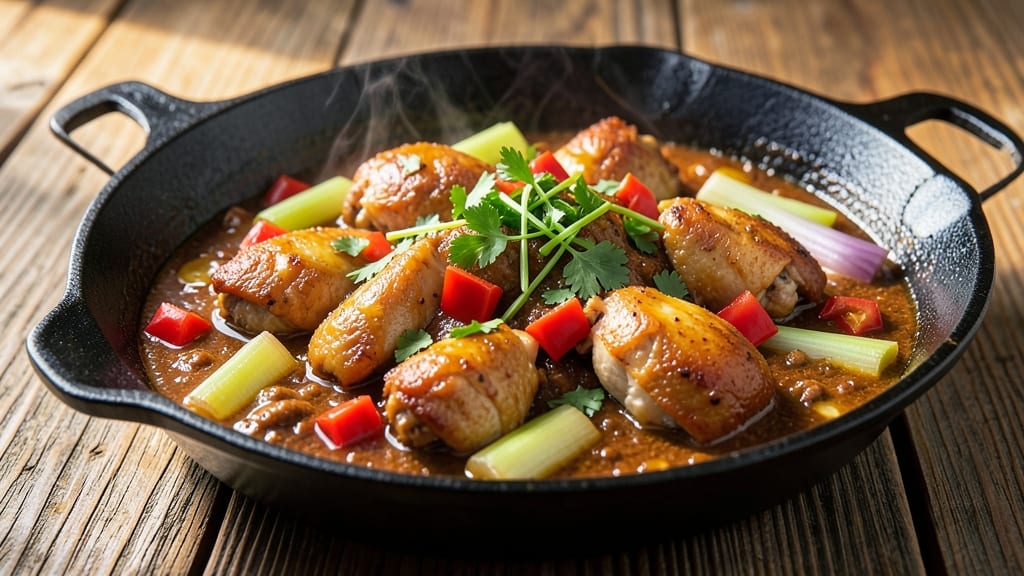
A traditional chicken gumbo recipe reveals the soul of Louisiana cooking through its dark roux foundation, where flour and fat transform into a flavorful base that carries the dish. Growing up in small-town Georgia, I first tasted this rich stew at family gatherings where slow-cooked meals became cherished traditions.
The secret lies in patience—letting the roux develop a deep mahogany hue before adding the "Holy Trinity" of onions, celery, and bell peppers.
This recipe delivers restaurant-quality depth with a foolproof method for building stock and balancing spices like cayenne and thyme. The chicken cooks until tender, while okra or filé powder thickens the gumbo just enough to coat every spoonful.
My years apprenticing under Master Chef Chen taught me how to layer flavors without overpowering the natural taste of the ingredients.
By the time you serve this gumbo, your kitchen will smell like a New Orleans kitchen should—aromatic, smoky, and deeply satisfying. The dark roux creates a velvety texture that clings to the chicken and vegetables, while the spices add just enough heat to linger on the palate.
This is comfort food at its finest, a dish that brings people together.
For those who want to modernize, consider adding shrimp or crab in the final minutes, but the classic version—with its rich, slow-simmered flavors—remains unmatched. Let's get cooking with this timeless recipe that captures the heart of Southern tradition.
Ingredients for traditional chicken gumbo
The dark roux foundation and Holy Trinity vegetables create this gumbo's soulful depth.
| Ingredient | Amount | Notes |
|---|---|---|
| Chicken Thighs 🍗 | 2 ½ lb | Bone-in, skin-on preferred |
| All-Purpose Flour 🌾 | 1 cup | White flour for classic roux |
| Vegetable Oil 🫒 | 1 cup | High smoke point for roux |
| Yellow Onion 🧅 | 2 whole | Medium size, diced |
| Celery Stalks 🧄 | 4 whole | Fresh, trimmed and chopped |
| Green Bell Pepper 🌶️ | 1 whole | Medium size, diced |
| Garlic Cloves 🧄 | 4 cloves | Fresh, minced |
| Dried Thyme 🌿 | 1 tbsp | Or 1 tbsp fresh thyme |
| Dried Oregano 🍃 | 1 tbsp | Mediterranean oregano preferred |
| Cayenne Pepper 🔥 | 1 tsp | Adjust for heat preference |
| Ground Black Pepper 🌶️ | ½ tsp | Freshly ground preferred |
| Sea Salt 🧂 | 1 ½ tsp | Kosher or coarse salt |
| Chicken Stock 💧 | 4 cups | Homemade or high-quality |
| Filé Powder 🌿 | 2 tbsp | Or 1 cup chopped okra |
| Green Onions 🧅 | 4 whole | Fresh, sliced for garnish |
The roux is where magic happens. White Lily flour and high-smoke-point vegetable oil are essential—this isn't the place for shortcuts. Look for yellow onions with vibrant color and celery without woody cores. The filé powder should be ground from dried sassafras leaves (not the pre-mixed kind with fillers). For the chicken, bone-in, skin-on thighs stay juicier during the long cook. If using okra instead of filé, choose fresh pods with tender skin—Trader Joe's often carries perfect ones in season.
No filé powder? Cornstarch at half the amount works in a pinch, but the flavor won't be authentic. Fresh thyme is ideal, but dried works at one-third the quantity. For the cayenne, start with the minimum and taste as you go—you can always add more. The chicken stock should be homemade if possible, but Swanson or Pacific Foods brands are reliable shortcuts. Green bell peppers can be swapped for red or yellow, but stay with the classic Holy Trinity trio for traditional flavor. The green onions should be washed and dried thoroughly before slicing to prevent sogginess.
Store the gumbo in airtight containers for up to 5 days in the fridge, where flavors deepen overnight. For longer storage, freeze portions for 3 months. The roux can be made ahead and refrigerated for 2 days—just bring it to room temperature before continuing. I always double the recipe and freeze half, because this gumbo tastes even better reheated. When reheating, add a splash of water or stock to prevent thickening.
Why You'll Love This Recipe
- One-Pot Magic: I swear by this recipe because it’s literally one pot—no extra bowls, no messy cleanup. The roux (that golden flour-oil base) takes focus, but once it’s done, you’re just stirring in chopped onions, celery, and chicken. That’s it. No stress, just flavor.
- Deep, Rich Payoff: Between us, that slow-simmered chicken thigh falling apart in the broth? Chef’s kiss. The flour roux thickens into a velvety base, and the celery-onion mirepoix (trust me, it’s a game-changer) builds layers of savory warmth. It’s the kind of dish that tastes even better the next day—if you can resist.
- Crowd-Pleasing Flex: This gumbo works for anything—weeknight dinners, tailgates, or when your in-laws drop by unannounced. Serve it over rice with hot sauce, or let everyone build their own bowl with andouille sausage or shrimp if you’re feeling fancy. It’s the ultimate “I’ve got this” meal.
- Budget-Friendly Hero: Chicken thighs are forgiving and cheap, and a little flour stretches into a whole pot of soul. Honestly, I make this when I’m pinching pennies, and no one ever complains. Leftovers? Even better—it reheats like a dream and tastes richer the second time around. Win-win.
Step-by-step instructions for traditional chicken gumbo
Mastering this classic requires patience and precision—here's how to build rich, layered flavor.
Develop the Dark Roux Foundation
Heat the 1 cup vegetable oil in a heavy Dutch oven over medium-low heat. Add the 1 cup all-purpose flour and whisk constantly with a wooden spoon. The mixture will bubble immediately—this is your signal to keep stirring.
Watch closely as the roux transforms through stages: from pale yellow to golden, then chocolate brown. This takes 45-60 minutes total. The key is maintaining medium-low heat—if it smokes excessively, reduce heat. You're aiming for a deep, almost black color with a nutty aroma. This dark roux creates the signature gumbo flavor and thickens the stew beautifully.
Here's the thing—don't rush this step. A proper dark roux should coat the back of a spoon and hold its shape when drizzled. If it burns, start over; burnt roux ruins the dish. Once you reach the perfect dark stage, immediately add 1/2 cup of the chicken stock to stop the cooking process and prevent burning.
Build the Holy Trinity and Sauté Aromatics
In the same pot with the roux, add the diced 2 whole yellow onion, 4 whole celery stalks, and 1 whole green bell pepper. Stir well to coat everything in the roux. Cook over medium heat for 8-10 minutes, stirring frequently, until the vegetables soften and release their flavors.
Add the 4 minced garlic cloves and cook for 1 minute until fragrant—this prevents the garlic from burning. Stir in the 1 tbsp dried thyme, 1 tbsp dried oregano, 1 tsp cayenne pepper, 0.5 tsp ground black pepper, and 1.5 tsp sea salt. Cook for 2 minutes to toast the spices and deepen their flavors.
This is where the gumbo's aromatic foundation forms. The vegetables should be tender but not mushy, and the spices should be fully incorporated. If the mixture looks dry at any point, add 1/4 cup of chicken stock to maintain moisture and prevent burning.
Brown the Chicken and Deglaze
Push the vegetable mixture to one side of the pot and add the 2.5 lb chicken thighs, skin-side down. Cook over medium-high heat for 5-6 minutes until the skin is golden brown and crispy. Flip the thighs and cook for another 3-4 minutes until they're browned on all sides.
Remove the chicken from the pot and set aside. Pour in the remaining 3 1/2 cups chicken stock, scraping up any browned bits from the bottom of the pot with a wooden spoon. This deglazing step captures all the flavor you've built into the roux and browned chicken.
Return the chicken to the pot and bring everything to a gentle simmer. The liquid should just barely bubble at the edges. Here's what you're aiming for: a rich, flavorful broth that coats the back of a spoon. If the gumbo looks too thin at this stage, don't worry—it will thicken as it simmers.
Simmer and Develop Deep Flavors
Cover the pot and simmer over low heat for 45-60 minutes, stirring occasionally. This slow cooking allows all the flavors to meld together and the chicken to become tender. The gumbo should reduce slightly, developing a thicker consistency.
Check the chicken for doneness after 30 minutes—it should easily pull away from the bone. If the gumbo looks too thick, add 1/4 cup of water to maintain the proper consistency. The key is to let it simmer gently; don't let it boil vigorously or the roux will break and the gumbo will separate.
This is where traditional gumbo gets its depth. The long, slow cooking transforms simple ingredients into something truly special. The roux should be fully incorporated, the vegetables tender, and the chicken falling off the bone.
Finish and Serve with Filé Powder
Remove the chicken from the pot and let it rest on a cutting board for 5 minutes. Once rested, shred the chicken into bite-sized pieces using two forks. Return the chicken to the pot and stir to combine.
In a small bowl, whisk together 2 tbsp filé powder with 1/4 cup cold water to make a smooth paste. Slowly whisk this mixture into the gumbo while stirring constantly over low heat. The filé powder will thicken the gumbo dramatically—this is normal and creates the signature gumbo texture.
Simmer for 2-3 minutes until the gumbo reaches your desired consistency. It should coat the back of a spoon but still be spoonable. Taste and adjust seasoning if needed. Garnish each serving with sliced 4 whole green onions and serve immediately with hot rice.
Pro Tips For Making Traditional Chicken Gumbo
- CRUST THE FLOUR FIRST: Don’t just toss flour into hot oil—let it sit for 30 seconds after adding it. I learned this the hard way when my roux turned gray before it ever got brown. That extra pause lets the raw flour absorb oil before cooking, so you get a smoother, deeper color without burning.
- TRIM THE FAT FROM THIGHS: Chicken thighs have enough flavor, but excess fat can make your gumbo greasy. Remove the skin and scrape off any thick patches of fat before browning—it’s not about losing flavor, it’s about keeping the dish balanced. (Yes, even if you’re impatient like me.)
- SWEEP THE POT AFTER BROWNING: After searing the chicken and vegetables, wipe down the pot with a paper towel to remove all the browned bits stuck to the bottom. Those bits are flavor bombs, but they’ll burn if left unattended. Just a quick swipe keeps them suspended in the roux where they belong.
- DON’T SKIP THE CELERY WASH: Celery loves hiding dirt in its crevices. Rinse it thoroughly under cold water, then split the stalks lengthwise before dicing—it’s easier to clean and cooks faster. I was skeptical until I tried it; the gumbo’s texture is noticeably cleaner.
Storing and reheating your traditional chicken gumbo
Fridge Storage Tips
After letting your gumbo cool for 2 hours, transfer it to airtight glass containers (I recommend Pyrex with snap-on lids) and refrigerate immediately. The flavors actually improve overnight as the spices meld together—this is when gumbo truly becomes magic.
I always double the recipe because leftovers taste even better the next day. 💫
When storing, leave about ½ inch headspace to prevent condensation from making the surface soggy. The gumbo will thicken further in the fridge, so I suggest reheating with a splash of water or chicken stock to restore its perfect consistency. Remember, the roux will settle—just stir vigorously before reheating.
Freezer Prep Essentials
For longer storage, freeze gumbo in quart-sized freezer bags (I use Stasher bags for their durability). Lay them flat to save space and remove as much air as possible to prevent freezer burn. Label with the date—this gumbo stays excellent for 3 months without quality loss. 🧊
When ready to eat, thaw overnight in the fridge. For quick reheating, transfer the frozen gumbo directly to a pot with ½ cup water or stock and simmer over low heat for 15-20 minutes, stirring occasionally. The filé powder will thicken it again naturally during reheating.
Reheating Perfection
My preferred method is stovetop reheating because it gives you complete control. Pour the gumbo into a heavy-bottomed pot and add ¼ cup water or stock to prevent sticking.
Heat over medium-low heat for 10-15 minutes, stirring every 2-3 minutes to prevent scorching. The gumbo should reach 165°F internally for safety. 🔥
For microwave reheating, use 50% power in 1-minute intervals, stirring between each interval. Cover with a damp paper towel to retain moisture. If the gumbo looks too thick after reheating, add a splash of water or stock—it should coat the back of a spoon but remain spoonable.
Taste and adjust seasoning as needed.
Roux Revival Tricks
If your reheated gumbo seems too thick, don't panic. The filé powder can be temperamental when reheated. Simply whisk in 1 tsp cold water at a time until you reach the perfect consistency. For extra richness, add 1-2 tbsp chicken stock while reheating. 💡
For the best results, I recommend reheating only what you plan to serve immediately. Gumbo reheats beautifully but loses some of its velvety texture with multiple reheats. The first reheating is always the best—after that, treat it like a hearty soup rather than a thick stew.
Nutrition facts
Frequently asked questions
What's the difference between gumbo made with okra vs. filé powder?
Both versions are delicious, but they create distinct textures. Okra gumbo has a slightly slimier, more natural thickness from the vegetable itself, while filé powder creates a thicker, almost velvety consistency. The flavor difference? Filé powder adds a subtle sassafras note that's unmistakably Cajun. For authenticity, use filé powder—it's the traditional choice in Louisiana.
Can I make gumbo without a dark roux?
Technically yes, but you'll miss the soul of the dish. A dark roux develops deep, nutty flavors that can't be replicated with cornstarch or flour alone. For a quick version, try a blond roux (10-15 minutes) for a lighter, milder taste—but purists will notice the difference. If you burn your roux, start over—there's no saving it.
How do I adjust the heat level in gumbo?
Start with the minimum cayenne (1 tsp) and taste as you go. For extra heat, add ½ tsp cayenne at a time, or swap in hot sauce (like Crystal or Tabasco) in the final minutes. For a smoky kick, char a green bell pepper and add it to the roux. Always remember: gumbo's heat should complement, not overpower, the other flavors.
What's the best way to serve traditional gumbo?
Always serve gumbo over hot, white rice—it's non-negotiable in Louisiana! Garnish with green onions and a sprinkle of filé powder (if not already used in cooking). For extra authenticity, offer hot saucecornbread
Can I substitute chicken with seafood?
For a seafood gumbo, use shrimp, crab, or crawfish instead of chicken. Add them in the last 5-7 minutes of cooking to prevent overcooking. For a hybrid version, use half chicken and half seafood. Just remember: seafood gumbo is a different dish entirely—it's lighter and often served with crackers instead of rice.