
Main Courses
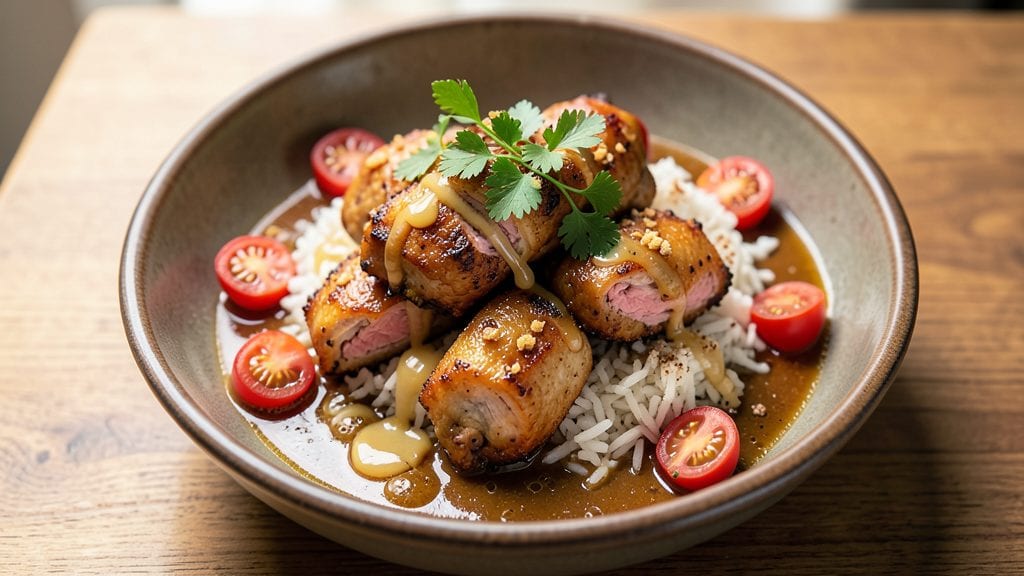
This tender chicken gizzard recipe reveals how mastering prep and cooking turns chewy gizzards into irresistibly crispy, juicy morsels. This recipe delivers restaurant-quality results in just 20 minutes, proving that offal can be delicious when handled properly.
The secret lies in soaking and scoring to break down fibers, ensuring every bite is tender and flavorful.
Most home cooks avoid gizzards because of their chewy texture, but this method changes that. We start with a simple brine to tenderize, followed by a quick sear that creates that coveted crispy skin while keeping the inside moist.
The process is straightforward, but the results are impressive—perfect for those who enjoy game-day appetizers or adventurous home cooks.
What you’ll end up with is golden, crispy gizzards with juicy interiors that practically melt in your mouth. The skin crackles with each bite, while the inside remains succulent and flavorful. Serve these with a tangy dipping sauce or alongside roasted vegetables for a complete meal that’s sure to impress.
This recipe works equally well for frying, baking, or grilling, making it versatile for any occasion. Whether you're feeding a crowd or treating yourself to a special snack, these gizzards are a game-changer. Let’s get started on turning this often-overlooked ingredient into a standout dish.
Ingredients for tender chicken gizzard
A few simple ingredients transform tough gizzards into crispy, juicy bites you'll crave.
| Ingredient | Amount | Notes |
|---|---|---|
| Fresh Chicken Gizzards 🍗 | 1 ½ lb | Cleaned, trimmed of fat |
| Kosher Salt 🧂 | 1 tbsp | For brine and seasoning |
| Baking Soda 🧪 | 1 tsp | Tenderizes gizzards |
| Butter 🧈 | ½ cup | Unsalted, melted |
| All-Purpose Flour 🌾 | ½ cup | For dredging |
| Cornstarch 🌾 | ¼ cup | For extra crispiness |
| Garlic Powder 🧄 | 1 tsp | For seasoning |
| Paprika 🌶️ | 1 tsp | Smoked or sweet |
| Ground Black Pepper 🌶️ | ½ tsp | Freshly ground |
| Vegetable Oil 🫒 | 2 cups | For frying (high smoke point) |
| Lemon Juice 🍋 | 2 tbsp | Freshly squeezed |
| Fresh Parsley 🌿 | ¼ cup | Chopped, for garnish |
The gizzards are the star, so pick the freshest you can find. Look for bright red, firm gizzards at your local butcher shop or grocery store's meat counter—they’ll often clean and trim them for you. If you're buying whole, trim off any excess fat and connective tissue, then soak them in cold water with the baking soda for 30 minutes. This breaks down the fibers and makes all the difference. Costco or Trader Joe's usually carry pre-cleaned gizzards if you're short on time, but check the sell-by date—older gizzards won’t crisp up as well.
No baking soda? Skip it, but soak longer (up to 1 hour). Short on cornstarch? Use all flour or half flour, half rice flour for crispiness. The butter can be swapped for vegetable shortening or lard if you're avoiding dairy. For extra flavor, add 1/2 tsp onion powder or smoked paprika. If you're grilling instead of frying, marinate the gizzards in the butter mixture for 10 minutes before cooking. And trust me, the lemon juice at the end isn’t just for flavor—it cuts through the richness and brightens everything up.
These keep best in the fridge for 2 days if you’ve fried them, but honestly, they’re even better the next day once the flavors meld. Store in an airtight container with a paper towel to absorb any moisture. For freezing, cook them first, then portion into single servings—3 months max. Reheat in a 350°F oven for 10 minutes or air fryer for 5 minutes. Pro tip: Serve with a side of spicy mayo or chimichurri—the tang cuts through the richness perfectly.
Why You'll Love This Recipe
- Magic Marinate Hack: That 15-minute soak with baking soda and lemon juice? It’s the only reason gizzards ever feel tender. No soaking? You’re fighting the meat. This step takes the guesswork out of cooking tough cuts—just dump, massage, wait, and boom, they’re ready.
- Crispy Buttery Bliss: Dipping them in melted butter before the flour-cornstarch coating? Chef’s kiss. The butter binds the seasonings to the meat while the cornstarch gives that perfect snap. One bite and you’ll forget this isn’t a fancy restaurant dish—it’s your kitchen, just better.
- Leftover Powerhouse: Fry a batch on Sunday and you’ve got a weeknight win. They’re even better the next day—those flavors deepen like a good wine. Freeze portions? Yes, but only after cooking (3 months max). No one’s judging if you reheat them in the microwave for a lazy Tuesday lunch.
- Budget’s Best Kept Secret: For the price of a takeout burger, you get a plate of crispy, garlicky, paprika-kissed gizzards. The kosher salt and black pepper make every bite sing without costing a cent. My kids call it “fancy chicken”—I call it genius.
Step-by-step instructions for tender chicken gizzards
Here's how to transform tough gizzards into crispy, juicy bites that'll fool anyone.
Tenderize and Prepare the Gizzards
Start by trimming any remaining fat from the 1.5 lb fresh chicken gizzards. Place them in a large bowl and sprinkle with the 1 tbsp kosher salt and 1 tsp baking soda. The baking soda works magic here—it breaks down proteins and makes these tough cuts tender. Add 2 tbsp lemon juice and gently massage the mixture into the gizzards for 2 minutes. You'll notice them start to soften immediately.
Let the gizzards sit for 15 minutes while you prepare the next step. This marinade time is crucial—it ensures they'll be fork-tender when cooked. Don't skip this, even if it feels like too short a time. The acidity from the lemon juice and alkaline baking soda create a chemical reaction that tenderizes the meat faster than any other method.
Create the Crispy Coating
In a shallow dish, combine the 0.5 cup all-purpose flour, 0.25 cup cornstarch, 1 tsp garlic powder, 1 tsp paprika, and 0.5 tsp ground black pepper. The cornstarch is the secret weapon here—it creates an ultra-crispy crust that can't be achieved with flour alone. Mix well to distribute all the seasonings evenly.
Melt the 0.5 cup butter in a small saucepan over low heat until completely liquid. This butter will be used to bind the coating and create an extra layer of flavor. Keep it warm but not smoking—you'll use it in the next step.
Fry to Golden Perfection
Heat the 2 cups vegetable oil in a deep skillet or Dutch oven to 350°F. Use a thermometer to monitor this—oil that's too hot will burn the coating before the gizzards cook through. Once the oil reaches temperature, remove the gizzards from the marinade and pat them very dry with paper towels. Excess moisture will cause the coating to steam instead of crisp.
Working in batches to avoid overcrowding, dip each gizzard into the melted butter, letting any excess drip off, then immediately coat thoroughly in the flour mixture. Press gently to adhere the coating. Fry for 4-5 minutes per side until golden brown and the internal temperature reaches 165°F. You'll know they're done when the coating is crisp and the meat pulls away from the bone easily.
Rest and Garnish
Transfer the fried gizzards to a paper towel-lined plate to drain any excess oil. Let them rest for 5 minutes—this crucial step prevents the juices from escaping when you cut into them. The coating will stay crisp while the meat redistributes its juices, ensuring each bite is tender and flavorful.
While they rest, sprinkle the 0.25 cup chopped fresh parsley over the top. The parsley adds a bright finish that cuts through the richness of the fried gizzards. Serve immediately with lemon wedges on the side for squeezing over the top. Each bite should deliver that perfect combination of crispy exterior and juicy, tender meat that melts in your mouth.
Pro Tips For Making Tender Chicken Gizzard
- Massage the Gizzards: Don’t just dump the marinade and walk away—I learned this the hard way. Those 2 minutes of gently rubbing the 1 tbsp kosher salt, 1 tsp baking soda, and 2 tbsp lemon juice into the gizzards actually breaks down the fibers faster than just letting them sit. The more you work the mixture into the meat, the more tender they’ll be when you fry them.
- Keep Oil Steady: I used to eyeball the oil temperature and end up with burnt coatings or greasy gizzards. 350°F is non-negotiable—use a thermometer, and if the oil starts smoking before the gizzards are done, pull them out and let it cool down. Too hot = rubbery crust; too cool = soggy meat.
- Dry Like Your Life Depends on It: Skipping this step is how you end up with a steamy, greasy mess instead of crispy gold. After the 15-minute marinade, pat those gizzards dry with paper towels—even if they look wet. Moisture in the coating is the enemy of crunch, and you’ll regret rushing it.
- Butter First, Then Flour: Dipping the gizzards in melted butter before the flour isn’t just about flavor—it helps the coating stick better. Let any excess drip off, then press into the flour mixture. I used to skip this, and the coating would flake off halfway through frying. Trust the process.
Pro cooking tips for this recipe
Baking Soda Magic
The 1 tsp baking soda in this recipe is non-negotiable for tenderness—it works by raising the pH level of the gizzards, breaking down tough muscle fibers through a process called alkaline hydrolysis. I like to use Arm & Hammer baking soda because it’s pure and consistent.
For best results, dissolve it in ½ cup warm water first, then pour over the gizzards before adding the remaining marinade. This ensures even distribution and maximum tenderness. 💡
Scoring for Even Cooking
Before frying, score the gizzards in a crosshatch pattern with a sharp knife—this prevents curling and ensures the coating adheres evenly. I use a Wüsthof chef’s knife for precision cuts.
The scoring also allows the marinade to penetrate deeper, resulting in more uniform cooking. Skip this step, and you risk uneven crispiness or undercooked centers. 🔪
Oil Temperature Control
Monitor your oil temperature with a thermometer—350°F is critical. Too hot, and the coating burns before the meat cooks through; too cool, and the gizzards absorb excess oil. I recommend the ThermoWorks Type K for accuracy.
If you don’t have a thermometer, test the oil by dropping a small piece of bread in—it should sizzle and turn golden in 30 seconds. 🌡️
Double-Dipping Technique
For an extra-crispy coating, dip the gizzards in melted butter, let excess drip off, then coat in the flour mixture a second time. This creates a thick, airy crust that stays crisp even after resting.
I like to press the coating firmly with my fingers to eliminate gaps. Pro tip: Chill the gizzards for 10 minutes after coating—they’ll hold their shape better during frying. ⚡
Batch Frying Strategy
Fry in single layers to avoid overcrowding—this maintains oil temperature and ensures even cooking. I use a 10-inch cast-iron skillet for 4-5 gizzards per batch. If your pan is too small, the oil temperature will drop, leading to greasy results.
Keep a wire rack nearby to drain fried gizzards—it prevents sogginess from steam buildup. 🍳
Resting for Crispiness
Never skip the 5-minute rest—this allows the coating to set and the juices to redistribute. I place the gizzards on a wire cooling rack over a baking sheet to maximize airflow.
If you cut into them too soon, the coating will turn soggy, and the meat will dry out. Patience here is key for that perfect texture. 💪
Nutrition facts
Frequently asked questions
Why do I need baking soda for chicken gizzards?
The 1 tsp baking soda is a game-changer—it breaks down tough muscle fibers through alkaline hydrolysis, making chewy gizzards fork-tender. Without it, you'll end up with rubbery results. For best results, dissolve it in ½ cup warm water first to ensure even distribution.
Can I bake these instead of frying?
Yes! Preheat your oven to 400°F and bake the coated gizzards for 15-18 minutes, flipping halfway. Use an oven-safe skillet for crispiness. For extra crunch, broil for 2 minutes at the end. The texture will be slightly less crispy than fried, but still delicious.
What's the best way to store leftovers?
Keep fried gizzards in an airtight container with a paper towel to absorb moisture—they stay fresh for 2 days in the fridge. For freezing, cook first, then portion into single servings for up to 3 months. Reheat in a 350°F oven for 10 minutes or air fryer for 5 minutes to restore crispiness.
How do I know when gizzards are fully cooked?
Use a meat thermometer—they're safe at 165°F internal temperature. The coating should be golden brown, and the meat should pull away from the bone easily. If you don't have a thermometer, cut into one—juices should run clear, not pink.
What if my gizzards turn out greasy?
Greasy results usually mean the oil was too cool or the gizzards weren't dry enough. Next time, pat them thoroughly with paper towels and maintain 350°F oil temperature. Fry in smaller batches to avoid crowding, and use a thermometer for accuracy.