
Sauces & Condiments
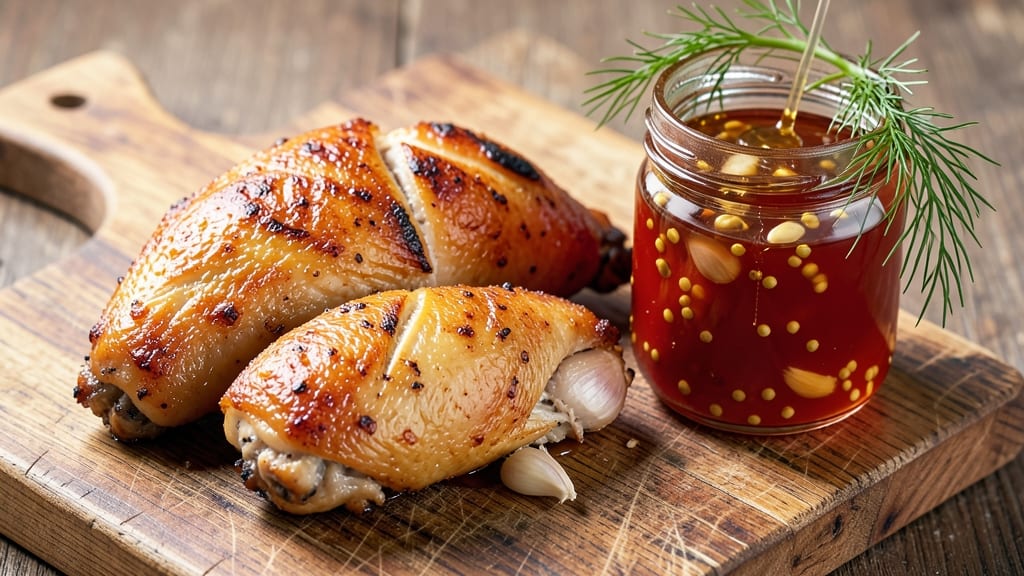
A pickle brine recipe for chicken transforms tough cuts into tender, flavor-packed bites with minimal effort. This tangy, umami-rich marinade works magic by breaking down fibers while infusing meat with bright vinegar notes and subtle spice.
I developed this after struggling with dry, flavorless chicken—until I discovered how a simple brine could change everything.
The beauty of this recipe lies in its versatility. Use it for marinating whole chickens, basting during roasting, or even pickling chicken pieces for later use.
The brine requires just four core ingredients—vinegar, water, salt, and sugar—but optional additions like garlic, mustard seeds, or bay leaves elevate it to restaurant-quality depth. It’s a game-changer for anyone tired of bland poultry.
What you’ll achieve is meat that’s impossibly tender, with a crisp exterior and juicy interior, all thanks to the brine’s tenderizing power. The tangy, slightly sweet marinade also adds complexity that pairs perfectly with grilled, baked, or fried chicken.
Best of all, the brine keeps for weeks in the fridge, ready to transform your next chicken dish.
Whether you’re prepping for a holiday meal or weeknight dinner, this brine ensures your chicken will be the star. Let’s get started with the ingredients—simple, effective, and guaranteed to impress.
Ingredients for pickle brine recipe for chicken
Four core ingredients plus optional spices—this brine transforms tough chicken into restaurant-quality bites.
| Ingredient | Amount | Notes |
|---|---|---|
| White Vinegar 🍶 | 2 cups | Distilled for best results |
| Water 💧 | 2 cups | Filtered or bottled preferred |
| Kosher Salt 🧂 | ½ cup | Diamond Crystal preferred |
| Granulated Sugar 🍚 | ¼ cup | White or brown preferred |
| Garlic Cloves 🧄 | 6 cloves | Smashed for deeper flavor |
| Yellow Mustard Seeds 🌾 | 1 tbsp | Whole seeds preferred |
| Bay Leaves 🍃 | 2 whole | Fresh or dried works |
| Black Peppercorns 🌶️ | ½ tsp | Freshly cracked preferred |
| Red Pepper Flakes 🔥 | ½ tsp | Adjust for heat preference |
| Fresh Dill 🌿 | ¼ cup | Chopped stems included |
The vinegar is the backbone here—distilled white vinegar has the cleanest tang, but apple cider vinegar adds complexity. Diamond Crystal kosher salt dissolves faster than table salt, so don’t substitute. Sugar balances the acidity without overpowering; brown sugar adds subtle caramel notes if you prefer. The garlic and mustard seeds are non-negotiable—they infuse the chicken with layers of flavor. I grab mine from Penzeys or the bulk bins at Whole Foods for maximum freshness. Fresh dill is ideal, but dried works at one-third the amount if you're in a pinch.
No mustard seeds? Dijon mustard at half the amount works surprisingly well. Skip the dill? Fresh parsley gives a bright alternative. The peppercorns and red flakes are flexible—adjust heat to taste. For a smoky twist, swap half the vinegar for smoked apple cider vinegar. The bay leaves can be removed after brining if you dislike their flavor. If you're short on time, garlic powder and onion powder at 1 tsp each can stand in, though fresh is always better.
This brine keeps for up to 4 weeks in the fridge, so make a big batch. Store in a glass jar with a tight seal—the vinegar prevents spoilage. For extra tender chicken, let pieces soak 12-24 hours in the brine. The longer they marinate, the more tender they become. I like to portion the brine into smaller jars for easy use—just grab what you need and toss the rest back in the fridge.
Why You'll Love This Recipe
- Five-Ingredient Magic: I swear, this brine is the kind of recipe where you glance at your pantry and think, "I’ve got this." No fancy tools, no last-minute grocery runs—just vinegar, water, salt, sugar, and garlic. That’s it. Even if you’re the kind who burns toast, you’ll nail this.
- Tangy-Garlic Crunch: The moment that crispy, golden chicken hits your plate—oh boy. The vinegar cuts through the richness, the garlic cloves add a punchy depth, and just a touch of sugar keeps it from tasting like you’re pickling your dinner. It’s the kind of flavor that makes you reach for seconds without even thinking.
- Meal Prep MVP: Between us, this brine is my secret weapon for lazy Sundays and hectic weeknights. Marinate a few pieces of chicken, toss them in the fridge, and boom—you’ve got dinner ready to go. Grill it, bake it, or even throw it on a salad later. It’s the ultimate "I’ll figure it out tomorrow" solution.
- Budget Stretch: Honestly, I’ve spent way more on takeout for "convenience" that didn’t even taste this good. A few cloves of garlic and a splash of vinegar go a long way, and you’ll end up with leftovers that taste just as good the second time around. Plus, it’s cheaper than most marinades you’d buy at the store.
Step-by-step instructions for making a tangy, umami-rich pickle brine for chicken
This marinade transforms tough cuts into fork-tender perfection with bold, layered flavors.
Combine the Base Liquids and Salt
In a medium saucepan, pour in the 2 cups white vinegar and 2 cups water. Bring the mixture to a gentle boil over medium-high heat. While waiting, add the 0.5 cup kosher salt and stir until completely dissolved—this ensures even distribution throughout the brine. The salt should fully integrate, leaving no graininess behind.
Here's the thing—don't rush the dissolution. Keep stirring for about 1 minute after the salt disappears. This step is crucial for preventing cloudiness in your finished brine and ensuring maximum flavor penetration into the chicken. Once dissolved, reduce the heat to maintain a simmer, but don't let it boil vigorously—we want controlled evaporation, not violent bubbling.
Add Sweetener and Aromatics
With the liquid simmering gently, add the 0.25 cup granulated sugar and stir until fully incorporated. The sugar will dissolve quickly in the hot liquid, creating a subtle sweetness that balances the acidity. Next, carefully add the 6 smashed garlic cloves, 1 tablespoon yellow mustard seeds, 2 whole bay leaves, 0.5 teaspoon black peppercorns, and 0.5 teaspoon red pepper flakes. I like to crush the peppercorns lightly between my fingers first—this releases their oils and intensifies their flavor without overpowering the delicate chicken.
Let the mixture simmer for 5 minutes to allow the aromatics to infuse. You'll notice the bay leaves unfurl slightly and the mustard seeds begin to release their subtle, earthy notes. The red pepper flakes will start to perfume the air—this is when your kitchen should smell like a Mediterranean summer market. Don't walk away during this step; the mixture needs your attention to prevent scorching, especially the garlic which can burn quickly.
Incorporate the Fresh Herbs
After 5 minutes of simmering, remove the pan from heat and let it cool to room temperature. This cooling period is essential—it allows the flavors to meld without continuing to develop. Once cool enough to handle, stir in the 0.25 cup chopped fresh dill. The dill should be finely chopped with stems included for maximum flavor impact, as the stems contain concentrated oils that contribute to the herb's signature taste.
Here's where it gets fun—the dill will release its bright, citrusy aroma almost immediately. Give the mixture one final stir to ensure everything is evenly distributed. The brine should now have a deep amber color with visible flecks of dill, mustard seeds, and peppercorns suspended throughout. This visual tells you the flavors are properly integrated and ready to work their magic on your chicken.
Use the Brine for Maximum Tenderization
For best results, use this brine immediately or store it in an airtight container in the refrigerator for up to 2 weeks. When ready to use, pour the cooled brine into a resealable plastic bag or shallow dish. Add your chicken pieces, ensuring they're completely submerged in the liquid. For tougher cuts like thighs or drumsticks, marinate for 4-6 hours at room temperature or overnight in the refrigerator. For delicate pieces like breasts, 2-4 hours is sufficient to prevent over-marinating which can make them mushy.
Real talk: the longer you marinate, the more tender your chicken becomes. I've found that chicken marinated overnight develops a beautiful pink hue and becomes so tender it practically falls apart when grilled. The key is to keep the chicken refrigerated during extended marinating—never leave it at room temperature for more than 2 hours to prevent bacterial growth. When ready to cook, simply drain the chicken and use the leftover brine to baste it during cooking for extra flavor.
Pro Tips For Making Pickle Brine Recipe For Chicken
- Boil the Vinegar First: Heat the white vinegar alone until it’s steaming—about 2 minutes—before adding water and other ingredients. This drives off that harsh, raw acid smell and makes the final brine taste cleaner and more balanced. (I used to skip it and always wondered why my brine smelled like a science experiment.)
- Peel and Smash Garlic: Skip mincing—peel the garlic cloves, then smash them flat with the side of your knife. This releases more flavor without turning bitter, and the cloves stay intact in the brine. (Yes, it looks weird, but it works every time.)
- Don’t Rush the Sugar: Stir the granulated sugar into the hot brine until it’s completely dissolved—no gritty bits. If you’re impatient, strain it through a fine-mesh sieve afterward. Undissolved sugar makes the brine taste uneven, and no one wants that.
- Use Cold Water: Mix the vinegar and sugar with cold water first, then bring to a boil. This prevents the sugar from scorching at the bottom of the pot, which ruins the flavor faster than you’d think. (I learned this after one very bitter batch.)
Perfect pairings for these flavors
Grilled Chicken Pairings
This tangy brine transforms grilled chicken into a showstopper. Serve it with charred corn on the cob brushed with chili-lime butter—it balances the brine’s acidity beautifully. Pair with avocado-lime salad (toss 2 avocados, 1 cup cherry tomatoes, and ¼ cup cilantro) for a refreshing contrast.
The dill in the brine also pairs perfectly with grilled peaches or sliced mango for a summery twist. 🌿
Baked Chicken Applications
Use the leftover brine to baste chicken while roasting—it creates a sticky, flavorful crust. Try baking bone-in thighs at 375°F for 45 minutes, basting every 15 minutes with reserved brine. Serve with roasted baby potatoes tossed in garlic and rosemary, or wild rice pilaf for a heartier meal.
The brine’s umami depth elevates even simple sides. For extra richness, drizzle with truffle oil after baking. 🍗
Pickled Chicken Variations
For a unique twist, use the brine to pickle chicken pieces—slice cooked chicken breasts thinly and pack into jars with the cooled brine. Add ½ cup sliced red onions and 1 tbsp capers for extra flavor.
Refrigerate for 24 hours before serving. These pickled slices work perfectly in wraps with hummus, grain bowls, or as a tangy topping for tacos. The acidity preserves the chicken while adding complexity. 🌶️
Beverage Pairings
A crisp Mexican lager like Modelo Especial cuts through the brine’s tang, while a dry Riesling enhances the dill and citrus notes. For non-alcoholic options, try sparkling limeade (mix 2 cups sparkling water, ½ cup lime juice, and 2 tbsp honey) or hibiscus iced tea with mint.
The effervescence cleanses the palate between bites. If you prefer beer, a Belgian witbier with its coriander and citrus notes complements the brine beautifully. 🍺
Global Flavor Twists
Inspired by Middle Eastern cuisine, add 1 tsp ground cumin and ½ tsp smoked paprika to the brine for a smoky depth. Pair with warm pita bread and tzatziki sauce.
For a Caribbean vibe, swap half the vinegar for pineapple juice and add 1 tbsp grated ginger. Serve with coconut rice and mango salsa. The tropical flavors shine alongside the brine’s tang. 🌴
Leftovers Reinvented
Shred leftover brined chicken and mix with mayonnaise, diced celery, and lemon juice for a quick chicken salad. Use the brine to pickle hard-boiled eggs or red onions for sandwiches.
Even the leftover brine can be reduced by half to create a glazed sauce for roasted vegetables or grilled shrimp. Waste not—this brine is a flavor multiplier! ✨
Nutrition facts
Frequently asked questions
Can I use this brine for other meats besides chicken?
This tangy marinade works beautifully on turkey, pork tenderloin, and even fish like cod or mahi-mahi. The acidity tenderizes proteins while adding bright flavor. For red meat, reduce marinating time to 2-4 hours to prevent over-acidification.
How long can I store the leftover brine?
The brine keeps for up to 4 weeks in an airtight container in the fridge. The vinegar acts as a natural preservative, but always check for off smells before reuse. For extra safety, reheat to a boil for 3 minutes before using again.
What if I don't have fresh dill?
No problem! Use ½ teaspoon dried dill or substitute with ¼ cup chopped parsley or tarragon. For a Mediterranean twist, add 1 teaspoon dried oregano. The herbs add brightness, but the brine will still taste delicious without them.
Can I make this brine spicier?
Double the red pepper flakes to 1 teaspoon or add ½ teaspoon cayenne pepper. For heat lovers, include 1 sliced jalapeño or 1 teaspoon hot sauce during simmering. Adjust to taste—this brine handles bold flavors well!
Will this brine work for pickling chicken instead of marinating?
Yes! Use the cooled brine to pickle pre-cooked chicken slices in jars with red onion slices and capers. Refrigerate for 24 hours before serving. The acidity preserves the chicken while adding tangy depth—perfect for tacos or grain bowls.