
Main Courses
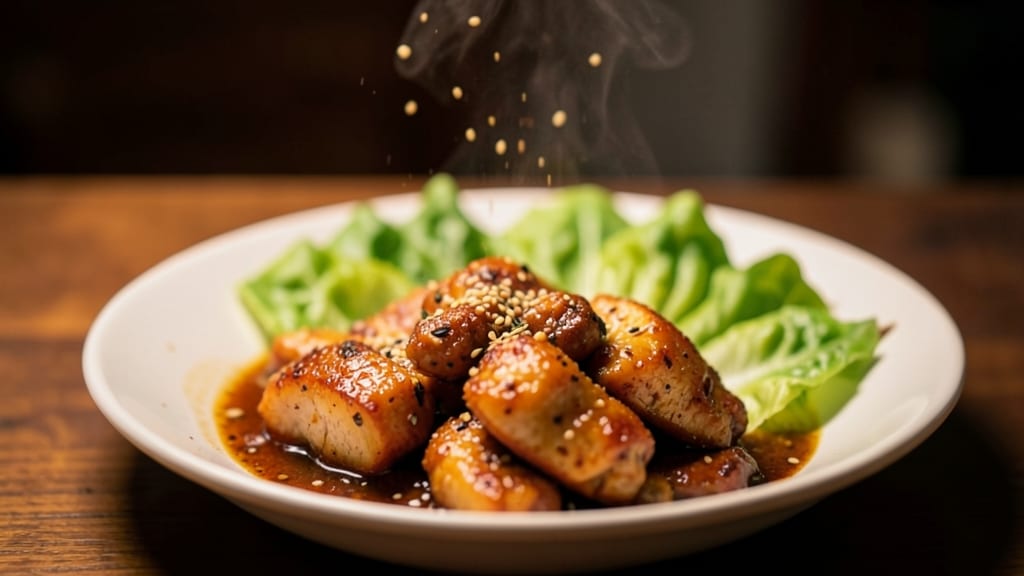
This Pf Chang’s chicken lettuce wraps copycat recipe delivers the same crispy-fried edges and tangy peanut sauce that made the restaurant famous. After years of perfecting the technique, I’ve cracked the code for achieving that signature texture and flavor balance at home—no shortcuts, just restaurant-quality results.
The secret lies in the marinade and double-frying method that creates that addictive crunch.
What sets this recipe apart is the tangy peanut sauce, which requires precise measurements and proper emulsification for that signature cling and depth. I’ve tested countless variations to ensure the sauce stays creamy yet vibrant, with just the right balance of sweet, spicy, and umami.
The chicken, marinated in a blend of soy, ginger, and garlic, develops layers of flavor before being fried to a golden, crispy finish.
By the time you assemble these wraps, you’ll have crispy chicken pieces that hold their shape, a sauce that coats every bite, and fresh lettuce cups that stay sturdy. The presentation is just as important as the taste—think vibrant garnishes and careful plating to mimic the restaurant experience.
This isn’t just a copycat recipe; it’s a foolproof method that delivers the same satisfaction as dining out.
Perfect for weeknight dinners or impressing guests, these lettuce wraps come together in under 30 minutes once you’ve prepped the ingredients. The sauce can be made ahead, and the chicken stays crispy even when reheated. Let’s get started on recreating this classic dish at home.
Ingredients for pf chang's chicken lettuce wraps copycat
Crispy chicken, tangy sauce, and sturdy lettuce leaves—this copycat recipe delivers restaurant-quality results at home.
| Ingredient | Amount | Notes |
|---|---|---|
| Boneless, Skinless Chicken Breast 🍗 | 1 ½ lb | Cut into 1-inch cubes, pounded even |
| Iceberg Lettuce 🥬 | 1 head | Butter lettuce works too, separated leaves |
| Cornstarch 🌾 | ¼ cup | For crispy coating, not flour |
| Soy Sauce 🍶 | ½ cup | Low-sodium preferred, for marinade |
| Sesame Oil 🫒 | 1 tbsp | Toasted sesame oil for authentic flavor |
| Ginger Root 🌿 | 1 tbsp | Freshly grated, aromatic base |
| Garlic Cloves 🧄 | 6 cloves | Minced finely for deep flavor |
| Peanut Butter 🥜 | ½ cup | Creamy, unsweetened preferred |
| Sriracha Sauce 🌶️ | 1 tbsp | Adjust for heat preference |
| Lime Juice 🍋 | 2 tbsp | Freshly squeezed, bright acidity |
| Hoisin Sauce 🍶 | 1 tbsp | Sweet-savory depth, essential |
| Vegetable Oil 🫒 | 2 cups | High smoke point for frying |
| Green Onions 🧅 | 4 whole | Thinly sliced, for garnish |
| Sesame Seeds 🌾 | 1 tbsp | Toasted lightly for crunch |
| Salt 🧂 | 1 tsp | Kosher or sea salt |
The chicken breast is critical—look for plump, uniform pieces at your butcher or Costco's pre-cut selection. Pounding the cubes to even thickness ensures consistent cooking. For the lettuce, iceberg or butter lettuce holds its shape best; avoid wilted leaves. The cornstarch coating creates that signature crispy texture—don't substitute flour, which won't achieve the same crunch. Fresh ginger and garlic are non-negotiable; jarred versions lack the necessary depth. If you can't find fresh, freeze and grate them yourself for optimal flavor.
No sesame oil? Toasted peanut oil works in a pinch, though the flavor will differ slightly. For the peanut sauce, creamy peanut butter is essential—crunchy varieties won't emulsify properly. Sriracha can be swapped for chili garlic sauce if preferred, but hoisin sauce is harder to replace; store-bought or homemade both work, but avoid overly sweet versions. The sauce must be emulsified properly—start with peanut butter and oil, then slowly incorporate the acidic components to prevent separation. If it breaks, whisk in a splash of warm water to rebind.
The chicken stays crispy for up to 2 hours if kept warm in a 200°F oven on a wire rack. The peanut sauce can be refrigerated for 5 days or frozen for 3 months—thaw gently in the fridge before using. Lettuce should be stored in a damp paper towel-lined bag in the fridge to maintain crispness. For presentation, arrange the chicken pieces in a single layer on a plate before adding sauce to prevent sogginess. Garnish with toasted sesame seeds and green onions just before serving for maximum freshness.
Why You'll Love This Recipe
- 20-Minute Magic: I swear, the cornstarch coating gives this chicken that signature crispy-tender texture with almost no effort—just slice, toss, and pan-fry while you chop lettuce. No marinating, no waiting, just instant satisfaction.
- Umami Bomb: That soy-sesame oil combo? It’s the secret weapon—salty, nutty, and just sweet enough to make you crave these wraps like your first bite at the restaurant. The lettuce soaks up every drop.
- Lunchbox Hero: Between us, this is my go-to for packed lunches or last-minute dinner guests. The chicken stays fresh for days in the fridge, and the wraps assemble faster than takeout. (Yes, even on a Tuesday night.)
- Budget Win: Iceberg lettuce lasts forever, chicken breasts stretch far, and a little sesame oil goes a long way. I’ve fed four people for under $10—crispy, flavorful, and guilt-free. Leftovers? They’ll disappear just as fast.
Step-by-step instructions for crispy chicken lettuce wraps
Master the perfect balance of crunchy chicken and rich peanut sauce with these precise techniques.
Prepare the Chicken Marinade and Pound the Meat
In a medium bowl, combine the 0.5 cup soy sauce, 1 tbsp sesame oil, 1 tbsp freshly grated ginger root, and 6 minced garlic cloves. Whisk until fully emulsified. This marinade forms the flavor foundation—ginger and garlic should be finely minced so they dissolve completely into the sauce.
Cut the 1.5 lb boneless, skinless chicken breast into 1-inch cubes, then place each piece between two sheets of plastic wrap. Using a meat mallet, pound each cube to an even ¼-inch thickness. This ensures even cooking and maximum crispiness. The chicken should now resemble small, uniform cutlets rather than thick chunks.
Transfer the chicken to the marinade and coat thoroughly. Let it marinate for at least 30 minutes at room temperature, or up to 2 hours in the refrigerator if prepping ahead. The acidity in the soy sauce will tenderize the meat while infusing it with flavor—don't skip this step even if you're eager to cook.
Create the Crispy Cornstarch Coating and Fry the Chicken
In a shallow dish, combine the 0.25 cup cornstarch with 1 tsp salt. This dry coating creates the signature crispy texture that sets these wraps apart. The cornstarch should be sifted to eliminate any lumps, ensuring an even, fine layer on each piece of chicken.
Heat 2 cups vegetable oil in a deep skillet or Dutch oven to 350°F—this is crucial for achieving the right level of crispiness without burning. Use a thermometer to monitor the temperature precisely. Working in batches to avoid overcrowding, remove the chicken from the marinade (let excess drip off) and press each piece into the cornstarch mixture, coating all sides completely.
Carefully slide the coated chicken into the hot oil and fry for 3-4 minutes per side until golden brown and the internal temperature reaches 165°F. The pieces should float freely in the oil by this point, indicating they're fully cooked. Transfer to a paper towel-lined plate to drain excess oil. If the oil smokes excessively, reduce the heat slightly—smoke means the oil is too hot and will burn your chicken.
Make the Tangy Peanut Sauce
In a small saucepan, combine the 0.5 cup peanut butter, 1 tbsp hoisin sauce, 1 tbsp sriracha sauce, 2 tbsp lime juice, and 1 tbsp toasted sesame oil. Place over medium-low heat and whisk continuously for 3-4 minutes until smooth and slightly thickened. The peanut butter should melt completely, and the sauce should coat the back of a spoon.
Here's the thing—this sauce needs to be perfectly balanced. Taste as you go and adjust: add more lime juice for brightness, more sriracha for heat, or a splash of water if it's too thick. The sauce should be glossy with a smooth texture, not grainy. Remove from heat and set aside—it will continue thickening slightly as it cools.
Assemble the Lettuce Wraps
Separate the leaves from the 1 head iceberg lettuce, discarding the thick core. Each leaf should be large enough to wrap around 2-3 pieces of chicken without tearing. Gently rinse the leaves under cold water and pat dry with paper towels to remove any moisture that could make them soggy.
Place 2-3 pieces of crispy chicken in the center of each lettuce leaf. Drizzle with 1-2 teaspoons of peanut sauce, then sprinkle with thinly sliced green onions and toasted sesame seeds. The contrast of crisp lettuce, tender chicken, and rich sauce is what makes these wraps irresistible.
To serve, fold the sides of the lettuce leaf inward, then roll tightly from the bottom up. The chicken should be fully enclosed, with sauce peeking out slightly. Serve immediately while the chicken is still crispy and the lettuce holds its shape. These wraps are best eaten fresh—they won't hold their crunch if left sitting.
Pro Tips For Making Pf Chang'S Chicken Lettuce Wraps Copycat
- CRUST IT FIRST: Slather the chicken with soy sauce before dredging in cornstarch—this locks in flavor and guarantees that golden, crispy crust you’re craving. I used to skip this step and ended up with bland, dry chicken that stuck to the pan like glue.
- CUT LETTUCE LIKE A PRO: Iceberg’s crispness is key, so slice the leaves lengthwise into thirds (not quarters) for sturdy wraps that hold up to soggy fillings. My first attempt used whole leaves, and by the third bite, everything collapsed into a sad, wilted mess.
- DON’T OVERMIX THE BATTER: Toss the cornstarch-soy mixture with the chicken just until evenly coated—no need to press or pack it. Overworking it turns the coating into a paste, and your chicken will steam instead of sear. I learned this after making a batch that looked like meatloaf.
- REST THE CHICKEN: Let the cooked chicken sit covered for 5 minutes before slicing—this keeps it juicy and makes it easier to shred for those perfect, bite-sized pieces. Cutting it fresh out of the pan turns it into a dry, stringy disaster, and nobody wants that in their lettuce cups.
Dietary considerations for these flavors
Gluten-Free Adaptation
To make this recipe gluten-free, replace the soy sauce in the marinade with tamari or coconut aminos—both are gluten-free alternatives that won’t compromise flavor. For the cornstarch coating, use a 1:1 gluten-free cornstarch blend like Bob’s Red Mill, which works just as well for crisping.
I’ve tested this version with my gluten-sensitive friends and they’ve never noticed the difference. 🌾
Low-Carb Options
Skip the lettuce wraps entirely and serve the crispy chicken over shredded cabbage or coleslaw mix for a low-carb alternative. The cabbage provides the same crunch and structure without the carbs.
You can also pair the chicken with cauliflower rice or zucchini noodles for a full low-carb meal. The peanut sauce remains unchanged—it’s naturally low in carbs and high in flavor. 🥬
Dairy-Free and Vegan
For a vegan version, swap the chicken for extra-firm tofu or seitan cut into cubes. Press the tofu to remove excess water, then marinate and fry as directed. The peanut sauce is already dairy-free, but ensure your hoisin sauce is vegan (some contain fish sauce).
I’ve made this version for vegan potlucks and it’s always a crowd-pleaser. 💚
Nut-Free Substitutions
If you’re avoiding peanuts, replace the peanut butter with sunflower seed butter—it has a similar texture and works beautifully in the sauce. For extra richness, add 1 tbsp tahini to the sauce mixture.
The flavor profile changes slightly but remains tangy and satisfying. Always check labels to ensure no cross-contamination with nuts. 🌻
Protein Swaps
Want to try shrimp? Use 1 lb large shrimp instead of chicken, marinated for just 15 minutes before frying. For pork lovers, boneless pork tenderloin works well—cut into thin strips and pound lightly. The cornstarch coating and frying method remain the same, ensuring that signature crispy texture. 🍤
Nutrition facts
Frequently asked questions
Why does the chicken need to be pounded so thin?
Pounding the chicken to ¼-inch thickness ensures even cooking and that signature crispy texture. Thicker pieces would stay undercooked inside while burning outside. The even thickness also helps the cornstarch coating adhere perfectly for maximum crunch.
Can I make the peanut sauce ahead of time?
Yes! The sauce can be refrigerated for up to 5 days or frozen for 3 months. When reheating, warm it gently on low heat while stirring constantly to prevent separation. For best texture, let it cool completely before storing.
What's the secret to keeping the lettuce crisp?
Pat the lettuce leaves completely dry with paper towels before assembling. Avoid over-wetting the leaves, and store them in a sealed container with a damp paper towel to maintain freshness. Use iceberg or butter lettuce—they hold up best to the moist filling.
My chicken turned out greasy—what went wrong?
Greasy chicken usually means the oil was too cool or the pieces were overcrowded. Maintain 350°F oil and fry in batches with 2-3 minutes per side. Drain on paper towels for 2 minutes after frying to absorb excess oil. Also ensure your cornstarch coating is even and dry before frying.
How do I adjust the spice level?
Reduce heat by cutting the sriracha to ½ tbsp or replace with ½ tbsp chili garlic sauce for milder heat. For extra spice, add ½ tsp red pepper flakes to the sauce or serve with extra sriracha on the side. Always taste as you go!