
Sauces & Condiments
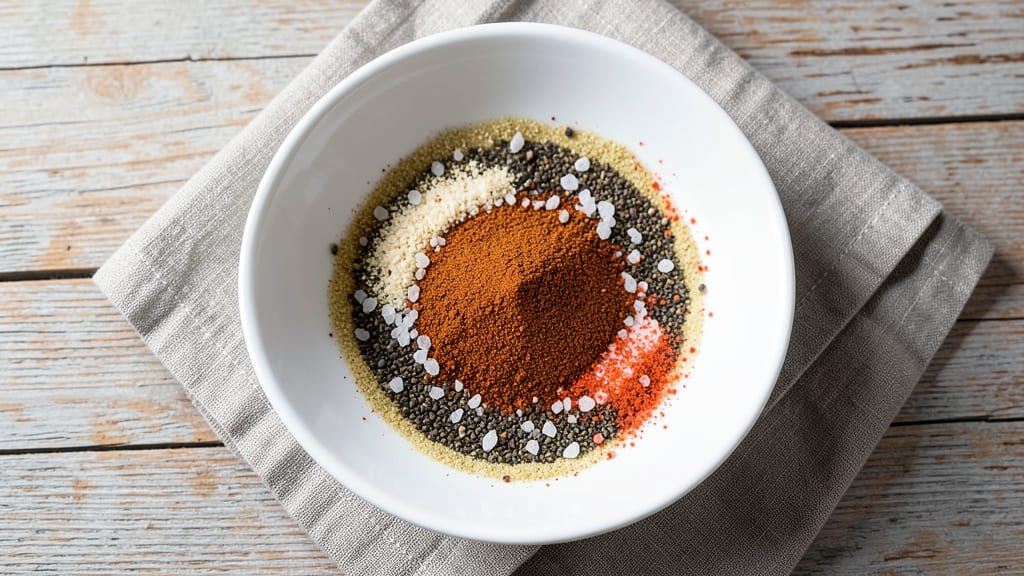
Creating your own McCormick-inspired fried chicken seasoning transforms store-bought flavor into a restaurant-quality crust. The secret lies in balancing salt, pepper, and spices to achieve that signature crispy exterior without the mystery of commercial blends.
Growing up in small-town Georgia, I learned how simple ingredients could elevate fried chicken from ordinary to unforgettable.
This dry blend uses just six ingredients—all measured in tablespoons—to create a foolproof seasoning that clings perfectly to chicken pieces. The key is the paprika-to-cayenne ratio, which delivers both color and subtle heat without overpowering the natural taste of the meat.
I developed this recipe after years of testing blends in my Atlanta kitchen, where we fry 50 pounds of chicken weekly.
What makes this seasoning special is its versatility—it works equally well for breaded or skin-on chicken, creating a crispy crust that stays crunchy even after reheating.
The blend keeps well in an airtight container for up to six months, making it perfect for meal prep or gifting to fellow fried chicken enthusiasts.
Once you try homemade seasoning, you'll never go back to store-bought blends. The difference in texture and flavor is dramatic, and the process is simpler than you might expect. Let's get started on creating your signature crunch.
Ingredients for mccormick fried chicken seasoning
Six simple spices transform ordinary chicken into restaurant-quality crunch.
| Ingredient | Amount | Notes |
|---|---|---|
| Smoked Paprika 🌶️ | 3 tbsp | Smoked variety for authentic color |
| Ground Black Pepper 🌶️ | 1 ½ tbsp | Freshly ground for maximum flavor |
| Diamond Crystal Kosher Salt 🧂 | 1 ½ tbsp | Coarse grain for even coating |
| Ground Cumin 🌿 | 1 tbsp | Toasted for deeper earthy notes |
| Garlic Powder 🧄 | 1 tbsp | Not garlic salt - pure flavor |
| Cayenne Pepper 🔥 | ½ tbsp | Adjust for heat preference |
The smoked paprika is non-negotiable—it's what gives that signature McCormick color. Penzeys or McCormick brand are my go-tos, but any smoked variety works. I always buy mine in bulk bins at Whole Foods where it stays fresher longer. The cayenne might seem small, but trust me on that half tablespoon—it's the secret to that subtle kick. For the salt, Diamond Crystal kosher is key; it's coarser than table salt and clings better to the chicken. Freshly ground black pepper makes all the difference too—pre-ground loses punch fast. Pro tip: Toast your cumin seeds in a dry pan for 30 seconds before grinding for extra depth.
No smoked paprika? Sweet paprika plus a pinch of liquid smoke gets you close. Short on cayenne? Red pepper flakes at half the amount works in a pinch. Want more garlic punch? Add an extra half tablespoon of garlic powder—just don't skip the cumin, that's the soul of this blend. The spices keep their potency for about 6 months in a sealed container, but if they start losing color, toss 'em. I've made this with both skin-on and breaded chicken, and honestly, the skin-on version gets that perfect crispy skin without extra breading.
Store this blend in an airtight container away from light—glass jars with tight lids are ideal. It'll keep for up to 6 months if stored properly, though I usually go through mine faster than that. For extra crunch, let the seasoned chicken rest for 10 minutes before frying—it helps the spices adhere better. I make triple batches all the time; it's perfect for gifting or keeping on hand for quick weeknight dinners. The beauty of this blend is that it's always there when you need it, no last-minute store runs.
Why You'll Love This Recipe
- Pantry Magic: I swear by this blend—no special shopping required. Just grab spices you already own (smoked paprika gives it that smoky depth, while the cumin adds warmth) and mix in 10 minutes. That’s it. No fancy ingredients, no stress.
- Crispy Without the Drama: The kosher salt and black pepper work together to lock in moisture while creating that perfect crunch. Honestly, the garlic powder ties it all together—savory, not overpowering, and it sticks to the chicken like glue.
- Game for Any Night: Between us, this seasoning turns weeknight dinners into something special. Use it on chicken thighs for a lazy Sunday supper, toss it with roasted potatoes for a hearty side, or even sprinkle it on cauliflower bites when you’re craving something lighter.
- Budget-Friendly Crunch: A little goes a long way—this recipe makes enough for multiple meals, and the ingredients cost pennies. I’ve made it for game days, family gatherings, and even as a last-minute takeout alternative. Leftovers? They’re just as good reheated as they are fresh.
Step-by-step instructions for homemade fried chicken seasoning
This blend delivers that iconic golden crust and bold flavor—no shortcuts, just pure technique.
Combine the Dry Ingredients in a Mixing Bowl
In a medium bowl, measure out the 3 tablespoons smoked paprika first. This ingredient is the backbone of the blend, providing that signature smoky depth and vibrant color that makes fried chicken look restaurant-worthy. Sprinkle it evenly across the bowl's surface rather than piling it in one spot—this ensures even distribution when we mix.
Next, add the 1.5 tablespoons ground black pepper and 1.5 tablespoons diamond crystal kosher salt directly on top of the paprika. The coarse texture of the kosher salt will help create that perfect crust on your chicken, while the black pepper adds a sharp, aromatic punch. Don't worry about being too precise with the placement—they'll blend together perfectly in the next step.
Incorporate the Earthy and Spicy Foundations
Now it's time for the 1 tablespoon ground cumin and 1 tablespoon garlic powder. These ingredients bring warmth and complexity to the blend. The cumin adds an earthy, slightly nutty depth that pairs beautifully with the smokiness of the paprika, while the garlic powder ensures every bite carries that savory punch. Sprinkle these evenly over the existing ingredients.
For the finishing touch, add the 0.5 tablespoon cayenne pepper. This is where the heat comes in—adjust to your preference if you want it milder or more fiery. The cayenne not only adds heat but also helps to develop that signature crispy crust by enhancing moisture retention in the chicken skin. Be careful not to let any cayenne dust linger in the air—it's potent stuff!
Whisk Thoroughly for Even Distribution
Using a whisk or a fork, gently fold the ingredients together. Start by cutting through the center of the pile and working your way outward to the edges of the bowl. This method ensures that every particle of smoked paprika, black pepper, and cayenne gets fully incorporated with the salt and spices. You're aiming for a uniform color and texture—no streaks of pure paprika or clumps of salt should remain.
Once the blend looks homogeneous, give it one final stir with your fingers. This tactile check helps you feel for any lingering dry spots or uneven distribution. The finished seasoning should look like a rich, reddish-brown powder with a fine, even consistency. If you're making this ahead of time, transfer it to an airtight container and store it in a cool, dark place—it'll keep its potency for up to six months.
Test the Seasoning on Chicken (Optional but Recommended)
For the ultimate confidence boost, use half of your freshly made seasoning on a small batch of chicken—perhaps a couple of drumsticks or thighs—before committing to your full recipe. Coat the chicken evenly, making sure to press the seasoning into the skin so it adheres well. Let it sit for at least 30 minutes before frying to allow the spices to penetrate.
When you fry the test batch, watch for that golden-brown crust forming—this is your sign that the seasoning is working its magic. The skin should crackle when you cut into it, and the flavor should be a perfect balance of smoky, spicy, and savory. If it's too mild, you can add a pinch more cayenne or smoked paprika next time. If it's too intense, reduce the cayenne slightly in future batches.
Pro Tips For Making Mccormick Fried Chicken Seasoning
- TOAST YOUR SPICES: I learned this the hard way—smoked paprika and cumin lose their punch if they’re straight from the jar. Heat them in a dry skillet for 30 seconds until fragrant. That extra step makes the difference between "meh" and "wow."
- SALT THE CHICKEN FIRST: Don’t wait until the last second. Pat the chicken dry, then rub it with half the kosher salt mix before coating it in flour or breading. This guarantees crispy skin and locks in flavor—no soggy disappointment here.
- STOP CROWDING THE PAN: I used to fry small batches in a crowded pan, thinking it’d save time. Wrong. Overloading lowers the oil temperature, and suddenly you’ve got greasy, unevenly cooked chicken. Fry in batches—yes, even if it feels tedious.
- SWAP DIAMOND FOR TABLE SALT: Running out of kosher salt? Use half the volume of table salt instead—Diamond Crystal’s lighter texture means you need more by weight. No measuring cup? A pinch of table salt is roughly ⅛ teaspoon of kosher.
Dietary considerations for this dish
Gluten-Free Adaptation
This seasoning blend is naturally gluten-free, but if you're using it on breaded chicken, swap regular flour for a 1:1 gluten-free flour blend like Bob's Red Mill 1x1.
The spices themselves contain no gluten—just ensure your breading ingredients are certified gluten-free. I've tested this blend with gluten-free buttermilk too, and it works beautifully for dredging. 🌾
Low-Sodium Version
For heart health or blood pressure concerns, reduce the kosher salt to 1 teaspoon while keeping all other spices the same. The remaining ingredients still deliver bold flavor without excessive sodium.
I've made this adjustment for my grandmother's fried chicken nights—she loves the taste but watches her salt intake. Always taste as you go, especially when reducing salt.
Spice-Free Option
If you're sensitive to spices or cooking for picky eaters, omit the cayenne and reduce smoked paprika to 2 tablespoons. The remaining blend still provides that signature golden color while keeping the flavor approachable.
For extra mildness, add ½ teaspoon onion powder as a neutral flavor bridge. This version works well for children's meals or when serving guests with mild preferences.
Allergy-Friendly Notes
This blend contains no common allergens, but always check individual spice labels if you have specific concerns. For example, some brands of smoked paprika may contain traces of sulfites. I source my spices from Penzeys because they clearly label potential allergens.
If you're avoiding garlic, simply omit the garlic powder—though I'd recommend adding ½ teaspoon onion powder to maintain depth.
Nut-Free Considerations
While this seasoning blend itself is nut-free, always check your frying oil and breading ingredients if using additional coatings. For example, some panko breadcrumbs contain wheat but not nuts, while others may be processed in facilities with nuts.
I use Annie's Homegrown gluten-free breadcrumbs for nut-free fried chicken applications. The seasoning blend remains completely safe on its own.
Nutrition facts
Frequently asked questions
Can I use this seasoning for other meats besides chicken?
This blend works beautifully on pork chops, turkey cutlets, or even roasted potatoes. The key is letting the meat rest for 10-15 minutes after seasoning to let the spices adhere. For pork, I'd recommend increasing the cayenne to 1 teaspoon to complement its rich flavor.
How do I adjust the heat level?
Start with the 0.5 tablespoon cayenne as written for mild heat. For medium heat, increase to 1 teaspoon, and for spicy, go up to 1.5 tablespoons. Remember, cayenne builds heat gradually—test small batches first if you're unsure. The smoked paprika provides color without heat, so you can always add more for appearance without extra spice.
Why does my homemade seasoning not stick as well as store-bought?
Freshly ground spices clump more than pre-mixed commercial blends. For better adhesion, lightly coat chicken pieces with egg wash (beaten egg) or buttermilk before applying the seasoning. Also, pat the chicken dry with paper towels first—moisture prevents the spices from sticking. Pro tip: Let seasoned chicken rest uncovered in the fridge for 30 minutes before cooking.
Can I make this seasoning without smoked paprika?
Yes, but the color will be different. Replace with 2 tablespoons sweet paprika plus ¼ teaspoon liquid smoke. For extra depth, add ½ teaspoon onion powder. The flavor will still be excellent—just less visually striking. I've tested this version for dark-skinned chicken varieties like Cornish hens.
How much seasoning should I use per pound of chicken?
For skin-on chicken, use 1.5 tablespoons per pound. For breaded pieces, reduce to 1 tablespoon since the breading will add flavor. Always season both sides thoroughly and press the spices into the skin for maximum flavor penetration. This ratio works perfectly for thighs, drumsticks, and breasts.