
Main Courses
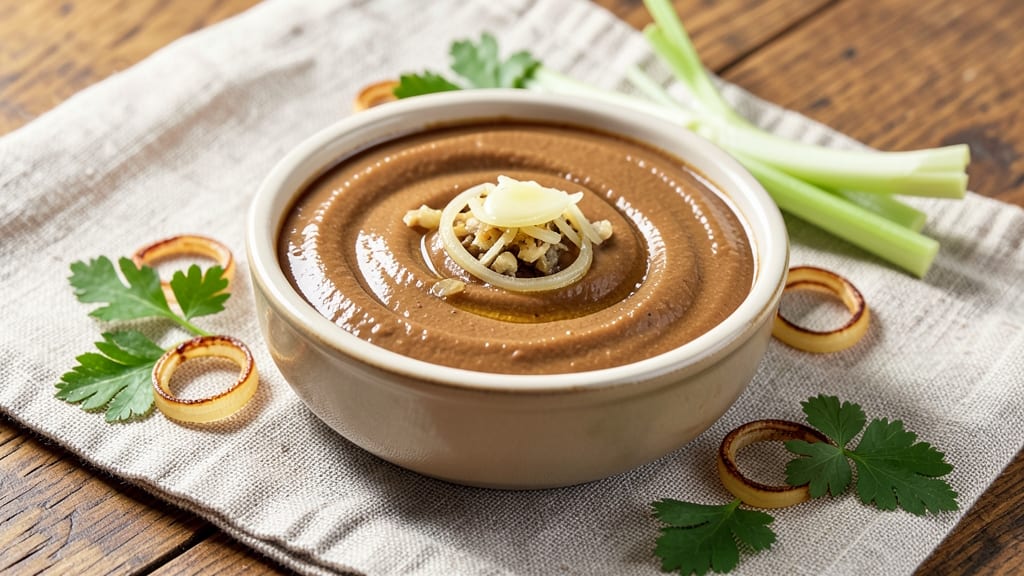
There’s something magical in the joy of cooking this chicken liver pâté recipe—where humble offal becomes a velvety masterpiece for any gathering. This recipe delivers a velvety texture with a crisp celery crust that adds both elegance and crunch, proving that even delicate techniques can be approachable for home cooks.
I developed it during a particularly busy week when I needed something sophisticated yet simple—no special equipment required, just precision and patience.
The foundation of great pâté lies in searing the livers until just cooked, then blending them with butter and seasonings until unctuous. What sets this apart is the celery crust, which adds a fresh, herbal contrast to the rich liver filling.
The process is straightforward once you understand the key steps: proper cooking, smooth blending, and careful baking to achieve that signature crust without overcooking the interior.
By the time you serve this pâté, you’ll have a dish that’s both visually stunning and deeply flavorful—silky smooth with a golden, crisp top that invites every bite. It’s the kind of appetizer that elevates any charcuterie board or dinner party, offering a taste of refined cooking without the fuss.
The result is restaurant-quality, but made in your own kitchen.
Serve with crusty bread, crackers, or fresh vegetables for a complete presentation. This recipe scales beautifully, making it ideal for small gatherings or larger events. Here’s how to create it from start to finish—no prior pâté experience necessary.
Ingredients for joy of cooking chicken liver pate
Sixteen ingredients transform humble chicken livers into a velvety masterpiece with crisp celery crust.
| Ingredient | Amount | Notes |
|---|---|---|
| Chicken Livers 🍗 | 1 ½ lb | Fresh, trimmed of connective tissue |
| Unsalted Butter 🧈 | ¾ cup | Cold, cut into small cubes |
| Shallots 🧅 | 6 whole | Minced, about 0.25 cup |
| Garlic Cloves 🧄 | 4 cloves | Minced, about 1 tsp |
| Fresh Celery Stems 🥬 | 1 cup | Finely chopped, for crust |
| Fresh Parsley 🌿 | ¼ cup | Chopped, for garnish |
| Heavy Cream 🥛 | ¼ cup | Full-fat for richness |
| Diamond Crystal Kosher Salt 🧂 | 1 tsp | Fine grain preferred |
| Freshly Ground Black Pepper 🌶️ | ½ tsp | Coarsely cracked |
| Nutmeg 🌿 | ¼ tsp | Freshly grated |
| All-Purpose Flour 🌾 | 1 tbsp | For crust binding |
| Egg Yolk 🥚 | 1 whole | For crust binding |
| Extra-Virgin Olive Oil 🫒 | 1 tbsp | For searing livers |
The chicken livers are the star—freshness is critical. Grab them from the meat counter at Whole Foods or your local butcher, not the pre-packaged kind at the grocery store. Look for livers that are deep red and moist, not gray or slimy. Trim off any connective tissue or blood spots before cooking. For the celery, organic stalks from the farmers market add the brightest flavor—avoid the rubbery ones. I always buy extra celery because it keeps for weeks in the fridge, and you'll want it fresh for the crust. The butter? European-style like Plugrá or Land O'Lakes makes all the difference in the final texture.
No fresh parsley? Dried parsley works at half the amount, but fresh is worth the extra minute. Short on shallots? Substitute green onions or extra garlic, but reduce the garlic to 3 cloves to avoid overpowering. The heavy cream can be swapped for half-and-half if you're watching fat, though the pâté won't be as rich. For the crust, if you can't find fresh celery, blanched and finely chopped celery seed (about 1 tsp) mimics the flavor. The nutmeg is non-negotiable—it's what gives pâté its signature depth, so don't skip it. If you're out, a pinch of cinnamon adds warmth, but it's not the same.
This pâté keeps beautifully—3-4 days in the fridge once fully chilled, or up to 3 months frozen. For freezing, portion into small ramekins before sealing. The celery crust can be made ahead and stored separately, then added fresh before baking. I always make a double batch because it disappears at parties. Serve it cold or room temperature—never warm, or the crust will soften. The flavor actually improves after the first day as everything melds together.
Why You'll Love This Recipe
- No-Fuss Ingredients: I swear by this recipe because it uses pantry staples—no obscure spices or last-minute grocery runs. Chicken livers, butter, shallots, garlic, and celery? That’s it. Honestly, I keep all of them stocked anyway, so it’s like cooking with my own secret stash.
- Rich, Earthy Depth: That crispy-smooth contrast? Pure magic. The butter and celery mellow out the liver’s richness while the shallots and garlic add a warm, almost caramelized punch. Between us, the first bite is always the best—like a hug in food form.
- Weeknight to Party Fix: Make it for a lazy Tuesday dinner or serve it at a holiday gathering—no one will care. Spread it on crusty bread for a quick bite, or dollop it on crackers for fancy guests. I’ve even used it as a burger topping (yes, really).
- Budget-Friendly Luxury: Chicken livers are a steal compared to beef or duck pâté, but they taste like a splurge. A pound goes a long way, and leftovers? They keep beautifully for days. I’ll be real: my wallet and taste buds both win here.
Step-by-step instructions for chicken liver pâté with celery-crusted top
Here's how to create a velvety-smooth pâté with a crisp, aromatic crust that elevates this classic dish.
Prepare and Sear the Chicken Livers
First, trim any connective tissue from the 1.5 lb chicken livers and pat them completely dry with paper towels. This step is crucial—moisture will prevent proper searing. In a large skillet, heat the 1 tbsp extra-virgin olive oil over medium-high heat until shimmering.
Add the chicken livers in a single layer and let them sear undisturbed for 2-3 minutes per side until they develop a deep golden-brown crust. The livers should release easily from the pan when ready. As they cook, you'll smell their rich, earthy aroma—this is your cue they're developing flavor. Transfer the seared livers to a cutting board and let them rest for 5 minutes before proceeding.
Build the Flavor Base with Shallots, Garlic, and Celery
In the same skillet (no need to clean it—the fond is packed with flavor), reduce the heat to medium and add the 0.75 cup unsalted butter, cut into small cubes. Let it melt completely, then add the 6 whole shallots and 4 cloves garlic cloves, both minced. Sauté for 5-6 minutes until the shallots soften and turn translucent, but don't let them brown.
Add the 1 cup finely chopped fresh celery stems and continue cooking for another 3-4 minutes until everything is tender and fragrant. Here's where the magic happens: the combination of shallots, garlic, and celery creates a sweet, aromatic base that balances the richness of the livers. Season lightly with ½ tsp diamond crystal kosher salt and ¼ tsp freshly ground black pepper at this stage.
Create the Silky Pâté Mixture
Transfer the cooked shallot, garlic, and celery mixture to a food processor or blender. Add the seared chicken livers, 1 whole egg yolk, 0.25 cup heavy cream, 1 tbsp all-purpose flour, 0.5 tsp freshly ground black pepper, 1 tsp diamond crystal kosher salt, and 0.25 tsp freshly grated nutmeg. Pulse until the mixture is completely smooth, scraping down the sides as needed.
The texture should be velvety and homogeneous—almost like a thick custard. If it's too thick, add 1-2 teaspoons of water to reach the perfect consistency. This is the moment where all the flavors come together. Taste and adjust seasoning if needed; the pâté should be rich but not overpowering.
Assemble and Bake the Celery-Crusted Topping
Preheat your oven to 375°F. Transfer the pâté mixture to a 6-inch round baking dish or ramekin, smoothing the top with a spatula. In a small bowl, combine the remaining 0.25 cup chopped fresh parsley with 1 tbsp all-purpose flour to create a crust mixture. Sprinkle this evenly over the top of the pâté.
Bake for 20-25 minutes until the crust is golden brown and the pâté is set but still slightly jiggly in the center. The crust should be crisp enough to hold its shape when you run a knife through it. Remove from the oven and let it rest for 10 minutes before serving—this allows the flavors to meld and the texture to set perfectly.
Pro Tips For Making Joy Of Cooking Chicken Liver Pate
- Sear Livers Fast: Hit them with high heat for 30 seconds per side—just until they lose their raw color. Overcooking turns them rubbery, and you’ll regret it later. (Yes, even if you’re impatient like me.)
- Trim Celery Right: Strip the leaves off celery stems and chop them fine—those green bits add freshness. Skip the stringy ends, or you’ll end up with a mouthful of fiber instead of flavor.
- Salt the Butter: Toss in a pinch of salt with the butter before cooking—it balances the richness. Unsalted butter alone can leave the pâte tasting flat, and you’ll need to adjust later.
- Pulse, Don’t Blend: Use quick pulses in the food processor to keep the texture smooth but not paste-like. Over-blending turns it into a gluey mess, and nobody wants that on toast.
Flavor customization for joy of cooking chicken liver pate
Herb-Infused Variations
Swap traditional parsley for fresh tarragon or chives in the celery crust—both add a bright, anise-like note that pairs beautifully with liver. I often use 2 tbsp chopped tarragon mixed with the parsley for a French-inspired twist.
For a Southern touch, add ½ tsp smoked paprika to the crust mixture before baking. This subtle smokiness complements the richness without overpowering.
Spicy Heat Options
For those who love a kick, stir ½ tsp cayenne pepper or 1 tbsp hot sauce (like Cholula) into the pâté mixture before blending. I’ve also experimented with finely chopped jalapeños mixed into the celery crust—just 2 tbsp adds a pleasant heat that balances the creaminess.
Serve with extra hot sauce on the side for guests who want to adjust their spice level.
Sweet & Savory Twist
Add 1 tbsp honey or maple syrup to the shallot-garlic-celery base while sautéing to create a caramelized depth. The sweetness mellows as it cooks, leaving a subtle sweetness that enhances the liver’s umami.
For contrast, top the baked pâté with crystallized ginger or dried cranberries before serving. This variation works especially well for holiday gatherings.
Umami Boosters
Deepening the umami profile transforms this pâté into a next-level dish. Stir 1 tsp fish sauce or 1 tbsp soy sauce into the pâté mixture after blending—just enough to elevate the flavors without dominating.
For an Italian touch, add 1 tbsp finely chopped sun-dried tomatoes to the crust. I also love using 1 tsp miso paste in the butter mixture for a subtle fermented depth.
Crust Alternatives
If celery isn’t your favorite, try a breadcrumb crust made with ¼ cup panko mixed with 1 tbsp melted butter¼ cup walnuts or pecans into a fine powder and mix with the parsley-flour crust.
A cheese crust of ¼ cup grated Gruyère or Parmesan adds a savory crunch that pairs wonderfully with the liver’s richness.
Global Flavor Profiles
Transform this pâté into a Spanish-style by adding 1 tsp smoked paprika and ½ tsp saffron to the butter mixture.
For a Middle Eastern twist, fold in 1 tsp ground cumin and ½ tsp coriander into the pâté, then top with a crust of toasted pine nuts and za’atar. A French bistro version calls for a crust of chopped chives and Gruyère, baked until golden and bubbly.
Nutrition facts
Frequently asked questions
Can I use beef or pork livers instead of chicken?
While beef or pork livers work technically, chicken livers are preferred for this recipe due to their milder flavor and delicate texture. Beef livers can be slightly gamier, while pork livers may have a stronger taste. If substituting, reduce cooking time by 1-2 minutes per side to avoid overcooking. The celery crust will still work, but adjust seasoning to balance the stronger liver flavor.
How do I prevent the pâté from becoming greasy?
Grease happens when the pâté has too much fat or isn't chilled properly. To avoid it, ensure your butter is cold when blending and use a food processor to emulsify properly. After baking, refrigerate the pâté for at least 4 hours (or overnight) before serving. This allows excess fat to separate and firm up. Serve with toasted bread or crackers to absorb any surface moisture.
Can I make this ahead of time?
This pâté actually tastes better after resting. Prepare it up to 3 days in advance—just store it covered in the fridge. For longer storage, freeze the assembled (but unbaked) pâté in ramekins for up to 3 months. Thaw overnight in the fridge before baking. The crust can be made separately and added fresh before baking if needed.
What's the best way to serve this pâté?
This elegant dish works beautifully as an appetizer or part of a charcuterie board. Serve with crusty baguette slices, water crackers, or toasted sourdough. Pair with dry white wine (like Sauvignon Blanc) or sparkling water with lemon to cut through the richness. For a complete spread, add cornichons, mustard, and fresh herbs on the side.
Why did my celery crust turn soggy?
Soggy crusts usually happen from one of three issues: overmixing the crust, not baking long enough, or opening the oven too early. To fix it, ensure your crust mixture is dry (parsley + flour only—no moisture). Bake until the crust is deep golden brown (about 20-25 minutes at 375°F) and let it rest 10 minutes before serving. For next time, try adding 1 tbsp toasted breadcrumbs to the crust for extra stability.