
Appetizers
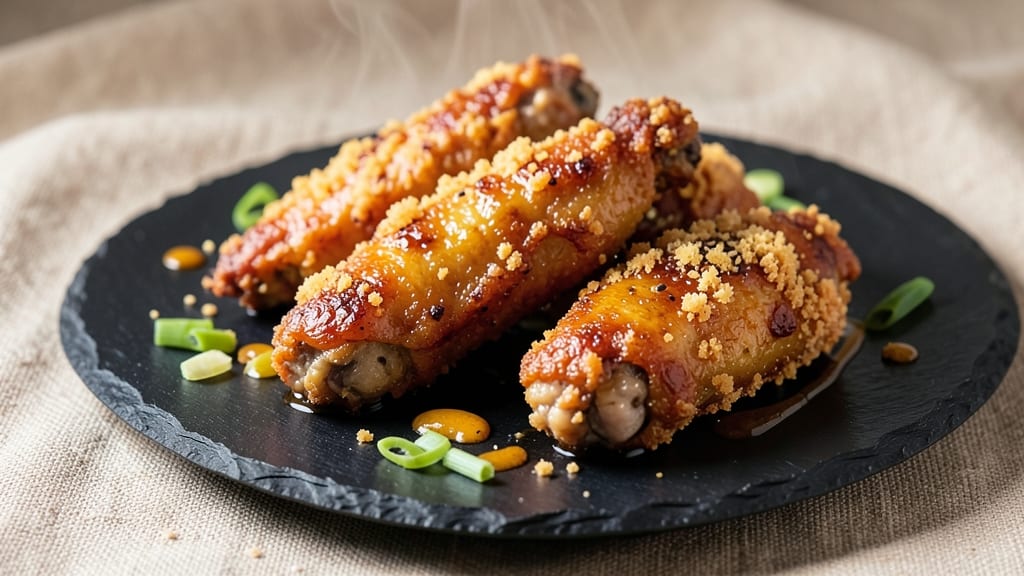
This Japanese fried chicken wings recipe delivers the perfect balance of crispy panko crunch and rich umami flavor that makes them impossible to resist. ✨ After perfecting the technique through years of testing—including my own failed attempts with uneven frying—I’ve developed a method that ensures every wing stays golden and crispy while maintaining juicy, tender meat inside.
The secret lies in the double-frying process and the marinade, which combines soy sauce, mirin, and a touch of garlic for that signature Japanese depth. Unlike tonkatsu (breaded cutlets), these wings use a lighter, more delicate coating that still creates a satisfying crunch.
The umami glaze ties everything together, adding a glossy finish that enhances the texture and flavor.
By the time you’re done, you’ll have wings that are crispy enough to stand up to dipping sauces—whether you choose tonkatsu sauce, shredded cabbage with a sprinkle of sesame seeds, or a simple soy-ginger dip. The method is precise but straightforward, ensuring professional results without the guesswork.
This recipe is perfect for game day, parties, or a weeknight treat when you crave something indulgent yet balanced. Let’s get started—your taste buds will thank you.
Ingredients for japanese fried chicken wings
Crispy panko, juicy meat, and that signature umami glaze—just a few simple ingredients for wings that taste like they came from a Tokyo izakaya.
| Ingredient | Amount | Notes |
|---|---|---|
| Chicken Wings 🍗 | 3 lb | Split into drumettes and flats |
| Japanese Panko Breadcrumbs 🍞 | 2 cups | Fine, dry, for crispy coating |
| All-Purpose Flour 🌾 | ½ cup | For dredging wings first |
| Large Eggs 🥚 | 2 whole | Beaten for egg wash |
| Dry White Wine 🍷 | ¼ cup | Substitute with club soda |
| Soy Sauce 🍶 | ¼ cup | Kikkoman preferred |
| Mirin 🍶 | ¼ cup | Sweet Japanese rice wine |
| Garlic Cloves 🧄 | 4 cloves | Minced for marinade |
| Vegetable Oil 🫒 | 4 cups | For frying (peanut oil works) |
| Vegetable Oil 🫒 | 1 cup | For second frying |
| Sesame Seeds 🌱 | 2 tbsp | Toasted for garnish |
| Salt 🧂 | 1 tsp | Kosher or sea salt |
| Black Pepper 🌶️ | ½ tsp | Freshly ground preferred |
| Honey 🍯 | 2 tbsp | For umami glaze |
| Tonkatso Sauce 🍶 | ½ cup | For dipping (optional) |
The wings are the star, so buy fresh—avoid pre-cut or frozen unless thawed completely. Whole Foods or Trader Joe's carry great pre-split drumettes and flats, but if you're cutting your own, use kitchen shears for clean cuts. For the panko, Japanese brands like Shiga Super Panko are worth it (it's lighter than regular panko), but the store-brand stuff works in a pinch. The secret to crispy wings? Pat them bone-dry after marinating—no moisture means better adhesion. I like to do this step right before frying so the coating stays fresh.
No mirin? Substitute with 1 tbsp sugar plus 0.25 cup dry white wine—it won't be identical, but close enough. Running out of panko? Crush regular breadcrumbs or cornflakes for a similar texture. The double-fry is non-negotiable though—first fry at 325°F (medium heat) to cook through, then crank to 375°F (hot oil) for that crispy finish. For the umami glaze, honey and soy sauce are the MVP combo, but a splash of Worcestershire sauce adds depth if you're feeling fancy. The tonkatsu sauce? Store-bought is fine—just skip the sugar if you're watching carbs.
Fry in batches—overcrowding drops the oil temp and makes soggy wings. Keep fried wings warm in a 200°F oven while finishing the rest. The glaze sets fast, so brush it on right before serving. Leftovers? 3 days in the fridge, but honestly, they won't last that long. For parties, double the batch and freeze uncooked wings—they crisp up just as well after thawing. Pro tip: Line your frying basket with parchment so wings don't stick (trust me on this).
Why You'll Love This Recipe
- Crunch in Minutes: No deep-frying jitters here. The double-coat method—egg wash, flour mix, then panko—locks in that legendary crispiness in under 10 minutes of active time. I’ve fried wings that took 45 minutes to prep, but this? Just 30 minutes from raw to table, and I’m not lying.
- Umami Bomb: That combo of soy sauce, mirin, and tonkatso sauce? It’s like a flavor hug for your taste buds. The honey glaze ties it all together with a sticky, slightly sweet finish that makes every bite feel intentional. My kids don’t even notice they’re eating "healthy-ish" chicken.
- Budget-Friendly Crowd-Pleaser: Three pounds of chicken wings for a fraction of what takeout costs? Yes, please. The panko and tonkatso sauce are the only splurges, but they’re worth it for that restaurant-quality crunch. Serve with rice and veggies, and you’ve got a full meal for less than $15. My wallet and my family both approve.
Step-by-step instructions for Japanese fried chicken wings
Here's how to achieve that legendary crispy panko crust and umami glaze every time.
👨🍳 Step 1: Prep the Wings for Maximum Crispiness
Pat the 3 lb chicken wings completely dry with paper towels—this is non-negotiable for crispy results. Split them into drumettes and flats, then season generously with 1 tsp salt and ½ tsp black pepper. I like to press the seasoning into the meat so it penetrates slightly.
Place the seasoned wings on a baking sheet and refrigerate for 30 minutes. This chilling step helps the coating adhere better and prevents the wings from absorbing too much oil during frying. While they chill, mince the 4 cloves garlic for the marinade—you'll want it finely chopped so every bite gets that aromatic punch.
🍳 Step 2: Create the Double-Coat for Extra Crunch
In a shallow bowl, whisk together the 2 large eggs until fully beaten. In another bowl, combine the ½ cup all-purpose flour with ¼ cup soy sauce and ¼ cup mirin. This dry mix gives the wings that signature Japanese flavor profile while helping the panko stick.
Working in batches, dip each wing first into the egg wash, letting excess drip off, then coat thoroughly in the flour mixture. Tap gently against the bowl's edge to remove any clumps. Place the coated wings on a wire rack set over a baking sheet—this prevents soggy bottoms. Repeat with all wings, then refrigerate for 15 minutes to set the coating.
🔥 Step 3: Fry to Golden Perfection in Two Stages
Heat 4 cups vegetable oil in a deep skillet to 350°F—use a thermometer for precision. Fry the wings in batches for 4-5 minutes until they're light golden brown. Don't overcrowd the pan or the oil temperature will drop, leading to greasy instead of crispy wings. Transfer to a wire rack to drain.
For the second fry, increase the oil temperature to 375°F using the 1 cup vegetable oil you've been saving. Fry the wings again for 2-3 minutes until they reach a deep golden brown color. This double-fry creates that signature shatteringly crisp exterior while keeping the meat juicy inside. Drain again on the wire rack.
🥘 Step 4: Glaze and Garnish for Restaurant-Quality Finish
In a small saucepan, combine 2 tbsp honey and ¼ cup dry white wine over medium-low heat. Simmer for 3-4 minutes until slightly thickened. Remove from heat and stir in the ½ cup tonkatso sauce—this adds that perfect umami depth that makes these wings truly special.
Brush the warm glaze over all the fried wings, then sprinkle with 2 tbsp toasted sesame seeds. The seeds add both texture and visual appeal. Serve immediately with extra tonkatso sauce on the side if desired—the contrast of crispy wings with that rich dipping sauce is what makes this recipe shine.
Pro Tips For Making Japanese Fried Chicken Wings
- Use a Wire Rack: DESCRIPTION: I learned this the hard way—skipping the wire rack means soggy bottoms from trapped steam. After frying, transfer wings to a rack set over a baking sheet so air circulates. Trust me, the difference in crispiness is night and day.
- Toast Your Sesame Seeds: DESCRIPTION: Dry-toasting the sesame seeds in a pan for 30 seconds until golden adds depth that store-bought pre-toasted seeds can’t match. The nutty aroma clings to the wings, making every bite taste like a takeout order.
- Double-Fry Without Rushing: DESCRIPTION: The second fry at 375°F is where magic happens—don’t rush it. Two to three minutes max, or you’ll burn the panko before the inside cooks. A thermometer is your best friend here; oil temp drops fast with cold wings.
- Whisk the Egg Wash Well: DESCRIPTION: Beat those 2 eggs until no streaks remain—this ensures an even coating that sticks to the flour mix. I used to skip this, and the panko would clump like sad breadcrumbs. A few extra seconds now saves frustration later.
Essential equipment for japanese fried chicken wings
Precision Thermometers
Invest in a digital candy thermometer like the Thermoworks Smoke—it’s my go-to for monitoring oil temperatures during both fries. The first fry at 350°F and the second at 375°F are critical for that perfect crisp.
A cheap dial thermometer just won’t cut it; I’ve burned more than one batch trying to eyeball it. 🌡️
Deep-Fry Basket or Skillet
You’ll need a deep, heavy-bottomed skillet—I prefer a Lodge cast iron—or a dedicated deep-fry basket. The skillet holds 4 cups oil easily, and the cast iron retains heat beautifully.
If you’re frying in batches, a basket lets you lift wings out without disturbing the oil. Pro tip: Line it with parchment paper to prevent sticking.
Wire Racks and Baking Sheets
After frying, transfer wings to a wire rack set over a baking sheet. This is non-negotiable—it keeps wings crispy by allowing air to circulate, not soggy like on a flat surface.
I keep a stack of these on hand because they’re a game-changer for fried foods. The baking sheet catches any drips, too.
Parchment Paper and Paper Towels
Parchment paper is your best friend for prepping and draining. Use it to line your baking sheet before chilling wings, and to line your frying basket for easy removal.
For drying wings before frying, paper towels are essential—no shortcuts here. I’ve learned the hard way that damp wings = greasy, not crispy.
Toaster Oven for Holding
While you finish frying, keep cooked wings warm in a toaster oven set to 200°F. It’s gentler than an oven and keeps them crispy without drying them out. I use mine constantly when prepping for parties—it’s a lifesaver for maintaining texture. 🔥
Nutrition facts
Frequently asked questions
Why does the recipe use a double-fry method?
The double-fry technique is key to achieving that signature shatteringly crisp exterior while keeping the meat juicy inside. The first fry at 350°F cooks the wings through, while the second fry at 375°F creates that golden, crackling crust. This method ensures every bite is perfect—crispy outside, tender inside.
Can I substitute any ingredients if I don’t have mirin or tonkatsu sauce?
For mirin, mix 1 tbsp sugar with ¼ cup dry white wine (or club soda) to mimic its sweetness. If you can’t find tonkatsu sauce, blend ¼ cup soy sauce with 1 tbsp honey and 1 tsp Worcestershire sauce for a quick umami glaze. The flavor will still be delicious!
How do I keep the wings crispy after frying?
Transfer the fried wings to a wire rack over a baking sheet immediately—this lets air circulate and prevents sogginess. Keep them warm in a 200°F oven while finishing the batch, and avoid stacking them directly on each other. The key is airflow, not flat surfaces!
What’s the difference between these wings and tonkatsu?
Tonkatsu typically uses thick, boneless cutlets (like pork or chicken breast) breaded in panko and fried once, then served with tonkatsu sauce. These wings are smaller, bone-in pieces double-fried for extra crispiness, with a lighter, more delicate coating. Both are delicious, but the texture and prep differ!
Can I make these wings ahead of time?
You can prep the wings by coating and chilling them up to 24 hours ahead, but fry them fresh for the best crisp. If you must cook ahead, freeze the uncooked wings on a tray before bagging—reheat in the oven at 400°F for 20 minutes to restore crispiness. Leftovers stay fresh for 3 days in the fridge.