
Main Courses
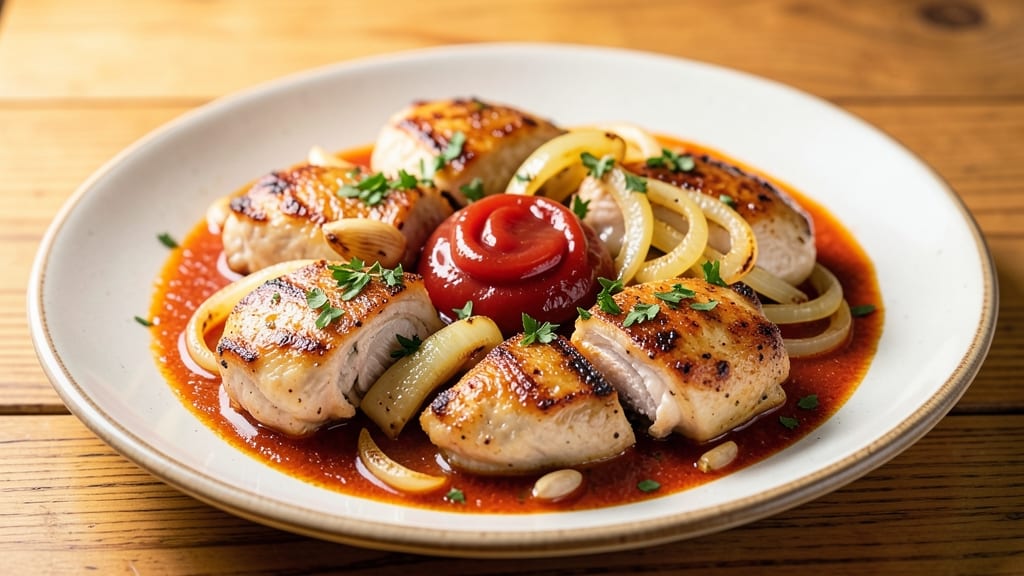
Hungarian chicken paprikash delivers the kind of comforting, smoky-sweet richness that transforms a simple weeknight into a celebration. This recipe captures the essence of traditional csirkepaprikás—tender chicken simmered in a velvety paprika sauce with just the right balance of sour cream and aromatics.
I spent years perfecting this dish after realizing how much my grandmother's Sunday roast chicken inspired my own cooking journey.
The secret lies in the technique: slow-cooked onions build deep flavor, while sweet and hot paprika create that signature smoky aroma. Sour cream adds a luxurious creaminess without overpowering the paprika's complexity.
What makes this version special is its adaptability—you can prepare it in a Dutch oven for a restaurant-style experience or simplify it for a one-pot wonder on busy nights.
By the time you serve this dish, your kitchen will smell like a Hungarian home kitchen, and every bite will deliver tender chicken swimming in a rich, velvety sauce.
The dish pairs beautifully with buttery egg noodles or crusty bread to soak up every last drop. This is comfort food at its finest—warm, inviting, and full of love.
Whether you're cooking for family or treating yourself to a special meal, this recipe delivers restaurant-quality results with simple techniques. Let's create something memorable together.
Ingredients for hungarian chicken
These ingredients bring Hungarian comfort food to life with smoky paprika and creamy richness.
| Ingredient | Amount | Notes |
|---|---|---|
| Boneless, Skinless Chicken Thighs 🍗 | 1 ½ lb | Cut into even 1-inch pieces |
| Yellow Onions 🧅 | 3 whole | Thinly sliced, about 3 cups |
| Sweet Hungarian Paprika 🌶️ | 3 tbsp | High-quality, not smoked |
| Hot Hungarian Paprika 🌶️ | 1 tbsp | For smoky depth |
| Tomato Paste 🍅 | 2 tbsp | Smooth, not chunky |
| Garlic Cloves 🧄 | 4 cloves | Minced, not powdered |
| Fresh Thyme Leaves 🌿 | 1 tbsp | Or 1 tsp dried thyme |
| Bay Leaves 🍃 | 2 whole | For aromatic depth |
| Sour Cream 🥛 | ½ cup | Full-fat for richness |
| Heavy Cream 🥛 | ¼ cup | For velvety texture |
| Chicken Broth 💧 | 1 ½ cups | Low-sodium preferred |
| Extra-Virgin Olive Oil 🫒 | 2 tbsp | For sautéing onions |
| Salt 🧂 | 1 ½ tsp | Diamond Crystal preferred |
| Black Pepper 🌶️ | ½ tsp | Freshly cracked |
| All-Purpose Flour 🌾 | 1 tbsp | For thickening sauce |
The paprika is non-negotiable—Hungarian sweet and hot varieties from Penzeys or bulk bins at Whole Foods make all the difference. I always grab extra because it loses potency fast. For the onions, yellow onions caramelize best, but red onions add a subtle sweetness if you prefer. The chicken thighs? Bone-in, skin-on stays juicier, but boneless works too if you're in a hurry. Look for thighs with good marbling—they'll stay tender even after long simmering.
No Hungarian paprika? Sweet smoked paprika plus a pinch of cayenne gets you close, but it won't be the same. Short on sour cream? Greek yogurt at half the amount works in a pinch, though it's tangier. Fresh thyme is ideal, but dried works at one-third the amount. The tomato paste can be from a tube—Trader Joe's has great ones that last months. For the flour, King Arthur or Bob's Red Mill brands stay lump-free when thickening sauces. And trust me on the heavy cream—light cream makes the sauce watery.
This reheats beautifully—3-4 days in the fridge, 3 months frozen. I always make extra because it tastes even better the next day. For freezing, portion into airtight containers with sauce—no need to thaw before reheating. The sauce thickens as it cools, so add a splash of broth or water when reheating. Pairs perfectly with egg noodles or crusty bread to soak up every last drop of that velvety paprikash.
Why You'll Love This Recipe
- One-Pot Magic: I swear by this recipe when I’m too tired to wash dishes. Brown the chicken, toss in onions and paprika, then let the tomato paste thicken everything into a rich, saucy hug—no extra pans, no stress.
- Paprika Powerhouse: That sweet and hot paprika combo? It’s what turns this into something special. The sweet mellows the heat just enough to make every bite feel warm and inviting, like a hug from your favorite Hungarian aunt.
- Weeknight to Potluck: Between us, this dish works for lazy Tuesdays and impressing guests. Serve it over rice for a simple meal, or pile it onto crusty bread for a showstopper that takes 10 minutes to assemble.
- Budget-Friendly Leftovers: Chicken thighs stretch my grocery budget, and the paprika makes even the simplest sides taste better. Leftovers? They’re even better the next day—perfect for lunches or freezing for when I’m too exhausted to cook.
Step-by-step instructions for Hungarian chicken paprikash
This rich, velvety dish comes together through careful layering of flavors and precise timing.
Sear the Chicken for Deep Flavor
Pat the 1.5 lb boneless, skinless chicken thighs dry with paper towels and cut them into even 1-inch pieces. Heat 2 tablespoons extra-virgin olive oil in a large, heavy-bottomed Dutch oven over medium-high heat until shimmering. Working in batches to avoid crowding, add the chicken pieces and sear for 3-4 minutes per side until golden brown and cooked through to 165°F internally.
Here's the thing—don't rush this step. The Maillard reaction happening here builds the foundation of your dish. You want those chicken pieces to develop a deep, caramelized crust before they're submerged in the sauce. Once all pieces are browned, remove them from the pot and set aside on a plate, leaving all that beautiful browned chicken fat in the pot.
Develop the Paprika Base
Reduce the heat to medium and add the 3 whole yellow onions, sliced thinly. Cook them for 5-6 minutes, stirring occasionally, until they begin to soften and turn translucent. Add the 4 cloves minced garlic and cook for another 30 seconds until fragrant—this prevents the garlic from burning, which would make the whole dish bitter.
Now it's time for the paprika magic. Add 3 tablespoons sweet Hungarian paprika and 1 tablespoon hot Hungarian paprika, stirring constantly to coat the onions and garlic. Cook for 1-2 minutes until the paprika is aromatic and the mixture smells deeply earthy and slightly smoky. This is where the authentic Hungarian flavor develops—don't skip this step or rush it.
Build the Sauce Foundation
Stir in the 2 tablespoons tomato paste and cook for 1 minute until it darkens slightly and becomes fully incorporated. Pour in 1.5 cups chicken broth, scraping up any browned bits from the bottom of the pot with a wooden spoon. This deglazing step captures all the flavor you've built so far.
Add the 2 whole bay leaves and 1 tablespoon fresh thyme leaves, then bring the mixture to a gentle simmer. Return the seared chicken pieces to the pot, along with any accumulated juices from the plate. Partially cover and let it simmer for 15-20 minutes until the chicken is tender and the sauce has thickened slightly. You'll notice the chicken pieces will absorb some of the sauce—this is normal and actually enhances the flavor.
Finish with Creamy Richness
Reduce the heat to low and stir in the 0.5 cup sour cream and 0.25 cup heavy cream. The mixture will thicken noticeably as the creams heat through. Taste and adjust seasoning with 1.5 teaspoons salt and 0.5 teaspoon black pepper—this is your chance to balance the flavors before serving.
Here's where it gets crucial: stir in 1 tablespoon all-purpose flour and cook for another 2-3 minutes until the sauce reaches your desired consistency. It should coat the back of a spoon but still be smooth and velvety, not gluey. If it's too thick, you can thin it with a splash of warm chicken broth. The creams should be warm but not curdled—if they start to separate, remove the pot from heat immediately and stir in a bit more flour to stabilize.
Rest and Serve with Confidence
Let the paprikash rest for 5-10 minutes off the heat. This resting period allows the flavors to meld together and the sauce to thicken further. Serve immediately over egg noodles, buttered potatoes, or crusty bread to soak up every last bit of that rich, smoky sauce.
The perfect Hungarian chicken paprikash should have tender, flavorful chicken swimming in a velvety sauce that balances sweet, smoky, and tangy notes. Each bite should deliver layers of paprika's earthy warmth, the creaminess of the dairy, and the subtle bitterness from the bay leaves. And most importantly, it should make your kitchen smell like a Hungarian home kitchen—warm, comforting, and inviting.
Pro Tips For Making Hungarian Chicken
- Brown the Onions First: Skip the "soften in paprika" step—sauté the onions in oil until deep golden brown (about 8-10 minutes) before adding any spices. This builds real flavor; I used to rush this and wondered why my sauce tasted flat.
- Use Both Paprikas Separately: Toast the sweet paprika until it smells nutty, then add the hot paprika later—this balances the heat without overpowering. I learned this after burning the hot paprika the first time (yes, it happens).
- Deglaze with Vinegar: After browning the chicken, splash in 1-2 tablespoons of apple cider vinegar while scraping the fond off the pan. It cuts through the richness and brightens the sauce—trust me, it’s worth the extra 30 seconds.
- Check Internal Temp: Pull the chicken at 165°F (74°C), even if it looks undercooked—thighs stay juicy this way. I used to eyeball it and ended up with dry meat (or worse, undercooked). A meat thermometer changes everything.
Serving suggestions for this hungarian chicken
Classic Egg Noodles
This is my go-to pairing because it's traditional and foolproof. Cook 8 oz egg noodles (like Barilla or De Cecco) al dente, then toss with 1 tablespoon butter and a pinch of salt.
The egg yolks in the noodles soak up the paprikash sauce beautifully, creating a creamy, satisfying bite. I like to serve it slightly undercooked so it continues cooking in the hot sauce. 🍝
Crusty Bread
For a heartier option, serve with a warm, crusty loaf like a baguette or ciabatta. Tear it into pieces and let everyone dip directly into the sauce.
I always keep a basket of crusty bread on the table during family dinners—it disappears faster than the chicken! The crispy crust contrasts perfectly with the velvety sauce.
Buttered Potatoes
If you prefer potatoes, try Yukon Gold or red potatoes, boiled until tender and tossed with 2 tablespoons butter and a sprinkle of fresh parsley.
The natural sweetness of the potatoes balances the smoky paprika beautifully. I often serve them alongside the noodles for variety—it's a crowd-pleaser at holiday gatherings.
Fresh Herbs Finish
Before serving, I always garnish with chopped fresh parsley or dill—just 1 tablespoon per serving. The bright, fresh flavor cuts through the richness of the sauce and adds a pop of color. If you have time, a sprinkle of toasted breadcrumbs adds a nice crunchy texture that everyone loves.
Garnish with Sour Cream
For an extra touch of elegance, dollop a small spoonful of sour cream on top of each serving right before eating. The contrast between the warm sauce and cool cream is magical.
I also like to add a few red pepper flakes for those who enjoy a bit of heat—it’s a simple way to customize each plate.
Wine Pairing
No Hungarian meal is complete without a glass of Hungarian red wine. I recommend a Bull's Blood (Egri Bikavér) or a Tokaji for a sweeter option.
The bold flavors of the wine complement the rich paprikash perfectly. If you prefer white, a dry Riesling works beautifully too—its acidity cuts through the creaminess.
Nutrition facts
Frequently asked questions
Can I substitute chicken thighs with chicken breasts?
Chicken breasts work, but they'll be drier since they have less fat. Use bone-in, skin-on breasts for better moisture, or brined breasts to keep them juicy. Cut them into 1-inch pieces and sear until golden before adding to the sauce. For extra tenderness, marinate them in buttermilk or lemon juice for 30 minutes before cooking.
Why does my paprikash sauce turn out watery?
Watery sauce usually means the flour didn't thicken it enough or the creams separated. Stir in 1 extra tablespoon flour and simmer 3-4 minutes longer. If the sauce still seems thin, mix 1 teaspoon cornstarch with 1 tablespoon cold water and whisk it in. For future batches, reduce the broth by 0.25 cup or simmer uncovered for 5 extra minutes to evaporate excess liquid.
Can I make this recipe in a slow cooker?
Brown the chicken first in a skillet, then transfer everything to the slow cooker. Cook on low for 4-5 hours or high for 2-3 hours. Stir in the sour cream and heavy cream only in the last 30 minutes to prevent curdling. The slow cooker version is perfect for busy weeknights—just add 1 extra tablespoon flour at the end to thicken the sauce.
What's the best way to reheat leftovers?
Reheat gently on the stovetop over low heat with a splash of chicken broth to restore moisture. Avoid microwaving—it can make the sauce grainy. For best results, cover the pan and warm for 5-7 minutes, stirring occasionally. If the sauce thickens too much, add a little more broth. Leftovers taste even better the next day!
Can I use sweet paprika instead of Hungarian paprika?
Sweet paprika won't give you the same depth of flavor, but it works in a pinch. For authentic results, mix 3 tbsp sweet paprika + 1 tsp smoked paprika + pinch of cayenne. The key is to toast the paprika mixture in the pot for 1-2 minutes to develop its aroma. If you can find hot Hungarian paprika, use it—it adds the smoky complexity that sets this dish apart.