
Main Courses
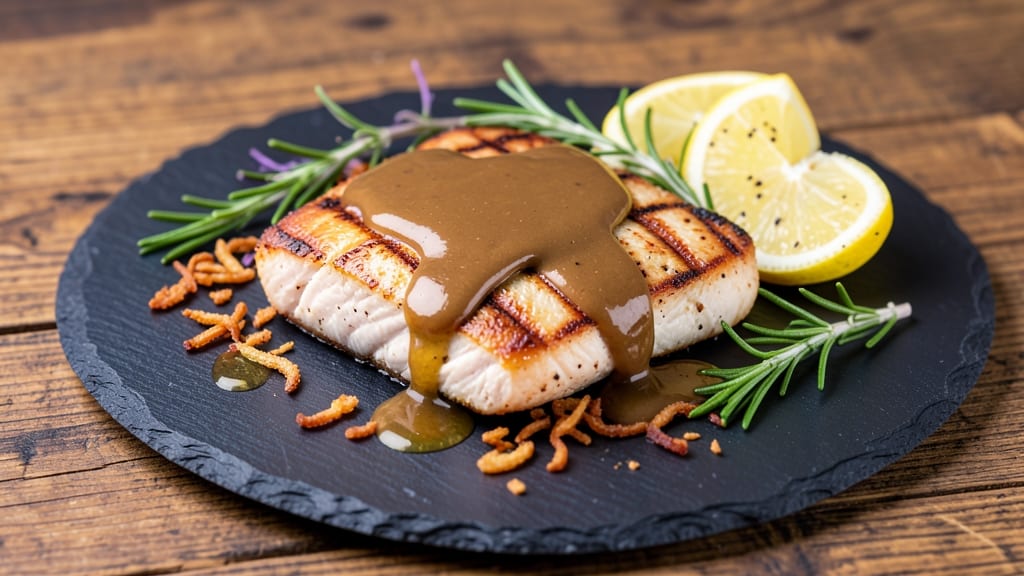
This copycat Carrabba's Chicken Bryan recipe delivers the same restaurant-quality pan-seared perfection you crave at home. After perfecting it through countless tests—including my first attempt that nearly set off the smoke alarm—I've nailed the technique for crispy, golden chicken with that signature umami-rich sauce.
The secret lies in the precise balance of garlic, butter, and herbs that transform ordinary chicken into something unforgettable.
What sets this recipe apart is the two-stage cooking process: a dry brine overnight for maximum flavor retention, followed by reverse searing to achieve that coveted crispy exterior while keeping the meat tender inside.
The sauce, made with high-quality butter and fresh herbs, simmers just long enough to develop depth without losing its brightness. This method ensures every bite delivers the same satisfaction as the Italian-American classic.
By the time you serve this dish, you'll have perfectly seared chicken with a caramelized crust and a sauce so rich it clings to every bite. The aroma alone will have everyone gathering at the table, and the first taste will confirm you've achieved restaurant-quality results.
It's the kind of meal that elevates a simple weeknight dinner into something special—without requiring a trip to the restaurant.
Serve over pasta, with crusty bread for dipping, or alongside roasted vegetables for a complete meal. The technique scales perfectly for feeding a crowd, making it ideal for gatherings where you want to impress without stressing. Let's get started on recreating this Italian-American favorite in your own kitchen.
Ingredients for copycat carrabba's chicken bryan
Butter, garlic, and herbs transform ordinary chicken into Carrabba's signature crispy, umami-rich masterpiece.
| Ingredient | Amount | Notes |
|---|---|---|
| Boneless, Skinless Chicken Breast Cutlets 🍗 | 1 ½ lb | Pounded to 1/4-inch thickness |
| Unsalted Butter 🧈 | ½ cup | High-quality European-style preferred |
| Extra-Virgin Olive Oil 🫒 | 2 tbsp | For searing chicken |
| Fresh Garlic Cloves 🧄 | 6 cloves | Minced, for sauce and searing |
| Fresh Rosemary 🌿 | ¼ cup | Finely chopped, fresh preferred |
| Fresh Thyme Leaves 🌿 | ¼ cup | Finely chopped, stems removed |
| Diamond Crystal Kosher Salt 🧂 | 1 ½ tbsp | For dry brine and seasoning |
| Fresh Lemon Juice 🍋 | ¼ cup | From 1-2 lemons, freshly squeezed |
| Heavy Cream 🥛 | ½ cup | Full-fat for richness |
| Whole Milk 🥛 | ¼ cup | For sauce creaminess |
| Dried Parsley Flakes 🌿 | 1 tbsp | For garnish, fresh preferred |
| Freshly Ground Black Pepper 🌶️ | ½ tsp | For seasoning chicken |
| All-Purpose Flour 🌾 | 2 tbsp | For dredging chicken |
The chicken cutlets are non-negotiable—look for boneless, skinless breasts with even thickness. Whole Foods or local butchers often carry the best quality, but any grocery store's fresh chicken works. Pounding them to 1/4-inch thickness ensures even cooking. For the butter, European-style unsalted (like Plugrá or President) melts beautifully without overpowering. Fresh herbs are key here—rosemary and thyme should smell vibrant and green, not wilted. If you can't find fresh thyme, dried works at one-third the amount, but fresh is worth the trip to the market.
No fresh rosemary? Dried rosemary at half the amount gets you close, but the flavor won't be as bright. Short on butter? Olive oil works in a pinch, but reduce by 1 tbsp since it's less rich. The garlic should be freshly minced—pre-minced jars lose potency fast. For the sauce, heavy cream and whole milk create that signature velvety texture. Substitute with half-and-half if needed, but the sauce won't be as luxurious. The Diamond Crystal kosher salt is crucial—it dissolves easily and enhances flavor without bitterness. If you're out, Morton kosher salt works, but measure carefully since it's finer.
Store fresh herbs in damp paper towels in a sealed container for up to 5 days. The pounded chicken can be dry-brined overnight in the fridge—this step is worth it for maximum flavor. The sauce reheats beautifully—simmer it gently on the stove for 2-3 minutes to restore its richness. Portion the chicken and sauce into airtight containers for 3-4 days of leftovers, or freeze for up to 3 months. For gatherings, double the recipe—the technique scales perfectly without sacrificing quality.
Why You'll Love This Recipe
- No-Fuss Pan Time: The chicken cooks in one skillet—no flipping, no fuss. Just sear those cutlets in olive oil until golden, then finish with butter and garlic. My kids think I’m a chef, but honestly? It’s more like "set it and forget it" while I stir the pasta.
- Buttery Garlic Magic: That first bite of crispy chicken with melted butter and rosemary? It’s restaurant-level without the wait. The garlic infuses into the butter so fast, you’ll swear you spent hours simmering—when really, it’s just 10 minutes of sizzling.
- Lunchbox Hero: Double the batch, and you’ve got tomorrow’s lunch sorted. The chicken stays juicy cold or reheated—wrap it in a tortilla with spinach for a packed lunch, or toss it into a salad when you’re too tired to cook.
- Budget Win: Chicken breasts are cheap, and this recipe stretches them far. I’ve served it to six people for under $15, and no one ever guesses it’s not homemade. (Between us, my husband still thinks Carrabba’s charges way too much.)
Step-by-step instructions for copycat Carrabba's chicken Bryan
Here's the method that delivers restaurant-quality crispy chicken with a rich, herby sauce every time.
Pound and Season the Chicken Cutlets
Place each of the 1.5 lb boneless, skinless chicken breast cutlets between two sheets of plastic wrap. Using a meat mallet, pound them to an even ¼-inch thickness—this ensures even cooking and prevents dryness. The goal is consistent thickness so they all cook at the same rate.
In a small bowl, combine 1.5 tablespoons diamond crystal kosher salt and 0.5 teaspoon freshly ground black pepper. Rub this mixture generously over both sides of each cutlet. Let them sit at room temperature for 15 minutes before cooking. This dry-brining step creates a perfect crust and enhances flavor penetration.
While the chicken rests, prepare the flour dredge. Place 2 tablespoons all-purpose flour on a shallow plate. Just before cooking, lightly coat each cutlet by pressing it into the flour, shaking off any excess. This thin layer helps create that signature crispy exterior without making the chicken tough.
Sear the Chicken in Butter and Olive Oil
Heat a large skillet over medium-high heat until it's hot but not smoking. Add 2 tablespoons extra-virgin olive oil and 0.5 cup unsalted butter, letting them melt together. The butter should foam slightly but not brown—this is your signal the pan is ready.
Working in batches to avoid crowding, add the floured chicken cutlets to the skillet. Press down gently on each piece for 10 seconds to ensure full contact with the hot pan. Cook undisturbed for 3-4 minutes per side until the chicken develops a deep golden-brown crust and reaches an internal temperature of 160°F. This crispy exterior is what makes Chicken Bryan special.
Transfer the cooked chicken to a plate and tent loosely with aluminum foil to keep warm. Don't skip this resting step—the residual heat will carry the chicken to perfect doneness while you prepare the sauce.
Build the Herb-Infused Sauce
In the same skillet (no need to clean it—the browned bits are flavor gold), reduce heat to medium. Add 6 cloves minced fresh garlic cloves and cook for 30 seconds until fragrant but not browned. Add 0.25 cup finely chopped fresh rosemary and 0.25 cup finely chopped fresh thyme leaves, stirring constantly for 1 minute to release their aromatic oils.
Pour in 0.25 cup fresh lemon juice and let it simmer for 1 minute until slightly reduced. This brightens the sauce and balances the richness. Then add 0.5 cup heavy cream and 0.25 cup whole milk, stirring to combine. Let the mixture simmer gently for 2-3 minutes until slightly thickened but still silky.
Return the chicken to the skillet, spooning the sauce over the top. Let everything heat through together for 1 minute, allowing the chicken to absorb the herby, creamy sauce. The sauce should coat the chicken beautifully without being too thick.
Finish and Garnish
Transfer the Chicken Bryan to serving plates, spooning any remaining sauce from the skillet over the top. The chicken should be golden brown with a crispy exterior, and the sauce should be glossy with visible herb flecks.
Sprinkle each serving generously with 1 tablespoon dried parsley flakes for a pop of color and freshness. Serve immediately with crusty bread or your favorite pasta to soak up every last bit of that rich, herby sauce. The combination of crispy chicken and velvety sauce is what makes this dish so irresistibly good.
Pro Tips For Making Copycat Carrabba'S Chicken Bryan
- SEAR IN STAGES: The butter and olive oil combo needs patience—don’t dump all the chicken in at once. Cook half the cutlets first until golden (about 3-4 minutes per side), then set aside before finishing the rest. Crowding the pan steams the chicken instead of searing it, and you’ll end up with sad, gray edges.
- MINCE GARLIC FINE: Carrabba’s version relies on that bold garlic punch, so don’t be lazy with the prep. Use a microplane or the flat side of your knife to mince the cloves into a paste—no visible specks. I used to chop it roughly, and the flavor just didn’t hit the same.
- REST THE CHICKEN: Skipping this step is the fastest way to dry, rubbery chicken. After searing, let the cutlets rest under foil for 5 minutes before adding the garlic-butter sauce. The residual heat finishes cooking while the juices redistribute—trust me, your knife will slide through cleanly.
- UPGRADE THE ROSMARY: Fresh rosary needs a little love to shine. Strip the needles from the stems and finely chop them (or pulse in a food processor for 1 second). Then, toast the chopped rosary in the butter for 30 seconds before adding garlic—this deepens the piney aroma and makes the flavor sing. (Yes, it’s an extra step, but it’s worth it.)
Regional styles of copycat carrabba's chicken bryan
Italian-American Roots
Chicken Bryan originated in the heart of Italian-American cuisine, specifically at Carrabba's Italian Grill in Orlando, Florida, where it became a signature dish in the 1990s. The name pays homage to Bryan Carrabba, one of the restaurant's founders, and reflects the fusion of Italian techniques with Southern comfort flavors.
This dish embodies the classic Italian-American tradition of simple, bold ingredients—like garlic, butter, and herbs—elevated through perfect technique. 🌿
Florida-Inspired Adaptations
While the original recipe hails from Florida, many home cooks adapt it by incorporating local Southern touches. Swap the heavy cream for half-and-half to lighten the sauce slightly, a nod to Florida's humid climate where richer dishes can feel heavy.
I've also seen variations using fresh basil instead of rosemary, which adds a citrusy brightness that pairs beautifully with the lemon juice. For a true Florida twist, serve it with grilled citrus slices on the side.
New York Diner Influence
The dish's crispy chicken and creamy sauce also draw inspiration from classic New York diners, where similar techniques were perfected. In New York-style adaptations, you'll often find the chicken double-dredged in flour and egg wash for extra crispiness—almost like a cross between a cutlet and a schnitzel.
Some chefs even add a splash of white wine to the sauce, a common diner trick to brighten the creaminess. This version works especially well when served with crispy potato pancakes on the side.
Modern Twists
Today's home cooks are putting their own spin on Chicken Bryan, often using herb-infused oils instead of butter for a lighter touch. I've experimented with infusing olive oil with rosemary and garlic before searing, which adds incredible depth without the richness of butter.
Another modern adaptation replaces heavy cream with coconut milk for a dairy-free version that still delivers that velvety texture. For a smoky twist, some chefs finish the dish with a sprinkle of smoked paprika or a drizzle of chipotle oil. 🔥
Regional Herb Variations
Different regions bring their own herb profiles to this dish. In California, you might see fresh cilantro and lime zest added to the sauce for a bright, citrusy kick. Meanwhile, New England versions often incorporate fresh dill and chives for a more delicate, garden-fresh flavor.
I once made a version with fresh sage and lemon thyme, which gave it an almost Mediterranean flair. The key is balancing the herbs so one doesn't overpower the others—this dish thrives on harmony.
Serving Style Differences
The way you serve Chicken Bryan can completely transform the dining experience. In Florida, it's often paired with garlic mashed potatoes and steamed green beans for a classic comfort meal.
Up North, it's more likely to be served with crusty sourdough bread and a simple arugula salad to cut through the richness. For a true Italian touch, pair it with creamy polenta or fresh pasta like fettuccine.
The presentation matters too—I always serve it on a wooden board with a sprig of fresh rosemary for that restaurant-worthy touch. ✨
Nutrition facts
Frequently asked questions
Why does the recipe call for pounding the chicken so thin?
Pounding the chicken to ¼-inch thickness ensures even cooking and prevents dryness. Thicker cutlets would cook unevenly, leaving some parts overcooked and others underdone. This step also helps create that signature crispy crust when seared in butter and oil.
Can I use chicken thighs instead of breasts for this recipe?
While breasts work best for their lean texture, you can use thighs—but adjust the cooking time. Thighs are more forgiving and stay juicier, but they won't develop the same crispy exterior. Cook them for 4-5 minutes per side until golden and the internal temp hits 175°F. For extra crispiness, pat them very dry first.
What's the best way to reheat leftover Chicken Bryan?
Reheat gently in a skillet over low heat with a splash of chicken broth or water to prevent drying. Cover the pan and cook for 2-3 minutes until warmed through. Avoid microwaving—it ruins the crispy texture. For the sauce, warm it separately on the stovetop and toss with the chicken just before serving.
How do I make this dish ahead of time for a dinner party?
Prepare the chicken and sauce separately up to 1 day ahead. Store the cooked chicken in an airtight container in the fridge, and reheat it in the skillet as mentioned above. Keep the sauce refrigerated in a separate container. When ready to serve, simply reheat both components together for 1-2 minutes to restore that restaurant-quality shine.
What's the secret to getting the sauce just right?
The sauce needs to be silky but not gluey. Simmer it gently for 2-3 minutes after adding the cream—don't let it boil. The key ingredients are fresh herbs and lemon juice, which brighten the richness. If it thickens too much, thin it with a splash of milk or broth. The sauce should coat the back of a spoon but still flow easily.