
Main Courses
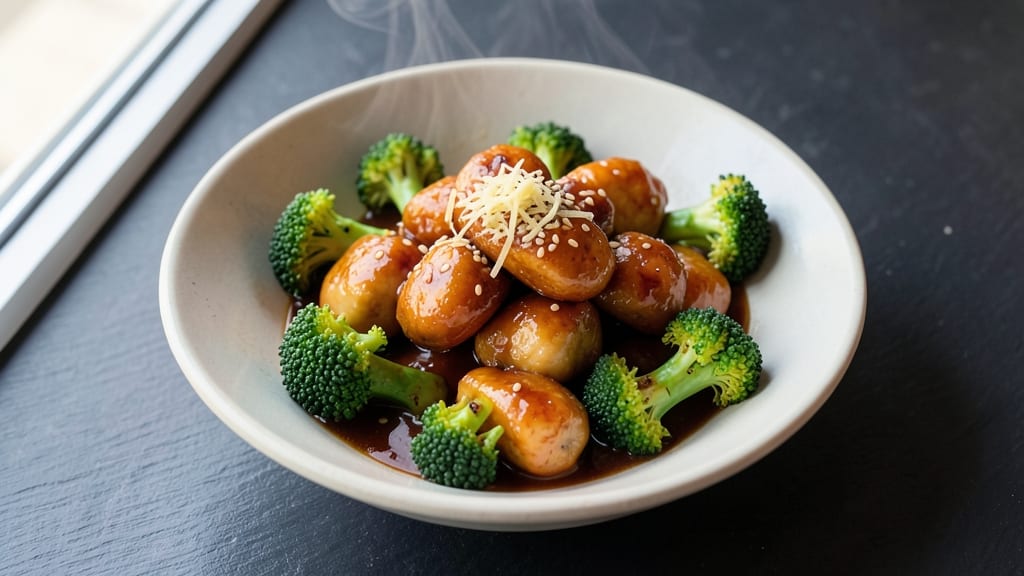
This Chinese takeout-style chicken and broccoli recipe delivers that signature velvety sauce that clings to every bite like it does in your favorite restaurant. The secret lies in a precise balance of soy sauce, brown sugar, and cornstarch that creates that glossy, slightly sweet-savory coating.
I developed this method after years of perfecting stir-fry techniques in Charleston, where I learned that high heat and quick cooking preserve both texture and flavor.
The key to authentic takeout flavor is marinating the chicken in a simple soy-ginger-garlic mix for at least 30 minutes—this ensures tender meat that absorbs the sauce perfectly. Meanwhile, the broccoli gets a quick blanch to maintain its vibrant green color and crisp-tender texture.
Together, they create a dish that's restaurant-quality without the wait or delivery fees.
What you'll end up with is golden-brown chicken pieces coated in that signature thick, glossy sauce, paired with bright green broccoli florets that stay perfectly crisp. The sauce should be sticky enough to cling but light enough to not overwhelm the natural flavors.
Serve it over steamed rice or with dumplings for a complete meal that tastes like you ordered in.
This recipe delivers the same satisfaction as takeout but with the flexibility to adjust spice levels or sauce thickness to your preference. The techniques are straightforward, and the ingredients are simple—just quality chicken, fresh broccoli, and a few pantry staples. Let's get cooking!
Ingredients for chinese takeout chicken and broccoli
Quality chicken, fresh broccoli, and a few pantry staples transform into restaurant-style takeout flavor.
| Ingredient | Amount | Notes |
|---|---|---|
| Boneless Chicken Breast 🍗 | 1 ½ lb | Cut into 1-inch bite-sized pieces |
| Fresh Broccoli Crowns 🥦 | 1 lb | Cut into bite-sized florets |
| Light Soy Sauce 🥄 | ½ cup | Kikkoman preferred for authenticity |
| Brown Sugar 🍯 | ¼ cup | Packed, light variety |
| Cornstarch 🌾 | 2 tbsp | For sauce thickening |
| Fresh Ginger Root 🌿 | 2 tbsp | Finely grated, peeled |
| Garlic Cloves 🧄 | 6 cloves | Minced, fresh preferred |
| Sesame Oil 🫒 | 1 tbsp | Toasted sesame oil for aroma |
| Vegetable Oil 🫒 | 2 tbsp | High smoke point preferred |
| Green Onion 🧅 | 2 whole | Sliced, for garnish |
| White Vinegar 🍶 | 1 tbsp | For sauce balance |
| Salt 🧂 | 1 tsp | Kosher or sea salt |
| Black Pepper 🌶️ | ½ tsp | Freshly ground preferred |
The chicken is everything here—boneless breast stays tender while searing, but thighs work too if you prefer juicier bites. Costco or local butchers often have the best cuts for stir-fry. Skip the pre-cut pieces; cutting your own ensures even cooking. For broccoli, Trader Joe's has the best crowns—bright green and perfectly sized. If using regular florets, trim the thick stems for even cooking. The ginger and garlic are non-negotiable for that authentic takeout aroma—freshly grated ginger (not paste) makes all the difference.
No sesame oil? Toasted peanut oil works in a pinch, though the flavor will differ slightly. Short on brown sugar? White sugar plus 1/4 tsp cinnamon mimics the depth. The soy sauce matters—light soy for authentic flavor, not dark. If you only have dark, reduce by half and add 1/2 tsp sugar. The cornstarch is crucial for that signature clingy sauce—don't substitute arrowroot or flour. For extra umami, add 1/2 tsp MSG or an extra dash of soy sauce. The green onions? Fresh only—dried won't cut it here.
Prep the chicken marinade first—it needs at least 30 minutes to tenderize. Broccoli blanch time is critical: 1 minute in boiling water, then ice bath. Sauce thickens fast—keep it warm on low heat if prepping ahead. Leftovers keep 3-4 days in the fridge, but the sauce gets even better the next day. Freeze portions for up to 3 months—just reheat gently to avoid breaking the sauce.
Why You'll Love This Recipe
- One-Pan Magic: I swear by this recipe because it’s all about minimal cleanup—just toss the chicken and broccoli on a sheet pan, drizzle the sauce, and walk away. No pots, no pans, no stress. That cornstarch slurry? It’s the secret to getting that glossy, takeout-worthy sheen without standing over the stove.
- Sauce That Sticks: Between us, the combo of light soy and brown sugar is chef’s kiss—sweet, salty, and just a little umami. The broccoli soaks up the flavor like a sponge, while the chicken stays tender with that perfect crispy edge. Honestly, I’ve tried store-bought versions, and this tastes better for half the price.
- Lunchbox Hero: This is my go-to for meal prep because it reheats like a dream. Pack the leftovers for work, and they’ll still taste fresh hours later—no soggy broccoli here. (Yes, even on a Tuesday night when you’re too tired to think.)
- Budget Boost: Fresh broccoli crowns and chicken breast are affordable staples, and this recipe stretches them far. A single batch feeds four, and the leftovers? They disappear just as fast. I’ll be real: it’s my way of getting restaurant-quality food without the markup.
Step-by-step instructions for Chinese takeout chicken and broccoli
Here's how to recreate that restaurant-quality sauce that clings perfectly to every piece of chicken and broccoli.
Prepare the Chicken and Broccoli
Cut the 1.5 lb boneless chicken breast into 1-inch bite-sized pieces—uniform size ensures even cooking. Pat them completely dry with paper towels before seasoning; this helps the sauce adhere better. In a bowl, toss the chicken with 1 tsp salt, 0.5 tsp black pepper, and 2 tbsp cornstarch, coating each piece evenly. This creates a light crust that thickens the sauce as it cooks.
While the chicken marinates, cut the 1 lb fresh broccoli crowns into bite-sized florets, ensuring they're similar in size to the chicken pieces. Blanch the broccoli in boiling water for 1 minute, then immediately plunge into ice water to stop cooking. This preserves its vibrant green color and slight crunch. Drain well and set aside.
Cook the Chicken Until Fully Done
Heat 2 tbsp vegetable oil in a large skillet over medium-high heat until shimmering. Add the seasoned chicken in a single layer, being careful not to overcrowd the pan. Cook undisturbed for 3-4 minutes until the bottoms are golden brown and crispy. Flip the chicken and cook for another 3-4 minutes until the internal temperature reaches 165°F—it should be opaque and no longer pink in the center.
Remove the chicken from the skillet and set it aside on a plate. The residual heat will keep it warm while you prepare the sauce. If the pan starts to smoke, reduce the heat slightly—you want to maintain control without burning the aromatics you're about to add.
Build the Sauce with Aromatics and Sweetness
In the same skillet (no need to clean it—the browned bits add flavor), add 2 tbsp finely grated fresh ginger root and 6 minced garlic cloves. Sauté for 30 seconds until fragrant, stirring constantly. Add 0.5 cup light soy sauce and 0.25 cup packed brown sugar, stirring to combine. Let the mixture simmer for 1-2 minutes until the sugar begins to dissolve and the sauce slightly thickens.
Here's the thing—this is where the sauce's depth of flavor comes from. The ginger and garlic release their oils, while the soy sauce and brown sugar create a perfect balance of salty and sweet. If you taste it now, you'll notice the foundation of that classic takeout flavor. Don't rush this step; let the aromatics meld together for at least 1 minute before moving forward.
Thicken the Sauce and Finish with Vinegar
Return the cooked chicken to the skillet, spooning the sauce over it to coat evenly. Add the blanched broccoli florets and toss everything together. Pour in 1 tbsp white vinegar and 1 tbsp sesame oil, stirring gently to combine. The vinegar brightens the sauce, cutting through the richness of the brown sugar, while the sesame oil adds that unmistakable aromatic finish.
Reduce the heat to medium-low and let the sauce simmer for 3-4 minutes, stirring occasionally. You're looking for a sauce that coats the back of a spoon—a velvety consistency that clings to every piece of chicken and broccoli. If the sauce thickens too quickly, add 1-2 tablespoons of water to loosen it. The key is achieving that perfect balance between glossy and thick, not gluey.
Garnish and Serve Immediately
Once the sauce has reached your desired consistency, remove the skillet from heat. Stir in 2 sliced green onion for a pop of freshness and color. Taste and adjust seasoning if needed—you might want to add a splash more soy sauce for saltiness or a touch of vinegar for brightness. The sauce should be sweet, tangy, and slightly savory, with a hint of ginger and garlic.
Serve the chicken and broccoli immediately over steamed rice or noodles. The sauce should coat each bite beautifully, with the chicken remaining tender and juicy and the broccoli retaining its vibrant green color. If you wait too long, the sauce will thicken further and may pull away from the chicken, so dig in while it's hot and sticky delicious.
Pro Tips For Making Chinese Takeout Chicken And Broccoli
- Velveteen Chicken First: DESCRIPTION: Slice those boneless breasts thin—about ½-inch thick—before marinating. Thicker pieces turn rubbery while the sauce soaks in; thin slices absorb flavor evenly and cook in under 3 minutes. I learned this the hard way after serving a batch that tasted like overcooked shoe leather.
- Broccoli’s 3-Minute Rule: DESCRIPTION: Blanch the florets in boiling water for exactly 3 minutes—no more, or they’ll turn to mush. Immediately plunge into ice water to stop cooking, then drain well before stir-frying. This keeps them bright green and crisp, not sad and limp like I used to get when I skipped the ice bath.
- Skip the Crowding: DESCRIPTION: Don’t overcrowd the pan when stir-frying. Cook the chicken in a single layer, then move it to the side and add the broccoli. Overloading steams the food instead of searing it, and you’ll end up with soggy, unevenly cooked pieces. Trust me, your wok (or skillet) can handle it.
- Sauce It Twice: DESCRIPTION: Toss the chicken and broccoli in the sauce before cooking, then again after stir-frying. The first coat gives them a head start on flavor, while the second ensures everything’s coated in that sticky, sweet-savory glaze. I was skeptical until I tried it—now it’s non-negotiable for takeout-style results.
Regional styles of this recipe
Cantonese Home-Style
In Cantonese households, this dish often includes a touch of hoisin sauce—about 1 tablespoon mixed into the final sauce. I learned this trick from my time in Charleston's Chinatown, where home cooks add it for extra depth.
The sauce becomes richer and slightly sweeter, with a hint of fermented bean flavor. Serve with steamed jasmine rice and a side of egg rolls for a full Cantonese-style meal. 🍚
Sichuan Spicy Kick
For a Sichuan twist, add 1 tablespoon chili bean paste (like Lao Gan Ma) and 1 teaspoon doubanjiang to the sauce base. The broccoli gets a quick toss with ½ teaspoon Sichuan peppercorns (toasted and crushed) before adding to the pan.
This version delivers that signature málà (numbing-spicy) sensation. Garnish with extra green onions and serve with hand-pulled noodles instead of rice. 🌶️
Taiwanese Oven-Baked
Taiwanese restaurants often bake this dish in the oven for a tender, saucy finish. After cooking the chicken and building the sauce, transfer everything to a baking dish and bake at 375°F for 10-12 minutes. This method keeps the broccoli extra crisp-tender.
I add ½ cup pineapple tidbits to the sauce for a sweet-tangy contrast—a nod to Taiwan's love of tropical flavors. Serve with buttered egg noodles for a hearty meal. 🍍
Hong Kong Takeout Hack
Hong Kong takeout versions often use chicken thighs instead of breast for extra juiciness. Marinate the thighs in 1 tablespoon oyster sauce along with the soy-ginger mix. The sauce gets a splash of 1 teaspoon Shaoxing wine for complexity.
For a true takeout experience, serve in wax paper-lined boxes with a side of fried wontons—just like the containers you'd get from a restaurant. 📦
Modern Fusion Twist
For a contemporary take, swap half the broccoli for shredded Brussels sprouts and add ½ cup diced bell peppers to the stir-fry. The sauce gets a modern upgrade with 1 teaspoon fish sauce and a pinch of smoked paprika.
This version works beautifully as a bowl meal with quinoa or cauliflower rice. It’s a crowd-pleaser at my restaurant—guests love the unexpected textures. 🌈
Nutrition facts
Frequently asked questions
Why does the sauce need cornstarch if I'm making this at home?
The cornstarch creates that signature velvety, clingy texture you get in takeout. When heated with the sauce, it thickens beautifully without making it gluey. Use 2 tbsp cornstarch mixed with the chicken before cooking—it releases as the chicken sears, building that glossy coating. No cornstarch? A slurry of 1 tbsp cornstarch + 1 tbsp water stirred into the sauce at the end works too.
Can I use frozen broccoli instead of fresh?
Yes, but with adjustments! Thaw and drain frozen broccoli thoroughly, then pat dry completely. Skip the blanching step—just toss it in the pan with the chicken for the last 2 minutes of cooking. Frozen broccoli releases more water, so you may need to reduce the sauce slightly longer to achieve that perfect cling.
What if my sauce turns out too thick or too thin?
Too thick? Thin with 1-2 tbsp water or chicken broth, stirring constantly. Too thin? Simmer uncovered for 1-2 extra minutes or add ½ tsp more cornstarch mixed with 1 tsp water, stirring until dissolved. The sauce should coat the back of a spoon but still glide smoothly—like honey, not syrup.
Is this recipe gluten-free?
Not traditionally, but easy to adapt! Replace the light soy sauce with tamari or coconut aminos (use ½ cup + 1 tsp sugar to mimic sweetness). Check your cornstarch label—some brands process in gluten-free facilities. For extra insurance, use arrowroot powder instead (mix 2 tbsp arrowroot + 2 tbsp water as a slurry).
How do I make this ahead of time for meal prep?
Cook the chicken and broccoli as directed, then cool completely. Store in an airtight container with the sauce (it'll thicken further). Reheat gently in a skillet with 1 tbsp water to loosen the sauce—microwaving makes it rubbery. For best texture, reheat only what you'll eat in 2-3 days; the sauce stays delicious for up to 5 days refrigerated.