
Main Courses
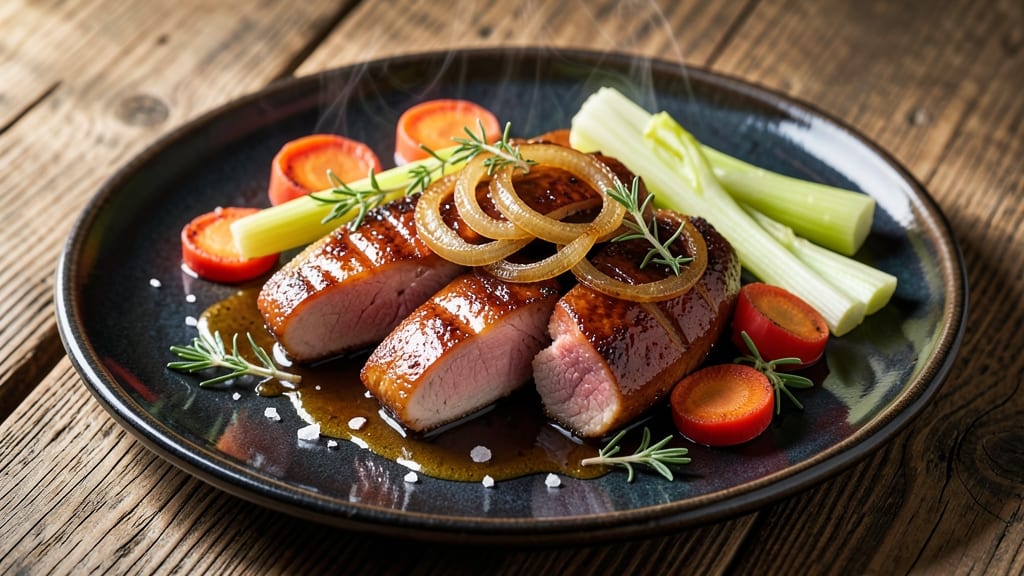
A slow-braised chicken tongue recipe transforms this often-overlooked cut into a tender, melt-in-your-mouth delicacy with rich, gelatinous texture. The key lies in proper preparation—cleaning, scoring, and slow cooking to break down connective tissue while preserving moisture.
I first discovered this technique while researching traditional Southern and Latin American methods, where chicken tongue has long been prized for its luxurious mouthfeel.
This method requires patience but delivers restaurant-quality results at home—no special equipment beyond a heavy pot and oven. The tongue absorbs flavors deeply as it braises, developing a gelatinous center that practically dissolves on the tongue.
Seasoning with aromatic herbs and spices enhances its natural richness, creating a dish that’s both elegant and satisfying.
By the end, you’ll have perfectly tender chicken tongue with a glossy, caramelized exterior and an interior so tender it nearly falls apart. The texture is unlike any other protein—rich, velvety, and deeply flavorful.
Serve it sliced thinly over a bed of greens, paired with crusty bread to soak up the juices, or alongside roasted vegetables for a complete meal.
Modern twists include frying the braised tongue for crispy edges or marinating it in bold sauces before cooking. Whether you stick to tradition or experiment, this dish proves chicken tongue deserves a place at your dinner table. Let’s get started with the full method.
Ingredients for chicken tongue
Four whole chicken tongues and aromatic vegetables create a luxurious, restaurant-worthy dish.
| Ingredient | Amount | Notes |
|---|---|---|
| Whole Chicken Tongues 🍗 | 4 whole | Fresh, cleaned, scored crosswise |
| Yellow Onion 🧅 | 1 whole | Medium size, sliced into wedges |
| Garlic Cloves 🧄 | 6 cloves | Peeled, lightly crushed |
| Carrots 🥕 | 3 whole | Medium, peeled, cut into chunks |
| Celery Stalks 🌿 | 3 whole | Cut into 1-inch pieces |
| Fresh Thyme Sprigs 🌿 | 4 sprigs | Or 1 tsp dried thyme |
| Fresh Bay Leaves 🍃 | 2 whole | Dried if unavailable |
| Dry Red Wine 🍷 | 1 cup | Bold variety like Cabernet Sauvignon |
| Chicken Stock 💧 | 2 cups | Homemade preferred, low-sodium |
| Tomato Paste 🍅 | 2 tbsp | Smooth, not chunky |
| Olive Oil 🫒 | ¼ cup | Extra-virgin for richness |
| Diamond Crystal Kosher Salt 🧂 | 1 ½ tsp | Adjust to taste |
| Ground Black Pepper 🌶️ | ½ tsp | Freshly cracked |
| Allspice Berries 🌶️ | 4 whole | Crushed lightly |
| Fresh Lemon Juice 🍋 | 1 tbsp | From 1/2 lemon |
The chicken tongues are the star—prioritize fresh, whole tongues from specialty butchers or high-end grocers like Whole Foods or D'Agostino's. Look for vibrant color and firm texture; avoid any with a strong odor. Score each tongue crosswise in a diamond pattern to ensure even cooking and flavor penetration. If you can't find fresh, high-quality frozen tongues work too, just thaw them overnight in the fridge. The aromatic vegetables—onion, garlic, carrots, and celery—form the flavor base, so don't skimp on freshness. Trader Joe's often carries pre-trimmed mirepoix, which saves time without sacrificing quality.
No red wine? Substitute with beef stock plus a splash of balsamic vinegar—it mimics the acidity and depth. Fresh thyme and bay leaves can be swapped for dried at one-third the amount, but fresh herbs deliver superior aroma. If tomato paste is unavailable, a handful of sun-dried tomatoes blended with a splash of water works in a pinch. The allspice berries add warmth; if you can't find them, a pinch of ground allspice suffices. For extra richness, add 1/2 cup of heavy cream during the final 30 minutes of braising. The lemon juice brightens the dish—never skip it—but if you're out, a squeeze of orange juice works.
Braised chicken tongue keeps beautifully—3-4 days refrigerated or up to 3 months frozen. For freezing, portion into airtight containers with a thin layer of braising liquid to prevent drying. Reheat gently in the sauce or oven until warmed through. The texture improves with time, so leftovers often taste better the next day. For serving, slice thinly against the grain for maximum tenderness. Pair with crusty bread to soak up the luxurious sauce, or serve over a bed of arugula for a modern twist.
Why You'll Love This Recipe
- One-Pot Magic: I swear by this recipe when I’m too tired to wash pots—just toss the tongues, onions, carrots, and celery into a single pot with water and herbs. The carrots soften perfectly while the tongues simmer into melt-in-your-mouth tenderness.
- Umami Bomb: Between us, chicken tongues have a flavor profile that’s next level—rich, deep, and slightly sweet. The garlic and onions caramelize into a sauce that clings to every bite, making it taste like you slaved over it for hours.
- Potluck Star: Honestly, this dish disappears at gatherings. It’s hearty enough to feed a crowd but still feels special—no one expects chicken tongues, so it’s a conversation starter. Plus, it reheats beautifully for seconds (or thirds).
- Budget Game-Changer: I buy tongues in bulk—they’re cheaper than chicken thighs—and one batch stretches across lunches, sandwiches, and even tacos. The veggies stretch further too, making it my go-to for stretching meals without sacrificing flavor.
Step-by-step instructions for slow-braised chicken tongues
A methodical approach transforms tough chicken tongues into melt-in-your-mouth gelatinous perfection.
Prepare the Chicken Tongues for Braising
Begin by scoring the surface of each of the 4 whole whole chicken tongues crosswise with a sharp knife, making shallow cuts about ¼-inch deep. This creates pathways for the braising liquid to penetrate deeply, ensuring maximum tenderness. Rinse the tongues thoroughly under cold water and pat them completely dry with paper towels—this step is crucial for developing a rich, caramelized crust during braising.
In a large Dutch oven, heat the 0.25 cup olive oil over medium heat until shimmering. Add the tongues in a single layer and sear undisturbed for 3-4 minutes per side until they develop a deep golden-brown crust. Remove the tongues and set them aside on a plate. The reason for this initial sear is to lock in moisture and build flavor through the Maillard reaction before the long braising process begins.
Build the Aromatic Base for Deep Flavor
In the same Dutch oven, add the sliced 1 whole yellow onion, 3 whole carrots cut into chunks, and 3 whole celery stalks cut into 1-inch pieces. Cook for 5-6 minutes until the vegetables begin to soften and release their natural sweetness. Add the 6 peeled, lightly crushed garlic cloves, 4 lightly crushed allspice berries, and the 2 whole fresh bay leaves, stirring for 30 seconds until fragrant.
Stir in the 2 tbsp tomato paste and cook for an additional 1 minute, allowing it to deepen in color and develop a slightly caramelized flavor. This step creates the flavor foundation that will infuse the chicken tongues during the long braising process. Pour in the 1 cup dry red wine and scrape up any browned bits from the bottom of the pot—these contain concentrated flavor that would otherwise be lost.
Braise Until Fork-Tender
Return the seared chicken tongues to the Dutch oven. Add the 2 cups chicken stock, ensuring the tongues are completely submerged. Sprinkle with the 1.5 tsp diamond crystal kosher salt and 0.5 tsp ground black pepper, then bring the liquid to a gentle simmer. Cover the pot tightly with a lid and reduce heat to low. Here's the key: braise for 3-4 hours, maintaining a steady simmer rather than a rolling boil.
Check the tongues after 2 hours—they should be beginning to pull away from the bones and become fork-tender. If they're not quite there yet, continue braising for another 30-60 minutes. The liquid should reduce significantly, creating a rich, gelatinous sauce that coats the tongues. This slow cooking process breaks down collagen into gelatin, transforming tough muscle into luxurious, melt-in-your-mouth texture.
Finish with Acid and Rest
Once the tongues are fork-tender and the sauce has thickened to a glossy consistency, remove the pot from heat. Stir in the 4 sprigs fresh thyme and 1 tbsp fresh lemon juice. The acidity brightens the rich flavors and cuts through the natural richness of the tongues. Let the mixture rest off the heat for 10 minutes, allowing the flavors to meld completely.
Carefully transfer the chicken tongues to a serving platter, reserving the braising liquid. The tongues should be glossy and gelatinous, with a deep brown color that indicates proper development. Serve immediately with the reduced braising sauce spooned over the top, or allow them to cool slightly before slicing crosswise for presentation. The result is a dish that delivers both luxurious texture and complex flavor in every bite.
Pro Tips For Making Chicken Tongue
- Score the Tongues First: Grab a sharp knife and make 3-4 deep cuts along each side of the tongue before cooking—this lets the seasoning penetrate and prevents the center from staying rubbery. Trust me, your future self will thank you when you take that first bite.
- Simmer Low and Slow: After browning, drop the heat to a gentle simmer (around 160°F) and let those tongues cook for 1.5–2 hours. Rushing this turns them into chewy rubber bands, and no one wants that. Patience here is your best friend.
- Don’t Crowd the Pan: Brown the tongues in batches—overcrowding steams them instead of searing. Leave space so they develop that golden crust (yes, even if it looks messy). A nonstick pan works best here, but don’t skip the oil.
- Sweat the Veggies: Mince the garlic and finely chop the celery and carrots, then cook them in butter before adding the tongues. This builds flavor depth—your tongue will taste the difference, and it takes less than 10 minutes. (I used to skip this step and wonder why my dish lacked punch.)
Common mistakes when making this recipe
Skipping the Sear
One of the biggest mistakes is skipping the initial sear entirely. Without browning the tongues first, you miss out on the Maillard reaction, which builds deep, caramelized flavors. I’ve seen home cooks rush this step, and the result is pale, bland tongues that lack the rich, glossy finish.
Always take the time to sear each side for 3-4 minutes—it’s worth the extra minutes. 🔥
Insufficient Scoring
Many recipes call for scoring the tongues, but beginners often make shallow or inconsistent cuts. Proper scoring should be ¼-inch deep in a diamond pattern to ensure even cooking and maximum flavor penetration.
I’ve had tongues come out tough in the center because the cuts were too light. Use a sharp knife and make confident, consistent cuts.
Boiling Instead of Simmering
The braising liquid must simmer gently—never boil vigorously. A rolling boil can cause the tongues to toughen and shrink rather than tenderize. Maintain a steady low simmer throughout the 3-4 hour process. I recommend using a thermometer to keep the temperature between 180-200°F for best results.
Overcrowding the Pot
Packing too many tongues into the Dutch oven leads to uneven cooking and steaming instead of braising. The tongues need room to develop a crust and absorb flavors properly.
For 4 tongues, use a pot that’s at least 6-quart capacity. If your pot is smaller, braise in batches to avoid crowding.
Ignoring the Resting Time
After braising, many cooks rush to slice and serve immediately. The tongues need 10-15 minutes to rest off the heat, allowing juices to redistribute and the texture to set properly.
Skipping this step results in dry, stringy slices. I always cover the tongues with foil and let them rest while I prepare sides or garnishes.
Using Low-Quality Stock
Store-bought chicken stock often contains preservatives or excessive salt, which can overpower the delicate flavors of the tongues. I recommend using homemade stock or high-quality low-sodium options like Pacific Foods or Kitchen Basics. The difference in flavor is noticeable—homemade stock adds depth that canned versions simply can’t match.
Nutrition facts
Frequently asked questions
Why do chicken tongues need scoring before cooking?
Scoring creates ¼-inch deep channels that allow braising liquid to penetrate deeply, ensuring even cooking and maximum tenderness. The diamond pattern also helps develop a better texture by preventing the surface from becoming too tough. Without scoring, the outer layer can stay chewy while the inside remains undercooked.
Can I use frozen chicken tongues instead of fresh?
Yes, but thaw them properly first! Place frozen tongues in the refrigerator overnight for even thawing. Never use cold tongues directly from the freezer—they'll cook unevenly. For best results, pat them completely dry before searing to ensure a proper crust forms during braising.
How do I know when chicken tongues are fully cooked?
They're done when they're fork-tender and pull away easily from the bone. The center should be gelatinous rather than rubbery. If testing with a fork, the meat should offer minimal resistance. Braising time varies by size, but most 3-4 pound tongues need 3-4 hours at a gentle simmer.
What's the best way to serve braised chicken tongues?
Slice them thinly against the grain for maximum tenderness. Serve with the reduced braising sauce spooned over the top, alongside crusty bread to soak up the juices, or over a bed of arugula for a modern presentation. For a complete meal, pair with roasted root vegetables or a simple green salad.
Can I make this recipe in a slow cooker?
Sear the tongues first, then transfer everything to your slow cooker. Use the low setting for 6-8 hours instead of 3-4 hours on the stovetop. The low-and-slow method works perfectly for developing that signature gelatinous texture. Just check occasionally to ensure the liquid doesn't reduce too quickly.