
Sauces & Condiments
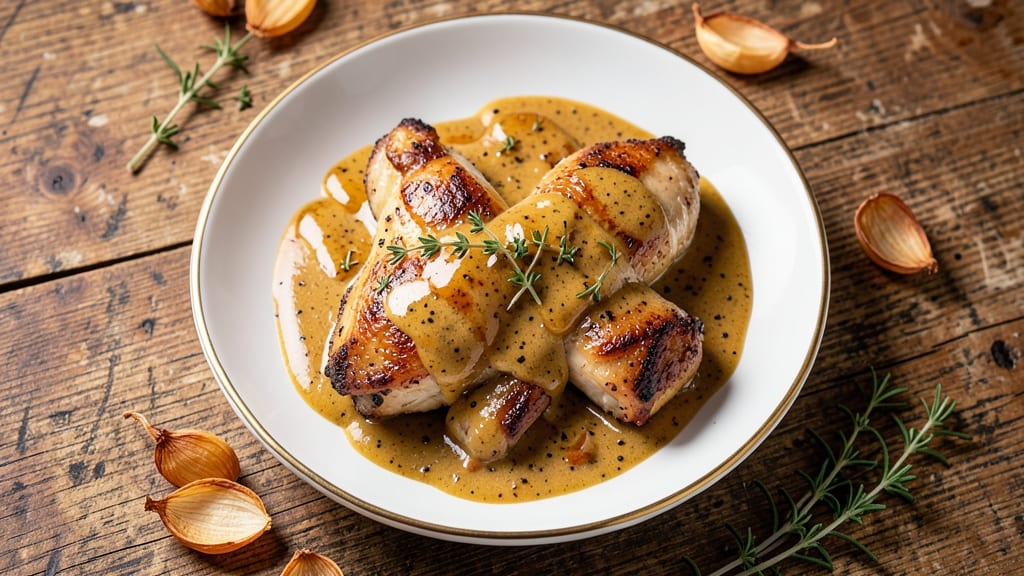
Mastering chicken thighs with creamy mustard sauce transforms weeknight dinners into restaurant-quality meals with minimal effort. The secret lies in pan-searing the thighs until golden and crispy while developing a velvety mustard sauce that balances tangy depth with rich creaminess.
This technique became my go-to after years of perfecting the balance between crispy skin and tender meat—now I'm sharing it with you.
The process begins with properly seasoned thighs, cooked low and slow to render fat while maintaining juiciness. Meanwhile, the sauce simmers on the stovetop, combining Dijon mustard, heavy cream, and a touch of honey for that signature tangy-sweet harmony.
What sets this apart is how the sauce reduces just enough to coat the chicken without overwhelming its natural flavor—every bite delivers crispy edges, tender meat, and a luxurious drizzle of sauce.
By the time you plate these thighs, you'll have a dish that's elegant yet approachable—perfect for family dinners or impressing guests. The sauce clings beautifully to the chicken, creating a visual and textural contrast that makes each bite satisfying.
Serve with roasted vegetables or crusty bread to soak up every last drop of that creamy mustard goodness.
This recipe delivers professional results with simple techniques—no special equipment required beyond a sturdy skillet and patience for the sauce to develop. The key is timing: crisp the chicken first, then finish with the sauce to lock in those flavors. Let's get cooking!
Ingredients for chicken thighs with creamy mustard sauce
Fourteen ingredients. One skillet. Restaurant-quality weeknight dinner in under 30 minutes.
| Ingredient | Amount | Notes |
|---|---|---|
| Bone-In Chicken Thighs 🍗 | 1 ½ lb | Skin-on, trimmed of excess fat |
| Unsalted Butter 🧈 | ½ cup | Cold, cut into 1-inch cubes |
| Dijon Mustard 🍯 | ¼ cup | High-quality, smooth texture |
| Heavy Cream 🥛 | ¾ cup | Full-fat for richness |
| Honey 🍯 | 1 tbsp | Wildflower preferred |
| Fresh Thyme Leaves 🌿 | ¼ cup | Or 1 tsp dried thyme |
| Garlic Cloves 🧄 | 3 cloves | Minced, fresh preferred |
| Kosher Salt 🧂 | 1 ½ tsp | Divided usage |
| Ground Black Pepper 🌶️ | ½ tsp | Freshly ground |
| All-Purpose Flour 🌾 | 1 tbsp | For sauce thickening |
| Fresh Lemon Juice 🍋 | 1 tbsp | Brightens the sauce |
| Extra-Virgin Olive Oil 🫒 | 1 tbsp | For skillet preheating |
The chicken thighs make or break this. Bone-in, skin-on is non-negotiable—the skin crisps beautifully and renders fat that keeps the meat juicy. Trader Joe's and Costco sell great pre-portioned packs, but if you're buying whole, look for thighs with good marbling. I always trim excess fat from the edges before seasoning—just enough to leave a thin layer for flavor. For the best results, let the thighs sit at room temperature for 20 minutes before cooking (that's when they crisp up properly).
No Dijon mustard? Whole-grain mustard works in a pinch, but it'll be grittier. The honey can be swapped for maple syrup if you're avoiding refined sugar, though it'll taste slightly different. Heavy cream is key here—half-and-half won't give the same richness, but it'll work if that's all you've got. Fresh thyme is ideal, but dried at one-third the amount gets you close. The flour is just for thickening the sauce, so don't skip it—it gives that velvety texture. And that lemon juice? Freshly squeezed makes all the difference (store-bought is fine, but it's weaker).
This sauce reheats beautifully—just warm it gently with a splash of water or cream to loosen it. The chicken stays crispy for about 2 days in the fridge, but the sauce gets even better after a night in the fridge as flavors meld. Portion the sauce separately if you're freezing—it keeps for 3 months. I always make extra sauce because it's perfect for drizzling over roasted veggies or eggs the next day (trust me on that).
Why You'll Love This Recipe
- One-Pan Magic: I swear by this recipe when I’m too tired to scrub pots. Bone-in thighs crisp up in the oven while the sauce simmers—just one sheet pan, one spatula, and zero stress. The butter and mustard melt together effortlessly, so you’re not stuck stirring or flipping.
- Honey-Mustard Magic: That balance of tangy Dijon and sweet honey? It’s ridiculously good. The sauce clings to the thighs like a hug, and the crispy skin contrasts perfectly with the creamy, slightly spicy bite. Honestly, I’ve tried store-bought versions, and this tastes like a restaurant dish.
- Leftovers for Days: Between us, this recipe makes way more than I need for dinner. The sauce thickens beautifully when reheated, so I portion it out for lunches or toss it with pasta later. My freezer’s always stocked with these—because who wants to cook twice?
- Budget-Friendly Luxury: Bone-in thighs are cheaper than breasts, and the ingredients? Basic but elevated. Heavy cream and butter feel indulgent, but you’re not breaking the bank. It’s the kind of meal that makes you feel fancy without the grocery bill to prove it. (Yes, even on a Tuesday night.)
Step-by-step instructions for chicken thighs with creamy mustard sauce
Here's how to create golden-brown chicken thighs with a velvety mustard sauce that's rich yet light.
Season and Sear the Chicken Thighs
Pat the 1.5 lb bone-in chicken thighs dry with paper towels—this is crucial for crispy skin. In a small bowl, mix 1 tsp kosher salt and 0.25 tsp ground black pepper. Rub this evenly over both sides of the chicken thighs, including the skin. Let them sit at room temperature for 15 minutes while you prep the pan.
Heat a large skillet over medium-high heat and add 1 tbsp extra-virgin olive oil. Once the oil shimmers, add the chicken thighs skin-side down. Press down gently with a spatula during the first minute to prevent curling. Cook undisturbed for 5-6 minutes until the skin is golden brown and crispy, and the chicken releases easily from the pan. Flip and cook the other side for 4-5 minutes until golden and cooked through (internal temperature should reach 165°F). Transfer to a plate and tent loosely with foil to keep warm.
Make the Mustard-Honey Base
Reduce the heat to medium and add 0.25 cup dijon mustard and 1 tbsp honey to the same skillet. Stir for 1-2 minutes until the mustard starts to bubble and the honey dissolves into the pan juices. Here's the thing—don't rush this step. The mustard needs time to develop its tangy depth.
Add 3 minced garlic cloves and cook for 30 seconds until fragrant. Immediately pour in 0.75 cup heavy cream and stir vigorously. The mixture will bubble vigorously—this is normal. Let it simmer for 2-3 minutes until slightly thickened. If the sauce starts to curdle, reduce the heat slightly and stir constantly until smooth. This is where the sauce builds its creamy foundation.
Finish with Thyme and Lemon
Sprinkle 0.25 cup fresh thyme leaves and the remaining 0.5 tsp ground black pepper into the sauce. Stir for 30 seconds to allow the thyme to release its aromatic oils. Then add 1 tbsp fresh lemon juice and 1 tbsp all-purpose flour, whisking constantly to incorporate. The sauce should begin to thicken noticeably—if it's too thick, whisk in 1-2 tablespoons of water to reach a velvety consistency.
Return the chicken thighs to the skillet, spooning sauce over the top. Let everything simmer together for 1-2 minutes, allowing the chicken to absorb the flavors. The sauce should coat the back of a spoon with a glossy sheen. Taste and adjust seasoning with additional kosher salt if needed—this is your chance to balance the tangy mustard with richness.
Serve Immediately
Transfer the chicken thighs to a serving platter and drizzle generously with the remaining sauce. The skin should be crispy and golden, while the meat remains juicy and tender. Serve immediately with steamed vegetables, mashed potatoes, or crusty bread to soak up that creamy sauce.
Real talk: This dish tastes even better the next day when the flavors meld, but the sauce thickens as it cools. If you need to reheat, warm gently in a saucepan with a splash of heavy cream to restore its velvety texture. Each bite delivers crispy skin, tender meat, and that perfect balance of sweet, tangy, and creamy flavors.
Pro Tips For Making Chicken Thighs With Creamy Mustard Sauce
- CRISP THIGH SKIN FIRST: Pat those thighs bone-dry with paper towels before searing—wet skin won’t crisp, and you’ll end up with sad, greasy skin instead of golden, shatterable crust. I used to skip this, and the sauce would just cling like glue to soggy skin. Trust me, the 30-second dry-off is worth it.
- WHISK THE SAUCE HOT: Warm your heavy cream and Dijon mustard together before adding butter—this prevents clumping like a science experiment gone wrong. I learned this after watching my sauce turn into a greasy blob. A quick 30-second simmer on low heat keeps everything smooth.
- SALT THE CREAM: Taste that heavy cream before you pour it into the sauce—it’s bland, and you’ll need to add salt later. My grandmother swore by this, and she was right: a pinch of salt in the cream upfront cuts down on last-minute seasoning guesswork.
- HONEY LAST MINUTE: Stir in the honey right before serving—it burns faster than you’d think. I used to add it early for "even distribution," but it’d turn the sauce bitter. A quick drizzle at the end keeps that sweet, glossy finish without risking scorching.
Pro cooking tips for great chicken thighs with creamy mustard sauce
Skin Perfection
For crispy skin that won't disappoint, start with room-temperature thighs—this prevents moisture from steaming the skin during cooking. I swear by patting them bone-dry with paper towels before seasoning, even if it seems excessive.
The secret weapon? Cold butter cubes—add them to the hot skillet with the chicken after the initial sear. As they melt, they baste the skin from within, creating a golden, shatteringly crisp crust. 🔥
Never skip pressing down with a spatula during the first minute—this flattens the skin against the pan and prevents curling. I use a heavy Lodge cast iron skillet (10-inch) because it retains heat like a dream, but any oven-safe skillet works.
If your chicken curls up, gently press it back down with a second spatula—patience here makes all the difference.
Sauce Mastery
The mustard sauce needs gentle heat to develop properly—too much aggression causes curdling. I always reduce the heat to medium before adding the cream, and I whisk constantly during the first minute to prevent lumps.
The moment you see the sauce thicken slightly, that's when you know it's ready to accept the thyme and lemon. Pro tip: If your sauce curdles, immediately reduce heat to low and whisk in 1 tbsp cold cream to stabilize it.
For that velvety finish, I finish the sauce with fresh lemon juice and a pinch of flour—this isn't just thickening, it's brightening the flavors. The flour should dissolve completely, so whisk vigorously.
If the sauce is too thick after adding flour, a splash of warm water (not cold) restores the perfect consistency without thinning the flavor.
Timing Tricks
Cook the chicken thighs skin-side down first—this is non-negotiable for crispiness. Once flipped, they only need 4-5 minutes on the second side. The key is internal temperature: pull them when they hit 165°F in the thickest part.
If you're unsure, use a meat thermometer—I recommend the ThermoWorks Smoke for accuracy. 🌡️
While the chicken rests, use that time to deglaze the pan with the mustard and honey. This captures all those crispy bits that would otherwise go to waste.
Those bits are flavor gold—don't miss out! The sauce should simmer for no more than 5 minutes total after adding the cream, or it risks separating.
Equipment Essentials
Your skillet choice matters—cast iron is ideal, but stainless steel works too. Avoid nonstick unless you're in a hurry, as it won't brown the chicken as well. I keep a 10-inch Lodge skillet in my kitchen 24/7 because it's my go-to for everything from searing to sauces.
For whisking the sauce, a balloon whisk gives better control than a regular whisk, especially when dealing with hot cream.
If you're short on time, broil the chicken for the last 2 minutes after adding the sauce—this crisps the skin without overcooking the meat. Just watch it like a hawk to avoid burning.
For extra flavor, I sometimes add 1 tsp apple cider vinegar to the sauce when deglazing—it cuts through the richness beautifully.
Nutrition facts
Frequently asked questions
Can I use boneless chicken thighs instead of bone-in?
Boneless thighs will cook faster—about 3-4 minutes per side instead of 5-6. The skin will still crisp beautifully, but reduce the cooking time by 1-2 minutes total to avoid overcooking. Just monitor closely for 165°F internal temp. The sauce recipe remains identical, so the creamy mustard will still cling perfectly to the meat.
What if my mustard sauce curdles?
Don't panic! Immediately reduce heat to low and whisk in 1 tablespoon cold heavy cream to stabilize it. If that doesn't work, whisk in 1 teaspoon cornstarch mixed with 1 tablespoon water until smooth. The sauce should recover completely—this happens when heat gets too aggressive before the cream stabilizes.
Can I make this ahead of time?
Yes! Cook the chicken thighs fully, then refrigerate them separately from the sauce. Reheat the thighs in a 350°F oven for 10-12 minutes until crispy again. Warm the sauce gently on the stove with a splash of cream—it'll thicken as it cools, so add 1-2 tablespoons water if needed. The flavors actually improve overnight as they meld.
What's the best way to store leftovers?
Store chicken and sauce separately in airtight containers for up to 3 days in the fridge. For longer storage, freeze the sauce alone for 3 months—it reheats beautifully with a splash of cream. Thaw overnight in the fridge before reheating. The chicken stays crispy for 2 days if wrapped tightly in foil (not plastic).
Can I substitute Greek yogurt for heavy cream?
You can try, but the texture will be thinner and less rich. For best results, use half-and-half—it's lighter than heavy cream but still gives a velvety finish. If you must use yogurt, mix it with 1 tablespoon melted butter to improve body. The sauce will be tangier, so reduce lemon juice to 0.5 tablespoon to balance flavors.