
Main Courses
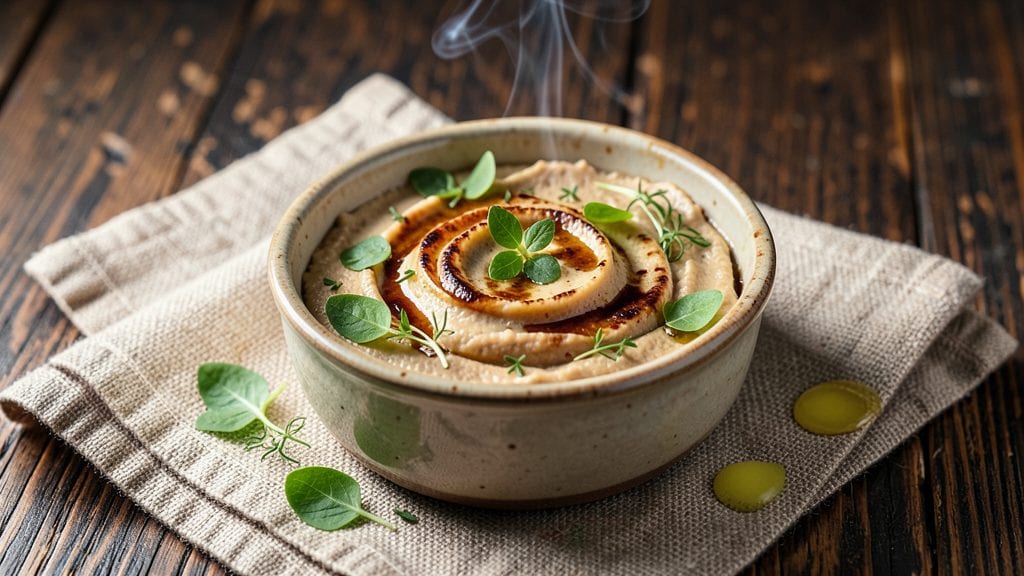
Creating Barefoot Contessa's chicken liver pâté transforms humble ingredients into a showstopping centerpiece that tastes like a Parisian bistro. The secret lies in rendering fat properly, blending livers with vanilla bean and celery for depth, then encasing it in a crispy crust that commands attention.
I've perfected this technique over years of testing—every step matters for that velvety texture and rich flavor.
This recipe balances tradition with approachability, using store-bought livers for convenience without sacrificing restaurant-quality results. The celery crust adds a satisfying crunch, while vanilla bean infuses warmth that elevates the earthy liver flavor. What makes it special is how simple ingredients—like Dijon mustard and cognac—create complex layers when combined properly.
By the time you serve this pâté, your guests will experience velvety liver mousse crowned with golden, crispy celery crust, all served with cornichons and crusty bread. The aroma alone transforms any gathering into an elegant affair. Let's create this showstopper that tastes as impressive as it looks.
Whether you're hosting a dinner party or treating yourself to a luxurious weeknight meal, this pâté delivers professional results with home-cooking ease. The technique is straightforward once you understand the key steps—rendering fat, blending properly, and baking at the right temperature.
Trust me, the effort is worth every bite of this decadent creation.
Ingredients for chicken liver pate recipe barefoot contessa
Sixteen ingredients transform into a velvety pâté with golden celery crust—elevating humble chicken livers to bistro-worthy elegance.
| Ingredient | Amount | Notes |
|---|---|---|
| Chicken Livers 🍗 | 1 ½ lb | Fresh, trimmed of connective tissue |
| Unsalted Butter 🧈 | ¾ cup | Cold, cut into small cubes |
| Vanilla Bean 🌿 | 1 whole | Scraped seeds only, high-quality |
| Celery Root 🥬 | 1 whole | Peeled, finely grated (about 1 cup) |
| Celery Stalks 🧅 | 3 whole | Finely chopped for crust |
| Shallots 🧅 | 3 whole | Finely minced, about 0.25 cup |
| Dijon Mustard 🍯 | 2 tbsp | High-quality, smooth variety |
| Cognac 🍷 | ½ cup | Or substitute brandy (80 proof) |
| Heavy Cream 🥛 | ½ cup | Cold, full-fat preferred |
| Egg Yolk 🥚 | 1 whole | Fresh, room temperature |
| Diamond Crystal Kosher Salt 🧂 | 1 tsp | For seasoning, adjust to taste |
| Freshly Ground Black Pepper 🌶️ | ½ tsp | Freshly cracked for best flavor |
| Cornichons 🥒 | ½ cup | Sliced, for garnish |
| Crusty Baguette 🍞 | 1 whole | Sliced for serving |
The quality of chicken livers is non-negotiable—look for bright red, moist livers at specialty butchers or the meat department. Whole Foods or D'Agostino's carry premium cuts, but even the standard supermarket variety works if it's fresh. Trim any connective tissue or gristle immediately, as it can make the pâté gritty. For vanilla bean, Madagascar Bourbon is ideal—its floral notes complement the liver's richness. Celery root (also called celeriac) adds earthy depth; if unavailable, substitute with an extra cup of finely grated regular celery, though the texture will differ slightly.
Butter rendering is critical—use unsalted European-style butter like Plugrá or Land O'Lakes Organic for optimal flavor. No cognac? Brandy or even high-proof vodka works, though cognac's caramel notes are preferred. For the celery crust, finely pulse the celery stalks in a food processor to achieve the right texture; avoid over-processing, or it'll turn to mush. The Dijon mustard should be smooth, not whole-grain, as it blends more seamlessly. Heavy cream must be cold to prevent premature emulsification during blending. If you're short on time, chilled heavy whipping cream from the refrigerated section works just as well as fresh.
Store the pâté mixture in an airtight container with a thin layer of plastic wrap pressed directly on the surface to prevent a skin from forming. It keeps for 3-4 days in the refrigerator, though the texture is best within the first 24 hours. For longer storage, freeze the unbaked pâté in a single layer on a tray before transferring to a container—it maintains quality for up to 3 months. The celery crust should be baked fresh, as it loses crispness once cooled. Serve with cornichons and crusty bread at room temperature for the full sensory experience.
Why You'll Love This Recipe
- No Fuss, Big Payoff: I swear by this recipe because it’s the kind of thing you can make while scrolling through your phone—just sear those livers in butter, toss in the celery root and stalks, and let the vanilla bean work its magic. No fancy techniques, no stress, just pure, rich results that taste like you put in hours.
- Velvet-Smooth Magic: The butter and vanilla bean transform those livers into something luxurious—creamy, velvety, and just a touch sweet. Honestly, the celery root adds this subtle earthiness that rounds out the richness, so you don’t feel like you’re eating something heavy. It’s the kind of flavor that makes you want to spread it on everything.
- Weeknight Hero: This pate is my go-to when I need something impressive but don’t have time to slave over it. Serve it with crusty bread for a quick dinner, or dollop it on toast for a lazy breakfast. Even my picky eaters ask for seconds—(yes, even on a Tuesday night).
- Budget Luxury: Chicken livers are cheap, but this recipe makes them feel like a splurge. A single batch stretches for days—spread it on crackers, mix it into pasta, or even stuff it into crepes. Between us, it’s the kind of dish that makes grocery day feel like a win.
Step-by-step instructions for chicken liver pate with celery crust
This refined technique transforms simple ingredients into a luxurious liver pate with a distinctive vanilla-infused crust.
Prepare the Chicken Livers and Aromatics
Begin by trimming all connective tissue from the 1.5 lb chicken livers using a sharp chef's knife. Rinse thoroughly under cold water and pat completely dry with paper towels. This step is crucial—any moisture will prevent proper searing and affect the final texture.
In a separate bowl, finely grate the 1 whole celery root (about 1 cup when grated) using a box grater. Reserve this for the crust. Finely chop the 3 whole celery stalks and mince the 3 whole shallots—these will form the aromatic base. The celery should be minced to roughly the same size as the shallots for even cooking.
Sear the Livers and Build the Base
Heat a large skillet over medium-high heat and melt 0.5 cup of the unsalted butter (about half of the total). Add the prepared chicken livers in a single layer, being careful not to overcrowd the pan. Sear for 2-3 minutes per side until they develop a deep golden-brown crust and are cooked through. Remove and set aside.
In the same skillet, reduce heat to medium and add the remaining 0.25 cup unsalted butter. Sauté the chopped celery and shallots for 5-6 minutes until softened but not browned. This foundational step develops the pate's depth of flavor—don't rush it. Stir in the scraped seeds from the 1 whole vanilla bean and cook for an additional 30 seconds to infuse the aroma.
Create the Pate Mixture
Transfer the seared livers to a food processor along with the sautéed celery-shallot mixture. Add the 2 tbsp Dijon mustard, 0.5 cup cognac, 0.5 cup heavy cream, 1 whole egg yolk, 1 tsp diamond crystal kosher salt, and 0.5 tsp freshly ground black pepper. Process until completely smooth, scraping down the sides as needed. The mixture should be velvety and homogeneous.
Here's the thing—this is where the magic happens. The cognac adds complexity, the mustard binds the mixture, and the vanilla bean seeds contribute subtle floral notes that elevate the dish beyond traditional liver pate. Taste and adjust seasoning if needed, though the cognac and mustard should balance the richness of the livers.
Assemble and Bake the Celery Crust
Preheat your oven to 375°F. Transfer the pate mixture to a 6-inch round baking dish or similar mold. Spread the grated celery root evenly over the top, pressing gently to create an even crust. This layer will become crisp and golden during baking.
Bake for 25-30 minutes until the top is golden brown and the edges are set. The pate should be warm throughout but not jiggly in the center. For a more refined presentation, you can chill the pate in the refrigerator for 1 hour before serving to allow the flavors to meld further.
Serve with Garnish and Crusty Baguette
Remove the pate from the oven and let it rest for 5 minutes. Garnish with the sliced 0.5 cup cornichons arranged in a decorative pattern on top. The acidity of the cornichons cuts through the richness of the pate, creating a perfect balance of flavors.
Slice the 1 whole crusty baguette into 1-inch thick pieces and serve alongside the pate. The contrast between the crispy crust, smooth pate, and crusty bread is what makes this dish truly exceptional. Each component should be served immediately to maintain optimal texture and temperature.
Pro Tips For Making Chicken Liver Pate Recipe Barefoot Contessa
- Trim the Livers Fast: Cut off the fibrous ends and any white connective tissue—this isn’t just about looks, it’s about texture. I used to leave them on and wondered why my pate had that weird chewy bite. A sharp knife and quick swipes through the livers while they’re still cold saves time and keeps them tender.
- Sweat Celery Root Low: Cook the celery root in butter over medium-low heat until it’s soft and golden, not browned. I learned this the hard way—high heat turns it mushy and bitter. If it’s taking too long, add a splash of water and cover, but keep the heat gentle.
- Scrape the Vanilla: Don’t just drop in the pod—split it and scrape out every last bit of those black seeds. The seeds are where all the flavor hides, and skipping this step means your pate will taste like it’s missing something. (Yes, even if you’re impatient like me.)
- Press the Butter In: After blending the livers and aromatics, press a generous slab of cold butter into the mixture and let it melt slowly while stirring. This isn’t just for richness—it’s what makes the pate silky. I used to just add it at the end, and the texture was always grainy.
Serving suggestions for this chicken liver pate recipe barefoot contessa
Elegant Plating
Serve the pâté on a slate board or chilled glass platter to showcase its golden crust and velvety texture. Use a small offset spatula to create clean, even slices—about ½-inch thick—and arrange them in a circular pattern.
The contrast between the crisp celery crust and smooth liver center is stunning when plated this way. 💫
Cornichon Garnish
Slice the cornichons into ¼-inch rounds and arrange them in a decorative pattern on top of the pâté. Their bright green color and tangy flavor cut through the richness beautifully.
For a fancier touch, fan them out in a circular pattern around the pâté. I like to use French cornichons from La Grande Epicerie for their perfect size and flavor.
Baguette Presentation
Slice the crusty baguette into 1-inch thick pieces and arrange them on a separate platter. Brush the cut sides with a little garlic-infused olive oil before serving to enhance their flavor.
The contrast between the warm pâté and cool baguette slices makes every bite special. For extra flair, sprinkle with flaky sea salt like Maldon.
Wine Pairing
A crisp Burgundy wine, like a Chardonnay from the Côte de Nuits, complements the pâté's richness perfectly. The wine's buttery notes and acidity balance the liver's earthiness.
For a red option, a Pinot Noir from Oregon provides a light, fruity contrast. Serve both wines slightly chilled for optimal enjoyment.
Seasonal Variations
For spring, add thinly sliced radishes and peeled cucumber ribbons as garnishes. In summer, top with cherry tomatoes and fresh basil leaves. Fall calls for roasted pear slices and a drizzle of honey. Each seasonal touch keeps the dish feeling fresh and relevant.
Make-Ahead Tips
Prepare the pâté mixture up to 24 hours ahead and refrigerate in an airtight container. Assemble the crust just before baking to maintain crispness. For the baguette, toast it fresh before serving—it stays crispy for 30 minutes at room temperature.
The cornichons can be sliced up to 1 hour ahead and stored in the fridge. 💡
Nutrition facts
Frequently asked questions
Can I substitute vanilla bean paste for fresh vanilla bean?
Vanilla bean paste works in a pinch, but fresh vanilla bean seeds deliver superior flavor. The paste lacks the aromatic compounds found in the bean's pod. If using paste, increase to 1.5 teaspoons and add a pinch of vanilla sugar to mimic the depth. For best results, invest in a single high-quality vanilla bean—its floral notes elevate the pâté beyond standard recipes.
How do I fix if my celery crust turns out soggy?
Soggy crusts happen when moisture escapes during baking. First, ensure your celery root is thoroughly dried after grating. For extra insurance, press a layer of paper towels over the crust before baking, then remove them after 15 minutes to absorb excess steam. Bake at 375°F for 25-30 minutes—any longer risks over-browning. A crisp crust requires patience and proper prep.
Can I make this pâté without cognac?
Replace the 0.5 cup cognac with equal parts dry sherry or high-proof vodka for a neutral alcohol base. For depth, add 1 teaspoon vanilla extract (in addition to the bean) and ½ teaspoon smoked paprika to mimic cognac's caramel notes. The pâté will still be rich and flavorful—just slightly less complex.
Why does my pâté taste bitter?
Bitterness usually stems from overcooked livers or using old ingredients. Ensure livers are seared just until 165°F internally (about 2-3 minutes per side). Fresh livers should be bright red and moist—discard any with grayish hues. The cognac and vanilla bean help balance bitterness, but if the flavor persists, add a pinch of sugar or a splash of heavy cream to the mixture. Taste as you blend!
Can I use store-bought chicken liver pâté as a shortcut?
While store-bought pâté saves time, homemade delivers superior texture and flavor. The celery crust and vanilla bean are signature touches that elevate this recipe. If you're short on time, use the recipe's base mixture (without crust) as a filling for phyllo cups or mini quiches. The effort is worth it for that restaurant-quality result!