
Side Dishes
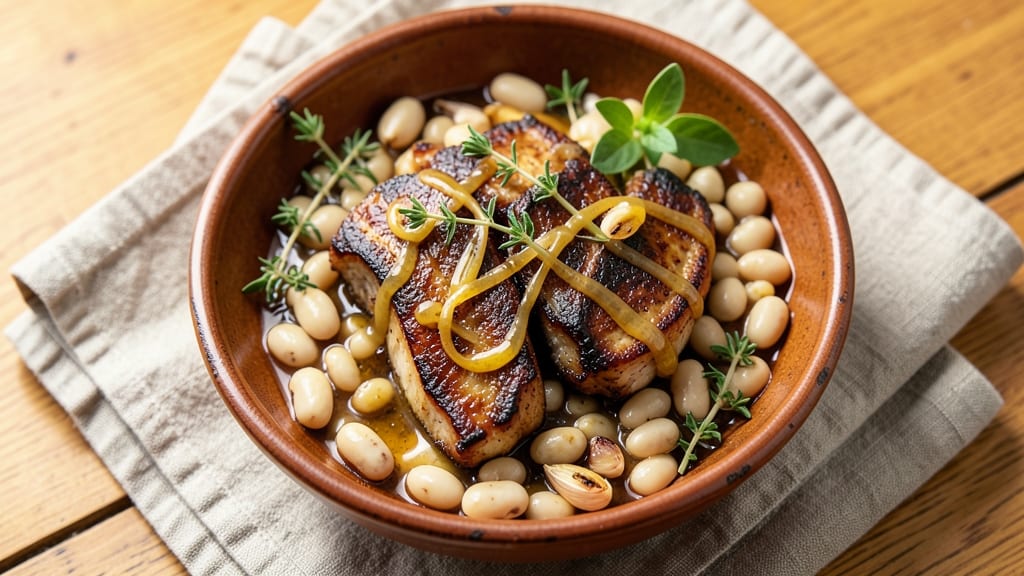
This chicken liver and beans recipe transforms humble ingredients into a deeply satisfying dish with layers of umami and texture—something I perfected while working with offal in Charleston’s seafood markets.
The secret lies in proper preparation: searing the livers until just golden creates a rich, caramelized crust that melts into tender meat, while the beans simmer into a thick, flavorful base. My version keeps it simple but professional, delivering restaurant-quality results without fuss.
What makes this recipe stand out is the balance of techniques: quick searing for the livers followed by slow simmering with beans and aromatics. I use great northern beans for their creamy texture and shallots, garlic, and thyme to build depth, while a splash of white wine brightens the dish.
The key is patience—rushing the cooking turns delicate livers to rubber, but letting them cook gently ensures melt-in-your-mouth perfection.
By the end, you’ll have a dish that’s rich, hearty, and packed with umami—ideal for pairing with crusty bread or roasted vegetables. The livers dissolve into the beans, creating a velvety sauce that coats every bite, while the beans hold their shape just enough to provide satisfying texture.
This is comfort food at its finest, elevated by professional techniques you can easily master at home.
The beauty of this recipe is its versatility—serve it as a standalone dish or alongside grilled meats for a complete meal. Leftovers reheat beautifully, making it perfect for meal prep. Here’s how to achieve the same results in your kitchen.
Ingredients for chicken liver and beans
Rich umami and creamy texture start with these 13 ingredients—simple but transformative when handled right.
| Ingredient | Amount | Notes |
|---|---|---|
| Chicken Livers 🍗 | 1 ½ lb | Fresh, trimmed of connective tissue |
| Great Northern Beans 🌾 | 2 cups | Dried, soaked overnight (or 15 oz canned, drained) |
| Shallots 🧅 | 4 whole | Minced, or 3 tbsp shallot confit |
| Garlic Cloves 🧄 | 4 cloves | Minced, skin-on for extra flavor |
| Fresh Thyme 🌿 | 2 sprigs | Leaves only, stems removed |
| Dry White Wine 🍷 | ½ cup | Sauvignon Blanc or Pinot Grigio |
| Chicken Stock 💧 | 2 cups | Homemade preferred, low-sodium |
| Extra-Virgin Olive Oil 🫒 | 3 tbsp | For searing, fruity variety |
| Unsalted Butter 🧈 | 2 tbsp | Cold, cut into small cubes |
| Diamond Crystal Kosher Salt 🧂 | 1 ½ tsp | For seasoning, adjust to taste |
| Freshly Ground Black Pepper 🌶️ | ½ tsp | Cracked, not powdered |
| Bay Leaf 🍃 | 1 whole | For depth, remove before serving |
| Fresh Parsley 🌿 | ¼ cup | Chopped, for garnish (optional) |
The chicken livers are the star, so choose fresh, plump ones from the seafood case—they should be a deep reddish-brown, not gray or slimy. Trim off any connective tissue or membranes (they turn rubbery). Whole Foods or local butchers often have the best quality, but the regular grocery store meat section works too if you check the date. Pro tip: soak the livers in cold water for 10 minutes to remove any blood, then pat them bone-dry before searing. This step makes all the difference—no one wants rubbery livers. For the beans, great northerns are ideal—their creamy texture holds up perfectly, but navy beans work too if that's what you've got.
No white wine? Substitute extra chicken stock with a splash of lemon juice—it brightens the dish just as well. Fresh thyme is ideal, but dried thyme at half the amount works in a pinch. The shallots can be swapped for onions if needed (use half the quantity), and if you're short on time, jarred shallots from Trader Joe's save prep work. For the beans, dried is traditional but canned works perfectly if you rinse them well. The key is patience—don't rush the simmering, or the livers will turn tough. If you're feeling fancy, add a splash of Pernod or pastis for an anise note, but it's optional.
This dish tastes even better the next day—honestly, the flavors meld into something magical. Store leftovers in the fridge for 4-5 days, covered with a splash of stock to keep them moist. For freezing, portion into airtight containers and it keeps for 3 months. I like to reheat portions gently with a little extra stock or water to restore the creamy texture. The parsley garnish is optional but adds a fresh finish—just chop it right before serving so it stays vibrant. Serve with crusty bread to soak up every last bit of that velvety sauce.
Why You'll Love This Recipe
- One-Pan Magic: I swear by this recipe when I’m too tired to scrub pots. The beans soak overnight, the livers sear in the same pan, and the shallots caramelize without a single extra dish. That’s not just easy—that’s lazy in the best way.
- Rich Without Effort: Between us, chicken livers sound intimidating, but they melt into something deep and savory when paired with the earthy beans and garlic. The thyme? It’s the secret—bright enough to cut through the richness but subtle enough you’ll want to close your eyes and savor it.
- Weeknight to Potluck: This dish works just as well in a big bowl for a casual dinner as it does in a slow cooker for a crowd. I’ve brought it to holiday gatherings (it’s a crowd-pleaser, honestly) and reheated it for lunch the next day without anyone complaining. Versatile? Yes. Reliable? Absolutely.
- Budget-Friendly Powerhouse: Great Northern beans are cheap, chicken livers are underratedly affordable, and a handful of shallots and garlic stretch far. I’ve fed my family of four for under $10, and the leftovers? Even better the second day. That’s a win for my wallet and my taste buds.
Step-by-step instructions for chicken liver and beans
Here's how to transform simple ingredients into a luxurious one-pan dish with deep umami flavor.
Prepare the Chicken Livers and Aromatics
Pat the 1.5 lb chicken livers completely dry with paper towels, removing any connective tissue or silver skin. This step is crucial—moisture will prevent proper searing. Trim off any visible fat or membrane, then cut the livers into ½-inch pieces for even cooking. In a small bowl, combine the minced 4 whole shallots, 4 cloves garlic cloves (skin-on for extra flavor), and leaves from 2 sprigs fresh thyme. Set aside.
Here's the thing—chicken livers cook fast and can turn rubbery if overcooked. Keeping them uniform in size ensures they all reach perfect doneness simultaneously. I like to sprinkle the aromatics with a pinch of the 1.5 tsp diamond crystal kosher salt and 0.5 tsp freshly ground black pepper while prepping them. This jump-starts the flavor infusion while we work.
Sear the Livers and Build the Base
Heat a large, heavy-bottomed skillet over medium-high heat until hot. Add 2 tablespoons of the 3 tbsp extra-virgin olive oil and swirl to coat. Working in batches if needed (to avoid crowding), add the prepared chicken liver pieces and sear for 1-2 minutes per side until they develop a deep golden-brown crust. Remove livers and set aside on a plate.
Immediately reduce heat to medium and add the remaining 1 tablespoon extra-virgin olive oil to the skillet. Add the prepared shallot-garlic-thyme mixture and cook for 3-4 minutes until the shallots soften and begin to caramelize slightly. This step builds the aromatic foundation that will permeate every bite of your dish. Don't rush this—you want those shallots to develop some color.
Simmer the Beans and Develop the Sauce
Add the 2 cups great northern beans (drained if using canned) to the skillet along with the 0.5 cup dry white wine. Stir to combine, then pour in the 2 cups chicken stock. Bring to a gentle simmer, then add the seared chicken livers back to the pan. Nestle them into the beans so they're fully submerged in the liquid. Add the 1 whole bay leaf and the remaining 1 tsp diamond crystal kosher salt.
Here's where the magic happens: cover the skillet and let it simmer gently for 20-25 minutes. You're looking for the beans to become tender but still hold their shape, and the livers to reach an internal temperature of 145°F. The wine will reduce slightly, intensifying its flavor and creating a glossy sauce that coats everything. Stir occasionally to prevent sticking, but don't over-mix—the beans should develop a rustic texture.
Finish with Butter and Garnish
Once the beans are tender and livers are perfectly cooked, remove the bay leaf. Increase heat to medium and stir in the 2 tbsp unsalted butter, cut into small cubes. Let it melt completely, stirring constantly for 1-2 minutes until the sauce becomes luxuriously creamy. Taste and adjust seasoning with additional salt or pepper if needed—this is your chance to balance the dish before serving.
The butter not only adds richness but also helps emulsify the sauce, creating that velvety texture we want. Here's my final touch: sprinkle with the 0.25 cup chopped fresh parsley just before serving. It adds a bright contrast to the deep umami flavors and makes the dish look restaurant-worthy. Serve immediately while the butter sauce is still glossy and warm.
Pro Tips For Making Chicken Liver And Beans
- Soak Beans Overnight (Not 4 Hours): I learned this the hard way—rushing the soak with Great Northerns leaves them gummy no matter how long you simmer. Toss them in cold water with a pinch of salt tonight, and they’ll soften evenly without splitting or turning mealy. (Yes, even if you’re impatient like me.)
- Sear Livers High and Fast: Low heat turns chicken livers into sad, gray mush. Crank the pan to medium-high, add a splash of water, and let them sizzle for 2–3 minutes per side until the outside is deep brown. The water keeps them from sticking while the high heat builds flavor—don’t skimp on this step.
- Trim Thyme Stems Early: Fresh thyme’s tough stems take forever to soften. Snip them off with kitchen shears before adding to the pot—it’s faster than fishing them out later, and you’ll actually taste the leaves instead of chewing on woody bits. (Pro tip: Use the stems in a broth if you’re feeling fancy.)
- Deglaze with Wine First: That browned fond from searing shallots and garlic? Don’t waste it. Hit the pan with a splash of white wine (or even dry vermouth) before adding the beans, and you’ll pull out way more flavor than if you just toss in broth later. Let it reduce by half first—this isn’t the time to rush.
Pro cooking tips for great chicken liver and beans
Searing Perfection
Chicken livers need quick, high-heat searing to develop that caramelized crust without overcooking. I use a 12-inch cast iron skillet—it retains heat perfectly and prevents temperature fluctuations. Heat it until smoking hot before adding oil, then work in small batches to avoid crowding.
If your livers release too much blood, blot them again with paper towels and sear immediately—they'll cook faster than you think. 🔥
Bean Texture Control
Great northern beans should be tender but still hold their shape—overcooking turns them mushy. I start with dried beans soaked overnight for consistent texture, but canned works if you rinse them well.
Add them to the simmering liquid after the livers have seared, so they absorb all that rich flavor. A gentle simmer (small bubbles, not a rolling boil) prevents them from breaking down too much. Stir occasionally to keep them from sticking to the pan.
Wine Reduction Magic
The white wine isn’t just for flavor—it reduces into a glossy sauce that coats everything. I use Sauvignon Blanc because its acidity cuts through the richness, but Pinot Grigio works too.
Deglaze the pan immediately after searing the livers to capture all those browned bits—this is where 90% of the flavor develops. Let it reduce by half before adding the stock, so you don’t dilute the depth of flavor. 🍷
Butter Finish
That final 2 tablespoons of cold butter is non-negotiable—it emulsifies the sauce into a luxuriously creamy finish. Add it off the heat if you’re nervous about burning, but I prefer medium heat while stirring constantly. The butter should melt completely, creating a silky sheen.
Taste before serving: if it needs more salt, add it now, but don’t overdo it—the beans and livers are already rich. The butter also adds mouthfeel, making every bite feel indulgent.
Equipment Essentials
You don’t need fancy tools, but a few game-changers make this dish foolproof. A meat thermometer ensures livers hit 145°F without overcooking. My Lodge 12-inch cast iron is my go-to, but any heavy skillet works.
For prep, a sharp chef’s knife and microplane (for garlic) save time. And never skip the paper towels—pat those livers bone-dry before searing, or they’ll steam instead of brown. 💡
Leftovers Strategy
This dish tastes even better the next day—the flavors meld into something magical. Store leftovers in an airtight container with a splash of stock to keep them moist. Reheat gently on the stove with 1-2 tablespoons of water or stock to restore the creamy texture.
Microwaving works in a pinch, but it can make the sauce split. I like to reheat portions covered on low heat until just warmed through, then adjust seasoning—leftovers often need a pinch more salt. 💛
Nutrition facts
Frequently asked questions
Why do chicken livers need to be patted completely dry before cooking?
Patting livers bone-dry is critical—they release moisture quickly when heated, which prevents proper searing and can turn them rubbery. A damp surface steams instead of browns, stealing away that caramelized crust that carries so much flavor. Use paper towels and work in batches if needed to get them perfectly dry.
Can I substitute canned beans for dried in this recipe?
Canned beans work perfectly if you rinse them well to remove excess sodium. For best texture, use great northern or navy beans (about 15 oz canned = 2 cups dried). Just add them after searing the livers so they absorb all the rich pan juices. Dried beans need overnight soaking for ideal texture, but canned saves time.
What's the best way to tell when chicken livers are fully cooked?
Use a meat thermometer for precision—they're done at 145°F internal temperature. Visually, they should be golden-brown on the outside with no pink remaining inside. Overcooking by even 1 minute turns them tough, so remove them from heat as soon as they reach temperature. For extra safety, cut into one piece to check the center.
How can I make this dish vegetarian?
Swap chicken livers for 1.5 lb mushrooms (cremini or shiitake) or firm tofu pressed and sliced. For umami depth, add 1 tbsp soy sauce or mushroom powder to the beans during simmering. The wine and butter finish work perfectly with either substitute, though mushrooms will give a meatier texture while tofu stays more delicate.
Why did my beans turn out mushy instead of creamy?
Mushy beans usually mean either overcooking or using the wrong type. Great northerns need 20-25 minutes of gentle simmering—not boiling—and should remain firm. If they broke down, try navy beans next time (they're more stable). Also ensure you're using a heavy-bottomed pan to prevent scorching, and stir occasionally to prevent sticking.