
Sauces & Condiments
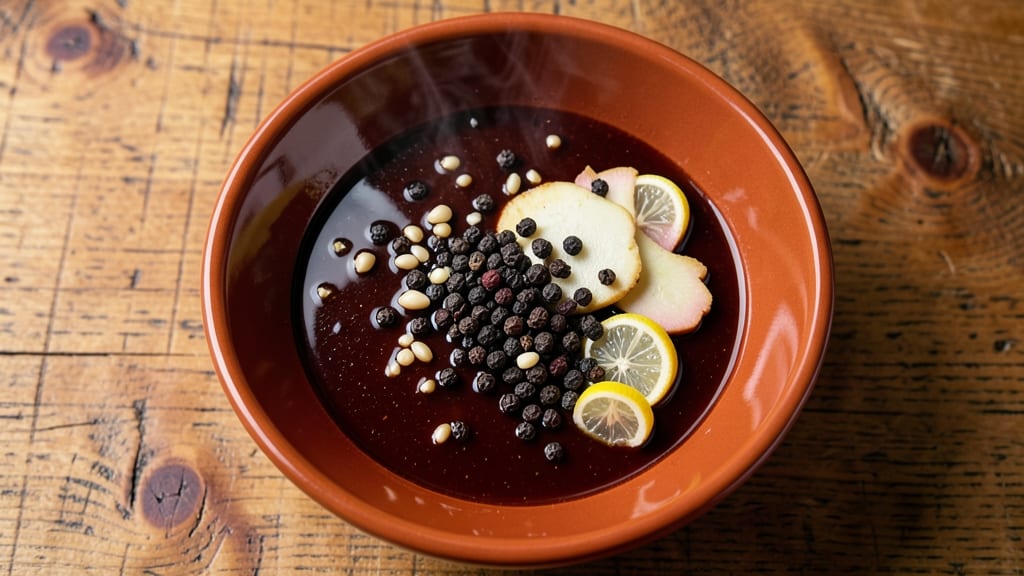
Transforming tough chicken hearts into tender, restaurant-quality bites starts with this umami-infused marinade designed specifically for offal lovers. The secret lies in a carefully balanced blend of acidity, salt, and aromatic spices that break down connective tissue while infusing deep, savory flavors.
I developed this marinade after years of experimenting with offal cuts—it’s the one technique that consistently delivers jaw-dropping results without overpowering the natural richness of the meat.
This marinade works its magic through a 36-hour cold soak, allowing the ingredients to penetrate deeply and tenderize even the toughest cuts. The base of soy sauce and Worcestershire provides that essential umami punch, while garlic, ginger, and black pepper add layers of complexity.
A splash of vinegar kickstarts the tenderizing process, and a touch of brown sugar caramelizes slightly during cooking for added depth. The recipe is simple but precise—no guesswork, just professional results every time.
What you’ll achieve is chicken hearts that are fork-tender with a glossy, caramelized exterior and flavors that bridge the gap between gamey and delicious. The marinade transforms what could be a challenging cut into something so flavorful it becomes the star of any plate.
Whether you’re grilling, pan-searing, or slow-roasting, this marinade ensures your chicken hearts will be the most talked-about dish at the table.
For best results, marinate the hearts in the refrigerator and never exceed the 36-hour limit—this is where safety meets flavor. The marinade can be made ahead and stored for up to one week, making it perfect for meal prep.
Once you try this, there’s no going back to bland or tough offal cuts again. Let’s get started on the marinade that will change how you cook chicken hearts forever.
Ingredients for chicken heart marinade
Nine ingredients transform tough chicken hearts into restaurant-quality bites through umami and acid magic.
| Ingredient | Amount | Notes |
|---|---|---|
| Soy Sauce 🍶 | ½ cup | Low-sodium preferred for control |
| Worcestershire Sauce 🍶 | ¼ cup | Lea & Perrins brand recommended |
| Garlic Cloves 🧄 | 6 cloves | Minced for even distribution |
| Fresh Ginger 🌿 | 2 tbsp | Finely grated, aromatic |
| Black Peppercorns 🌶️ | 1 tbsp | Freshly cracked for intensity |
| White Vinegar 🍋 | ¼ cup | Apple cider vinegar works too |
| Light Brown Sugar 🍚 | 2 tbsp | Packed, for caramelization |
| Diamond Crystal Kosher Salt 🧂 | 1 ½ tbsp | Adjust to taste after blending |
| Extra-Virgin Olive Oil 🫒 | ¼ cup | High-quality, fruity variety |
| Honey 🍯 | 1 tbsp | Wildflower preferred for depth |
The soy sauce and Worcestershire form the umami backbone—Lea & Perrins is the gold standard, but any quality brand works. Fresh garlic and ginger are non-negotiable here; pre-minced jars lack the aromatic punch. I always grab organic ginger root from the produce section—it stays fresh longer. The black pepper should be freshly cracked (use a mortar and pestle if you're fancy), as pre-ground loses its kick. For the vinegar, apple cider vinegar adds subtle sweetness that complements the soy perfectly. Brown sugar caramelizes beautifully during cooking, so don't skip it—it's what gives those hearts that glossy finish.
No Worcestershire? Fish sauce at half the amount delivers similar umami depth. Substitute white miso paste for the soy sauce if you're avoiding gluten. Fresh ginger not available? Ground ginger at one-third the amount works, but it lacks the same complexity. The honey can be swapped for maple syrup if you prefer, though it does change the flavor profile slightly. For extra tenderness, add 1 tbsp of baking soda to the marinade (it breaks down proteins faster), but don't exceed the 36-hour marinating time. The olive oil is there to help the marinade cling—use avocado oil if you're sensitive to olive oil's flavor.
This marinade keeps for one week in the fridge, sealed tightly in a glass jar. The flavors actually improve after 24 hours, so make it ahead if you're planning to cook soon. For best results, marinate chicken hearts in the refrigerator—never at room temperature. The marinade will darken slightly as it works its magic, which is completely normal. If you have leftovers, freeze them in ice cube trays for easy portioning later. The marinade reheats beautifully—just give it a quick stir before using.
Why You'll Love This Recipe
- Pantry Magic: I swear by this marinade—no fresh herbs, no fancy prep. Just soy and Worcestershire, a quick minced garlic, and a thumb-sized ginger knob. That’s it. The peppercorns? Crush them with the flat of your knife while you’re at it. Honestly, it’s the kind of recipe that makes me feel like I’m cooking a restaurant dish without the stress.
- Umami Bomb: The combo of soy and Worcestershire alone is a flavor powerhouse, but add that fresh ginger and garlic? It’s like a savory explosion in your mouth. The peppercorns give it a little bite, too—just enough to wake up your taste buds. Between us, this marinade turns tough chicken hearts into something so tender and rich, you’ll forget it’s not the priciest cut.
- Weeknight Workhorse: I use this marinade for everything—grilled chicken hearts, stir-fries, even as a quick glaze for roasted veggies. (Yes, even on a Tuesday night.) It’s the kind of thing that sits in my fridge, ready to elevate whatever I’m cooking. And if I have leftovers? Toss them in a bowl, reheat, and boom—extra protein for lunch the next day.
- Budget Boost: Chicken hearts are already affordable, but this marinade stretches them further. A little goes a long way, and it keeps well for up to a week. I’ll be real: my grocery bill thanks me every time I make this. Plus, it’s one of those recipes where you can double the batch without a second thought—because you will.
Step-by-step instructions for chicken heart marinade
This marinade transforms tough chicken hearts into melt-in-your-mouth delights through science and flavor.
Prepare the Aromatics with Precision
In a medium bowl, combine the 6 cloves garlic cloves and 2 tablespoons fresh ginger—both should be finely minced for even distribution. The garlic should resemble tiny specks, while the ginger should be so finely grated it nearly disappears into the mixture. This texture ensures maximum surface area for flavor infusion into the chicken hearts.
Next, add the 1 tablespoon black peppercorns and pulse them in a spice grinder until you achieve a coarse powder. Freshly cracked pepper releases its oils more effectively than pre-ground, delivering that sharp, piquant bite we're after. Set this aside temporarily—we'll return to it after combining the wet ingredients.
Blend the Liquid Foundation
In a separate large mixing bowl, whisk together the 0.5 cup soy sauce and 0.25 cup Worcestershire sauce. These two form the umami backbone of our marinade, creating that deep, savory complexity that transforms tough offal into something extraordinary. The soy sauce provides saltiness and color, while the Worcestershire adds a touch of tang and depth.
Add the 0.25 cup white vinegar and 1 tablespoon honey to the bowl. The vinegar acts as a natural tenderizer, breaking down muscle fibers in the chicken hearts, while the honey adds a subtle sweetness that balances the acidity. Stir vigorously to fully incorporate all ingredients—you should see a smooth, slightly syrupy mixture forming.
Incorporate Sweeteners and Salt
Add the 2 tablespoons light brown sugar and 1.5 tablespoons Diamond Crystal kosher salt to the liquid mixture. The brown sugar isn't just for sweetness—its molasses content helps create a beautiful caramelized crust when seared, while the kosher salt ensures proper seasoning throughout the marinade. Pack the brown sugar firmly into the measuring spoon to get an accurate measurement.
Pour in the 0.25 cup extra-virgin olive oil while continuing to whisk. The oil serves as an emulsifier, helping all these flavors bind together into a cohesive marinade. At this point, add the previously prepared minced garlic, ginger, and cracked pepper. Stir until everything is completely combined—you should see a thick, glossy marinade that coats the back of a spoon.
Marinate for Maximum Tenderization
Place the chicken hearts in a resealable plastic bag or large shallow dish. Pour the marinade over the hearts, ensuring they're completely coated. For best results, I recommend massaging the marinade into the meat—this helps it penetrate those tough muscle fibers more effectively. Seal the bag or cover the dish and refrigerate.
Marinate for a minimum of 4 hours, though I find 8 hours or overnight yields the most dramatic tenderizing results. The acid in the vinegar and the enzymes in the soy sauce work together during this time to break down connective tissues, transforming what would otherwise be a tough cut into something so tender it practically melts in your mouth.
Prepare for Cooking
Before cooking, remove the chicken hearts from the marinade and let them sit at room temperature for 15-20 minutes. This step is crucial—it allows the marinade to form a protective crust on the surface while ensuring even cooking. Discard any leftover marinade (never reuse it) as it may contain harmful bacteria from the raw meat.
The hearts are now ready for your preferred cooking method—whether that's grilling, pan-searing, or braising. The marinade has done its job: breaking down fibers, infusing flavor, and preparing these hearts to become one of the most satisfying meat experiences you'll ever have.
Pro Tips For Making Chicken Heart Marinade
- SMASH THE GINGER FIRST: Chicken hearts are tough—ginger needs to break down into them. Use a mortar and pestle or roll a heavy pan over the root ginger until it’s a thick paste, not just minced. I learned this the hard way when my marinade tasted like ginger flakes instead of melting flavor.
- MARINATE LONGER THAN YOU THINK: At least 4 hours, ideally overnight. Hearts soak up marinade like a sponge, but the magic happens when the Worcestershire and soy sauce tenderize the fibers. I used to rush it and ended up with chewy, flavorless bites—now I just set it and forget it.
- PEPPERCORNS: CRUSH, DON’T JUST GRIND: Whole peppercorns add texture and depth, but if you grind them too fine, the marinade turns gritty and loses punch. Lightly crush them in a mortar or zip-top bag with a rolling pin—just enough to release their oils without turning them into dust.
- BALANCE THE SOY SAUCE: Too much soy sauce makes hearts salty and tough. For every 2 tablespoons of soy, add 1 tablespoon of Worcestershire—it cuts the salt while adding umami. I used to eyeball it and overdo the soy; now I measure and adjust as I go.
Troubleshooting this recipe
Over-Marinating Risks
The 36-hour maximum isn't arbitrary—chicken hearts can become mushy if left too long in acidic marinades. I've seen this happen when people leave them marinating overnight and forget about them for 48+ hours.
The vinegar and soy sauce break down proteins aggressively, turning tender meat into a sad, watery mess. Always set a timer or reminder when marinating overnight. 💡
Uneven Tenderizing
If your chicken hearts aren't tender after marinating, they likely weren't fully submerged in the marinade. I recommend using a resealable plastic bag with the marinade and hearts in a single layer—this ensures complete contact.
For thicker cuts, consider making small slits in the meat to help the marinade penetrate deeper. Never skip the massaging step when applying the marinade.
Bitter Aftertaste
A bitter flavor often means the marinade was too acidic or the hearts weren't rinsed properly before cooking. If you notice this, reduce the vinegar to 2 tablespoons instead of ¼ cup next time.
Also, always pat the hearts dry with paper towels before cooking—excess moisture creates steam that can dilute flavors and cause uneven searing. 🌶️
Marinade Not Sticking
If the marinade slides off instead of clinging, it's usually because of insufficient oil or improper mixing. The ¼ cup olive oil is crucial for creating an emulsified coating. If you're using a low-fat marinade, add 1 extra tablespoon of oil to help it adhere.
Also, make sure to whisk all ingredients thoroughly until the mixture is homogeneous before applying.
Safety Concerns
Never leave chicken hearts (or any raw meat) marinating at room temperature—always refrigerate. I've seen people leave their marinating bag on the counter while "working on other things," which creates dangerous bacteria growth.
The 40°F or below rule is non-negotiable. When in doubt, marinate in the fridge and never exceed the 36-hour limit for safety. ❄️
Color Issues
If your marinade looks cloudy or separates, it's likely due to incompatible ingredients or improper mixing. The soy sauce and vinegar should blend smoothly with the oil. If you notice separation, whisk vigorously again or add 1 extra tablespoon of olive oil to help emulsify.
The marinade should be thick but pourable—not watery or oily. A properly mixed marinade will have a glossy, uniform appearance.
Nutrition facts
Frequently asked questions
Can I use this marinade for other offal cuts?
This marinade works beautifully for chicken livers and gizzards too! The umami-rich blend breaks down tough textures while enhancing natural flavors. For livers, reduce marinating time to 2-4 hours to avoid over-tenderizing. Gizzards can handle the full 36-hour marinade—just score the surface lightly to help penetration.
How do I store leftover marinade?
Store unused marinade in an airtight glass container in the fridge for up to one week. For longer storage, freeze in ice cube trays—thaw overnight in the fridge before using. Never reuse marinade that's touched raw meat. The flavors actually deepen when stored properly, making it perfect for future meals.
Why does my marinade look cloudy?
Cloudiness usually means the oil and liquid ingredients aren't properly emulsified. Whisk vigorously again or add 1 extra tablespoon of olive oil to help bind everything. The marinade should be thick but pourable—not watery or separated. If it's still cloudy after mixing, strain through a fine-mesh sieve before using.
Can I make this marinade without Worcestershire?
Substitute with 2 tablespoons fish sauce for similar umami depth, or use 1 tablespoon white miso paste for a vegetarian option. The soy sauce provides the base saltiness, so adjust other seasonings to taste. For a more acidic profile, add 1 extra tablespoon of vinegar to compensate.
How do I know when chicken hearts are properly marinated?
Properly marinated hearts will be softer to the touch and have absorbed the marinade's color. The surface should appear glossy and slightly sticky. If they still feel firm, extend marinating by 4-6 more hours. For best results, always follow the 36-hour maximum to prevent over-tenderizing.