
Sauces & Condiments
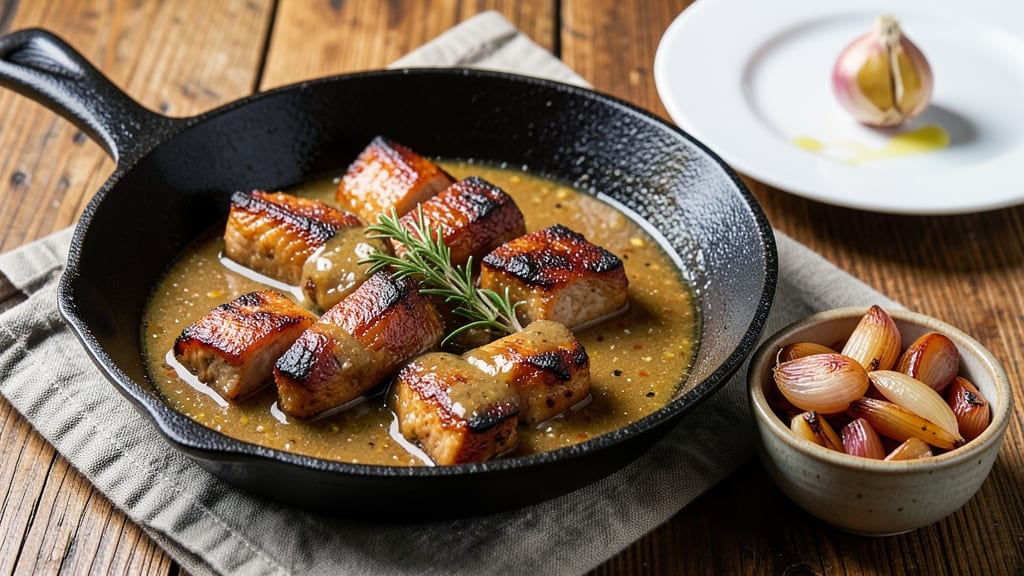
This chicken gizzard gravy recipe transforms humble offal into a velvety sauce packed with deep umami flavor—perfect for elevating simple meals. The process begins with properly preparing gizzards, a step that ensures safety and maximizes flavor extraction through slow simmering.
What sets this gravy apart is the balance of rich, meaty depth and smooth texture, achieved through careful rendering and thickening techniques.
Traditional methods focus on rendering fat and straining for clarity, while modern shortcuts like pressure cooking can cut preparation time without sacrificing quality. The key lies in patience—allowing the gizzards to break down gradually and developing a roux for that signature richness.
This gravy isn’t just a condiment; it’s the star of the plate, transforming roasted vegetables, mashed potatoes, or even biscuits into a hearty centerpiece.
Safety is critical when handling raw poultry offal, so proper cleaning and trimming are non-negotiable steps. The reward? A sauce so flavorful it turns even the simplest dishes into a restaurant-worthy experience. Whether you’re a seasoned cook or new to offal, this method delivers professional results with straightforward techniques.
Pair it with cornbread for dipping, drizzle over biscuits, or serve alongside roasted meats for a meal that feels indulgent yet balanced. The versatility of this gravy makes it a pantry staple worth mastering—once you try it, you’ll never settle for store-bought again.
Ingredients for chicken gizzard gravy
Transform humble offal into velvety umami richness with these 14 precise ingredients—each playing a critical role in depth and texture.
| Ingredient | Amount | Notes |
|---|---|---|
| Chicken Gizzards 🍗 | 1 ½ lb | Freshly cleaned, trimmed of fat |
| Unsalted Butter 🧈 | ½ cup | Cold, cut into 1-inch pieces |
| All-Purpose Flour 🌾 | ¼ cup | Diamond Crystal preferred for clarity |
| Yellow Onion 🧅 | 1 whole | Medium, finely diced |
| Garlic Cloves 🧄 | 4 cloves | Peeled, minced |
| Chicken Broth 💧 | 2 cups | Homemade, low-sodium |
| Apple Cider Vinegar 🍎 | 1 tbsp | For brightness |
| Fresh Thyme Leaves 🌿 | ½ tsp | Or 0.17 tsp dried thyme |
| Fresh Rosemary 🌿 | ¼ tsp | Finely chopped |
| Salt 🧂 | 1 ½ tsp | Diamond Crystal kosher |
| Black Pepper 🌶️ | ½ tsp | Freshly cracked |
| Worcestershire Sauce 🍯 | 1 tbsp | For umami depth |
| Heavy Cream 🥛 | ¼ cup | Full-fat for richness |
| Fresh Parsley 🌿 | 2 tbsp | Chopped, for garnish |
The gizzards are the foundation: source them from a trusted butcher, as freshness directly impacts flavor extraction. Look for vibrant color and minimal off-odor—this indicates proper handling. Costco or local poultry farms typically offer the highest quality, though grocery store butcher counters often carry them too. Trim excess fat meticulously; it renders quickly but can make the gravy greasy. For safety, clean thoroughly with cold water before cooking. The butter and flour combination creates a classic roux—Diamond Crystal flour yields a smoother texture than other brands due to its fine grind.
No fresh herbs? Dried thyme and rosemary work at one-third the amount, though fresh provides superior aroma. Substitute apple cider vinegar with white vinegar or lemon juice, though flavor will differ slightly. For a quicker version, pressure cook the gizzards for 20 minutes instead of simmering, but traditionalists insist on the slow method for maximum tenderness. The Worcestershire sauce can be omitted if avoiding anchovies, though it adds critical umami complexity. For a dairy-free option, replace heavy cream with coconut cream, though texture will be lighter.
Store the gravy in an airtight container for up to 5 days in the refrigerator, though flavor peaks within 48 hours. For longer storage, freeze in 1-cup portions for up to 3 months. Reheat gently over low heat, whisking continuously to prevent skin formation. The parsley garnish should be added just before serving to preserve its vibrant color. This gravy reheats beautifully—never microwave, as it breaks the emulsion and creates a skin. For optimal freshness, prepare no more than 24 hours ahead.
Why You'll Love This Recipe
- I’ll be real: this is my go-to when I’m too tired to think. Toss it over mashed potatoes, dumplings, or even toast—it’s always a win, and cleanup is just a quick wipe of one pot.
- One-Pot Magic: I swear by this—just brown the gizzards, toss in the onions and garlic, then let the roux do the work. No extra pans, no fuss, and that golden gravy practically makes itself.
- Deep Umami Love: Between us, the gizzards and butter create this rich, savory depth you won’t find in store-bought gravies. The garlic and onion caramelize right into the flour base, turning every bite into pure satisfaction.
- Budget Feast: Honestly, gizzards are the best-kept secret for stretching meals without sacrificing flavor. A pound feeds four easily, and the leftovers? Even better reheated the next day.
Step-by-step instructions for chicken gizzard gravy
Transform humble gizzards into velvety gravy through precise technique and patient simmering.
Sear the Gizzards Until Deeply Browned
Cut the 1.5 lb chicken gizzards into 1-inch chunks and pat them completely dry with paper towels. This step is critical for developing rich, caramelized flavors. Heat a large Dutch oven over medium-high heat, then add the 0.5 cup unsalted butter cut into 1-inch pieces. Once the butter foams, add the gizzard pieces in batches, allowing space between them to prevent steaming.
Sear for 5-6 minutes per batch until the gizzards develop a deep golden-brown crust and release easily from the pan. The butter should transform from pale to nutty brown as it renders. Remove the gizzards and set them aside on a plate, reserving the browned butter and any rendered fat in the pot. This is where the umami foundation begins.
Build the Roux and Develop Flavor Base
Reduce the heat to medium and immediately add the 0.25 cup all-purpose flour, whisking vigorously to create a smooth, paste-like roux. Cook for 2-3 minutes until the mixture turns a rich golden color and smells toasty. This roux will thicken your gravy and provide structure. Be patient—rushing this step creates a raw flour taste.
Add the 1 whole yellow onion (finely diced) and 4 cloves garlic (minced) to the roux, stirring constantly for 2 minutes until the onions soften and release their sweetness. The garlic should be fragrant but not browned. This aromatic base forms the flavor backbone of your gravy. Pour in the 2 cups chicken broth and 1 tbsp apple cider vinegar, scraping up any browned bits from the bottom of the pot.
Simmer and Extract Maximum Flavor
Return the gizzard pieces to the pot and bring the mixture to a gentle simmer. Add the 0.5 tsp fresh thyme leaves, 0.25 tsp finely chopped fresh rosemary, 1.5 tsp salt, and 0.5 tsp freshly cracked black pepper. The liquid should cover the gizzards by about 1 inch. Partially cover the pot and simmer for 45-50 minutes, stirring occasionally, until the gizzards are fork-tender and falling apart.
Here's where precision matters: the gizzards should be completely tender but not falling apart in the pot. If they're not tender after 50 minutes, continue simmering in 5-minute increments. The liquid should reduce by about one-third, intensifying the flavor. This slow cooking extracts collagen and transforms tough gizzards into rich, velvety texture.
Finish with Umami Depth and Creamy Texture
Strain the gravy through a fine-mesh sieve into a clean saucepan, pressing gently on the solids to extract maximum flavor. Discard the gizzard pieces or reserve for another use. Return the strained gravy to medium heat and stir in the 1 tbsp Worcestershire sauce. This step adds essential umami depth that balances the acidity from the vinegar. Simmer for 5 minutes to meld the flavors completely.
Reduce the heat to low and gradually whisk in the 0.25 cup heavy cream. The gravy should thicken slightly but remain silky smooth. Taste and adjust seasoning—you may need an additional pinch of salt or pepper to balance the flavors. The finished gravy should coat the back of a spoon and have a glossy sheen. If it's too thick, whisk in 1-2 tablespoons of hot water to reach your desired consistency.
Garnish and Serve Immediately
Transfer the gravy to a warm serving dish and stir in the 2 tbsp chopped fresh parsley just before serving. The parsley adds a bright contrast to the rich, umami flavors. Serve immediately over mashed potatoes, buttered noodles, or crusty bread. The gravy should be piping hot, with a velvety texture that clings beautifully to your food.
This gravy develops even better flavors when reheated the next day, as the flavors continue to meld. Store leftovers in an airtight container in the refrigerator for up to 3 days. For best results, reheat gently on the stove over low heat, stirring constantly to prevent scorching. The patience invested in this process yields a gravy that's far more complex than its humble ingredients suggest.
Pro Tips For Making Chicken Gizzard Gravy
- Trim and Score Gizzards: Take those tough gizzards and slice off the tough membrane first—it’s the part that never softens. Then, score the surface in a crosshatch pattern with a sharp knife; this lets the butter and flour work their magic deeper, so you’re not left with chewy bites. (Yes, it looks like overkill, but trust me, it’s worth the extra 30 seconds.)
- Brown Gizzards Slow: Don’t rush the browning—low and slow is the name of the game here. Medium heat for 8–10 minutes until deeply golden, not seared black. If you crank it up, you’ll end up with bitter, burnt edges that turn your gravy into a sad, smoky mess. Patience pays off.
- Deglaze with Patience: After removing the gizzards, don’t pour in the liquid all at once. Start with a splash of broth or water, scrape up every last bit of browned bits from the pan, then add the rest. Those bits are flavor gold—skip this, and your gravy will taste like it’s missing something. (I know, because I’ve done it.)
- Whisk Like Your Life Depends on It: When you toss in the flour, lower the heat immediately and whisk constantly for at least 2 minutes. No lumps, no exceptions. I’ve had to start over twice because I got distracted—don’t let that be you. The gravy’s thickness and smoothness rely on this step.
Perfect pairings for this recipe
Classic Comfort Sides
This gravy pairs perfectly with creamy mashed potatoes—their buttery texture contrasts beautifully with the rich umami depth. I like to fold in 2 tbsp sour cream and 1 tbsp melted butter per 2 cups potatoes for extra smoothness.
For a Southern twist, serve with cornbread—its slight sweetness cuts through the savory gravy. 🥔
Hearty Bread Pairings
Crusty sourdough bread or biscuits make ideal dipping companions. For extra indulgence, brush biscuits with garlic butter before baking—this creates a flavor bridge between the gravy and bread.
I recommend Texas toast (thick-cut white bread) for soaking up excess gravy without falling apart. Warm the bread just before serving to maintain its structural integrity. 🍞
Protein Pairings
While this gravy stands alone beautifully, it elevates pan-seared chicken thighs or smoked turkey legs. The fat cap on the chicken thighs renders perfectly when cooked with the gravy, adding another layer of richness.
For a complete meal, serve with roasted Brussels sprouts—their caramelized edges provide a satisfying crunch against the silky gravy. 🍗
Vegetable Contrasts
Bright, fresh vegetables balance the gravy’s richness. Sautéed green beans with toasted almonds add crunch and freshness, while roasted carrots bring natural sweetness. For a heartier option, try creamy polenta—its mild flavor lets the gravy shine while adding a comforting texture.
The key is contrast: always include at least one element that’s crisp or fresh. 🥕
Breakfast Adaptations
Transform this gravy into a breakfast star by serving it with crispy hash browns or biscuit and gravy (a Southern classic). For extra decadence, top with fried eggs and crumbled bacon.
The gravy’s depth complements the smoky, salty flavors of breakfast meats perfectly. I often make a double batch on Sundays for easy leftovers. 🍳
Global Twists
For a fusion approach, serve the gravy over jasmine rice with scallions and a fried egg on top—a Korean-inspired twist. In Italy, you might drizzle it over pappardelle pasta with Pecorino Romano for a rustic, umami-rich dish.
The gravy’s versatility makes it adaptable to countless cuisines while keeping its core richness intact. 🌍
Nutrition facts
Frequently asked questions
Can I use frozen chicken gizzards for this gravy?
Fresh gizzards yield the best flavor, but frozen will work if properly thawed. First, submerge the frozen gizzards in cold water for 15-20 minutes to thaw completely, then pat them completely dry. This prevents excess moisture from diluting your gravy. For best results, use gizzards frozen no longer than 3 months.
Why does my gravy look cloudy instead of smooth?
Cloudiness usually means unrendered fat or under-strained solids. Strain the gravy through a fine-mesh sieve twice for clarity, pressing gently on the solids. For extra smoothness, chill the gravy overnight and skim off any congealed fat before reheating. A proper roux (golden brown, not dark) also prevents cloudiness.
How do I adjust the thickness of the finished gravy?
If too thick, whisk in 1-2 tablespoons of hot water or broth at a time until silky. For thicker gravy, simmer uncovered for 5-10 minutes to reduce. Pro tip: Use a slotted spoon to remove any gizzard pieces before straining—this prevents lumps and gives you control over thickness.
What can I substitute if I don't have Worcestershire sauce?
For umami depth, use 1 tbsp soy sauce or 1 tsp fish sauce (reduce other salt). A splash of red wine or even extra chicken broth with an additional pinch of salt works too. The key is balancing the acidity from the vinegar with savory elements.
Can I make this gravy ahead of time?
This gravy tastes even better the next day. Store in an airtight container in the fridge for up to 3 days. Reheat gently on the stove over low heat, whisking constantly to prevent skin formation. For longer storage, freeze in 1-cup portions for up to 3 months—thaw overnight in the fridge before reheating.