
Main Courses
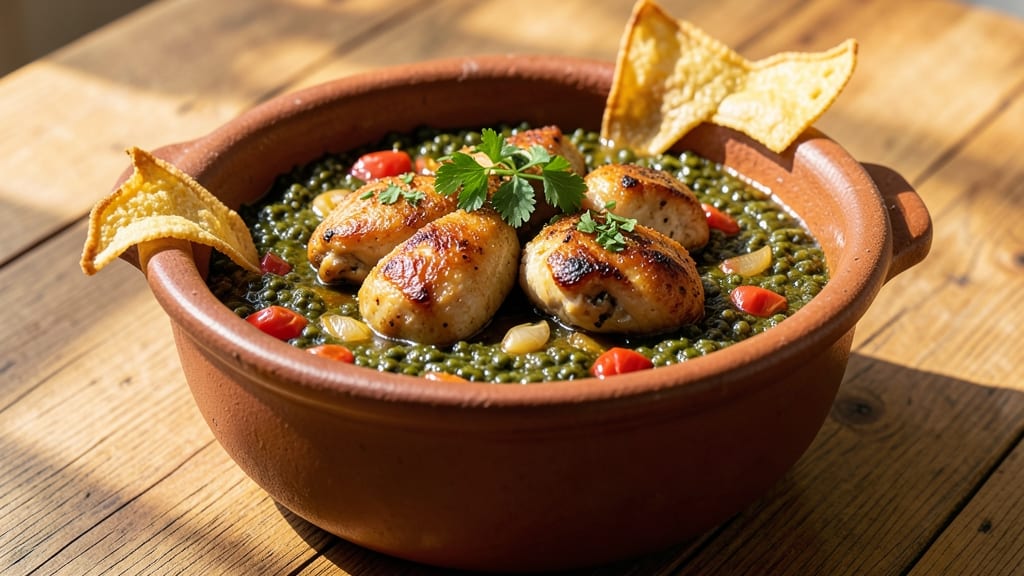
This chicken egusi recipe brings the rich, nutty flavors of West Africa to your kitchen with a hearty stew that marries tender chicken with the earthy depth of ground melon seeds.
The blend of traditional spices and aromatic herbs creates a dish that's both comforting and complex, perfect for family gatherings or weeknight dinners. I've refined this recipe over years of cooking, balancing authenticity with modern kitchen accessibility.
The beauty of this dish lies in its layers—crispy fried chicken pieces, a velvety egusi stew thickened naturally by the seeds, and a medley of vegetables that add freshness and texture.
The key to success is proper preparation: toasting the egusi seeds to enhance their nutty flavor and simmering the stew just enough to develop those deep, savory notes without losing tenderness in the chicken. This recipe delivers restaurant-quality results with simple techniques.
By the time you serve this dish, your kitchen will smell like a West African home—warm, inviting, and full of aromatic spices. The stew will have a rich, slightly thick consistency with visible chunks of chicken and vegetables, all swimming in a sauce that's both hearty and delicate.
Each bite offers a perfect balance of protein, vegetables, and nutty egusi, making this more than just a meal—it's an experience that connects you to tradition while fitting seamlessly into today's busy lifestyles.
Serve with jollof rice or pounded yam for the full cultural experience, or pair it with crusty bread for a more Western-friendly presentation. The beauty of this recipe is its adaptability—it works as a main course for celebrations or a comforting weeknight dinner.
Let's bring this flavorful tradition to your table with a method that's both authentic and approachable.
Ingredients for chicken egusi
Authentic West African flavors start with these simple yet powerful ingredients.
| Ingredient | Amount | Notes |
|---|---|---|
| Chicken Thighs 🍗 | 1 ½ lb | Bone-in, skin-on preferred |
| Ground Egusi Seeds 🌰 | 1 cup | Toasted for enhanced flavor |
| Fresh Tomatoes 🍅 | 2 medium | Roma or vine tomatoes preferred |
| Fresh Tomatoes 🍅 | 2 cups | Chopped, seeds removed |
| Onions 🧅 | 1 whole | Yellow or red, chopped |
| Garlic Cloves 🧄 | 6 cloves | Minced, fresh preferred |
| Scotch Bonnet Peppers 🌶️ | 1 whole | Seeded, adjust for heat |
| Fresh Bell Peppers 🌶️ | 1 whole | Red or green, chopped |
| Fresh Spinach 🍃 | 2 cups | Chopped, packed |
| Fresh Cilantro 🌿 | ¼ cup | Chopped, stems removed |
| Ground Cumin 🌿 | 1 tbsp | Toasted for depth |
| Ground Ginger 🌿 | 1 tsp | Freshly ground preferred |
| Dried Thyme 🌿 | 1 tsp | Or 1 tbsp fresh thyme |
| Salt 🧂 | 1 ½ tsp | Kosher or sea salt |
| Black Pepper 🌶️ | ½ tsp | Freshly ground |
| Vegetable Oil 🫒 | ½ cup | For frying chicken |
The egusi seeds are the heart of this dish, and toasting them first unlocks their nutty potential. African markets or specialty stores carry pre-ground egusi, but you can toast whole seeds in a dry pan for 3-5 minutes until fragrant. For the chicken, bone-in thighs stay juicier than breasts—Costco or local butchers often sell them in bulk. Fresh tomatoes should be firm and vibrant; avoid the mealy ones. The scotch bonnet peppers add heat, but reduce to 1/2 pepper if you prefer milder flavor. For the best ground spices, Penzeys or local African grocery stores offer authentic blends.
No fresh thyme? Dried works at one-third the amount, but fresh delivers brighter flavor. Short on spinach? Kale or collard greens hold up well in the stew. The tomatoes can be swapped for 1 can (14 oz) diced tomatoes in a pinch, but fresh is ideal. For extra richness, stir in 1 tbsp tomato paste with the spices. The bell peppers can be roasted first for deeper flavor—just brush with oil and char under the broiler. Trader Joe's often carries pre-chopped peppers if you're short on time.
This stew tastes even better the next day as flavors meld. Store in an airtight container in the fridge for up to 5 days, or freeze portions for 3 months. The fried chicken stays crispy for 2 days if wrapped tightly in foil. Double the recipe—it reheats beautifully for lunches. For serving, keep the fried chicken separate until ready to plate, then pour the stew over the top to maintain texture.
Why You'll Love This Recipe
- One-Pot Magic: I swear by this—just toss everything in a single pot, and the egusi thickens the sauce while the chicken cooks. No extra bowls, no sticky messes, and honestly? That’s my kind of cooking.
- Nutty Depth Bomb: The ground egusi seeds add this unreal earthy richness that regular stews can’t touch. Pair that with fresh tomatoes and onions, and you’ve got a flavor that’s both bold and balanced—no weird aftertaste, just pure satisfaction.
- Weeknight to Party: Same recipe, totally different vibes. Serve it with rice for a lazy Tuesday, or pile it high on a platter with fried plantains for guests. Between us, it’s the one dish that works for both—no last-minute panic.
- Leftovers That Don’t Suck: This stuff actually tastes better the next day. The flavors meld, the sauce thickens just right, and reheating it? Zero dry chicken, zero sad leftovers. I’ve fed my family three meals from one batch—no joke.
Step-by-step instructions for chicken egusi stew
Here's how to create a rich, nutty stew that balances West African flavors with tender chicken and vibrant vegetables.
Prepare and Fry the Chicken Thighs
Pat the 1.5 lb chicken thighs dry with paper towels to ensure a good sear. Season both sides generously with 1.5 tsp salt and 0.5 tsp black pepper. Heat 0.5 cup vegetable oil in a large pot over medium-high heat until shimmering.
Carefully add the chicken thighs in a single layer, skin-side down. Let them cook undisturbed for 4-5 minutes until the skin becomes golden brown and crispy. Flip the thighs and cook for another 3-4 minutes until the internal temperature reaches 165°F. Remove the chicken from the pot and set aside on a plate.
This initial frying creates a flavorful crust and prevents the chicken from becoming rubbery during the long simmer. If the oil doesn't reach 350°F (test with a thermometer), wait until it's hot enough before adding the chicken.
Build the Egusi Base and Aromatics
In the same pot, reduce the heat to medium-low and add 1 whole onions and 6 cloves garlic cloves, both chopped. Sauté for 3-4 minutes until the onions soften and become translucent. Add 1 tbsp ground cumin, 1 tsp ground ginger, and 1 tsp dried thyme, stirring for 30 seconds to toast the spices.
Next, add 1 cup ground egusi seeds and stir continuously for 2-3 minutes until the seeds begin to darken slightly. This step develops the nutty depth that defines this dish. Watch carefully—the seeds can burn quickly. If they darken too much, reduce the heat slightly.
Add 2 medium fresh tomatoes (peeled and chopped) and 2 cups chopped fresh tomatoes (seeds removed). Stir and cook for 5 minutes until the tomatoes break down into a thick paste. This forms the flavorful foundation of your stew.
Simmer the Stew with Vegetables
Return the fried chicken thighs to the pot, skin-side up. Add 1 whole scotch bonnet peppers (seeded and chopped) and 1 whole fresh bell peppers (chopped). Pour in 1 cup water and bring the mixture to a gentle boil. Once boiling, reduce the heat to low and let it simmer uncovered for 20 minutes. This allows the flavors to meld and the chicken to absorb the rich sauce.
After 20 minutes, stir in 2 cups chopped fresh spinach and 0.25 cup chopped fresh cilantro. Simmer for another 5 minutes until the spinach wilts completely. The stew should have thickened slightly, coating the chicken and vegetables in a velvety sauce.
Here's the thing—if the stew appears too thick at this stage, add ½ cup water and simmer for an additional 5 minutes. The sauce should be thick enough to coat the back of a spoon but still spoonable.
Rest and Serve
Remove the pot from heat and let the stew rest for 5 minutes. This resting period allows the flavors to settle and the sauce to thicken slightly. Taste and adjust the seasoning if needed—you may need to add a pinch more salt or black pepper depending on the heat level of your scotch bonnet peppers.
Serve the chicken egusi stew hot, either as a complete meal or alongside jollof rice or fufu. The nutty egusi seeds, tender chicken, and vibrant vegetables create a harmonious balance of textures and flavors that capture the essence of West African cuisine.
Pro Tips For Making Chicken Egusi
- CRANK THE HEAT FIRST: The egusi needs a hot pot to bloom right—start on medium-high until the oil shimmers, then add onions and tomatoes. I learned this the hard way: low heat makes the seeds taste raw and chalky. Once the onions soften, you can dial it back to simmer.
- SIFT THE EGUSI: Ground egusi clumps like a stubborn child. Sift it through a fine-mesh strainer before adding to the pot—this keeps the texture smooth and prevents grainy bits. Yes, it’s an extra 30 seconds, but your future self will notice.
- DON’T OVERCOOK THE CHICKEN: Chicken thighs should be tender, not dry. Once the meat pulls away from the bone easily (around 20-25 minutes), remove them and set aside. If you leave them in, they’ll turn into rubber by the time the sauce thickens.
- USE TOMATO PASTE: Skip the fresh tomatoes for a shortcut—just 2 tablespoons of tomato paste at the start deepens the flavor without the hassle of peeling and chopping. (I know, I know, but trust the process.) If you’re using fresh, blanch and peel them first—it’s worth the effort.
Health benefits of this dish
Protein Powerhouse
This dish delivers a high-protein punch with every serving—1.5 lbs of chicken thighs provides about 40 grams of complete protein per portion, supporting muscle repair and growth. The bone-in thighs also add collagen and marrow for joint health, making this a nourishing meal beyond just flavor. 💪
Healthy Fats
The egusi seeds are rich in unsaturated fats, particularly oleic acid, which supports heart health when consumed in moderation. A 1-cup serving of ground egusi contains about 12 grams of fat, mostly heart-healthy types that help lower bad cholesterol levels.
The fried chicken skin adds extra flavor while providing vitamin E and omega-7 fatty acids.
Fiber-Rich Vegetables
Fresh spinach and bell peppers boost this stew with dietary fiber (about 4 grams per serving), aiding digestion and promoting gut health. The tomatoes contribute lycopene, a powerful antioxidant linked to reduced inflammation and improved skin health.
I always add extra greens—it’s a great way to sneak in more nutrients without sacrificing flavor. 🥗
Spice Benefits
The cumin, ginger, and thyme in this recipe aren’t just for taste—they pack anti-inflammatory properties. Cumin supports digestion and blood sugar control, while ginger aids nausea relief and circulation. Thyme is rich in vitamin C and iron, making this stew a nutrient-dense choice.
Toasting the spices first enhances their health benefits by releasing more volatile oils.
Low-Calorie Comfort
Despite its rich, satisfying taste, this dish is surprisingly moderate in calories—about 450-500 calories per serving when prepared as directed. The egusi thickens the stew naturally, reducing the need for heavy cream or butter.
The fried chicken skin adds flavor without excessive fat, keeping this a balanced, hearty meal that won’t weigh you down. ✨
Bone Health Boosters
The chicken bones (if using bone-in thighs) provide calcium and phosphorus, essential minerals for strong bones. The egusi seeds also contain magnesium, which works with calcium to support bone density.
This makes the dish particularly beneficial for those looking to strengthen their skeletal system through food. A win-win for both flavor and nutrition! 💡
Nutrition facts
Frequently asked questions
What's the best way to store leftover chicken egusi stew?
Transfer the stew to an airtight container and refrigerate for up to 5 days. For longer storage, freeze portions for 3 months—the flavors actually deepen over time! Reheat gently on the stove with a splash of water to restore the sauce's consistency.
Can I substitute ground egusi with another thickener?
While nothing matches egusi's nutty depth, you can use 1 cup peanut butter (unsweetened) or ½ cup blended pumpkin seeds in a pinch. For texture, add 1 tbsp cornstarch mixed with water to thicken. The flavor will differ, but it'll still be delicious.
How do I adjust the heat level in this recipe?
Remove the scotch bonnet seeds and reduce the pepper to ½ whole for mild heat. For extra spice, add ½ tsp cayenne pepper with the spices. Always taste before serving—West African dishes often build heat gradually.
What vegetables can I add for extra nutrition?
Try carrots, okra, or sweet potatoes—they hold up well in the simmer. For greens, swap spinach for kale or collard greens. Just add them with the spinach to avoid overcooking. The stew's rich sauce will complement their natural sweetness.
Why does my stew taste bitter?
Bitterness usually comes from overcooking the egusi seeds or tomatoes. Toast the seeds only until fragrant (2-3 minutes) and remove tomato skins before chopping. Adding a pinch of sugar or extra cilantro can balance the flavor.