
Main Courses
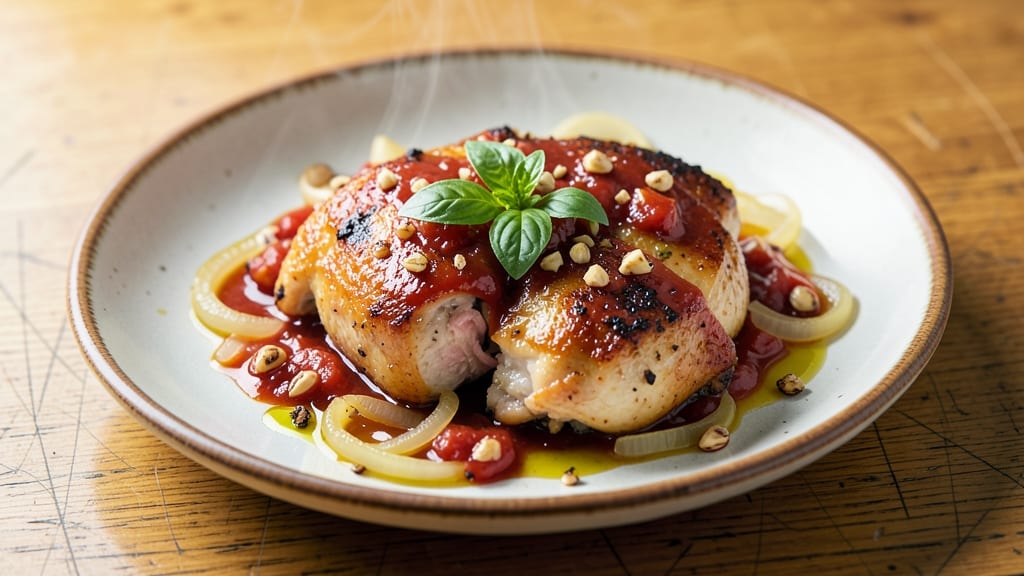
Gordon Ramsay's chicken cacciatore recipe transforms simple chicken thighs into a restaurant-worthy masterpiece with deep tomato sauce and aromatic herbs. This dish proves that bold flavors don't require complicated techniques—just precise timing and the right ingredients.
I've adapted Ramsay's method to deliver a dish that's rich, tangy, and packed with layers of umami that'll impress even skeptical guests.
The secret lies in the sauce: slow-braised tomatoes, white wine, and fresh herbs create a velvety base that clings perfectly to tender chicken. We'll start by searing the chicken until golden, then deglaze the pan to capture all those flavorful browned bits.
This isn't just a recipe—it's a technique that builds flavor through patience, resulting in a dish that tastes like it simmered all day, even if it only takes 45 minutes.
By the time you serve this dish, your kitchen will smell like a Tuscan trattoria, and every bite will deliver that perfect balance of tender chicken, caramelized tomatoes, and bright herbal notes. The sauce thickens beautifully as it simmers, creating a glossy finish that's impossible to resist.
This is the kind of meal that makes weeknight dinners feel special without requiring hours in the kitchen.
Pair it with creamy polenta or crusty bread to soak up every last drop of that rich tomato sauce. The technique works equally well with chicken breasts or thighs, giving you flexibility for different occasions. Let's make this restaurant-quality cacciatore at home—your taste buds will thank you.
Ingredients for chicken cacciatore gordon ramsay
Simple ingredients that pack a restaurant-worthy punch—just like Ramsay makes it.
| Ingredient | Amount | Notes |
|---|---|---|
| Chicken Thighs 🍗 | 1 ½ lb | Bone-in, skin-on preferred |
| Extra-Virgin Olive Oil 🫒 | ½ cup | High quality, fruity |
| Yellow Onion 🧅 | 1 whole | Diced, medium size |
| Garlic Cloves 🧄 | 6 cloves | Minced, fresh preferred |
| Canned San Marzano Tomatoes 🍅 | 28 oz | Crushed or whole |
| Dry White Wine 🍷 | ½ cup | Sauvignon Blanc or Pinot Grigio |
| Chicken Broth 💧 | ½ cup | Low-sodium preferred |
| Fresh Rosemary 🌿 | ¼ cup | Chopped, stems removed |
| Fresh Thyme 🌿 | ¼ cup | Leaves only, stems removed |
| Fresh Basil 🌿 | ¼ cup | Chopped, for finishing |
| Tomato Paste 🍅 | 2 tbsp | Squeeze tube preferred |
| Red Wine Vinegar 🍋 | 1 tbsp | For brightness |
| Kosher Salt 🧂 | 1 ½ tsp | Adjust to taste |
| Freshly Ground Black Pepper 🌶️ | ½ tsp | For seasoning |
| Capers 🍈 | 2 tbsp | Optional, chopped |
The chicken thighs are non-negotiable here. Bone-in, skin-on gives you the best flavor and texture—no shortcuts. I grab mine from Costco or the butcher counter at Whole Foods when possible. Look for thighs with a good layer of fat; that's where the flavor hides. If you're using breasts instead, pound them to half-inch thickness so they cook evenly. The San Marzano tomatoes? Worth the splurge for that sweet, meaty flavor. Trader Joe's carries them for a good price, or grab a can at any Italian market.
No white wine? Chicken broth with a splash of lemon juice works in a pinch, but you'll miss that bright acidity. Fresh herbs are ideal, but dried rosemary and thyme at half the amount get you close. The tomato paste might seem like overkill for just two tablespoons, but trust me—it deepens the sauce. Trader Joe's squeeze tubes are perfect for this. Capers add that briny kick, but skip them if you're serving kids. For the wine, anything dry and crisp works—Sauvignon Blanc or Pinot Grigio are my go-tos, but use what you've got open.
This sauce gets better the next day, so make extra. Store leftovers in the fridge for 4-5 days or freeze for 3 months. I like to portion it into containers with a little extra sauce on top—just reheat and serve. The chicken reheats beautifully, but if it's dry, add a splash of broth or water to keep it moist. Garnish with fresh basil right before serving—it wilts fast, so don't do it ahead of time.
Why You'll Love This Recipe
- One-Pan Magic: I swear by this—no chopping boards, no extra pots. Just sear the thighs in olive oil, toss in the onions and garlic, then dump in the tomatoes and herbs. The pan does all the work while you sip wine and pretend you’re in a Tuscan kitchen.
- Garlic Bomb: That moment when the garlic hits? Pure satisfaction. The recipe calls for cloves to caramelize slowly in the oil, and when they meld with the San Marzano tomatoes, it’s like a flavor explosion. My husband licks the spoon every time.
- Leftovers That Shine: This dish tastes better the next day—honestly. The flavors deepen, the sauce thickens just right, and it’s perfect for lunches or a quick reheat. I make double batches because I can’t resist eating it cold with crusty bread.
- Budget Chef’s Secret: Chicken thighs are forgiving and cheap, and San Marzano tomatoes (even canned) elevate everything. No fancy cuts, no wasted ingredients—just a dish that feels luxurious without breaking the bank. My wallet and taste buds thank me.
Step-by-step instructions for chicken cacciatore
This dish delivers deep, herby richness with tender chicken—let’s make it right.
Sear the Chicken Until Golden
Heat 0.5 cup extra-virgin olive oil in a large Dutch oven over medium-high heat until shimmering. Pat the 1.5 lb chicken thighs dry with paper towels—this ensures a crispy crust. Season both sides generously with 1.5 tsp kosher salt and 0.5 tsp freshly ground black pepper. Working in batches, add the chicken to the oil and sear for 4-5 minutes per side until deeply golden brown. The skin should crackle, and the edges should release easily from the pan.
Don’t crowd the pan—this steaming will make the chicken rubbery. Once all the chicken is seared, remove it and set aside on a plate. Leave the rendered oil in the pot; it’s packed with flavor. If the oil starts smoking, lower the heat slightly—you want a gentle sizzle, not a fire.
Build the Flavor Base
In the same Dutch oven, add the 1 whole yellow onion and cook over medium heat for 5-6 minutes until softened and lightly caramelized. Stir occasionally to prevent burning. Add the 6 cloves minced garlic and cook for 30 seconds until fragrant—don’t let it brown or it’ll turn bitter.
Next, stir in the 2 tbsp tomato paste and cook for 1 minute to deepen its flavor. Pour in the 0.5 cup dry white wine and scrape up any browned bits from the bottom of the pot. Let it simmer for 2-3 minutes until the wine reduces by half. This step is crucial—it builds the sauce’s depth and removes the raw alcohol taste.
Simmer the Tomatoes and Herbs
Add the 28 oz canned San Marzano tomatoes, 0.5 cup chicken broth, 1 tbsp red wine vinegar, and the 2 tbsp capers. Stir well to combine, then bring the mixture to a gentle simmer. Reduce the heat to low and let it cook uncovered for 20 minutes, stirring occasionally. This slow simmer allows the flavors to meld and the sauce to thicken slightly.
Now, add the 0.25 cup chopped fresh rosemary, 0.25 cup fresh thyme, and return the seared chicken to the pot. The herbs should infuse the sauce with their aromatic oils, while the chicken will finish cooking in the braising liquid. Cover the pot and simmer for another 25-30 minutes, or until the chicken is tender and the sauce has thickened to a rich consistency.
Finish and Serve
Once the chicken is fully cooked—it should pull away from the bone easily—remove it from the pot and set it aside. Skim any excess fat from the surface of the sauce, then increase the heat to medium-high to reduce the sauce by half. This step concentrates the flavors and gives the cacciatore its signature thickness.
Return the chicken to the pot and stir in the 0.25 cup chopped fresh basil. Taste and adjust the seasoning with more kosher salt or black pepper if needed. Serve immediately over crusty bread or polenta, garnished with extra basil leaves for a pop of color and freshness. The sauce should coat the back of a spoon and cling beautifully to the chicken.
Pro Tips For Making Chicken Cacciatore Gordon Ramsay
- Brown the Thighs Properly: DESCRIPTION: Don’t rush the sear—get those chicken thighs golden and crispy on all sides first. I used to skip this, and the sauce ended up tasting like it was simmering in water. High heat, 5-6 minutes per side, no crowding the pan. That crust is what carries the flavor.
- Deglaze with Wine First: DESCRIPTION: After browning the chicken, hit the pan with a splash of white wine (or even a little dry vermouth) before adding the tomatoes. It lifts all the stuck-on bits and adds depth—way better than just dumping in tomatoes straight away. Let it reduce by half first, then add the San Marzanos.
- Crush the Garlic: DESCRIPTION: Minced garlic burns in seconds. Instead, smash the cloves with the flat of your knife or a mortar before adding them to the pan. It infuses the oil without turning bitter, and the flavor spreads more evenly. (Yes, it looks weird, but it works.)
- Simmer Low and Slow: DESCRIPTION: After adding the tomatoes, reduce the heat to a gentle simmer—no boiling. I learned this after watching my sauce turn into a watery mess. Cover the pot for the first 20 minutes to let the chicken cook through, then uncover and let it reduce. Patience here makes the difference between good and great cacciatore.
Pro cooking tips for perfect results
Sear Like a Pro
That golden crust on your chicken thighs isn't just for looks—it's where 40% of the flavor develops through the Maillard reaction. I use a 12-inch cast iron Dutch oven (my vintage Lodge piece) because it retains heat perfectly and gives you even searing.
Pat those thighs bone-dry with paper towels—wet skin steams instead of crisps. Work in batches if needed, but never overcrowd the pan. 🔥
Here's my secret: After searing, let the chicken rest on a wire rack for 3 minutes before adding it back to the sauce. This prevents the skin from turning soggy when you return it to the pot.
I keep a rack in my oven at all times—it's a game-changer for crispy results.
Deglaze with Precision
The 2-3 minutes you spend deglazing with white wine is where the sauce's soul gets built. Use a wooden spoon (not metal) to scrape every last bit of browned chicken and onion from the bottom—those bits are pure flavor gold.
Let the wine reduce by half before adding tomatoes, or you'll dilute the sauce. I like to taste the wine reduction at this stage—it should be bright and slightly tangy, not bitter.
No white wine? Substitute with chicken broth + 1 tbsp lemon juice—it won't be identical, but it'll work in a pinch. The key is that acidity that cuts through the richness.
If you're using capers (which I highly recommend), add them now—they'll soften slightly in the sauce and release their briny goodness.
Herb Infusion Technique
Fresh herbs make all the difference, but how you add them matters. I chop rosemary and thyme just before adding to the sauce—this preserves their volatile oils that carry so much aroma.
Add them 10 minutes before the chicken finishes cooking so they infuse properly without turning bitter. For basil, wait until the very end—it wilts fast and adds that final fresh note. 🌿
Pro tip: If you're using dried herbs, use half the amount and add them with the tomatoes. But honestly, fresh herbs elevate this dish from good to restaurant-quality.
I keep a small pot of each growing on my kitchen windowsill—rosemary and thyme thrive in pots and come back year after year.
Sauce Reduction Mastery
The final reduction is where Ramsay-style cacciatore gets its signature thickness. After removing the chicken, simmer the sauce uncovered until it coats the back of a spoon. This should take about 8-10 minutes on medium-high heat.
You're looking for a sauce that's glossy and clings to the chicken—it should be thick enough to drizzle but still pourable. 💫
If your sauce isn't reducing quickly enough, uncover the pot completely and increase the heat slightly. Just watch it like a hawk—you don't want to burn the tomatoes. I like to taste the sauce at this stage to check the balance of acidity and sweetness.
Sometimes it needs just a pinch more salt or a splash of vinegar to perfect it.
Chicken Doneness Check
Don't rely on time alone—use a meat thermometer to check internal temperature. Chicken thighs should reach 165°F in the thickest part. I use an instant-read thermometer (my ThermoWorks Thermapen is my go-to) because it's fast and accurate.
If your chicken is still slightly undercooked after the full simmer time, return it to the pot with the lid on for another 5-10 minutes.
Remember: The chicken will carry over cook about 5°F when it rests. That's why I like to pull it out when it's just slightly underdone—it finishes perfectly while resting.
And always let it rest for 5 minutes before serving. This allows the juices to redistribute, keeping every bite moist and flavorful.
Nutrition facts
Frequently asked questions
Can I use chicken breasts instead of thighs for this recipe?
Yes, but you'll need to adjust the cooking time. Chicken breasts cook faster and can dry out in braised dishes. Pound them to ½-inch thickness and reduce simmering time to 20 minutes after adding them back to the sauce. For extra moisture, add ¼ cup chicken broth when returning them to the pot.
What's the best way to reheat leftovers?
Reheat gently in a skillet with 1 tablespoon olive oil over low heat for 5-7 minutes, adding 2 tablespoons water or broth to keep the sauce from drying out. Never microwave—it ruins the sauce's texture. For best results, reheat just before serving. Leftovers keep well for 4-5 days refrigerated.
Can I make this dish ahead of time?
This dish tastes even better the next day. After cooking, let it cool completely, then refrigerate. Reheat gently the next day, adding a splash of broth if the sauce seems too thick. The flavors meld beautifully overnight, making it perfect for meal prep. Store in an airtight container for up to 3 days.
What if I don't have white wine? What can I substitute?
Use ½ cup chicken broth + 1 tablespoon lemon juice for the acidity. For a non-alcoholic option, try ½ cup apple cider vinegar + ½ cup broth. The key is maintaining the acid balance to cut through the richness. Avoid using just broth—it'll make the sauce bland.
How do I know when the chicken is fully cooked?
Use a meat thermometer to check the thickest part of the thigh—it should read 165°F. If you don't have one, cut into the thickest piece: the meat should be opaque with no pink, and juices should run clear. Remember, chicken continues cooking while resting, so it's okay if it's slightly underdone at 160°F. Let it rest 5 minutes before serving.