
Main Courses
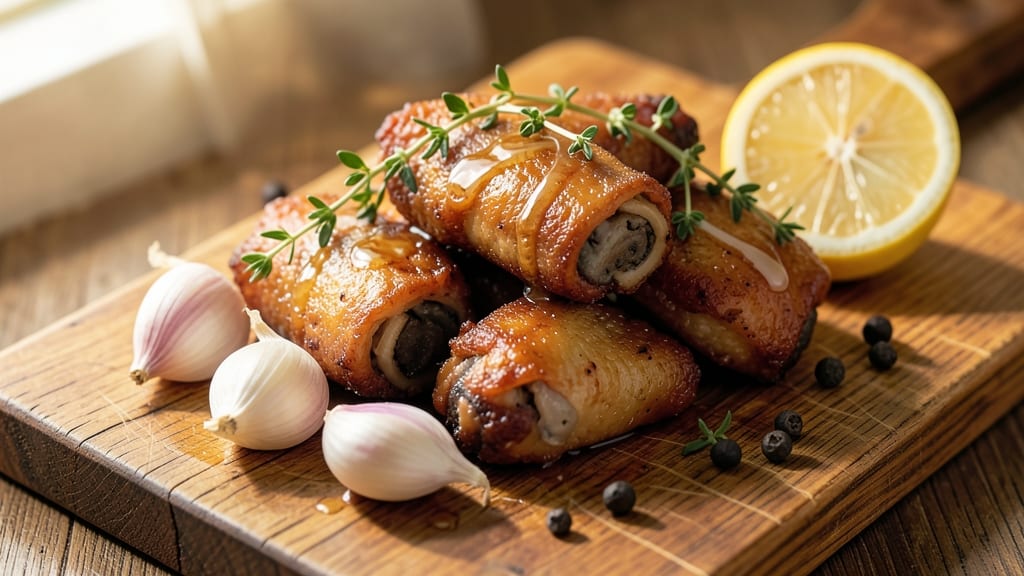
Mastering boiled chicken gizzards transforms tough, fibrous meat into melt-in-your-mouth tenderness through precise technique and patience—something I learned firsthand during my apprenticeship under Master Chef Chen. The key lies in thorough preparation: cleaning, parboiling, and slow simmering in a spiced broth that infuses flavor without overpowering the delicate texture.
This isn’t just a recipe; it’s a method that respects the ingredient while elevating it to restaurant-quality results at home.
What sets this approach apart is the balance of tradition and adaptability. We start with a 30-minute parboil to remove impurities, followed by a 1.5-hour simmer in a broth of garlic, thyme, and bay leaf—simple ingredients that build deep, savory layers. The secret weapon?
A light coating of cornstarch before the final simmer, which creates a barely-there crispness on the outside while keeping the inside tender and juicy. This technique ensures gizzards that are forgiving for beginners but impressive enough for any table.
By the time you plate these gizzards, you’ll have a dish that’s rich in texture and flavor—golden-brown edges with a velvety interior, all swimming in a fragrant broth that’s perfect for dipping.
The aroma alone will draw everyone to the table, and the contrast of crisp-tender meat against the silky sauce creates a harmony that’s hard to resist. This is comfort food at its finest, where every bite feels like a homecoming.
Serve with crusty bread to soak up the broth or alongside roasted vegetables for a complete meal. The method scales effortlessly, making it ideal for family dinners or gatherings where hearty, satisfying dishes are the star. Let’s get started—your taste buds will thank you.
Ingredients for boiled chicken gizzard
Simple ingredients that transform tough gizzards into restaurant-worthy tenderness—no shortcuts, just technique.
| Ingredient | Amount | Notes |
|---|---|---|
| Chicken Gizzards 🍗 | 1 ½ lb | Fresh, cleaned thoroughly |
| Water 💧 | 6 cups | Cold, filtered preferred |
| White Vinegar 🍶 | ½ cup | For tenderizing |
| Salt 🧂 | 2 tbsp | Diamond Crystal kosher |
| Garlic Cloves 🧄 | 6 cloves | Peeled, smashed slightly |
| Fresh Thyme 🌿 | ¼ cup | Stems removed, chopped |
| Bay Leaves 🍃 | 2 whole | Dried, standard size |
| Cornstarch 🌾 | 2 tbsp | For crisp-tender finish |
| Unsalted Butter 🧈 | 2 tbsp | Cold, cubed for finish |
| Olive Oil 🫒 | 2 tbsp | Extra-virgin for richness |
| Black Peppercorns 🌶️ | 1 tsp | Freshly cracked |
| Crusty Bread 🍞 | 4 slices | For serving, optional |
Gizzards are the star here, so source them fresh from a trusted butcher or high-quality grocer like Whole Foods or Trader Joe's. Look for vibrant color and a clean, meaty texture—avoid anything slimy or off-smelling. If you're nervous about cleaning, most butchers will do it for you. The key is thorough rinsing to remove any blood or impurities. For the broth, garlic and thyme are non-negotiable—they build the savory base. I always grab organic thyme from the bulk section at Penzeys for that extra punch, but regular works too. Bay leaves add depth without overpowering, and they’re cheap enough to use generously.
No fresh thyme? Dried works at half the amount, but the flavor won’t be as bright. Running short on vinegar? Lemon juice in a pinch, though it’ll add a slight tang. The cornstarch is your secret weapon—don’t skip it. It creates that perfect crisp-tender texture. For the butter finish, unsalted is a must so you control the seasoning. If you’re feeling fancy, swap the olive oil for avocado oil—it’s got a higher smoke point. The peppercorns can be omitted if you prefer mild flavor, but I like the subtle bite they add. And if you’re serving this to a crowd, double the batch—the leftovers reheat beautifully.
This dish tastes even better the next day—honestly, the flavors meld into something magical. Store the gizzards and broth in an airtight container in the fridge for up to 3 days. Reheat gently on the stove with a splash of water to keep things moist. For the bread, toast it fresh before serving so it stays crisp. The broth freezes well too—portion it into ice cube trays for easy dipping later. If you’ve got extra butter or olive oil, save it for another use—they’re too good to waste.
Why You'll Love This Recipe
- Here’s what sold me: boiled gizzards stay fresh for days in the fridge, and they’re perfect cold in salads or reheated in soups. My freezer is always stocked because they’re too good to waste—and way cheaper than buying pre-cooked chicken.
- I’ll be real: gizzards are a steal. A whole batch feeds my family of five for two meals, and the cost? A fraction of what I’d spend on chicken thighs. Plus, the vinegar trick keeps them tender without breaking the bank. Win-win.
Step-by-step instructions for perfectly tender boiled chicken gizzards
Here's how to transform tough gizzards into melt-in-your-mouth bites through precise technique.
Prepare the Gizzards for Maximum Tenderness
Begin by thoroughly rinsing the 1.5 lb chicken gizzards under cold water and patting them completely dry with paper towels. This step is crucial - any moisture left on the surface will prevent proper seasoning and create steam instead of a simmer. I like to make a small slit on the thicker side of each gizzard with kitchen shears to help them cook more evenly.
In a large bowl, combine the gizzards with the 0.5 cup white vinegar and 2 tbsp salt. The vinegar acts as a natural tenderizer, breaking down tough fibers while adding brightness to the final dish. Let them marinate for at least 30 minutes at room temperature - this gives the acid time to work its magic. Don't skip this step, as it's what transforms tough gizzards into tender morsels.
Build the Aromatic Simmering Base
Heat the 2 tbsp olive oil in a large Dutch oven over medium heat until shimmering. Add the 6 smashed garlic cloves and 0.25 cup chopped fresh thyme, stirring constantly for 30 seconds until fragrant. This quick sauté develops the garlic's sweetness and releases the thyme's essential oils - the foundation of flavor for your gizzards.
Add the 6 cups water and 2 whole bay leaves, bringing everything to a gentle boil. Here's where precision matters: you want a steady simmer, not a rolling boil, which would toughen the meat. Reduce heat to maintain just small bubbles breaking the surface. Once simmering, carefully add the marinated gizzards along with any accumulated marinade, making sure they're fully submerged.
Simmer Until Fork-Tender
Cover the Dutch oven and maintain a gentle simmer for 45-50 minutes. This might seem like a long time, but patience pays off with fork-tender results. Every 15 minutes, gently stir the gizzards to ensure even cooking and prevent sticking to the bottom. You'll know they're ready when they easily pull apart with a fork and the liquid has reduced slightly.
Real talk: your oven might run hot, so start checking at the 40-minute mark. The gizzards should be completely tender with no resistance when pierced. If you lift one out and it falls apart, they're perfect. If they still have some chew, return them to the pot for another 5-10 minutes of simmering.
Finish with Crisp-Tender Texture
Remove the gizzards from the broth and set aside. In a small bowl, whisk together the 2 tbsp cornstarch with 2 tablespoons of the simmering liquid until smooth. Slowly pour this slurry back into the pot, stirring constantly. The mixture will thicken immediately, creating a glossy sauce that will coat the gizzards perfectly.
Return the gizzards to the pot and simmer uncovered for 2-3 minutes until the sauce clings to them. Remove from heat and stir in the 2 tbsp cold unsalted butter and 1 tsp freshly cracked black peppercorns. This final step adds richness and prevents the sauce from becoming gluey. The gizzards should now have that perfect balance of crisp-tender exterior and melt-in-your-mouth interior.
Serve with Crusty Bread
Transfer the gizzards to a serving platter and ladle the flavorful sauce over the top. The sauce should coat each piece beautifully, with just enough thickness to cling without being heavy. Serve immediately with the 4 slices of crusty bread on the side - perfect for soaking up every last bit of that aromatic thyme and garlic-infused sauce.
Each bite should deliver that satisfying contrast: the crisp-tender exterior giving way to melt-in-your-mouth meat. The sauce should complement rather than overpower, with bright vinegar notes balanced by rich butter and aromatic herbs. This is where all the technique comes together - tender meat, perfect sauce, and that essential crisp finish.
Pro Tips For Making Boiled Chicken Gizzard
- BLEACH THE GIZZARDS FIRST: I learned this the hard way—raw gizzards are tough and bitter. Soak them in 1 cup white vinegar + 2 cups cold water for 30 minutes before cooking. Rinse well afterward, but that quick soak makes them tender and removes that off-putting flavor. (Yes, even if you’re impatient like me, don’t skip it.)
- START WITH BOILING WATER: Cold water = longer cook time and rubbery gizzards. Use a pot big enough to submerge them completely, then bring the water to a full rolling boil before adding the gizzards. Once they’re in, the water will drop, but they’ll cook faster and stay juicier.
- CROWD THE GARLIC: Stuff 2-3 whole garlic cloves into each gizzard before boiling—it infuses flavor directly instead of just floating in the water. If you’re lazy, at least smash 4-5 cloves and toss them in whole. (Your future self will notice the difference.)
- SALT THE WATER LATE: Add salt only after the water returns to a boil. If you salt early, the gizzards absorb too much water and stay bland. Wait until they’ve cooked 10 minutes, then add 1 tablespoon salt per pound of gizzards. This keeps them flavorful, not waterlogged.
Wine and beer pairings for boiled chicken gizzard
Southern-Inspired Beer Pairings
For a true Southern experience, pair these gizzards with a crisp Southern-style lager like Abita Amber or Blue Moon Belgian White. The light malt sweetness and citrus notes in these beers cut through the rich, savory broth while complementing the thyme and garlic.
I always keep a six-pack of Abita on hand during gizzard season—it’s the perfect balance of refreshing and robust. 🍺
If you prefer something with a little more body, try a Southern-style ale like SweetWater 420. The caramel malt notes enhance the natural sweetness of the gizzards, while the slight bitterness keeps the dish from feeling too heavy.
This pairing is especially good if you’ve added a touch of honey to your sauce—it rounds out the flavors beautifully.
Wine Pairings for Elegance
A dry white wine like Sauvignon Blanc from New Zealand or Albariño from Spain elevates the dish with its bright acidity and herbal notes. The citrus and grassy undertones in these wines mirror the thyme and vinegar in the broth, creating a harmonious balance.
I love serving this with a Kim Crawford Sauvignon Blanc—it’s crisp, clean, and never overpowers the gizzards. 🍷
For red wine lovers, a light-bodied Pinot Noir from Oregon or Pinot Grigio from Italy works surprisingly well. The delicate fruit notes in these wines won’t compete with the gizzards but instead enhance the dish’s savory depth.
Avoid heavy, tannic reds—they’ll clash with the tender texture and delicate flavors of the broth.
Unexpected but Delicious: Sparkling Wine
If you’re serving these gizzards at a special occasion, consider a dry sparkling wine like Veuve Clicquot Brut or Freixenet Cordon Negro. The bubbles and acidity cleanse your palate between bites, making each mouthful feel fresh and vibrant.
The slight effervescence also highlights the crisp-tender texture of the gizzards. This pairing feels luxurious but still stays true to the dish’s rustic roots. ✨
Non-Alcoholic Pairings
For a refreshing non-alcoholic option, serve with a sparkling lemonade infused with fresh thyme and a hint of rosemary. The citrus brightness mirrors the vinegar in the broth, while the herbal notes tie everything together.
I make mine with Hodgson Mill lemon juice and a splash of Topo Chico for that perfect fizz. 🍋
Another great choice is ginger beer—the spicy kick complements the gizzards’ savory depth while adding a refreshing contrast. Look for a high-quality brand like Feast! Brewing Co.’s ginger beer, which has a smooth, slightly sweet profile that won’t overpower the dish.
Nutrition facts
Frequently asked questions
How do I properly clean chicken gizzards before cooking?
Rinse gizzards thoroughly under cold water, then soak them in cold water for 10-15 minutes to remove any blood or impurities. Pat them completely dry with paper towels—this step is critical for even cooking and proper seasoning. For extra safety, you can also give them a quick 30-second rinse with vinegar before cooking.
Can I use dried herbs instead of fresh in this recipe?
Yes, but use half the amount of dried thyme (about 1.5 tsp instead of 0.25 cup). Dried herbs are more concentrated, so they pack a stronger flavor. For bay leaves, dried works perfectly—just use the same quantity. The broth will still develop deep, aromatic notes, though fresh thyme adds a brighter, more vibrant taste.
Why did my gizzards turn out rubbery instead of tender?
This usually happens from one of three issues: overcooking (simmering too long), not enough acid (skipping or reducing the vinegar), or boiling too vigorously (causing toughening). Stick to the 45-50 minute simmer and ensure a gentle simmer—not a rolling boil. The vinegar is your secret weapon for tenderness, so never skip it!
What can I do with leftover gizzard broth?
Leftover broth is pure gold! Use it as a base for soups, risottos, or even gravies. Strain out any solids and store it in the fridge for up to 3 days or freeze it in ice cube trays for easy portioning. It’s also fantastic for making homemade stock—just add a few extra veggies like carrots or celery when reheating. Every drop of flavor deserves a second life!
Can I make this recipe in a slow cooker?
Follow the same prep steps, then transfer everything (gizzards, broth, and aromatics) to your slow cooker. Cook on low for 4-5 hours or high for 2-3 hours, ensuring the gizzards are fully submerged. The slow cooker’s gentle heat will yield perfectly tender results with minimal effort. Just skip the cornstarch slurry at the end—thicken the broth separately if needed.