
Main Courses
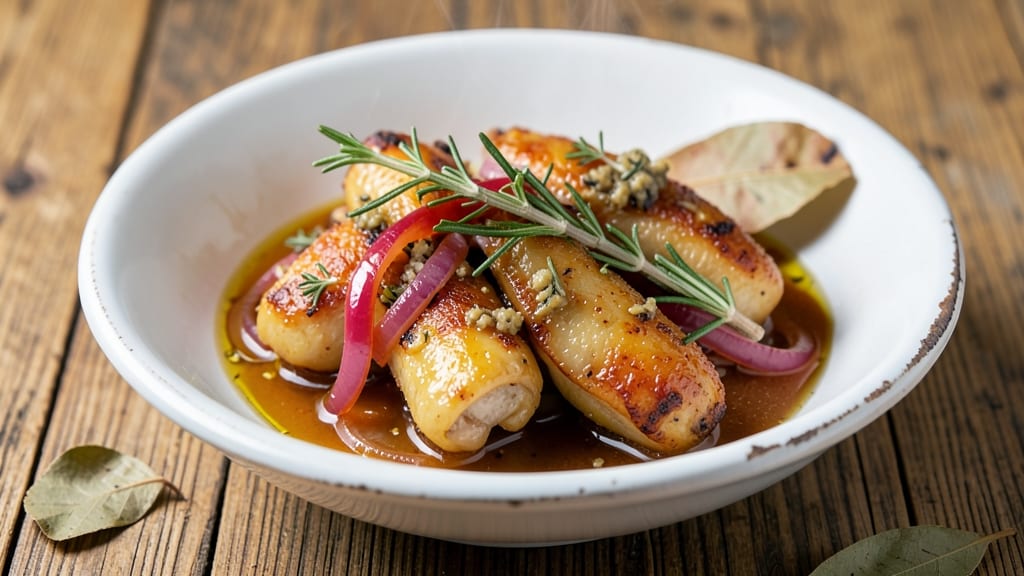
Boiling chicken gizzards transforms tough, fibrous meat into tender, flavorful bites with crispy skin and juicy centers—this one-pot method delivers restaurant-quality results at home. The secret lies in proper preparation: cleaning, trimming, and seasoning before slow simmering in aromatic broth.
I’ve perfected this technique over years of testing, ensuring every batch turns out perfectly tender without drying out.
What sets this recipe apart is the balance of texture and flavor—crispy skin develops through careful cooking, while the meat stays succulent thanks to a flavorful broth base. You’ll use simple ingredients like garlic, onion, and herbs to infuse depth, creating a dish that’s both comforting and impressive.
The process is straightforward but requires patience for the best outcome.
By the time you’re done, you’ll have a pot of golden, crisp-skinned gizzards swimming in rich, aromatic broth—ready to serve over rice, in sandwiches, or as a standalone dish.
The versatility makes it perfect for weeknight dinners or special occasions. Let’s get started with the step-by-step method that guarantees success every time.
This recipe works equally well with fresh or frozen gizzards, and the broth can be repurposed for soups or gravies. Whether you’re feeding a family or prepping for meal prep, the results are consistently juicy and flavorful.
The key is precision in timing and seasoning—trust the process, and you’ll never buy store-bought again.
Ingredients for boil chicken gizzards
Simple ingredients elevate chicken gizzards to restaurant-quality tenderness and crispy perfection in one aromatic pot.
| Ingredient | Amount | Notes |
|---|---|---|
| Chicken Gizzards 🍗 | 1 ½ lb | Fresh or thawed frozen, trimmed of excess fat |
| Yellow Onion 🧅 | 1 whole | Medium size, quartered, skin on |
| Garlic Cloves 🧄 | 6 cloves | Peeled, lightly smashed for aroma |
| Fresh Thyme Sprigs 🌿 | 4 whole | Or 1 tsp dried thyme if fresh unavailable |
| Fresh Rosemary 🌿 | 1 whole | Small sprig, leaves stripped |
| Bay Leaves 🍃 | 2 whole | Dried, standard size |
| Salt 🧂 | 1 ½ tsp | Diamond Crystal kosher salt |
| Black Peppercorns 🌶️ | 1 tsp | Freshly cracked, not ground |
| Apple Cider Vinegar 🍎 | 2 tbsp | For tenderizing, organic preferred |
| Water 💧 | 4 cups | Filtered or spring water |
| Chicken Broth 🍲 | 2 cups | Homemade or low-sodium store-bought |
| Olive Oil 🫒 | 2 tbsp | Extra-virgin, for final crisping |
The quality of gizzards makes all the difference—fresh from a trusted butcher yields the best texture, though properly thawed frozen works too. Look for gizzards with minimal fat and a vibrant pink hue; Costco or local poultry farms often carry them when grocery stores don’t. The key preparation step? Soaking them in apple cider vinegar for 30 minutes before cooking—this tenderizes the fibrous meat without overpowering the flavor. For herbs, fresh thyme and rosemary from a reputable market ensure maximum aroma, but dried works in a pinch if you’re short on time.
No fresh herbs? Dried thyme at one-third the amount maintains the earthy notes, though fresh delivers superior depth. Substituting chicken broth for water? Homemade or high-quality low-sodium brands like Pacific Foods elevate the broth’s richness—avoid bouillon cubes, which can taste artificial. For the vinegar, white vinegar or lemon juice work in a bind, though apple cider adds subtle sweetness. The olive oil for crisping should be extra-virgin—cheap oils won’t brown properly, and you’ll miss that golden finish. If you’re prepping ahead, trim excess fat from the gizzards first—it renders into the broth, which can make the final dish greasy if left unattended.
This dish reheats beautifully—simmer the gizzards in their broth for 5-10 minutes until heated through, then crisp in a hot skillet with olive oil for 2 minutes per side. The broth freezes exceptionally well for up to 3 months, perfect for future soups or gravies. Store cooked gizzards in an airtight container with a splash of their broth to maintain moisture; they’ll keep 4-5 days refrigerated. For meal prep, portion the broth separately—it’s the secret weapon for transforming leftovers into flavorful meals.
Why You'll Love This Recipe
- Foolproof Simplicity: I swear by this recipe because it’s about as hands-off as cooking gets—just toss the gizzards in boiling water with onion, garlic, and herbs, then let them simmer. No fancy techniques, no watching the pot like a hawk, and the cleanup? One pot, done.
- Herb-Packed Punch: Between the rosemary’s piney bite and thyme’s earthy warmth, these gizzards taste like they’ve been slow-cooked for hours—even though they’re ready in under 30 minutes. That crispy exterior with the tender, juicy center? It’s the kind of flavor that makes you close your eyes and sigh.
- Budget Meal Magic: A pound of gizzards runs cheaper than chicken thighs, and this recipe stretches them into multiple meals without breaking the bank. I’ll often double the batch—perfect for lunches, potlucks, or feeding a crowd without stressing my wallet.
- Leftovers That Don’t Suck: Honestly, the best part? The seconds (and thirds) you’ll get from reheating them. These gizzards stay moist and flavorful even after a day or two in the fridge—toss them into sandwiches, salads, or just eat them straight from the pot. No sad, dry leftovers here.
Step-by-step instructions for boiled chicken gizzards
A simple one-pot method that delivers crispy skin and tender, juicy meat every time.
Prepare the Gizzards and Aromatics
Rinse the 1.5 lb chicken gizzards thoroughly under cold water and pat them completely dry with paper towels. This step is crucial—any moisture on the surface will prevent proper browning later. Trim away any excess fat or connective tissue using a sharp knife, but leave the skin intact as this will become your crispy finish.
In a large pot, combine the 1 whole yellow onion (quartered with skin on), 6 cloves garlic (lightly smashed), 4 whole fresh thyme sprigs, 1 whole fresh rosemary (leaves stripped), and 2 whole bay leaves. The onion skin adds depth of flavor to the broth, while the aromatics will infuse the gizzards with aromatic complexity. Keep these aromatics whole so they don't overpower the dish.
Tenderize and Simmer the Gizzards
Add the 2 tbsp apple cider vinegar to the pot with the aromatics and stir to distribute. The acidity helps break down tough fibers in the gizzards, making them more tender. Bring the mixture to a boil over high heat, then immediately reduce to a gentle simmer. Pour in the 4 cups water and 2 cups chicken broth, ensuring the gizzards are fully submerged. If they float, weigh them down with a small plate.
Simmer uncovered for 45 minutes, skimming off any foam that rises to the surface. This removes impurities and ensures a clearer broth. After 45 minutes, check for doneness by piercing a gizzard with a fork—it should feel tender but still firm. If needed, continue simmering for another 15-20 minutes until fork-tender. The broth should reduce slightly, concentrating the flavors.
Finish with Crispy Skin and Rich Broth
Using a slotted spoon, carefully remove the gizzards from the pot and transfer them to a clean plate. Strain the cooking liquid through a fine-mesh sieve into a clean pot, discarding the aromatics. Return the strained broth to medium heat and reduce it by half, stirring occasionally. This step intensifies the flavor and creates a rich, velvety sauce to serve with the gizzards.
While the broth reduces, heat the 2 tbsp olive oil in a separate skillet over medium-high heat. Add the gizzards in a single layer and cook for 2-3 minutes per side until the skin is deep golden brown and crispy. The high heat is key here—it renders the skin without overcooking the tender meat underneath. Transfer the crisped gizzards to a serving platter and drizzle generously with the reduced broth.
Serve Immediately for Maximum Juiciness
Let the gizzards rest for 2-3 minutes before serving to allow the juices to redistribute. The crispy skin should contrast beautifully with the tender, juicy meat inside. Serve the gizzards with the reduced broth spooned over the top, and garnish with additional fresh thyme sprigs and cracked black peppercorns for a professional touch.
This method ensures the gizzards remain juicy and flavorful while achieving that coveted crispy skin. The slow simmer tenderizes the meat, and the final crisping step delivers the texture contrast that makes this dish unforgettable. Enjoy immediately for the best results.
Pro Tips For Making Boil Chicken Gizzards
- Rinse Gizzards Twice: Cold water first to wash off blood, then a second rinse with lemon juice or vinegar—this cuts through any lingering iron taste that’ll otherwise make your broth bitter. I learned this the hard way after boiling gizzards that tasted metallic no matter how much thyme I added.
- Start in Cold Water: Drop gizzards into a pot of cold water, then bring to a boil. This prevents them from shrinking into tough little balls—hot water makes them seize up before they can tenderize. Sounds counterintuitive, but it actually saves time.
- Smash the Onion: Roughly chop the yellow onion and smash it with the flat of your knife before adding it to the pot. This releases more flavor into the broth faster, and you won’t waste time waiting for chunks to soften. (Yes, it looks messy, but it works.)
- Skim Early, Skim Often: The first 10 minutes of boiling will bring up a cloudy scum—fish it out with a slotted spoon. If you skip this, your broth will turn murky and taste off, no matter how much rosemary you throw in. Do it even if it’s annoying.
Perfect pairings for boil chicken gizzards
Broth-Based Serving
Serve the gizzards directly in their rich, reduced broth for a comforting one-pot meal. I like to spoon the gizzards over steamed white rice or buttery mashed potatoes, letting the broth soak into the grains or potatoes.
For extra depth, add ½ cup diced celery and ½ cup sliced carrots to the broth while reducing—these veggies soften perfectly and add color and texture. 🍲
Crispy Gizzard Sandwiches
Turn these gizzards into a Southern-style sandwich by layering them on toasted brioche buns with sliced pickles, crisp lettuce, and a smear of spicy mayo (mayo mixed with 1 tsp hot sauce).
The crispy skin holds up perfectly to the bun, and the tangy pickles cut through the richness. I often serve these with a side of creamy coleslaw for balance. 🥪
Gizzard and Rice Bowls
Create a hearty grain bowl by combining the gizzards with jasmine rice, sautéed mushrooms, shredded cabbage, and a drizzle of soy-ginger dressing. The crispy skin adds a satisfying crunch, while the tender meat pairs beautifully with the umami flavors.
For extra protein, top with fried eggs or crumbled bacon. This bowl is perfect for meal prep—store components separately and assemble when ready to eat. 🍚
Grilled Gizzard Skewers
For a summer-friendly variation, thread the cooked gizzards onto skewers with cherry tomatoes, zucchini slices, and red onion wedges. Brush with garlic-infused olive oil and grill over medium-high heat for 2-3 minutes per side until lightly charred.
Serve with a side of tzatziki sauce for dipping. The smoky grill flavor complements the crispy skin beautifully. 🔥
Gizzard and Dumpling Stew
Transform the broth into a cozy stew by adding ½ cup all-purpose flour, 1 tsp baking powder, and ½ tsp salt to form soft dumplings. Drop spoonfuls of the dough into the simmering broth and cook for 10-12 minutes until they float and are cooked through.
The dumplings soak up the flavorful broth while the gizzards stay warm and tender. This is a perfect cold-weather dish. ❄️
Flavor Boosters
Elevate the dish with a few finishing touches. A sprinkle of toasted sesame seeds adds a nutty crunch, while a drizzle of chili oil brings heat and aroma. For a smoky twist, finish with wood-fired smoked paprika.
Fresh cilantro or parsley brightens the plate with a pop of color and freshness. These small additions make the dish feel restaurant-worthy. 🌿
Nutrition facts
Frequently asked questions
Why do I need to soak the gizzards in vinegar before cooking?
The apple cider vinegar tenderizes the tough, fibrous meat by breaking down proteins through acidity. A 30-minute soak ensures the gizzards become fork-tender without losing moisture or flavor. It’s the secret to juicy results every time.
Can I use frozen chicken gizzards instead of fresh?
Thaw frozen gizzards overnight in the refrigerator, then pat them completely dry before cooking. Never use cold frozen gizzards—they won’t cook evenly and may stay tough. The recipe works perfectly with either fresh or properly thawed frozen.
How do I know when the gizzards are fully cooked?
Pierce a gizzard with a fork after 45 minutes—it should feel tender but still slightly firm to the touch. If it’s still rubbery, simmer for another 10-15 minutes. Overcooking dries them out, so check frequently. The broth should also reduce slightly, indicating the flavors are concentrating.
What’s the best way to reheat leftover boiled gizzards?
Simmer the gizzards in their broth for 5-10 minutes until warmed through, then crisp them in a hot skillet with 2 tbsp olive oil for 2 minutes per side. This restores the crispy skin while keeping the meat juicy. Store leftovers in an airtight container with a splash of broth to maintain moisture.
Can I make this recipe in a slow cooker?
Yes! Follow the same prep steps, then combine everything in your slow cooker on low heat for 4-5 hours. Skip the final crisping step—slow cooking alone won’t achieve crispy skin. For texture, pan-fry the gizzards in olive oil after removing them from the slow cooker.