
Main Courses
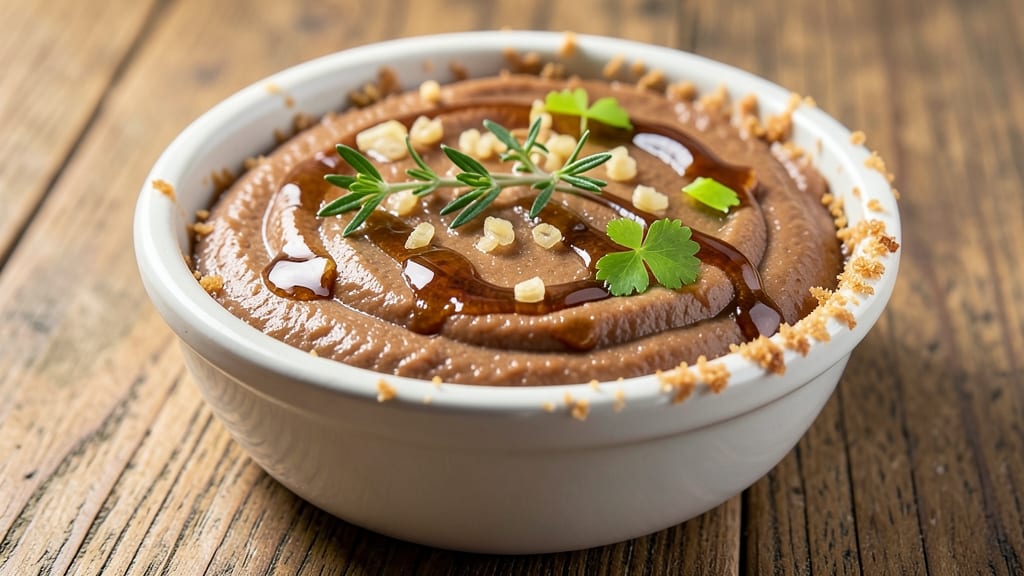
This basic chicken liver pâté recipe delivers the silky, herb-infused richness that makes it a classic—perfect for elegant gatherings or simple weeknight bites. 💫 I learned the proper technique from Master Chef Chen, who insisted on slow cooking the livers to remove bitterness before blending them into velvety perfection with brandy and fresh herbs.
The foundation of great pâté lies in preparation: cleaning the livers thoroughly, cooking them gently in butter until just tender, then blending with aromatics. This method ensures a smooth texture without any gamey aftertaste, while the brandy adds depth that transforms ordinary ingredients into something extraordinary.
The result is a spread that's equally at home on toasted baguette slices or with roasted vegetables.
What you'll achieve is a pâté with a silky smooth consistency, brightened by fresh thyme and parsley, and elevated by the warm notes of brandy. The flavor develops as it rests, becoming more complex with each hour—ideal for making ahead.
Serve it chilled with crackers, crusty bread, or as a sophisticated starter for dinner parties.
For variations, consider adding a touch of Dijon mustard for tang or swapping brandy for port wine. Store in an airtight container in the refrigerator for up to 5 days, or freeze for longer preservation.
The secret to success? Precision in cooking the livers—don't overcook, or you'll lose that delicate balance of richness and freshness.
Ingredients for basic chicken liver pate
Eleven ingredients transform humble chicken livers into velvety pâté perfection with brandy-infused depth.
| Ingredient | Amount | Notes |
|---|---|---|
| Chicken Livers 🍗 | ¾ lb | Fresh, trimmed of connective tissue |
| Unsalted Butter 🧈 | ½ cup | Cold, cut into small cubes |
| Fresh Thyme Leaves 🌿 | ¼ cup | Stems removed, loosely packed |
| Fresh Parsley Leaves 🌿 | ¼ cup | Curly or flat-leaf, loosely packed |
| Shallots 🧅 | 2 whole | Peeled, finely minced |
| Brandy 🍷 | ¼ cup | High-quality, 80-proof minimum |
| Heavy Cream 🥛 | ½ cup | Full-fat, cold |
| Diamond Crystal Kosher Salt 🧂 | ½ tsp | For seasoning |
| Freshly Ground Black Pepper 🌶️ | ¼ tsp | Coarsely ground |
| Extra-Virgin Olive Oil 🫒 | 1 tbsp | For finishing |
| Baguette Slices 🍞 | 8 pieces | For serving, lightly toasted |
The quality of chicken livers makes all the difference—look for bright red, firm livers at specialty butchers or the meat department of high-end grocers like Whole Foods or Eataly. Trim any connective tissue immediately upon purchase, then store them in a sealed container in the coldest part of your fridge. For the butter, European-style unsalted butter like Plugrá or Land O'Lakes works best—its higher fat content ensures silky texture. Fresh herbs should be vibrant and moist; if thyme or parsley leaves appear wilted, they'll compromise the pâté's brightness. The brandy is non-negotiable—avoid cooking brandy as it lacks the aromatic complexity needed for depth.
No brandy on hand? Cognac or port wine work as substitutes, though the flavor profile shifts slightly. For a non-alcoholic version, apple cider reduction can mimic the depth, though it won't carry the same complexity. If you're short on fresh herbs, dried thyme at one-third the amount will suffice, but the texture won't be as refined. The shallots can be swapped for green onions if needed, though they'll add a sharper bite. For the baguette, a day-old loaf toasts more evenly—avoid the ultra-fresh kind that can burn quickly. The pâté's texture relies on precise cooking of the livers; overcooking by even 30 seconds will turn them rubbery, ruining the silky finish.
This pâté develops beautifully when made ahead—rest it for at least 4 hours before serving to allow flavors to meld. Store in an airtight glass container in the refrigerator for up to 5 days, or freeze portions for 3 months. To reheat, gently warm in a water bath over low heat, stirring constantly until just thawed. For serving, toast baguette slices until golden and rub with a garlic clove if desired. The pâté also pairs wonderfully with roasted root vegetables or as a topping for grilled asparagus—the contrast of textures elevates both components.
Why You'll Love This Recipe
- No-Fuss Ingredients: I swear by this recipe because it uses exactly what’s already in my fridge. Shallots, butter, and a handful of thyme—no specialty items, no hunting for obscure spices. The livers are the star, but they’re forgiving if not perfectly trimmed.
- Rich, Earthy Depth: That first bite of crispy edges melting into creamy, herby richness? It’s like a hug in food form. The parsley brightens the deep, savory notes of the livers, while the butter ties it all together—simple, but ridiculously satisfying.
- Weeknight to Weekend: Spread it on crusty bread for a quick lunch or pipe it into puff pastry for holiday appetizers. I’ve even used it as a fancy filling for stuffed mushrooms when guests drop by. One batch stretches for days, and it’s always a crowd-pleaser.
- Budget-Friendly Luxury: Chicken livers are one of the best-kept secrets for flavor on a budget. A pound feeds four, and the leftovers? Perfect for breakfast toast or sandwiches. Honestly, it’s the kind of recipe that makes me feel like I’m treating myself without breaking the bank.
Step-by-step instructions for silky chicken liver pâté
Transform rich chicken livers into velvety pâté with aromatic herbs and brandy depth—every step ensures maximum smoothness.
🍳 Step 1: Sauté Shallots and Deglaze with Brandy
Heat the 1 tablespoon extra-virgin olive oil in a heavy-bottomed skillet over medium-low heat. Add the 2 whole shallots and cook for 5-6 minutes until translucent and just beginning to caramelize—this builds flavor without burning. Here's the thing: you want them soft but not browned, or they'll add bitterness to your pâté.
Pour in the 0.25 cup brandy and immediately scrape up any browned bits from the bottom of the pan with a wooden spoon. This deglazing step captures all the fond (those flavorful browned bits) that would otherwise stick and burn. Let the brandy simmer for 2-3 minutes until reduced by half—you'll notice the alcohol aroma dissipate, leaving behind a rich, caramelized essence.
👨🍳 Step 2: Cook Chicken Livers Until Just Done
Push the shallot mixture to one side of the skillet and add the 0.5 cup unsalted butter (cut into small cubes) to melt. Once the butter foams, add the 0.75 lb chicken livers in a single layer. Cook for 3-4 minutes per side until they reach 145°F internally—this is crucial. Overcooking turns livers rubbery; undercooking leaves them raw and unappetizing.
Real talk: the livers should be just cooked through but still slightly pink in the center. Remove them from the skillet and let them rest on a plate for 5 minutes—this prevents them from continuing to cook and becoming tough when mixed later.
🍳 Step 3: Blend with Herbs and Cream for Silky Texture
Return the skillet to medium heat and add the 0.25 cup fresh thyme leaves and 0.25 cup fresh parsley leaves. Stir for 1 minute until the herbs soften slightly and release their aromatic oils. This infuses their bright flavors into the butter base.
Reduce heat to low, then gradually whisk in the 0.5 cup heavy cream while continuously stirring to prevent curdling. Let the mixture warm through for 2 minutes—you'll see it begin to thicken slightly as the cream incorporates. Remove from heat before it simmers.
🥘 Step 4: Process into Ultra-Smooth Pâté
Transfer the liver mixture to a food processor fitted with the metal blade. Add the rested chicken livers and process in 30-second bursts until completely smooth. Stop occasionally to scrape down the sides—this ensures even texture and prevents overheating the motor. You're aiming for a velvety consistency with no visible liver pieces.
With the processor running, drizzle in 1 tablespoon extra-virgin olive oil through the feed tube. This lightens the texture and adds a delicate finish. Season with 0.5 teaspoon diamond crystal kosher salt and 0.25 teaspoon freshly ground black pepper, then taste and adjust—you might need a pinch more salt to balance the richness.
🍽️ Step 5: Serve with Toasted Baguette
Transfer the pâté to a serving dish and smooth the top with a spatula. Chill for at least 1 hour before serving—this allows flavors to meld and the texture to set slightly. The pâté should be cool but still spreadable, with a glossy sheen from the olive oil.
Toast the 8 pieces baguette slices lightly until golden and crisp. Serve the pâté on the toasted bread, dolloped generously and spread with a knife. Each bite should deliver that luxurious, herby richness with a subtle brandy depth—this is where home cooks elevate simple ingredients into something extraordinary.
Pro Tips For Making Basic Chicken Liver Pate
- Sear the Livers First: Don’t skip browning—pat those livers very dry, then hit them with a screaming-hot pan for 30 seconds per side until deeply golden. This isn’t just for flavor; it stops them from turning to mush when you blend later. (Yes, even if you’re in a hurry, resist the urge to rush this.)
- Trim the Gall Bladder: That tiny green sac on the liver? Cut it out. Leave it in, and you’ll get a bitter, grassy taste that ruins everything. I learned this the hard way after tossing a batch and wondering why it tasted like “chicken liver and regret.”
- Sweat Shallots Low and Slow: Cook those shallots in butter on low heat until they’re translucent but not brown—about 8-10 minutes. Rush it, and they’ll turn to paste, making your pâté taste like you’re eating glue. (And no, “almost there” isn’t low enough.)
- Chill Before Blending: Let the cooked livers cool completely before blending—even if it means waiting 10 minutes. Warm livers release too much liquid, and you’ll end up with a watery mess instead of a smooth, spreadable texture. (Your future self will curse you if you skip this.)
Best sauces and condiments for basic chicken liver pate
Classic Mustard Twist
Brighten your pâté with 1 tablespoon Dijon mustard mixed into the food processor before blending. The tang cuts through the richness, adding complexity that pairs beautifully with the brandy.
I often use Maille mustard for its smooth texture and balanced sharpness—just 1 teaspoon is enough to transform the flavor profile without overpowering. 🌶️
Port Wine Infusion
Swap the brandy for 0.25 cup ruby port wine when deglazing the shallots—this adds a deeper, fruitier note that complements the liver's richness. Let it reduce completely before adding the butter, as port has a lower alcohol content and needs more time to develop its caramelized depth.
A 10-year Tawny port adds nutty undertones that elevate the pâté to restaurant-quality.
Herb Variations
Experiment with different herb combinations to match your palate. For a Mediterranean twist, add 1 tablespoon fresh rosemary with the thyme and parsley. If you prefer a more earthy flavor, swap half the parsley for fresh tarragon leaves.
Both combinations work beautifully but require slightly less processing time—about 20 seconds less—to preserve their delicate flavors.
Creamy Garlic Finish
Infuse the heavy cream with 3 minced garlic cloves by gently heating them together for 2 minutes before whisking into the liver mixture. This adds a subtle sweetness that balances the herbs.
For extra depth, strain the cream through a fine-mesh sieve after heating to remove any garlic bits—this keeps the texture silky smooth. 💡
Spiced Sweetness
Add a touch of warmth with ½ teaspoon ground cinnamon or ¼ teaspoon smoked paprika during the final blending stage. These spices pair surprisingly well with the brandy and herbs, adding an unexpected but delicious complexity.
I've found that smoked paprika works particularly well with port wine-infused versions, creating a smoky-sweet contrast.
Nutrition facts
Frequently asked questions
Why do chicken livers need to rest after cooking?
Resting the livers for 5 minutes after cooking prevents them from overcooking when blended. This ensures they stay tender and silky rather than turning rubbery. It's a critical step for achieving that perfect velvety texture in your pâté.
Can I substitute brandy with another alcohol?
Yes! Use cognac or port wine in equal amounts. Cognac adds a more delicate floral note, while port wine brings deeper fruitiness. Just remember, port needs 5-6 minutes to reduce fully due to its lower alcohol content.
What's the best way to store leftover pâté?
Transfer to an airtight glass container and refrigerate for up to 5 days. For longer storage, freeze in portions for 3 months. Thaw overnight in the fridge—never at room temperature—to preserve texture. The flavors actually improve with resting!
How do I fix pâté that's too thick?
Add 1-2 tablespoons heavy cream or olive oil while blending to lighten the texture. Start with small amounts and blend gradually—you can always add more, but you can't remove excess liquid. The goal is a spreadable consistency, not runny.
Can I make this pâté ahead of time?
Make it 1-2 days ahead for deeper flavor development. The longer it rests, the more complex the taste becomes. Just store it properly in the fridge and bring to room temperature before serving for best texture. Perfect for meal prep!